

Our journey towards automony
Time for Plan A.
Future autonomous agricultural machinery for more efficiency, precision and productivity.
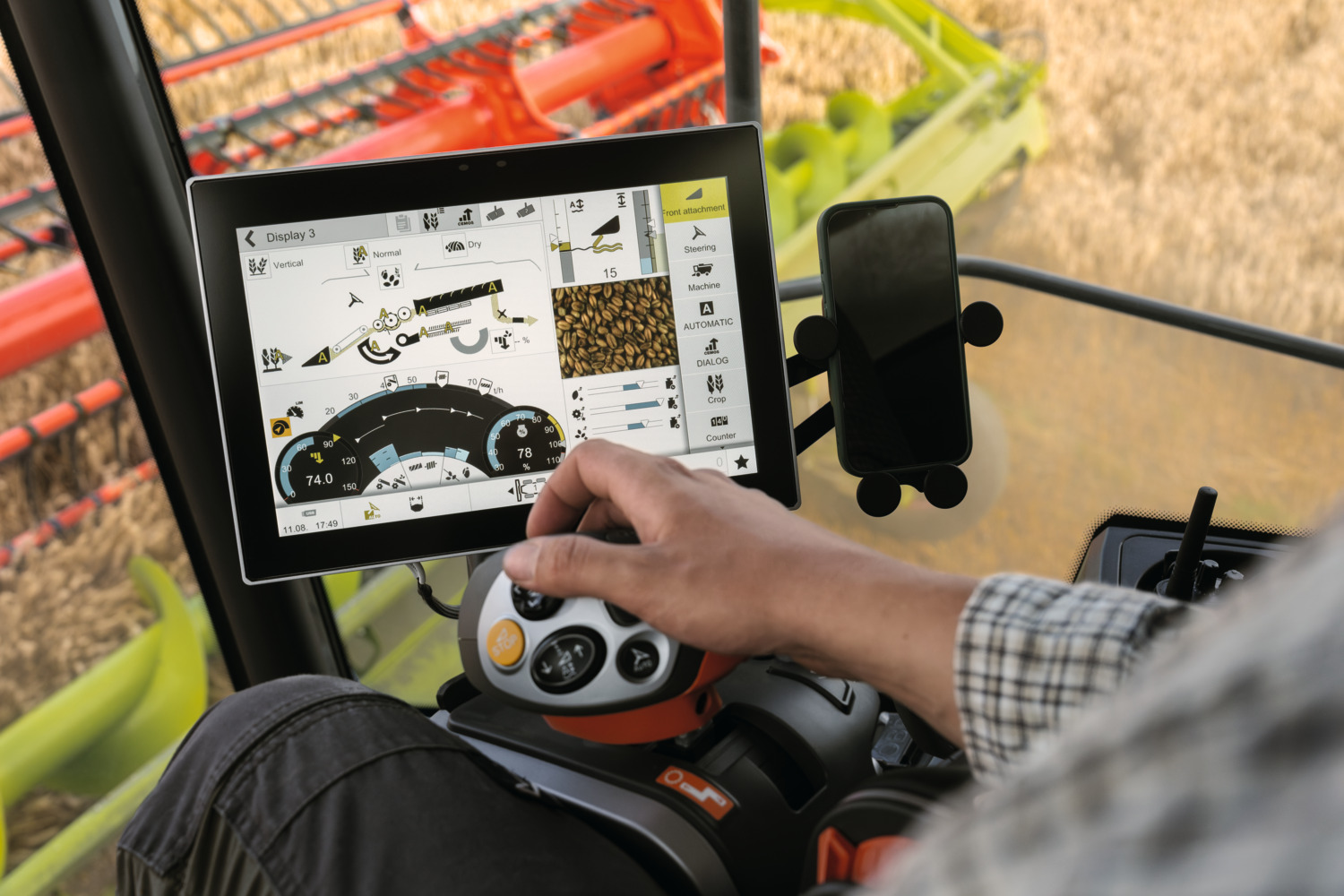
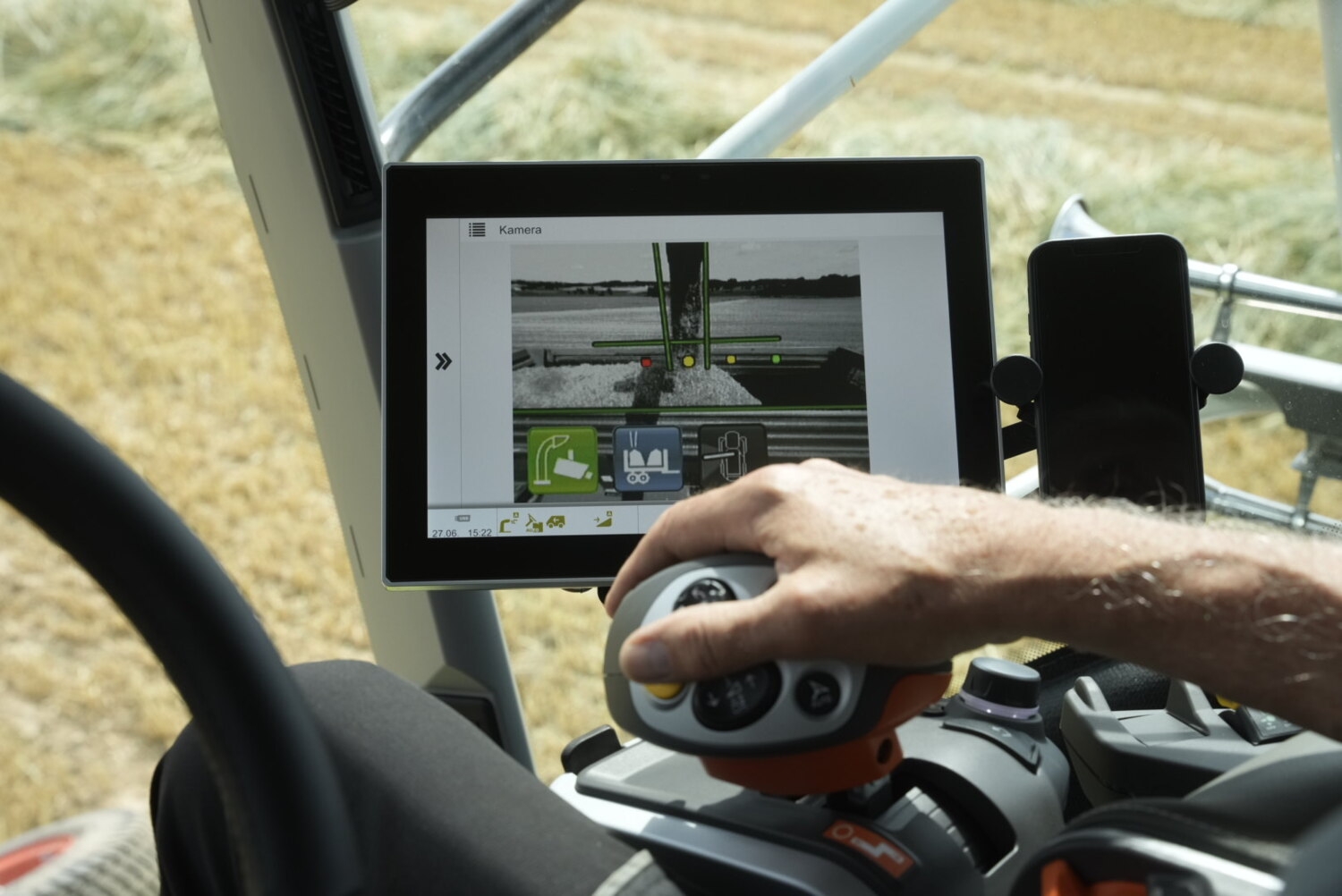
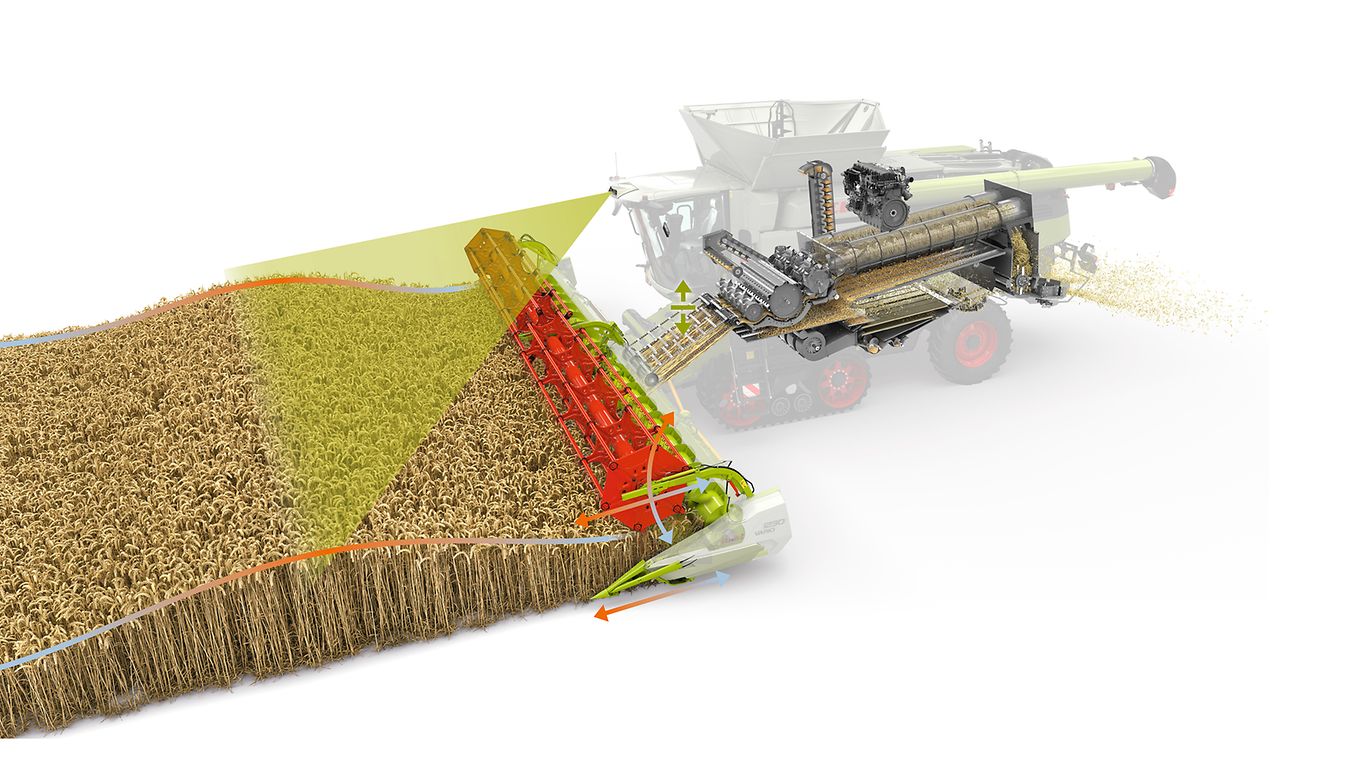
Automated systems from CLAAS are already helping farmers with many tasks: take CEMOS for example; it optimises machine settings, automatically adjusts the driving speed and power output to the crop and ensures precise harvesting and tillage operations. Steering systems, sensors and intelligent assistance functions too are increasingly taking on repetitive tasks and controlling machine processes automatically. As workflows from field to harvest become fully automated, machines will be continuously operating at the optimum level: efficient, resource-friendly and with consistently high quality.
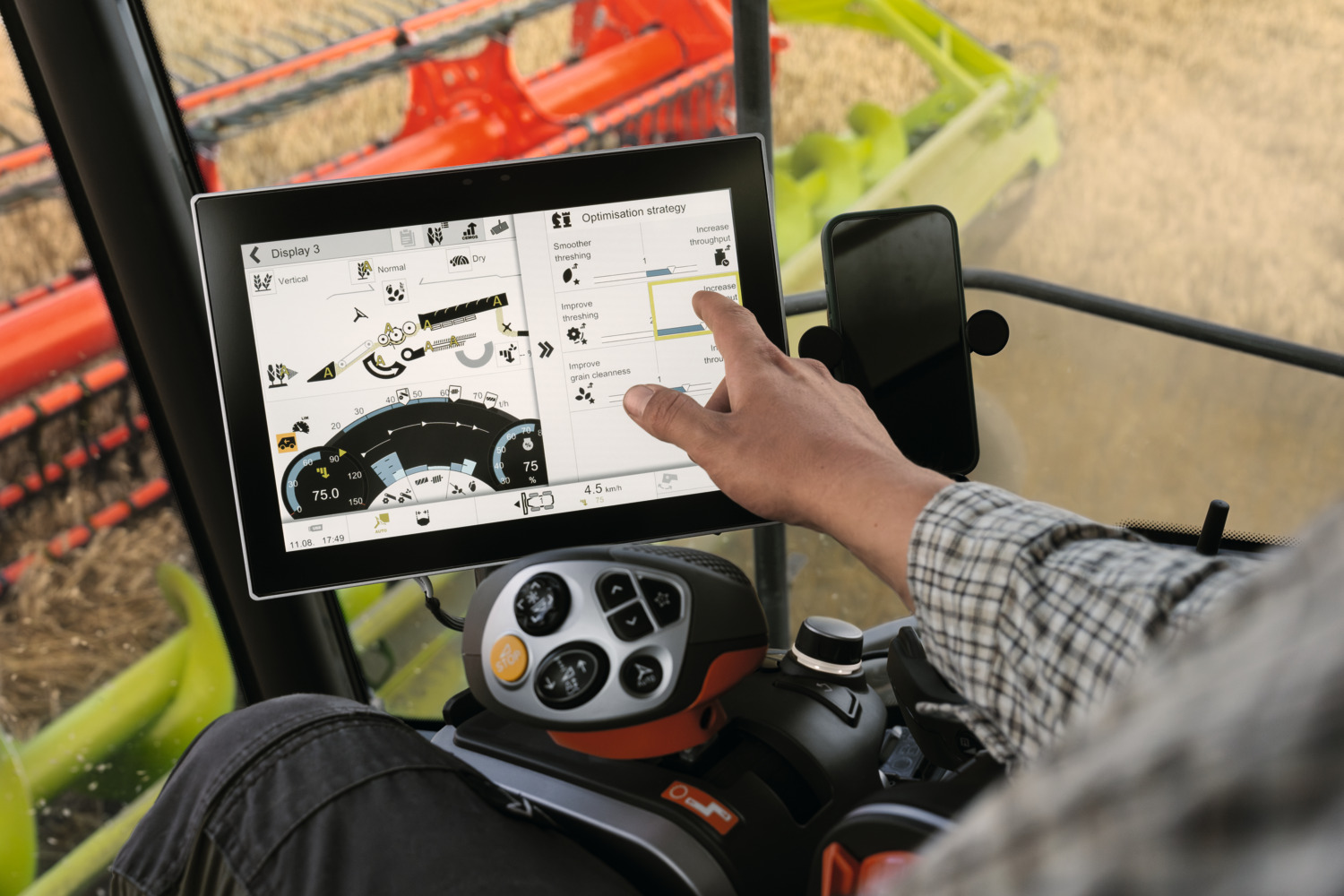
CEMOS AUTOMATIC automatically optimises the machine settings of CLAAS combine harvesters throughout the entire operation. The system continuously adjusts the machine to changing conditions based on agroeconomic parameters such as grain quality, throughput and efficiency. This significantly reduces the operator's workload, avoids incorrect settings and makes full use of power reserves. Result: more throughput, better harvest quality and maximum economic efficiency.
Many farms are facing the same challenge: a shortage of skilled labour combined with the need to manage large fields efficiently. Autonomous systems offer new solutions to this problem: in future driverless machines will run across the field executing planned tasks autonomously. The journey starts with semi-autonomous functions with the operator remaining onboard to monitor operations and intervene at any time if required. Moving towards the future of farming, one step at a time.
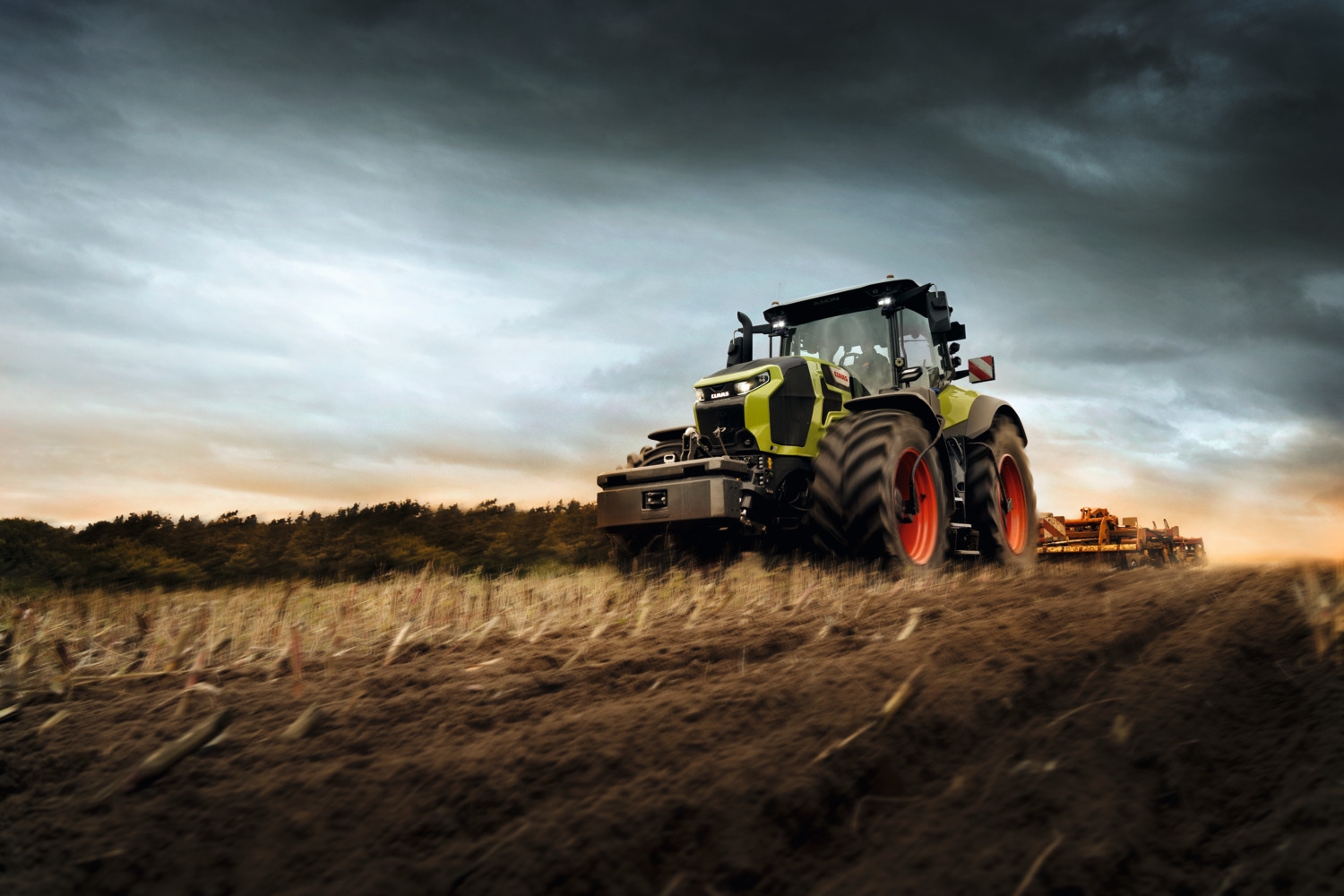
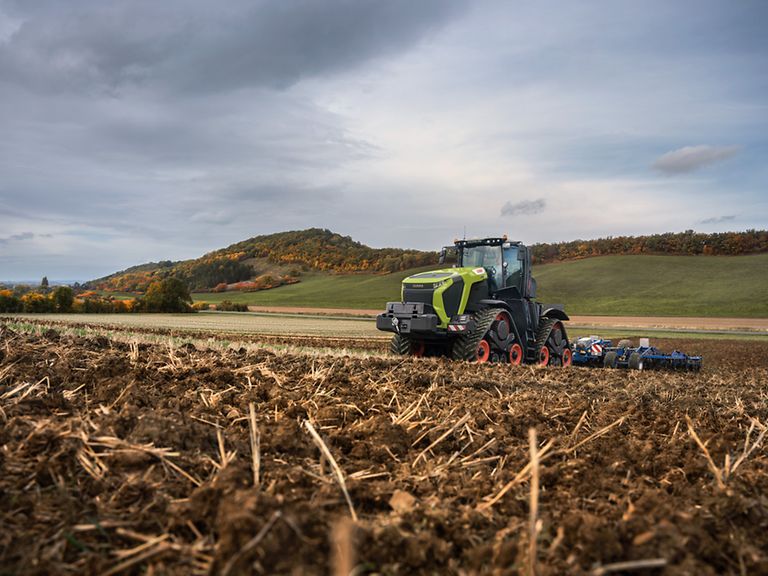
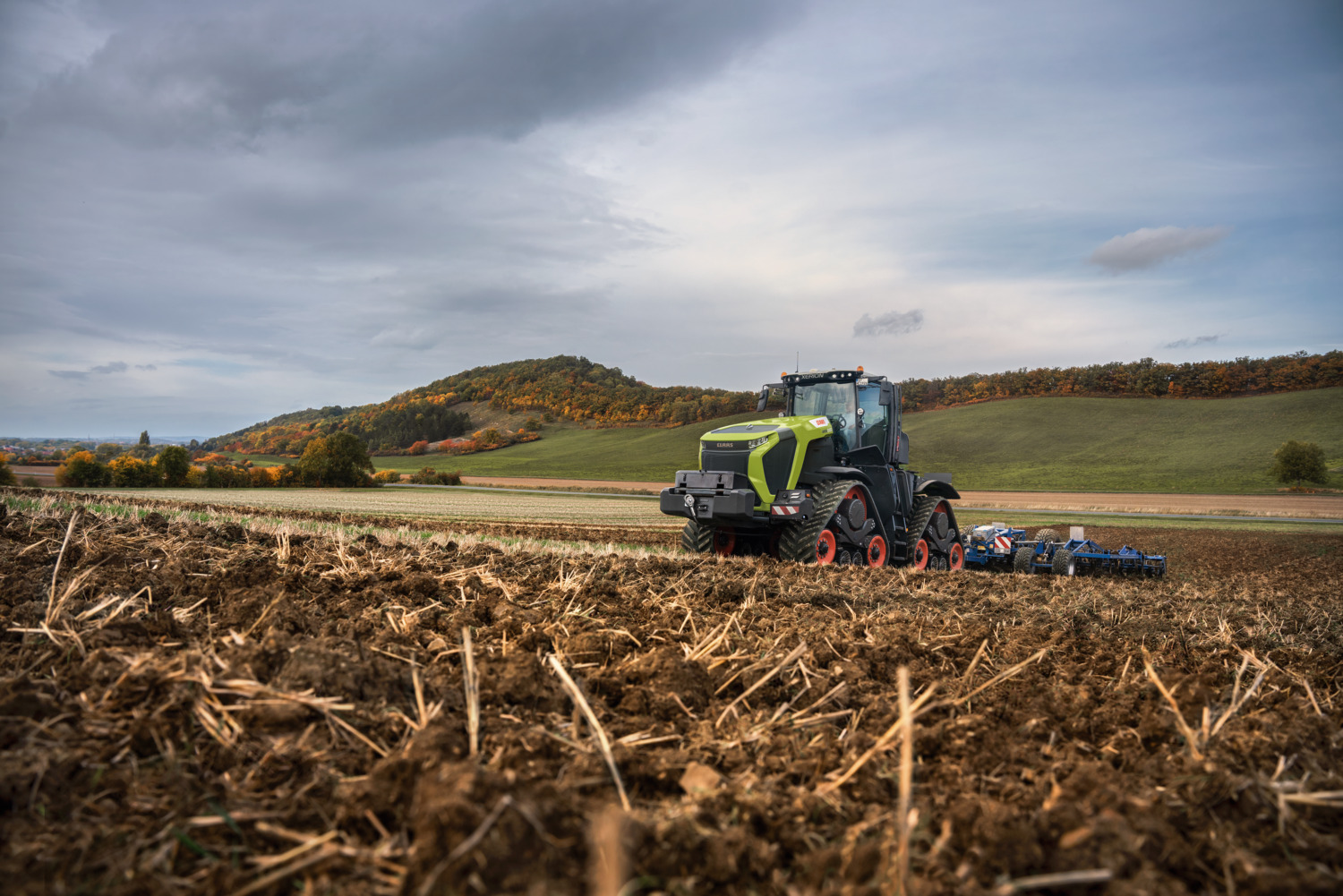
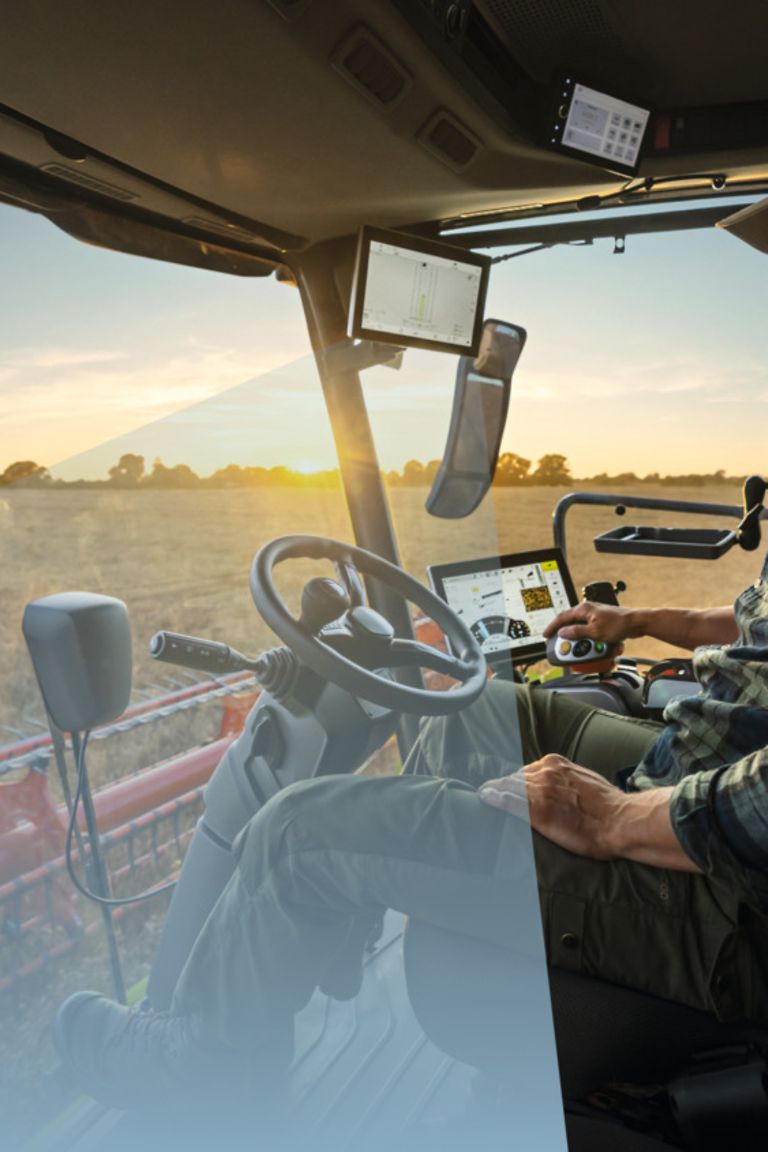
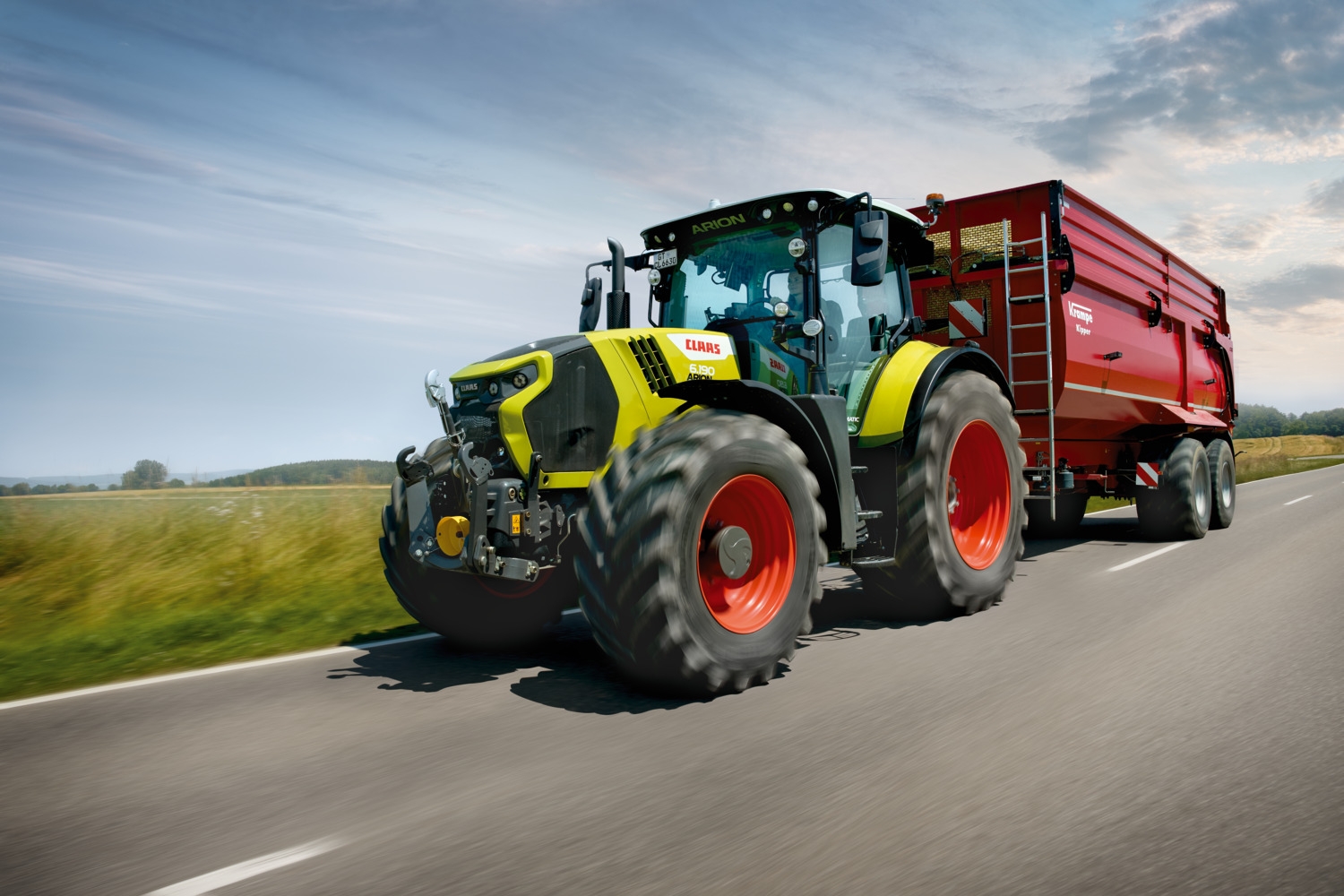
The AXION 9 is taking the first step towards autonomy using the Vehicle Control Unit (VCU) developed by our system partner AgXeed. This combination can run highly automated preplanned operations. CLAAS is also developing its own solution for future use. Using the cloud-based connection between CLAAS connect and the AgXeed platform TraXwise, field and machine data are transferred online and started with a click. Tractor and implement then work autonomously – including steering, headland management and obstacle avoidance. The operator stays onboard to monitor operations and can intervene at any time. The farm manager receives automatically documented job data.
FAQ
What is the difference between an 'automated' and an 'autonomous' agricultural machine?
What is the difference between an 'automated' and an 'autonomous' agricultural machine?
With automated agricultural machines, the operator stays in the machine and is responsible for the job. However, the systems perform certain tasks automatically, such as optimising some harvest processes, steering, or controlling the working speed. In this scenario, the machine provides assistance, for instance with the CEMOS electronic machine optimisation system, while the human oversees the work.
Autonomous agricultural machines take it one step further. Here the machines act autonomously in the field without the human having to be on board. The human plans the task in advance, monitors the machine remotely and intervenes only when necessary.
Q: How does automation and autonomy benefit my farm?
Q: How does automation and autonomy benefit my farm?
Highly automated agricultural machines boost process reliability; farmers and contractors always get exactly what they want through targeted pre-planning. Work quality increases significantly as a result. Preplanned operations run without manual intervention, leaving operators free to focus more on the results of their work – having to intervene only in the event of unexpected changes. Careful preplanning increases efficiency, reduces overlaps and empty runs and ensures efficient area coverage. At the same time, pre-planning shortens set-up time in the field and forms the basis for greater operational reliability. Even inexperienced staff can be trained up more quickly and given simple tasks, which increases workplace comfort and staff retention.
Job data such as field boundaries, tracks or information about soil and yield conditions are automatically recorded and documented. This data can be re-used later for optimisation purposes. The data can also be used to improve precision farming and to produce clear and transparent verifications for customers and authorities. Fixed obstacles are flagged during planning, thereby avoiding damage and better protecting employees. In addition, live monitoring enables easier communication and quality assurance in real time. All in all, working with highly automated systems is more comfortable and efficient.
Autonomous agricultural machinery augments the mode of operation of highly automated systems and increases independence in the sense that humans no longer have to be on board at all times. Thus autonomous systems reduce dependence on the available workforce during time-critical fieldwork. Machines can be used more flexibly and for longer periods without the need for additional personnel. Skilled workers can focus more on planning, monitoring, logistics and optimisation processes instead of having to be behind the steering wheel of each machine. When time is at a premium, this allows you to achieve more value-adding agronomic work reliably and make optimal use of the time available. For many farms, autonomous agricultural machinery is not just a technological innovation, but a strategic game-changer for the future.
What does autonomy mean for me as the operator?
What does autonomy mean for me as the operator?
With highly automated machines, the operator's role shifts from simple operation to active process control. There is a greater focus on work quality, performance and productivity. Intervention is only required when unplanned events arise: e.g. if a tree has come down in the field. Apart from that, the machine is able to perform the task in such a way that the operator takes on a supervisory role.
In autonomous scenarios, humans increasingly perform the role of coordinators and logisticians. They monitor multiple machines simultaneously, plan operations, define relevant parameters in advance, organise logistics and ensure that each machine is working in the right place at the right time. They are also responsible for maintenance and the provision of operating resources. Autonomous agricultural machines change the role of humans in farming rather than replacing them.
Your dealership has skilled digital advisors to help you get to grips with automated and autonomous technologies, answer your questions and even provide training on your farm. We systematically focus on our customers throughout the entire development phase. We work with famers in Europe to develop autonomous technologies and provide highly complex systems which are very simple and intuitive to operate. Furthermore, we deliberately reduce the complexity of the control functions that operators are faced with in their day-to-day work.
How can I integrate autonomous technology gradually into my fleet?
How can I integrate autonomous technology gradually into my fleet?
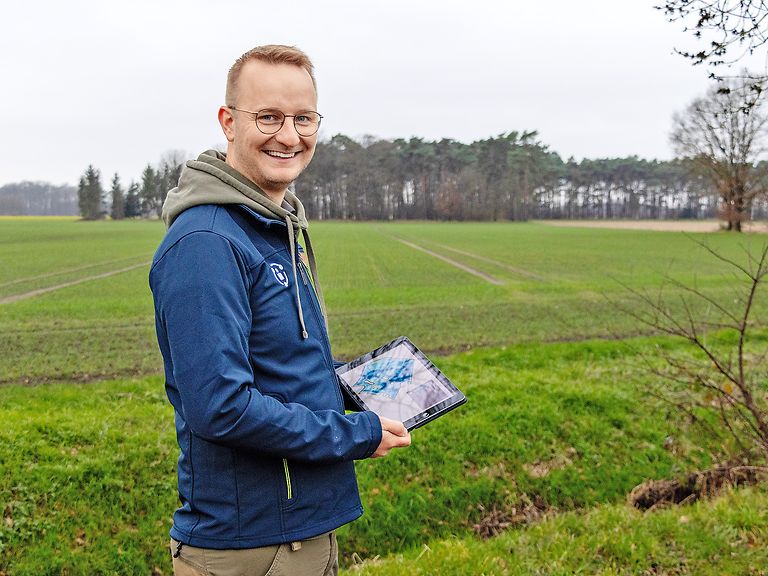
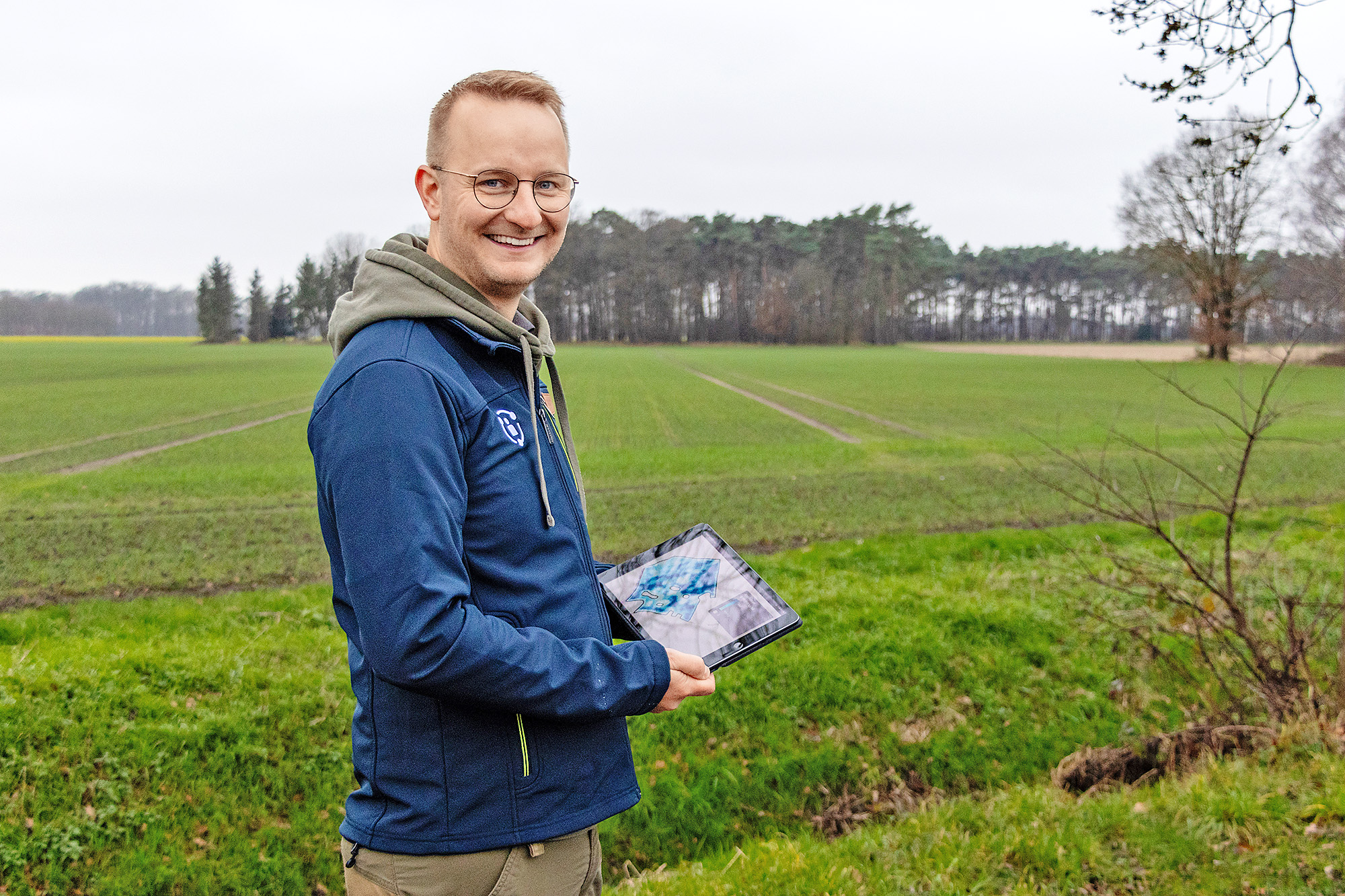
The journey to autonomy starts with digitalising your farm. Field boundaries must be accurately mapped so that all work processes can be carried out in full and with precision. Machines, fleets and fields must be properly set up on the CLAAS connect digital platform.
The next step toward autonomy uses highly automated technology such as the AgXeed VCU. This VCU (Vehicle Control Unit) is a compact retrofit module that turns CLAAS tractors into part of the highly automated AgXeed ecosystem, a pioneer of intelligent, autonomous agritechnology. The VCU brings autonomous operation to CLAAS tractors right now. Preplanned missions mean that farmers get exactly what they intended.
How does service and support work for me as the customer with automated and autonomous solutions?
How does service and support work for me as the customer with automated and autonomous solutions?
In exactly the same way as before. Your sales and service partner is your first point of contact for highly automated and autonomous CLAAS solutions too. They offer all the services you need for our automated and autonomous solutions, provide assistance on request and on-site visits at short notice. So CLAAS offers the same established service ethos that farmers have relied on for years to new technologies as well.