TRION 750 MONTANA – William White and Sons, Berwickshire
Agricultural machinery
Digital Solutions
Service & Parts
Experience
Careers
Press
About CLAAS
TRION 750 MONTANA – William White and Sons, Berwickshire
  • William White and Sons, Greenlaw, Berwickshire
  • Farmed area: 1600acres
  • Cropping winter wheat 550acres, spring barley 350acres, oilseed rape 100acres, spring oats 70acres, vining peas 75acres – remainder down to grass
  • Livestock: 700 x Greyface Mule and Texel X breeding ewes
  • Staff: Jimmy and Jock White plus two others full-time and another two at harvest

Why a TRION 750 MONTANA?


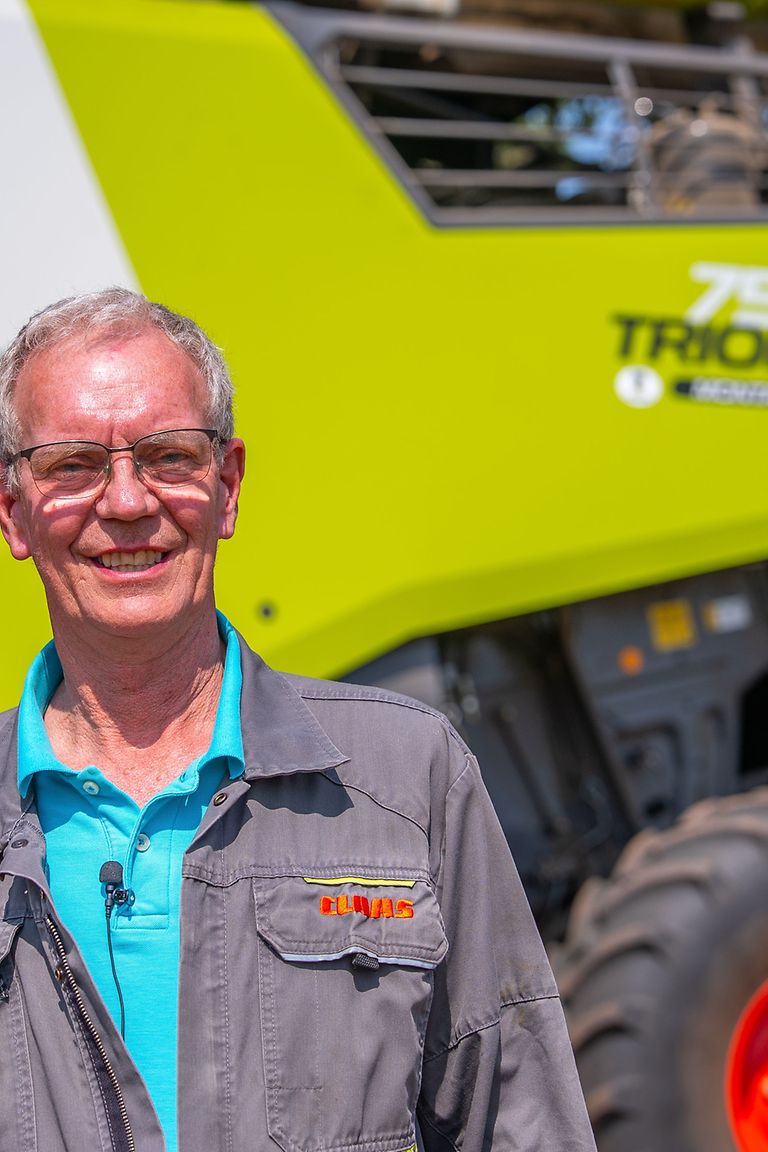
“It’s fair to say we’re pretty big fans of CLAAS combines having had a SENATOR, three DOMINATOR, eight LEXION and now the TRION,” says Jimmy White.


“Being based here in the Scottish Borders we can have some pretty heavy volumes of straw and high yielding crops to cut in less-than-ideal conditions, so we need that harvesting capacity to grab them when they’re at their driest.


“With a lot of our bales sold to livestock producers in the area, straw quality is very important to us so we’ve traditionally stuck with walker combines. Our last machine was a LEXION 660 MONTANA. However, with an increasing area of wheat and ever higher yielding varieties we needed more output. 


“Although we’re often cutting wheat in September, we wanted to avoid harvest dragging into October as it has done in previous catchy seasons. We couldn’t justify the step up to a big, new generation LEXION so the twin-rotor TRION seemed like the next obvious step. 


“We had demos of both the biggest straw-walker model and the hybrid 750 which proved our concerns about straw quality were unfounded. With the machine set correctly you can produce a decent swath with either, so we took the plunge and made the decision to switch with our new machine arriving in time for harvest this year.”

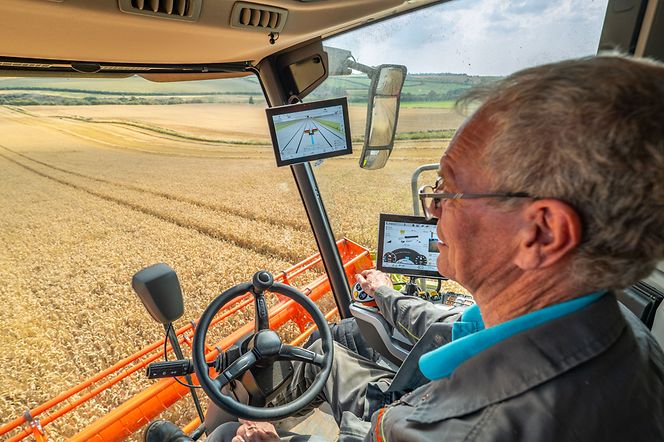
Why CLAAS?


“We’ve stuck with CLAAS combines for the last half century primarily because of their reliability. We’ve tried other coloured machines over the years, but they just don’t measure up – they’re just not as dependable.


“But of course, it’s also about how well you’re looked after when things do go wrong, no matter how minor. The back-up we get from Rickerbys you just can’t fault.


“The parts and service staff really know their stuff and our sales rep – Neil Douglas – is so knowledgeable on the product without being pushy. We couldn’t hope for a better team.”

Why a MONTANA?


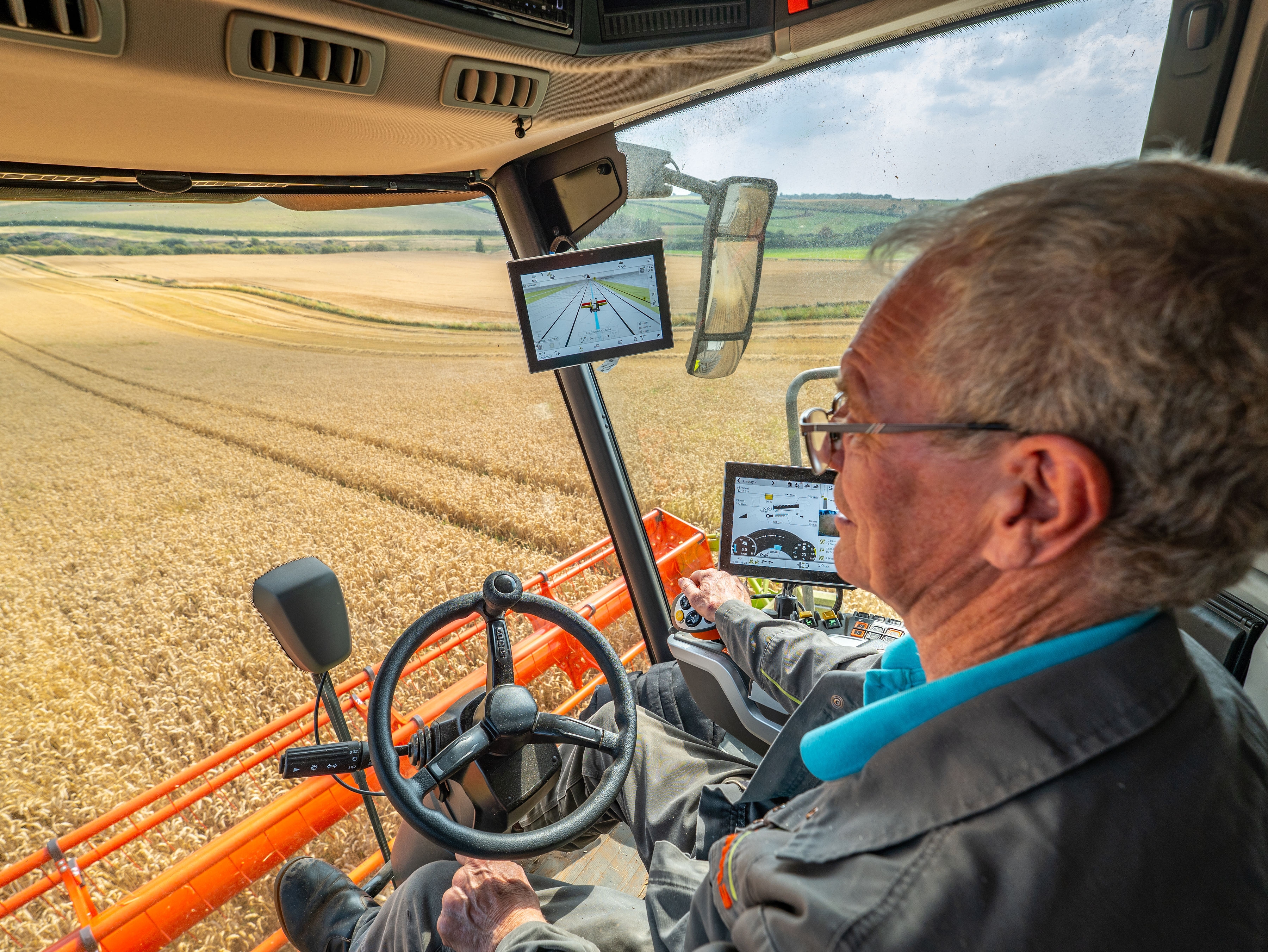
“When CLAAS first launched its MONTANA body-levelling system I knew instinctively it was what we needed on our steeply rolling ground. Far better than the alternatives on offer like levelling sieves, it effectively flattens out the hills so that you can keep going at the same pace on the flat or on the banks.


“It’s just another feature that keeps output up and ultimately means we know we’ve got the capacity to only go cutting crops when they’re at their driest. It might sound insignificant but because the cab is always sitting level, it’s also a much more comfortable ride.


“You’ve only got to turn the MONTANA system off to see the effect it has on output. Instantly losses start to climb and you have to pull the stick back. Generally, I’ll only put up with one or two bars on the loss monitors. To do that without MONTANA on our steep slopes you’d be creeping along at 2-3kph. It really is the bees’ knees, hence why we’ve had our last six machines fitted with the system.”


How has the TRION 750 performed?


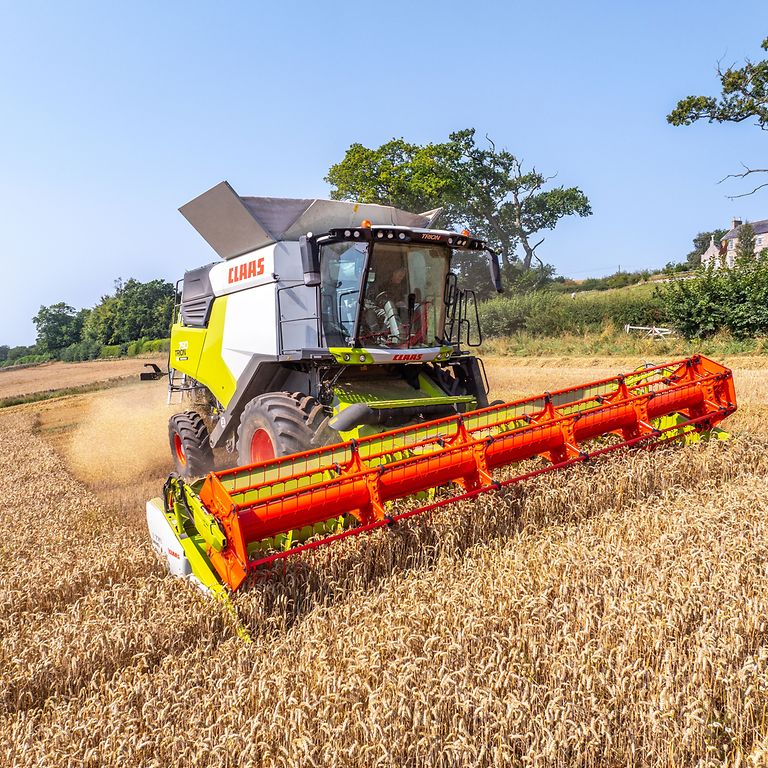
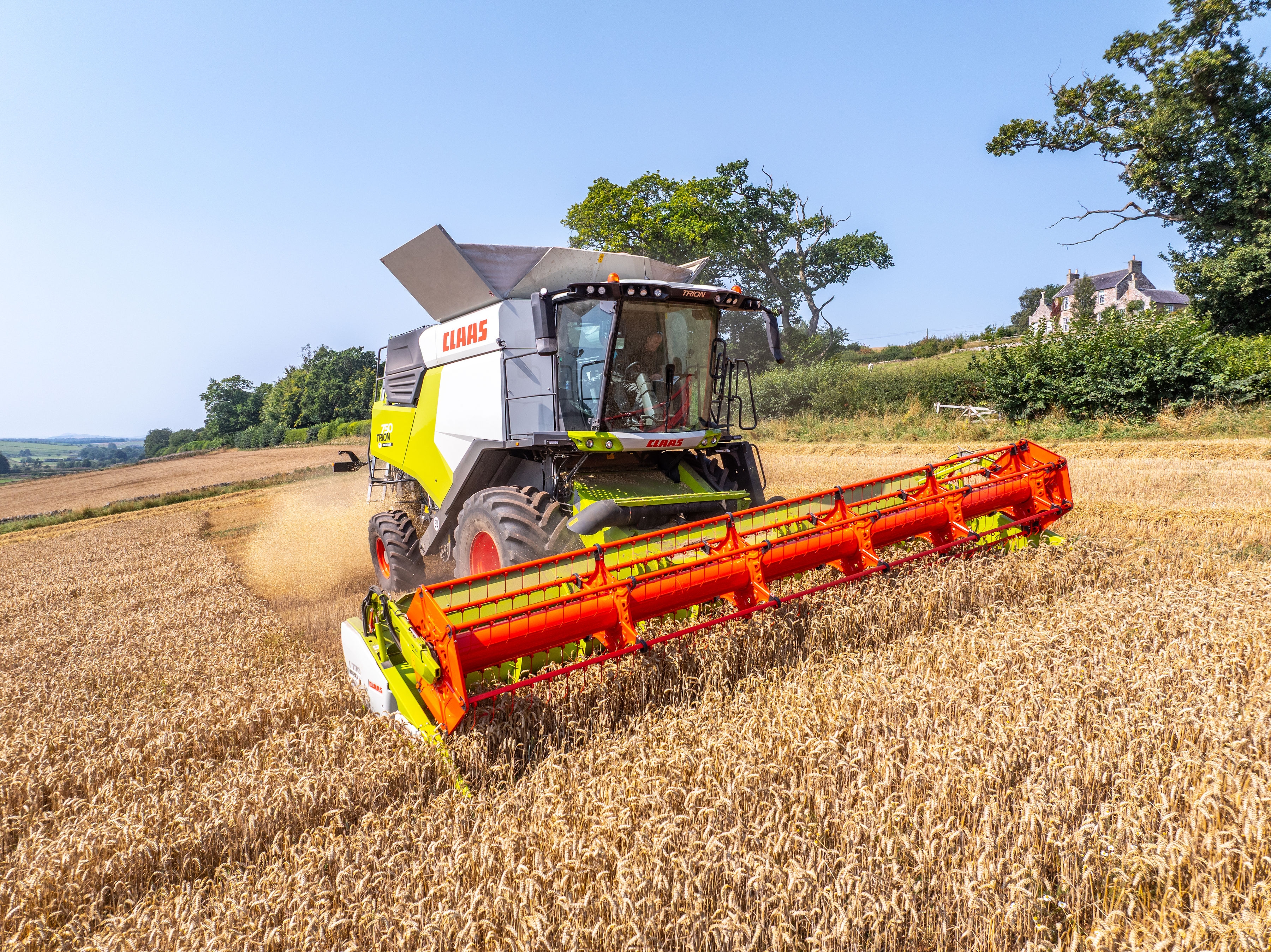
“Immediately we were impressed with the appetite of the TRION. In good crops of wheat, it’ll comfortably run at 6kph, even with a 7.7m VARIO header. That’s a good 15-20% increase in output compared with our old LEXION 660.


“As regards the switch away from straw walkers to a hybrid, there’s a marked difference. The twin rotors do a much better job in separating grain out of the straw, particularly in greener crops.


“And thanks to the fact I’m able to tweak rotor speeds and the rotor flaps, it’s easy to adjust to maintain a decent swath.”