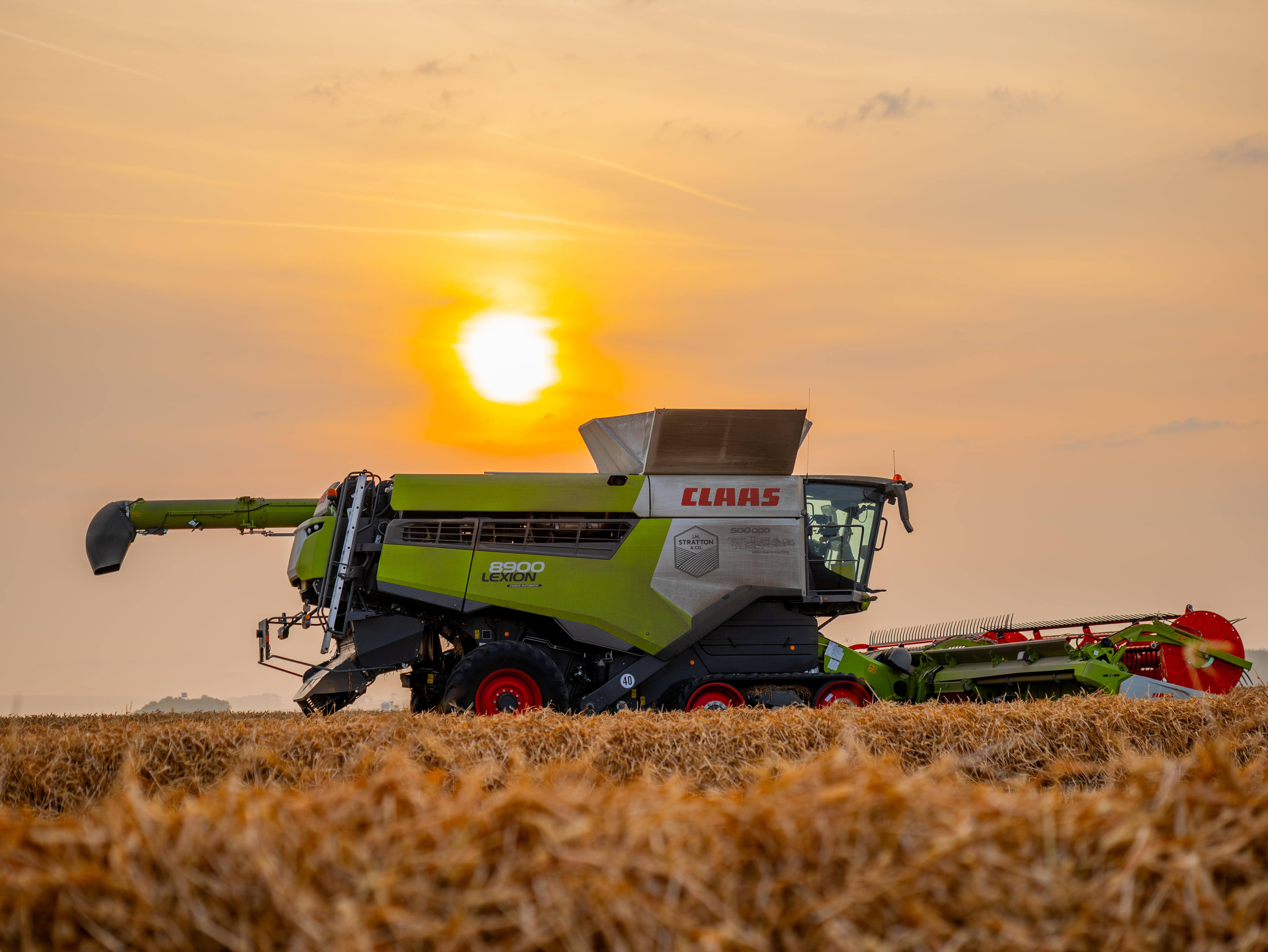
LEXION 8900 - Tom Frampton and Max Busby, J M Stratton, Wiltshire
Agricultural machinery
Digital Solutions
Service & Parts
Experience
Careers
Press
About CLAAS
LEXION 8900 - Tom Frampton and Max Busby, J M Stratton, Wiltshire

LEXION 8900 - Tom Frampton and Max Busby, J M Stratton, Wiltshire

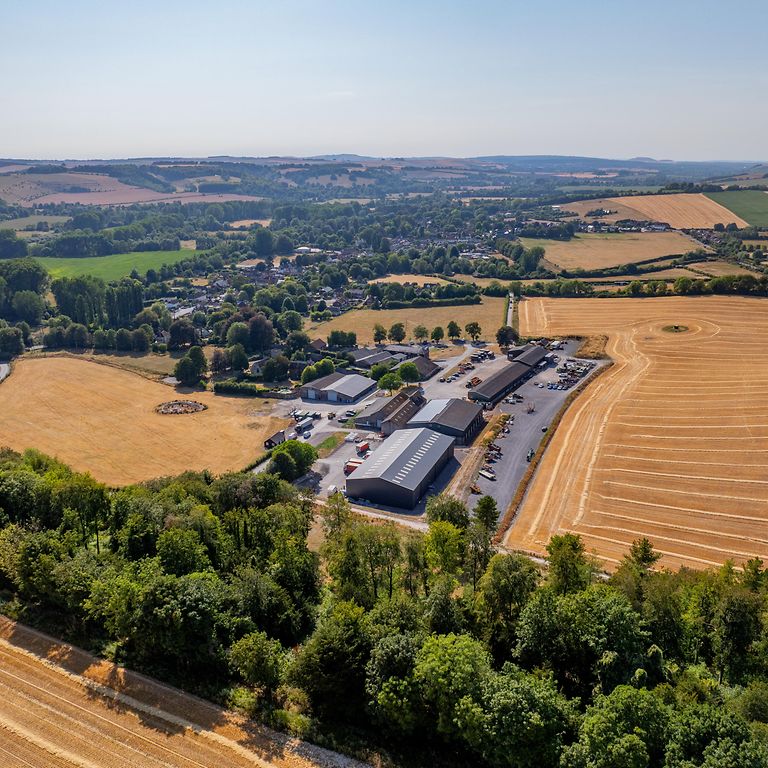
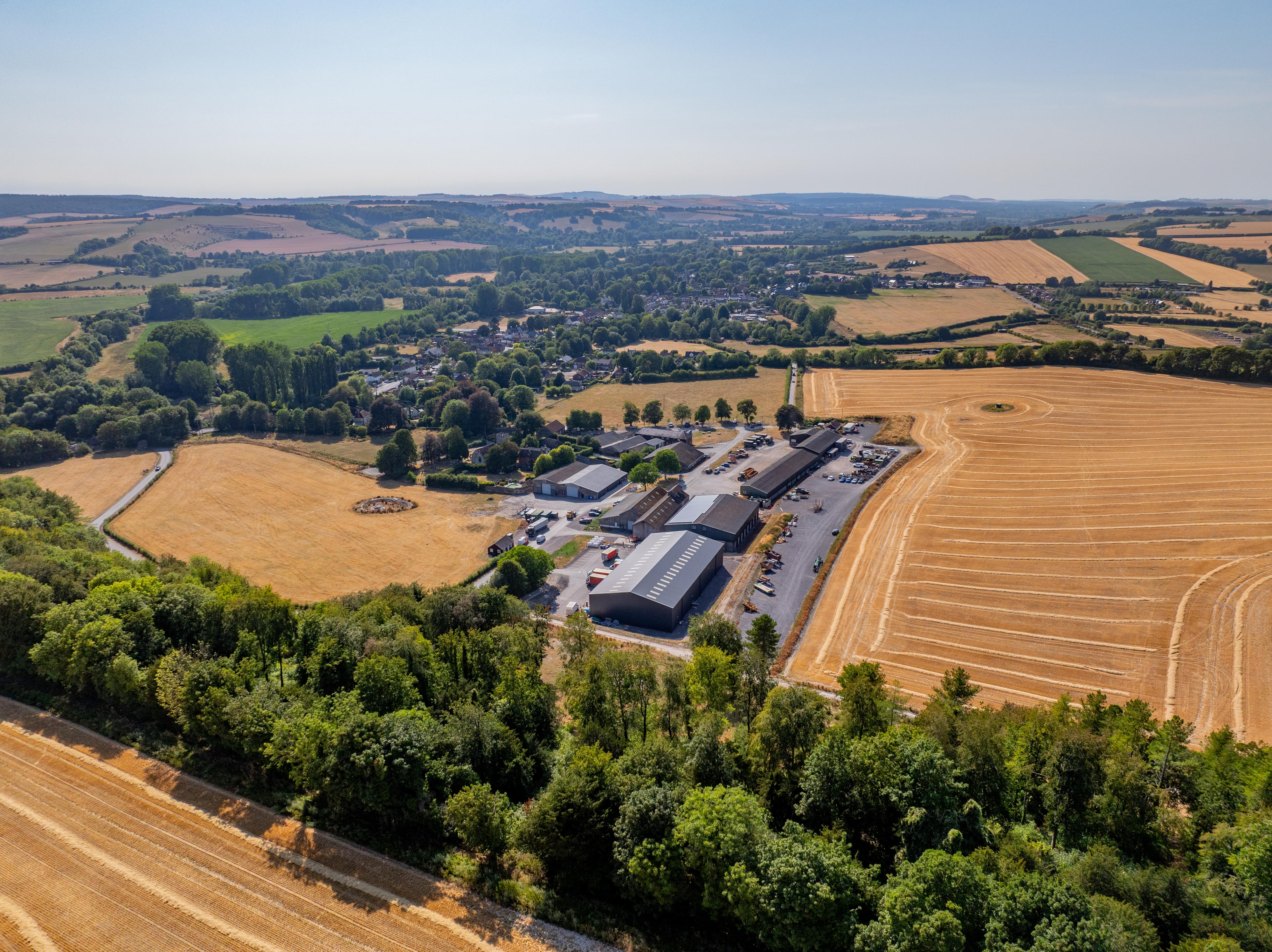
  • JM Stratton & Co.Ltd., near Salisbury, Wiltshire
  • Farmed area: 1820ha (4500acres)
  • Cropping: Winter wheat 454ha (1122acres), winter barley 296ha (731acres), oilseed rape 200ha (494acres), winter oats 190ha (470acres), spring barley 175ha (432acres), peas 99ha (245acres) plus 120ha (296acres) game cover and 286ha (707acres) woodland
  • Livestock: 100-head of store cattle
  • Biogas plant: 3.8mWe food waste-fed anerobic digester
  • Staff: Josh Stratton, Tom Frampton and Max Busby plus another three full-timers

What are the key challenges facing the business?


“The last ten years have seen our inputs prices increasing without any corresponding improvements in commodity prices so we have to be focused on producing added-value crops. Even so, margins are tight and we have to constantly re-adjust what we’re doing to ensure we’re profitable. Changing weather patterns mean the working windows for crop establishment, spraying and harvest are tighter than ever, so we have to have high-output kit to grab the opportunities when they arise. Finding decent, well-motivated staff is an increasing challenge so we have to look at ways of reducing our reliance on labour.”


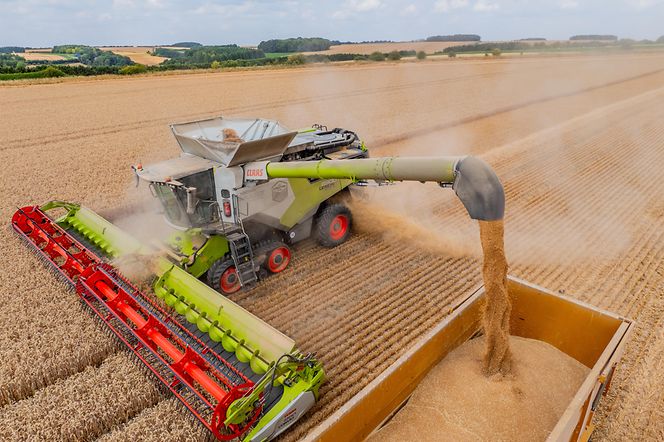
"One of the key areas that has come under close scrutiny in the last few years has been the efficiency of the business’ harvesting operation. Previously running two large rotary combines with a third back-up machine drafted in when required, it had become apparent to the Stratton team that things could be streamlined. With three combines working alongside each other we’d often have six or seven trailers running about which is a logistical nightmare and adds significant cost both in fuel and labour."


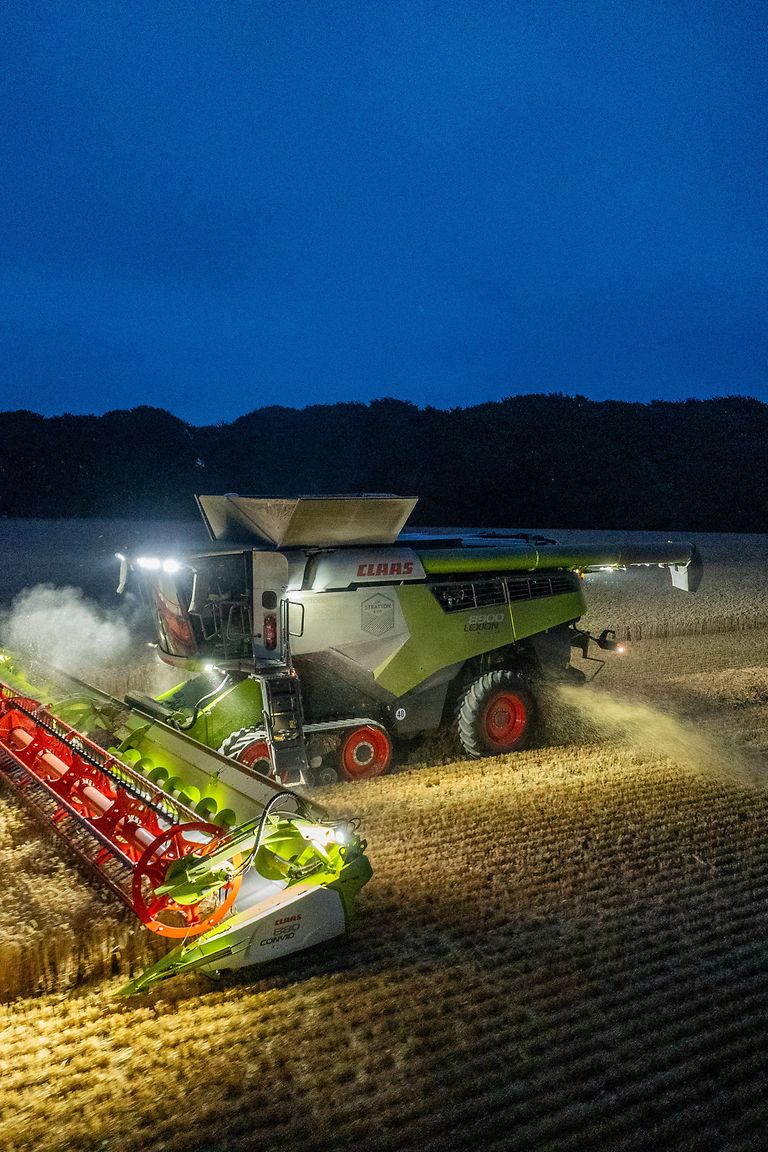
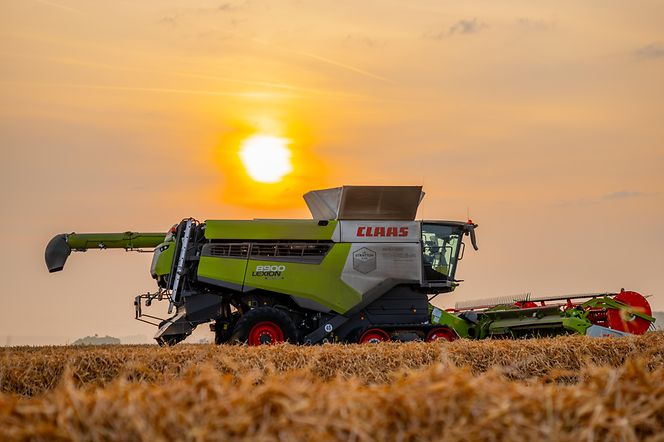
“We knew we needed to move to one high-output machine but had strong reservations about whether it would be sensible to rely on a single combine for our entire acreage. We looked at all the options from all the obvious contenders but there was really only one machine we felt would comfortably do the job - CLAAS’ 8900 LEXION."


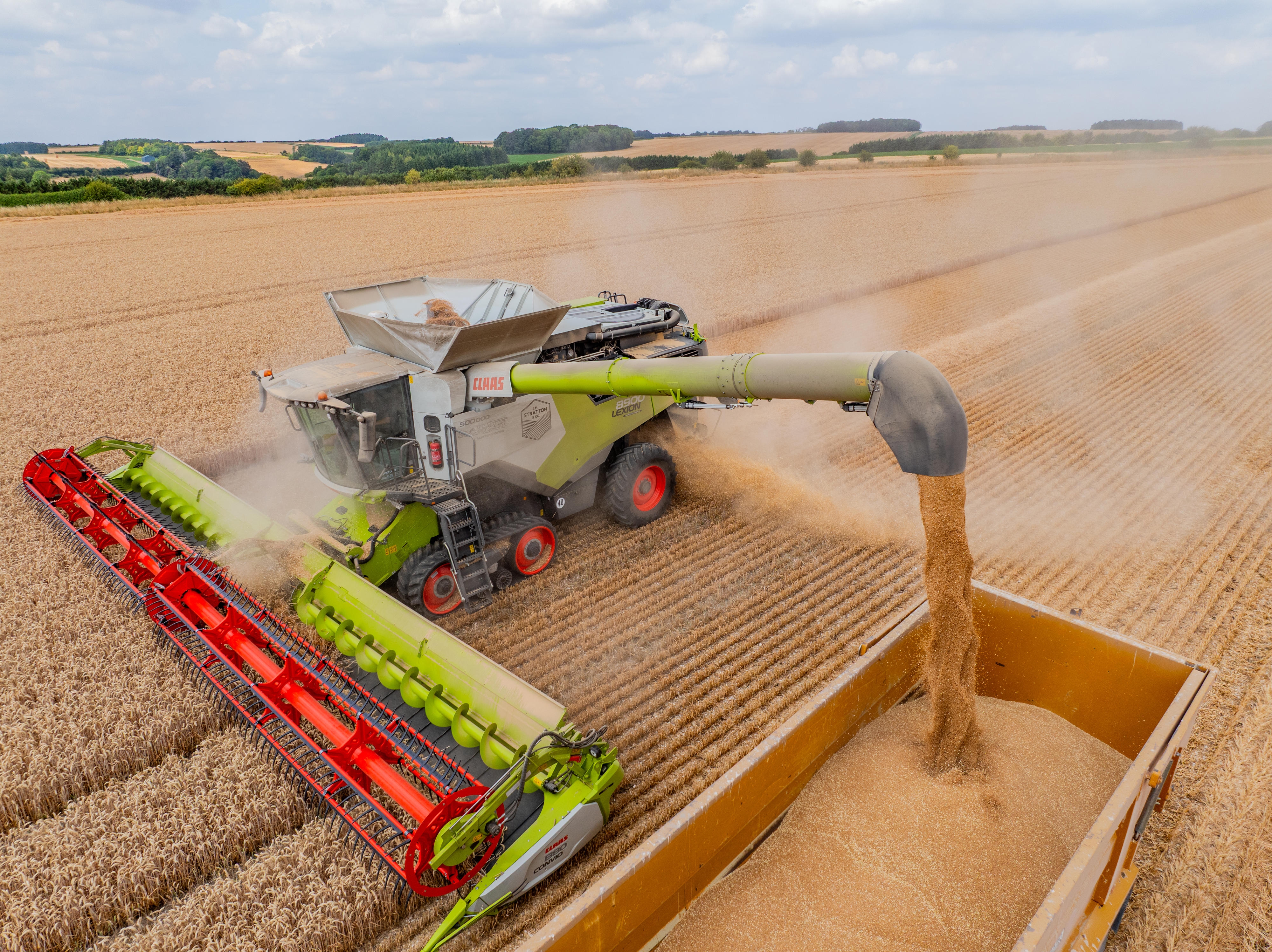
“From our demos we could see it had the capacity but more importantly than that we knew we’d get the back-up from CLAAS should anything go wrong. Critically, given that our decision was based on keeping a lid on costs, CLAAS’ MAXI CARE service package meant we knew exactly what our harvesting costs would be for the next four years. That sealed the deal and we took delivery of our 8900 with 13.7m CONVIO FLEX header just before harvest last year.”
Has the LEXION 8900 delivered in improving harvest efficiency?


“As soon as the 8900 went to work we could see we were gaining from having a simplified operation. Quite often two trailers will keep up, freeing up staff and tractors to get on with clearing bales and getting the ground turned over. The 8900’s capacity for clearing ground is astounding. But what was really startling was how much less fuel it’s using per tonne of grain in the tank. It will burn the same amount of diesel in a day as each of our previous machines but it’s doing double the tonnage. It’s no exaggeration to say we’ve seen our combine fuel bills halved.”

What are these fuel savings down to?

“These latest generation LEXION run incredibly lean which I believe is down to a combination of factors. With a consistent head-first feed from the CONVIO header, the hybrid threshing system is able to separate the grain from the straw more efficiently than a straight rotary. Then you've got CLAAS’ Dynamic Power engine management system working to only deliver the power that’s needed, further curbing diesel consumption."


“Finally, and possibly most significantly, the CEMOS Automatic package keeps the combine running at maximum output with minimal losses all of the time, something even the most experienced operators can’t do. All those features add up to massive savings in the amount of fuel used for every tonne of crop in the shed.”


Why the switch to CLAAS combines?


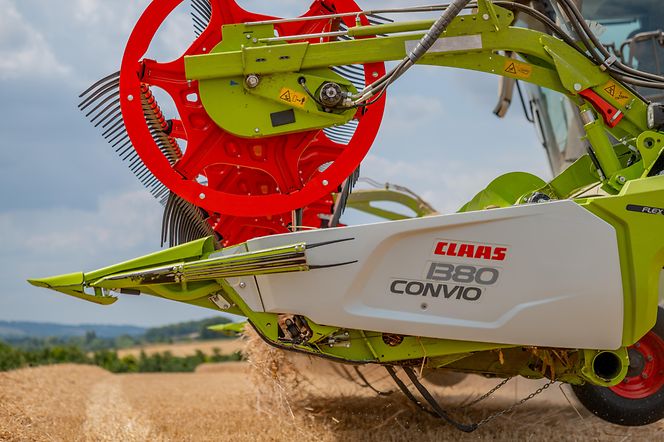
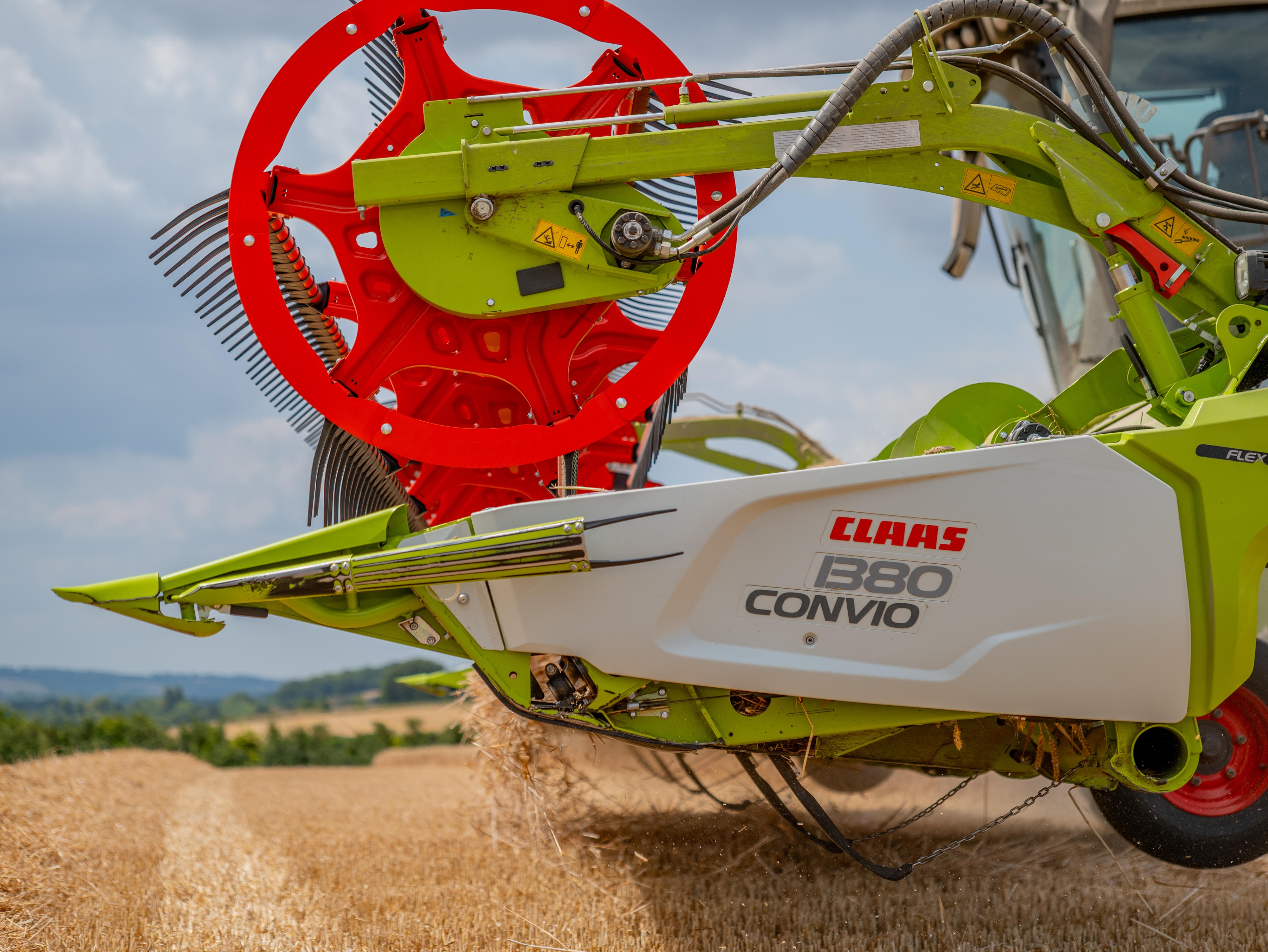
“We wanted to go as wide as we possibly could with the new combine’s header, but we also needed to know it would deal with our undulating ground. The CONVIO FLEX immediately proved itself to us in our first demo. Despite being 13.7m wide, it was able to scoop up flat spring barley no trouble. We’ve previously run flex draper headers and know the benefits they can bring, particularly when you’ve got laid or brackled over crops."


“There’s no doubt they cost more to run than a standard header but that expense is a price worth paying when you consider the additional output you gain. As well as gaining extra hours by ensuring the crop will continue to feed when things start to get damp, the flow of material to the threshing gear is so much more consistent and the combine runs that much smoother and more efficiently.”

What are the key features that make it so easy to operate?


“Having GPS steering on a machine of this size is a must. You can be missing just a few inches of crop with each pass and that adds up to a lot of wasted output over a season. This latest CLAAS system is fantastic. I particularly like the fact that it’s so simple to set up each field. You just drive your first lap of the headland, and the computer records the boundary without any input from me."


“The really big benefit comes with CEMOS. Constantly monitoring and adjusting virtually every function on the machine, it means we’re always getting maximum output with minimal losses and the best quality sample. To begin with I was tweaking various settings to see if I could get even more out of it but the truth is that you just can’t beat it. The combination of the CEMOS system and the CONVIO FLEX header means the threshing gear is always kept full which it seems to like. It’s got an unbelievable appetite. It’s comfortably clearing the acreage that our two previous machines were covering.”

Why CLAAS?


“We’ve run CLAAS combines in the past and know that they’re some of the best built machines on the market. Critically we know we’ll get the back-up from the team at CLAAS WESTERN. They are simply brilliant - you can’t fault the people or the product. Ultimately the 8900 was the only combine on the market that we felt confident in to single-handedly clear our acreage. It has certainly proved that and as well as slashing our harvesting costs, its output means we have peace of mind, safe in the knowledge it’ll manage to get everything done even in a tricky season. That’s critical in ensuring we can meet the quality requirements of our customers and therefore achieve premium prices.”

View from the seat


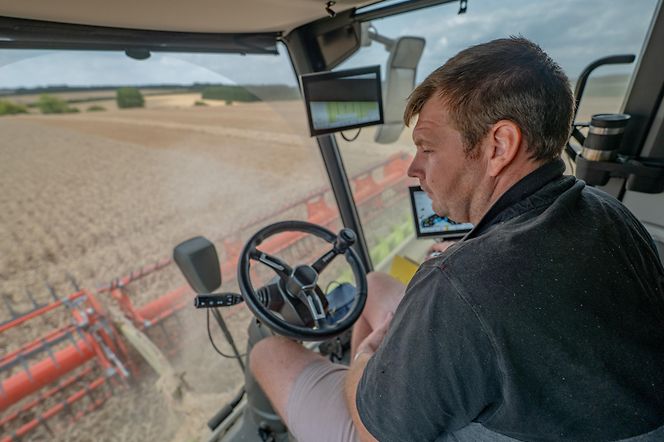
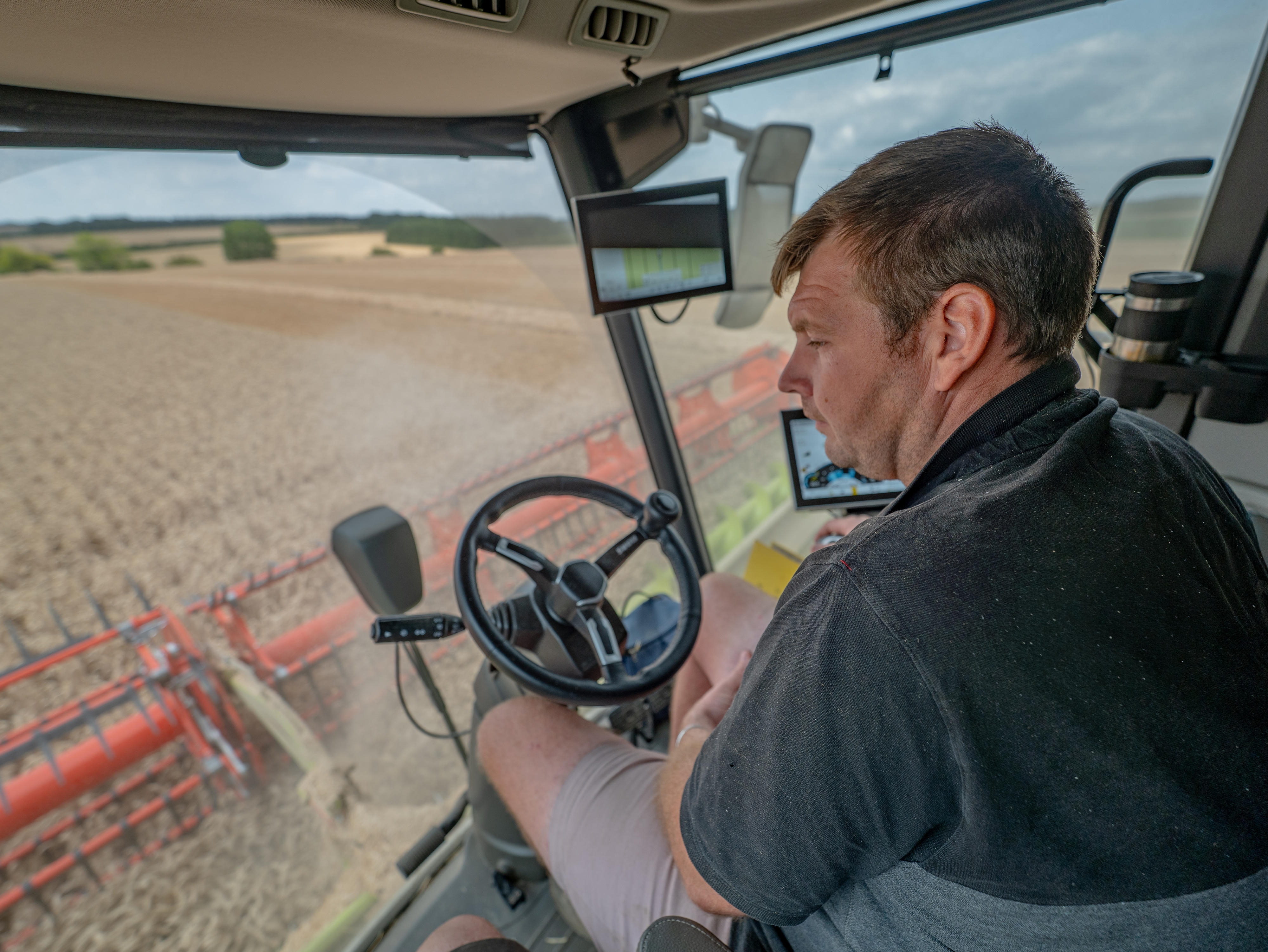
“Until two years ago I had never driven a combine so being given the responsibility of running the 8900 was pretty daunting,” explains operator Max Busby.


“Surprisingly it wasn’t as much of a challenge as I had expected. The LEXION is so packed with automated driver aids so I was pretty much able to jump in the seat and get going. That said, I did have some really good training from the team at CLAAS WESTERN in Frome.”