JAGUAR 1100 - Richard Metcalfe & Ross Thwaites, Yorkshire
Agricultural machinery
Digital Solutions
Service & Parts
Experience
Careers
Press
About CLAAS
JAGUAR 1100 - Richard Metcalfe & Ross Thwaites, Yorkshire

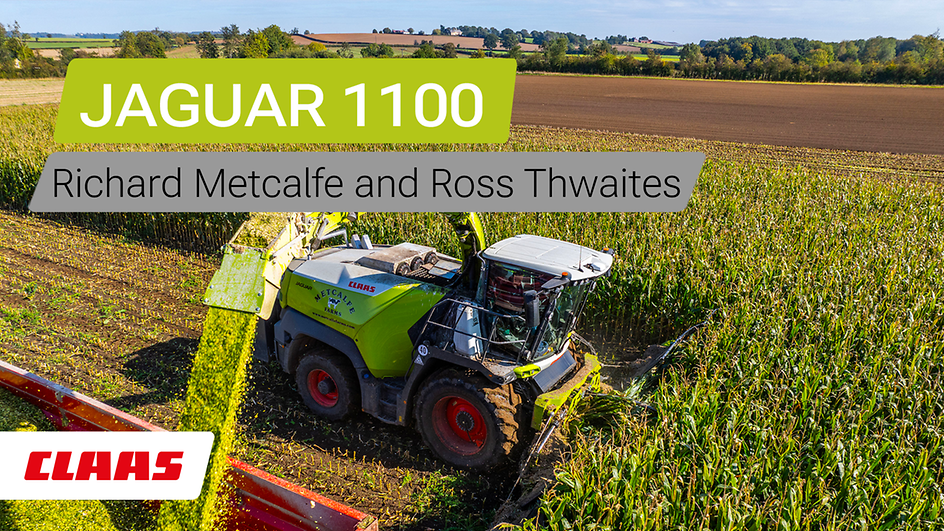
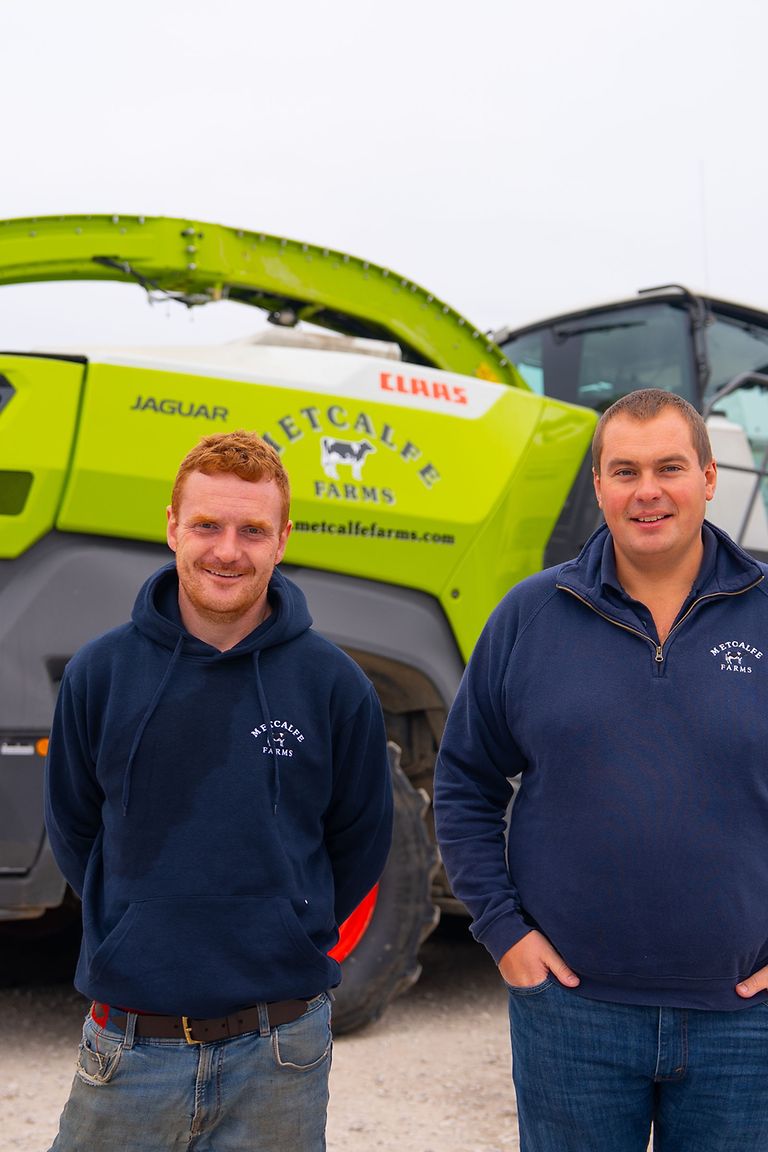
JAGUAR 1100 : Richard Metcalfe and Ross Thwaites

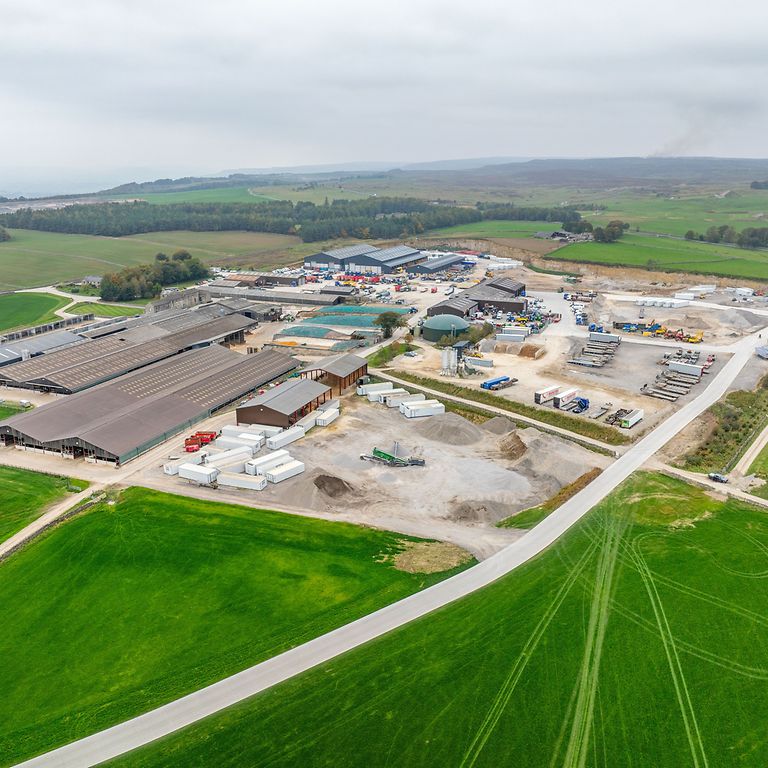
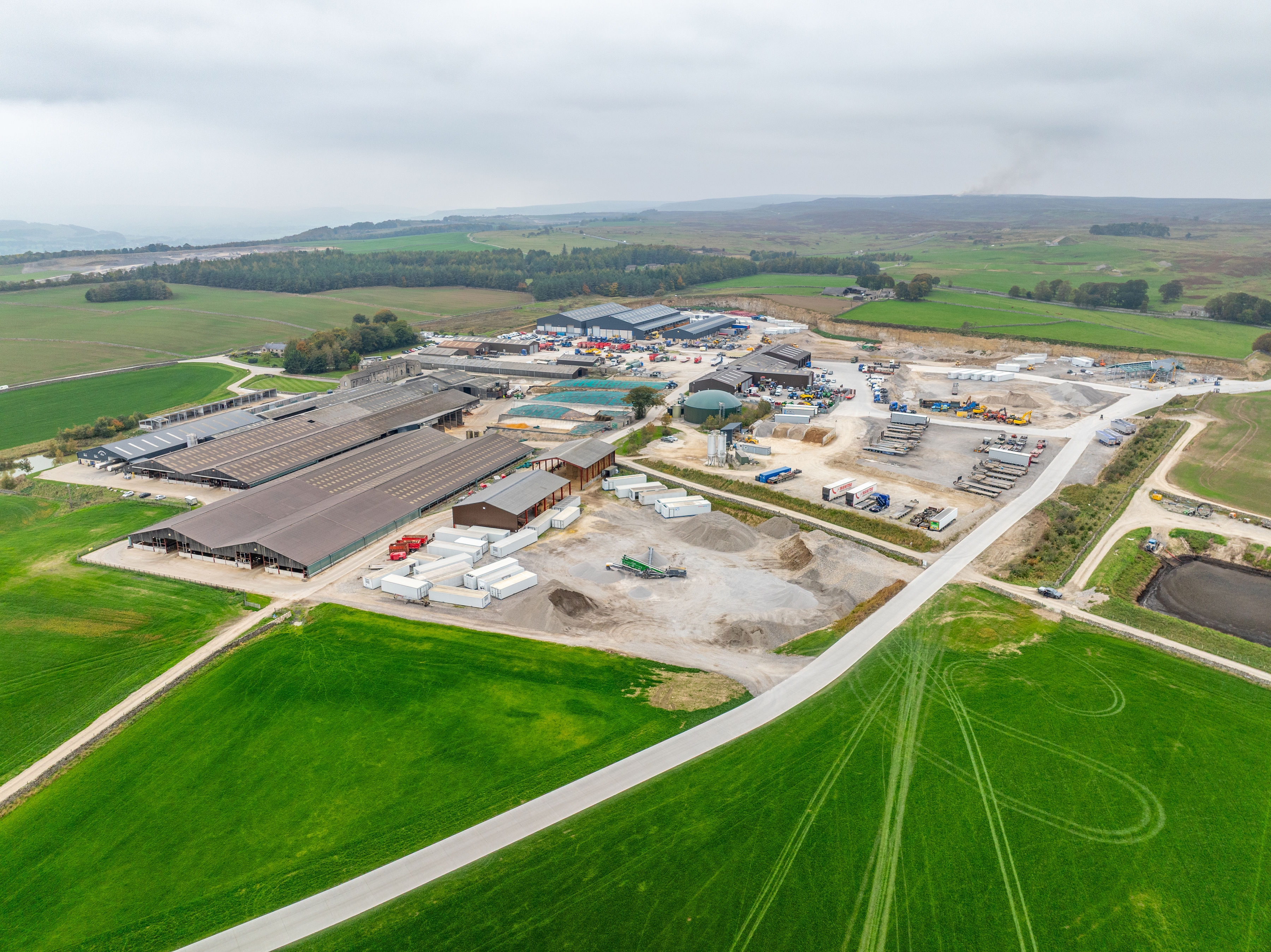
  • Metcalfe Farms, North Yorkshire
  • Farmed area 2145ha (5300acres)
  • Cropping Winter wheat 356ha (880acres), Winter barley 85ha (210acres), OSR 69ha (170acre), grass leys 485ha (1200acres) plus 1149ha (2840acres) of moorland and rough grazing.
  • Stock : 1300 Holstein milkers averaging 12,500-litres /year plus 800 followers
  • Biogas plant: 350kW anerobic digester
  • Silage work:   Grass 6475ha (16,000acres), Wholecrop 607ha (1500acres) and Maize  607ha (1500acres)
  • JAGUAR history : Been operating JAGUARS since 1995

Getting big acreages of crop chopped in tight weather windows has become an increasing challenge for Yorkshire farming and contracting outfit Metcalfe Farms. With 2100 head of cattle of its own to feed and a further 6000-7000ha of silage work for its customers, the business’ three forage harvesters are kept fairly busy throughout the growing season.


Previously running two JAGUAR 990s and a 980, at times the operation could get pretty stretched, especially when the weather threatened to close in peak season. So when the opportunity came up last year to increase output with one of CLAAS’ pre-production 1000-series JAGUARs, the Metcalfes jumped at the chance.


“As something of an insurance measure against increasingly challenging weather patterns, we generally tend to opt for the biggest forager on offer,” explains Richard Metcalfe.


“The logistics of running three silage gangs at once can be a bit of a challenge so we’re keen to look at ways of going back to two teams for the majority of the season. The only realistic way of doing that is by going bigger. With its wider crop channel and of course extra horsepower, the new JAGUAR looked like it could meet the challenge.”


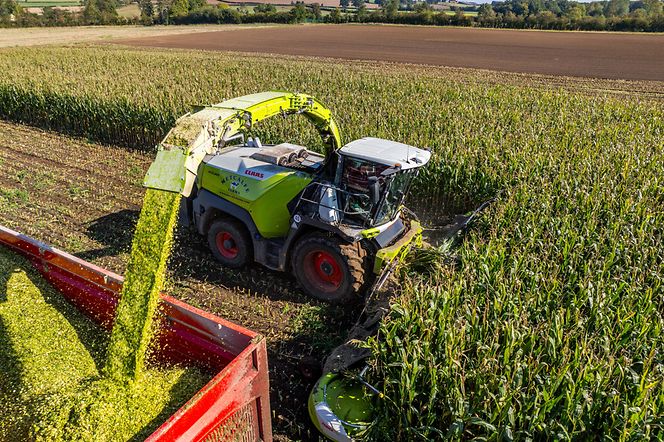
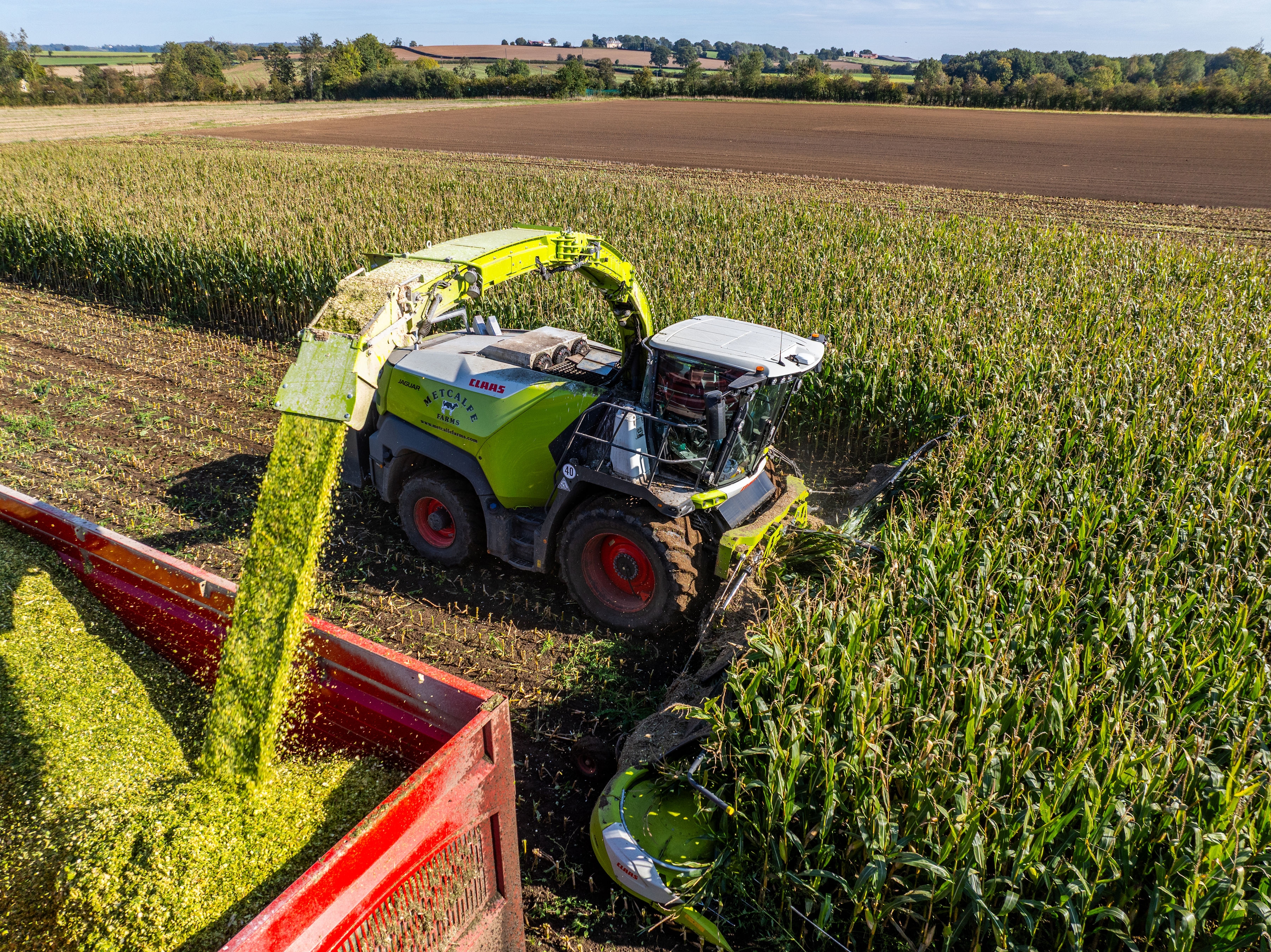
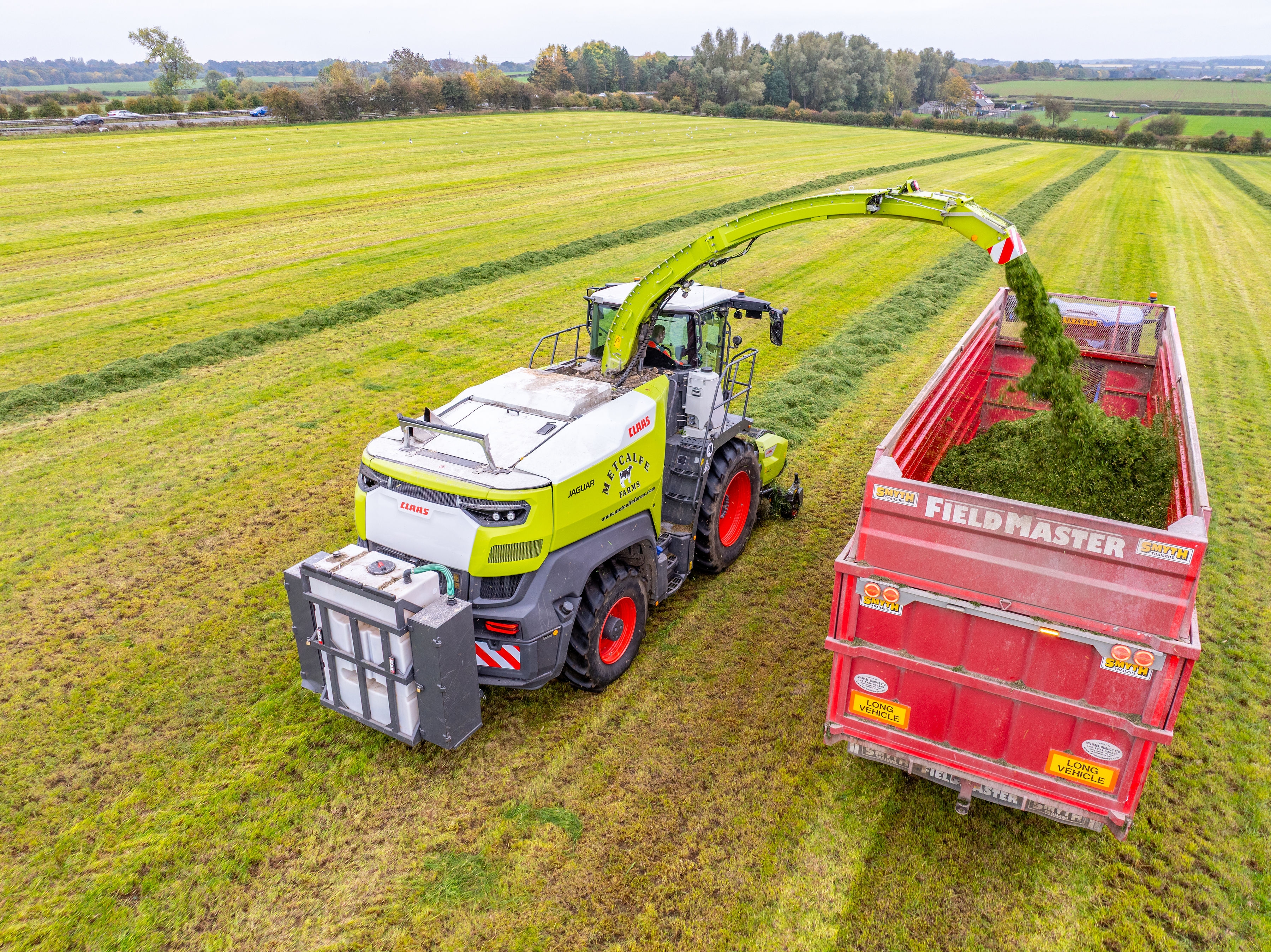
So early last season a JAGUAR 1100 arrived in the yard at Metcalfe Farms. With a 1020hp V12 engine under the hood and a 21% wider crop channel than previous models it had the potential to significantly increase output.
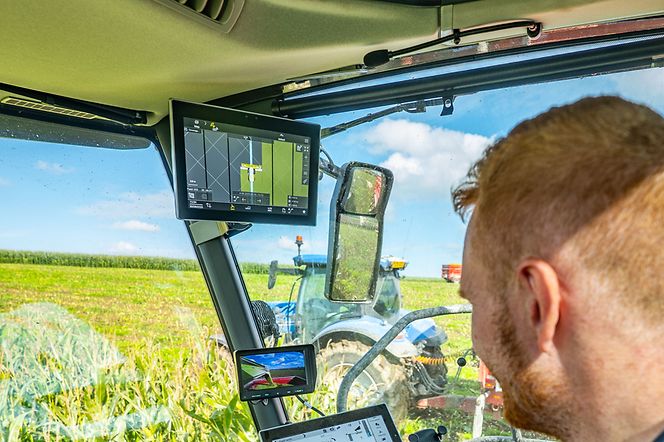
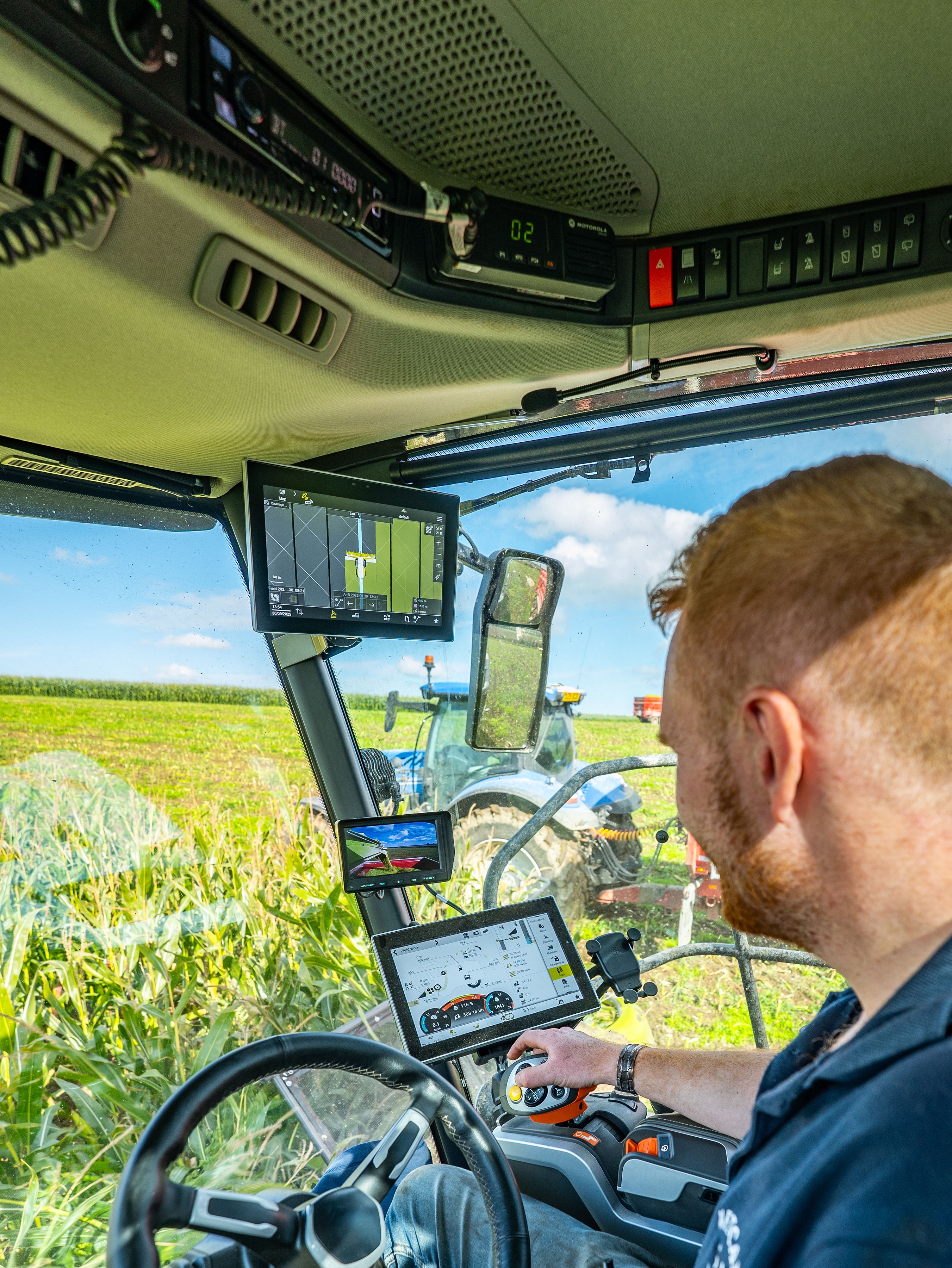
How has the JAGUAR 1100 performed?


“We have been blown away by the capacity of the new machine. At the backend of last maize season it was comfortably chewing through 350-370 tonnes an hour while the 990s’ hourly throughput was well under 300 tonnes.


“While the output was impressive, what was more remarkable was its fuel usage. Despite the bigger engine it averaged about 10% less diesel per tonne across the entire season.


“I’m convinced that’s all down to the wider crop channel and improved feed roller set-up. Having hydraulic pre-compression on both sets of rollers means the mat of crop going into the drum is so much more consistent so you don’t get that horrible surging effect in lumpy swaths of grass. A constant, even engine load makes for a more efficient set-up overall. 


“Of course the wider rollers, shearbar and drum mean the machine can handle more volume at the front end but often on the 990s the blower and spout could be the bottleneck. Beefing up everything all the way through means it’s like having a 990 on steroids.”


Why CLAAS?

“Personally I believe that JAGUAR forage harvesters are the best machines for the job we do. But more important than that is the back-up we receive from our dealer CLAAS Eastern.


“Their mechanics are really very good – they will get us back up and running as swiftly as possible even if it means working right through the night. On the rare occasions that the parts aren’t available we know CLAAS will move heaven and earth to get them to us – the longest we’ll ever have to wait is 24 hours.


“Even then we know we’ll be able to keep going because there’s always a back-up machine in Eastern’s yard for us to borrow.”

Chop quality

“Judging by what ends up in the clamp, the new 24-knife V-Flex cylinder seems to have done decent job this season. With a big chunk of our workload now for biogas plants we need to be able to get down to 6-8mm and the new drum is able to achieve that consistently. Equally we can go up over 20mm for our dairy customers that want it that bit longer,” says operator Ross Thwaites.


“I like the way it’s been designed to better cope with foreign objects going through the machine. We were fortunate enough not to swallow anything nasty last season so we haven’t had to put it to test as yet.


“In a big part that’s down to the reliability of CLAAS’ Stop Rock system. The new version has so much more adjustment so I can tweak it to suit the conditions - that’s important given the amount of stony ground we cover.


“The V-Flex knives seem to last that bit better too. In 800 hours we put two sets on last season whereas with the 990 we’d have got through three lots in that time.”


Pick-up


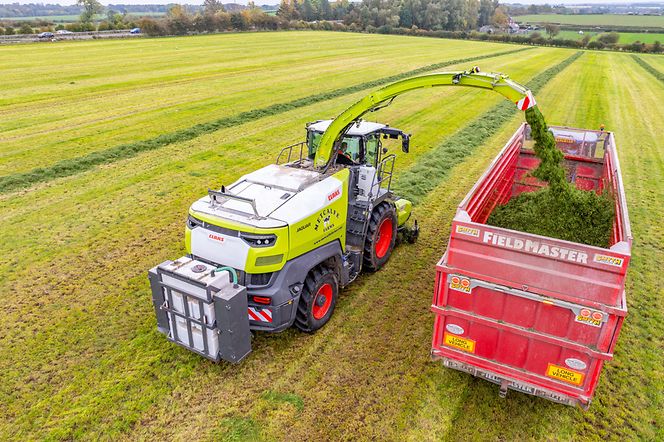
“Forager output isn’t all about chopping capacity. Often it’s how the crop is fed into the machine that makes the difference. On that front the new grass pick-up has transformed things.


“By doing away with slip clutches CLAAS has massively improved the pick-up’s performance and reduced our downtime. Even in the chewiest swaths of tedded, knotty grass the hydraulic relief valves don’t give out – the pick-up just keeps shoving crop in to the feed rollers. It’s clearly been built to take the load.”

Under pressure


“Being located in the Yorkshire Dales we have some pretty serious slopes to deal with at times. Having central tyre inflation on our foragers is essential – we need all the traction we can get.”

QUANTIMETER

“We’ve had CLAAS’ QUANTIMETER yield monitoring system on our foragers for a number of years. It’s really useful in giving us a good idea of exactly what we’ve got in the clamps for our own cows and our customers’,” says Richard.


“The accuracy of the QUANTIMETER set-up means we can precisely work out exactly what each tonne is costing us to chop whether in light or heavy crops.”


Will you have another JAGUAR 1100?


“When the 1100 is on song you can tell it has huge potential. Its sheer appetite suggests that it could give us the option to go back to just two silage gangs which would significantly help us to streamline our operation. 


“That combination of the improved pick-up, the more consistent feed, the wider crop channel and of course the extra horsepower is going to take some beating. Having taken all those factors into account, we’ve now placed an order for a second JAGUAR 1100.”