New suppliers are carefully vetted.
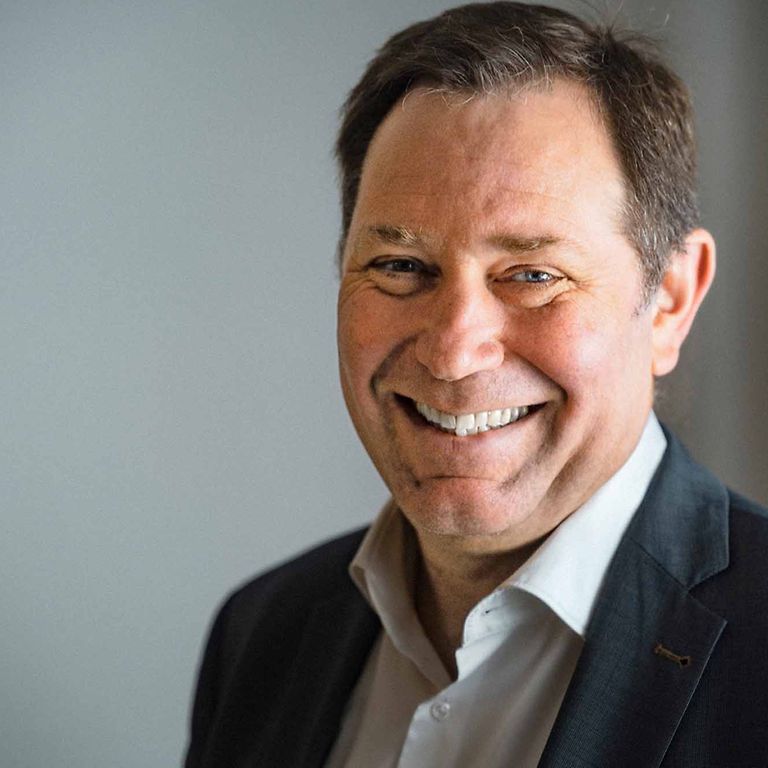
The same is true of quality management, which is firmly embedded in every site as a dedicated function. The QM bosses report both within the matrix function and to Peter Schonefeld in the corporate function. He is Senior Director Corporate Quality & CLAAS Excellence System and is based in Harsewinkel.
But it's not about issuing unilateral instructions. "We work together across all our locations", stresses Schonefeld. The quality managers regularly speak to one another, agree targets relating to supplier performance, for example, or work together on quality-related projects.
When one factory is planning to produce a new product or feature, they select the necessary processes – incoming goods inspections or quality checks along the assembly line, for example – from a group-wide process landscape.
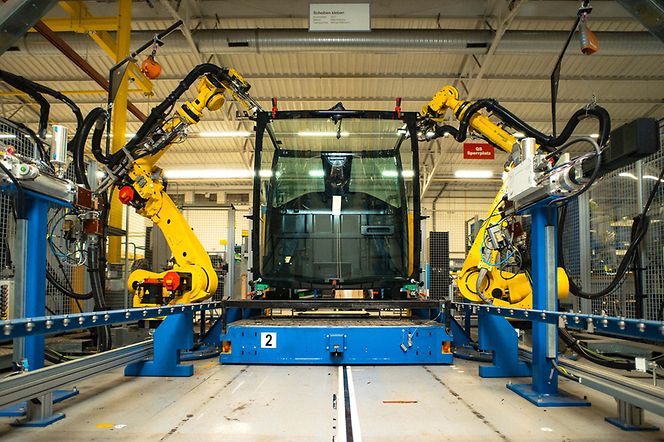
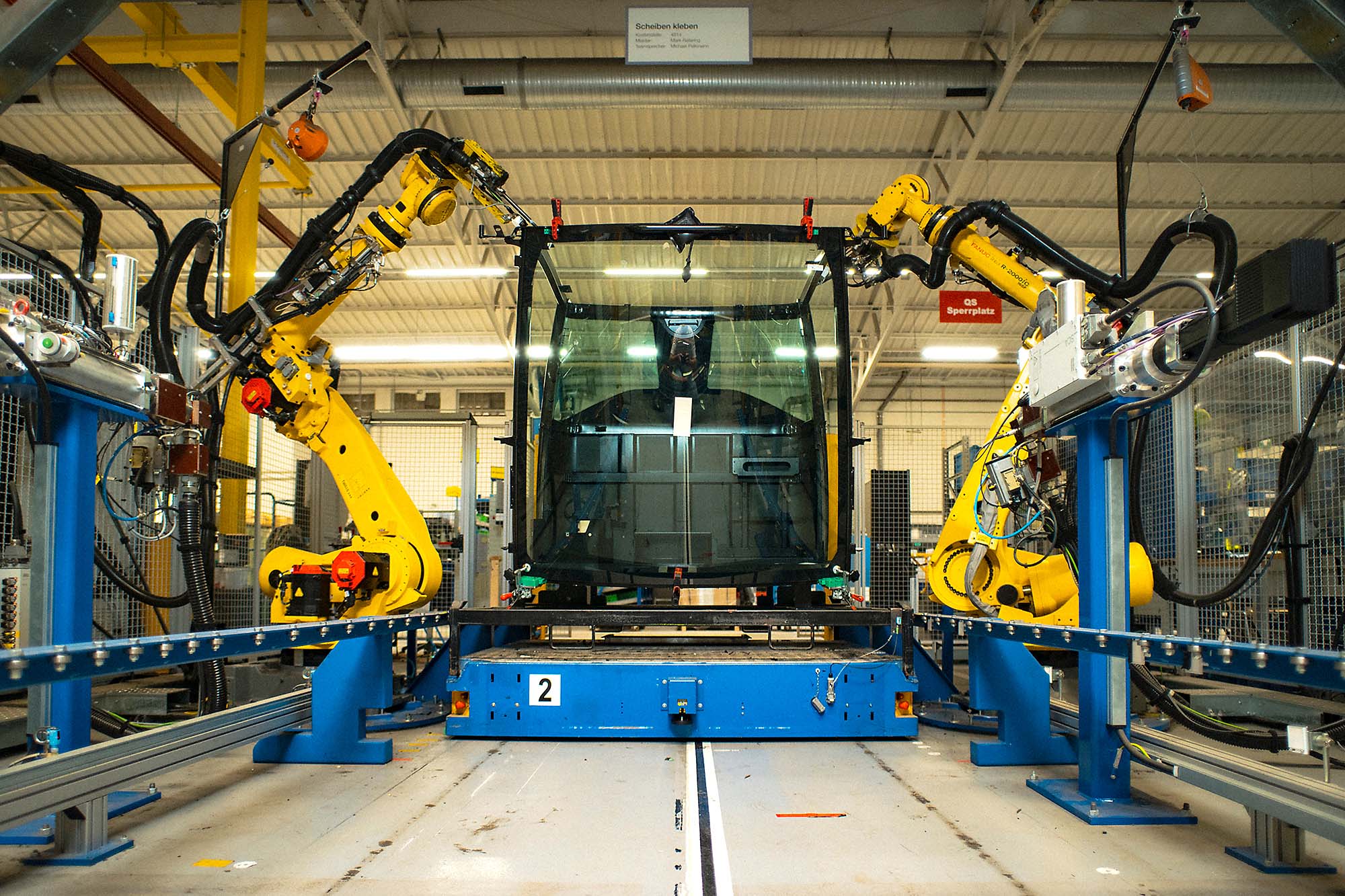
CLAAS also has standard procedures in place worldwide for checking suppliers. New suppliers are vetted as part of a comprehensive auditing process which involves assessing their technological expertise, supplier stability and financial figures.
The quality management departments at the various plants also cooperate during production. If deviations occur at one production plant which exceed a few parts per million, the QM managers agree internally who is to do the troubleshooting with the supplier.
Reciprocal visits.
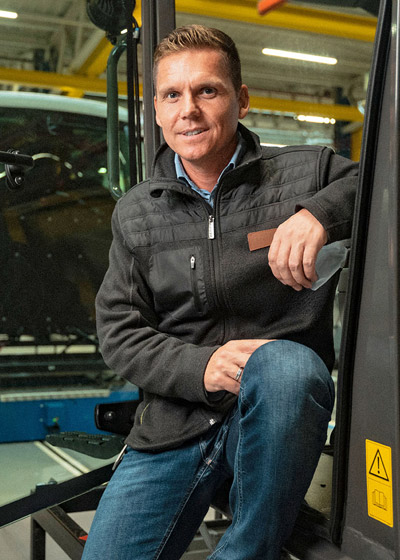
Consistently outstanding products – that is the objective of the test engineering department under Stephan Dohmann. His department is responsible for working out the routines for testing machines at our locations all around the world. "Our challenge is to ensure that a machine in Harsewinkel is commissioned in almost exactly the same way as in Omaha, for example", explains Stephan Dohmann.
Test engineers at the different plants work with the test engineering centre in Harsewinkel to determine how a certain product should be tested and which hard- and software should be used.
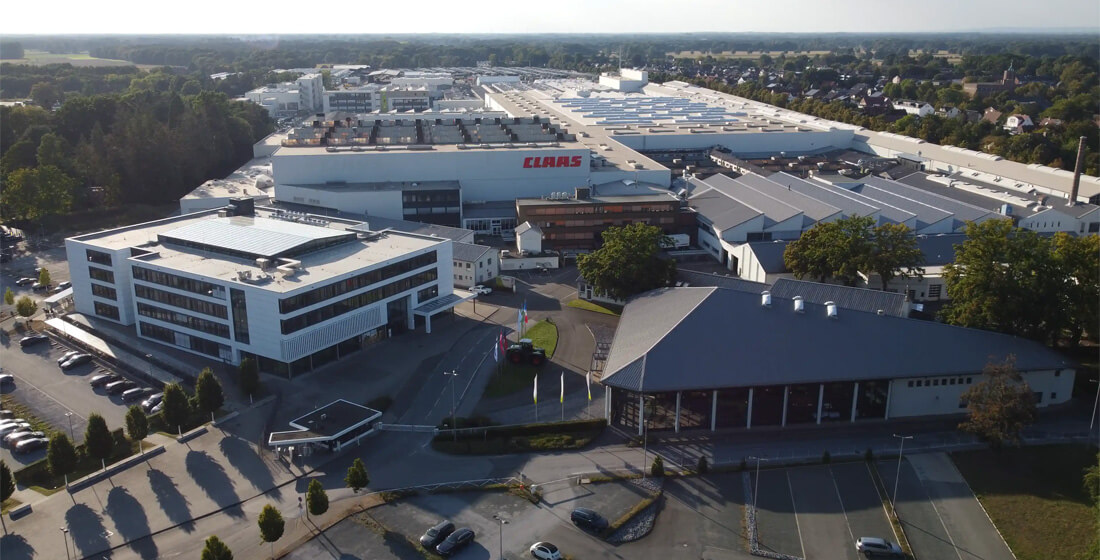
In addition, specialist test engineers from Harsewinkel regularly visit our international locations to see how they operate and to exchange ideas with their colleagues. By the same token, test engineers from other production plants visit the CLAAS headquarters from time to time to keep abreast of changes to test engineering and commissioning procedures at Harsewinkel.
"The basic configuration of the test equipment still happens here in Harsewinkel in most cases", says Dohmann.