Products
Smart Farming
Service & Parts
Discover CLAAS
Career
Press
About CLAAS

Winter 2026 Edition


Harvest Times opens the year with a clear message: Momentum Matters. From a forage harvester that is already setting world records and winning global awards, to new investments, leadership and programs designed to strengthen every CLAAS owner’s experience, this issue showcases how performance, innovation and commitment come together in the field. Together, these stories set the tone for a strong start to 2026—and a future focused on helping farmers do more with confidence. 


Read the entire issue or jump to the articles that pique your interest.

JAGUAR 1000 Breaks Barriers

Records set. Awards won. Confidence earned in the field.

The new CLAAS JAGUAR 1000 series has arrived with momentum few machines ever achieve. From an exclusive preview launch in California to world-stage recognition at Agritechnica and real-world proof from North American custom harvesters, the JAGUAR 1000 is already redefining what one forage harvester can deliver.

From California Fields to a Global Stage


The JAGUAR 1000 story began in August with a preview launch event in California, where select customers, dealers and industry partners saw the machine operate under real harvesting conditions. The focus was clear: throughput, efficiency and operator confidence. Early reactions centered on how composed the machine felt under load, how smoothly crop flowed through the widest crop channel on the market, and how much work could be done in less time.


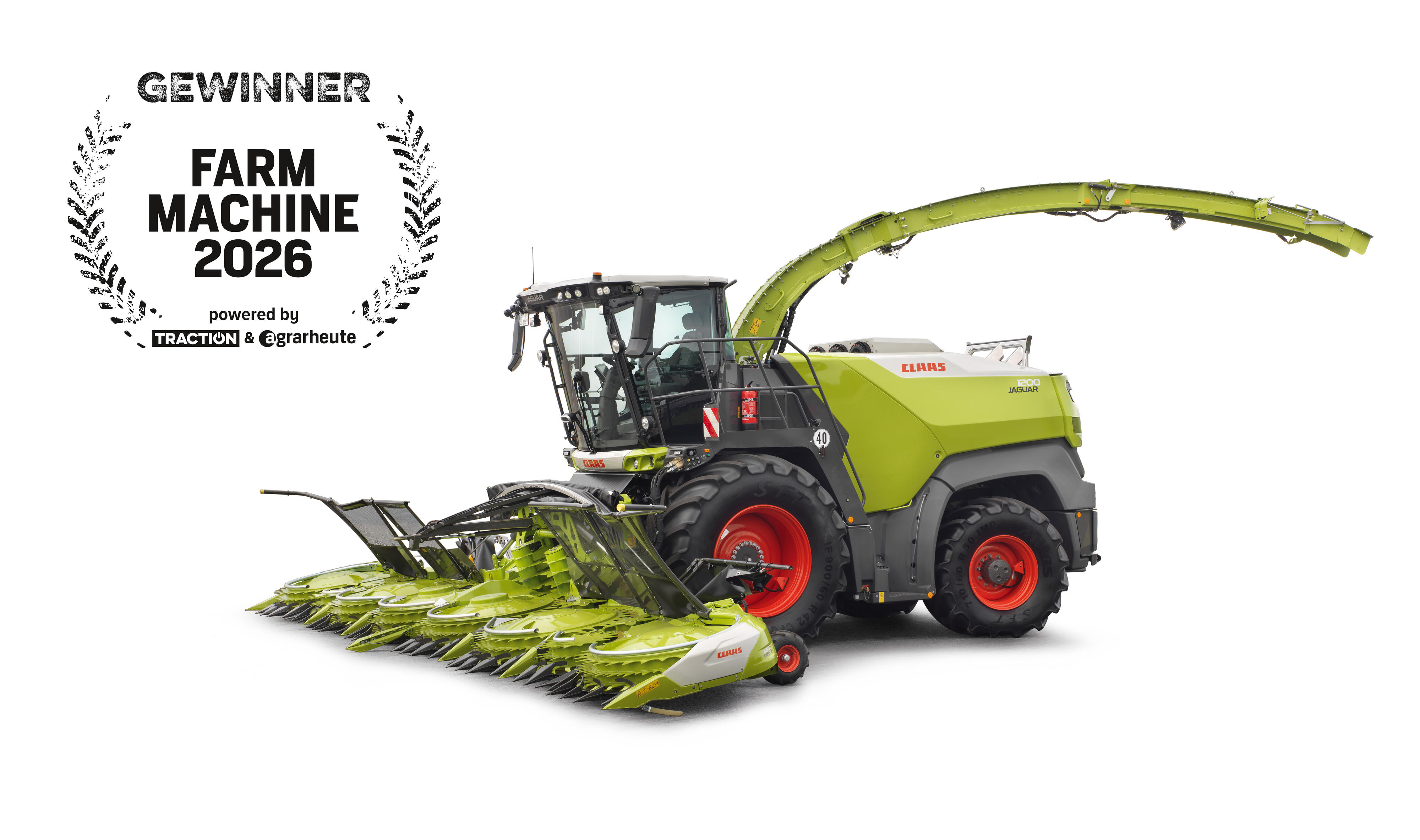
That momentum carried straight to Agritechnica, the world’s leading agricultural technology show. There, the JAGUAR 1200 — the flagship model of the JAGUAR 1000 series — took center stage during its first major public launch. In front of an international audience, CLAAS received two of the industry’s most respected honors: the FARM MACHINE Award for the JAGUAR 1200 and a second FARM MACHINE Award for CEMOS AUTO CHOPPING. Both had already earned silver Agritechnica Innovation Awards, underscoring that the technology isn’t just powerful — it’s genuinely new.


For North American customers, these awards matter because they validate what was already seen in the field: the JAGUAR 1000 isn’t an incremental update. It’s a step change in forage harvesting capability.
Record-Setting Performance, Proven Under Pressure


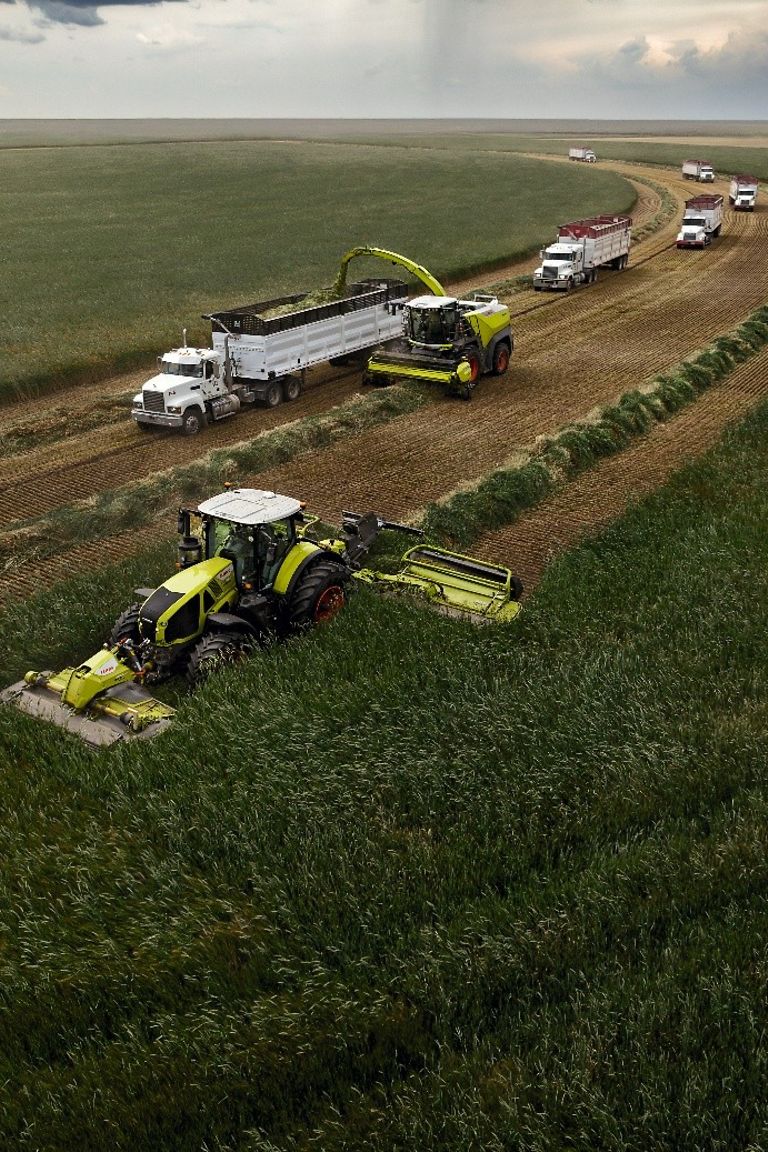
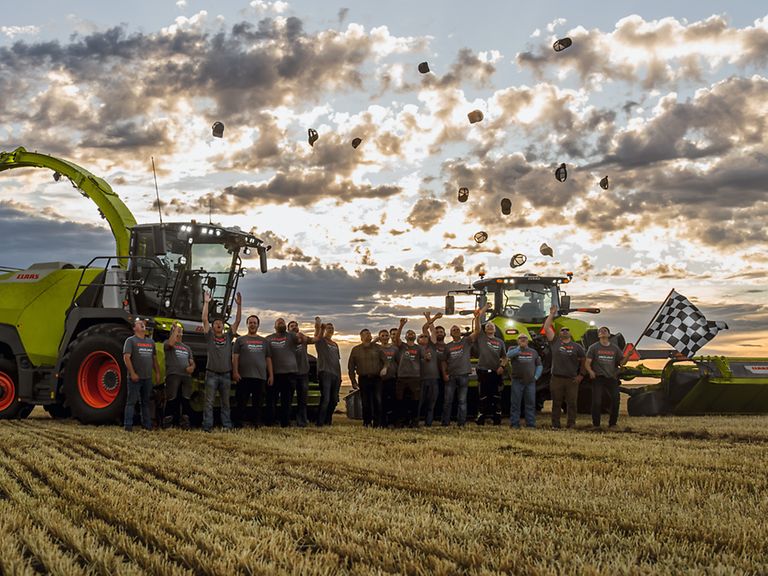
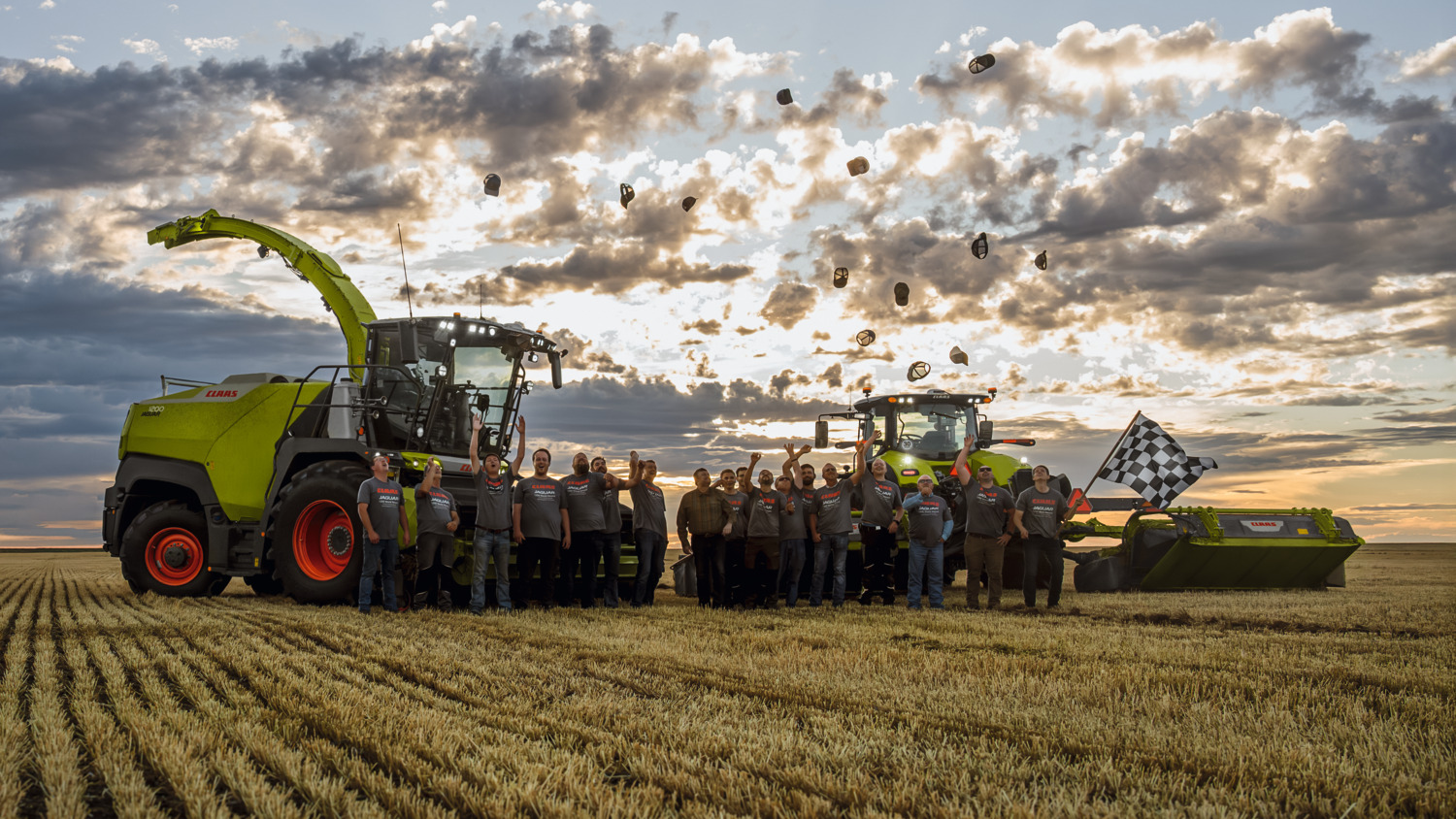
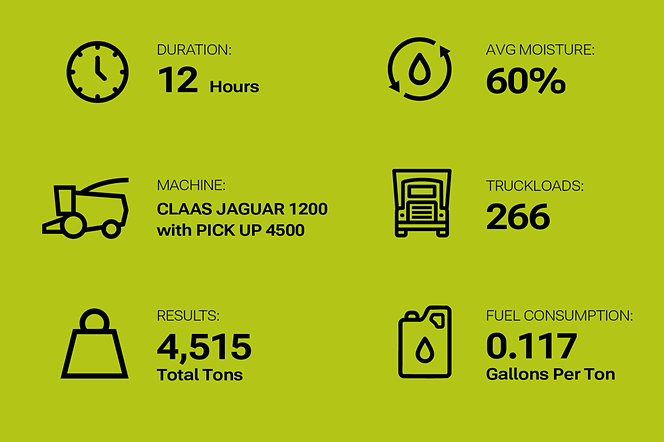
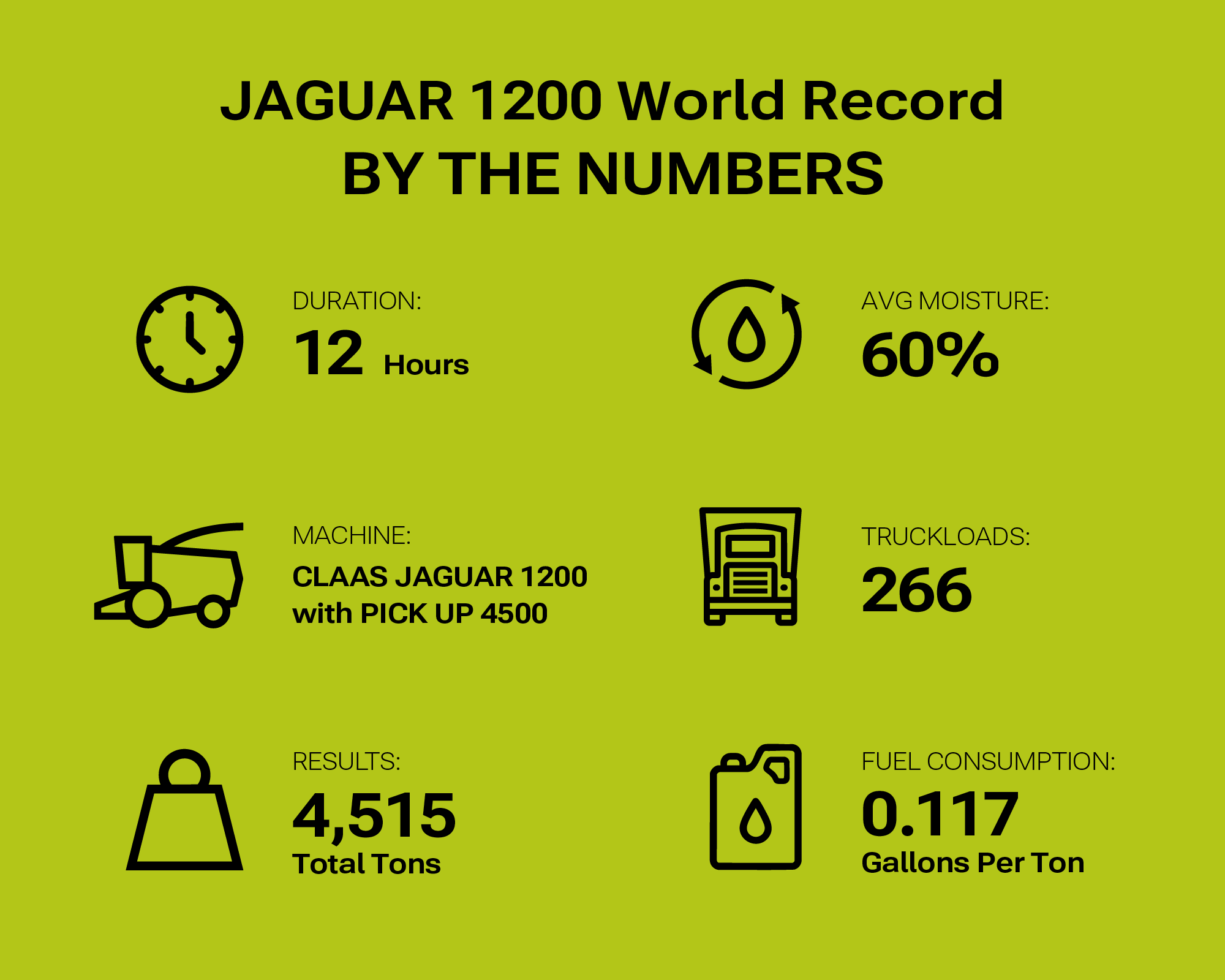
Just weeks before Agritechnica, the JAGUAR 1200 delivered proof that grabbed global attention. In June, the machine set a new official world record, harvesting 4,515 tons of whole crop wheatlage in 12 hours near Dalhart, Texas — more than doubling the previous record set in 2001.


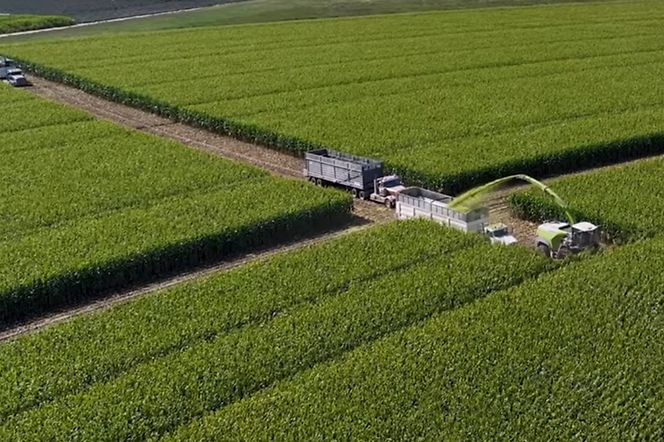
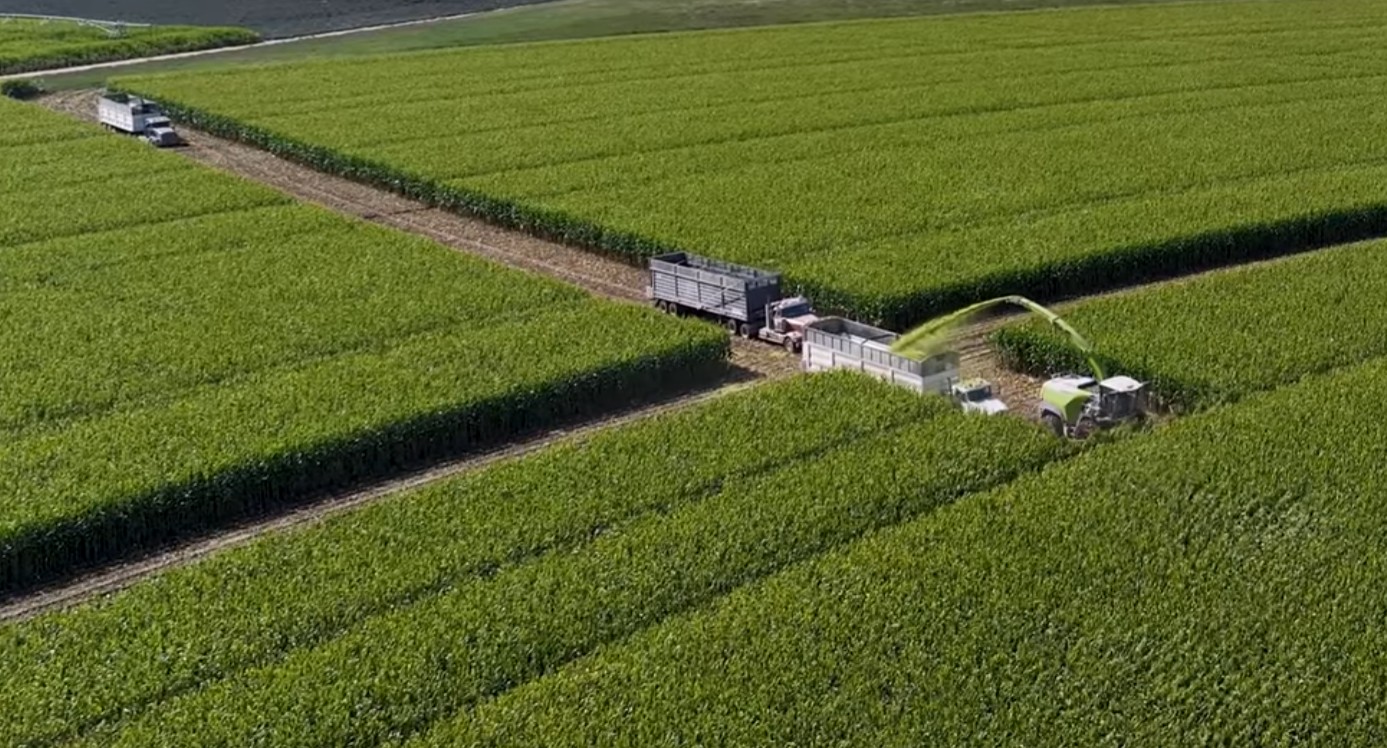
The conditions were real. The clock ran nonstop. The crop was harvested at production chop length. With CEMOS AUTO PERFORMANCE, AUTO FILL and GPS PILOT engaged, the JAGUAR 1200 filled a truck every 2 minutes and 42 seconds while consuming just 0.117 gallons of fuel per ton. The new NUTRIMETER delivered real-time dry matter readings that closely matched certified scale measurements, reinforcing confidence in both performance and precision.


This wasn’t a lab test. It was a full day in the field, designed to answer one question: how much margin can one machine give an operator when time, weather and acres all matter?


Watch the record-setting performance here: https://youtu.be/702GfXg1S8w?si=ZnJddd73xApkjnOg

Real Voices from Real Operations


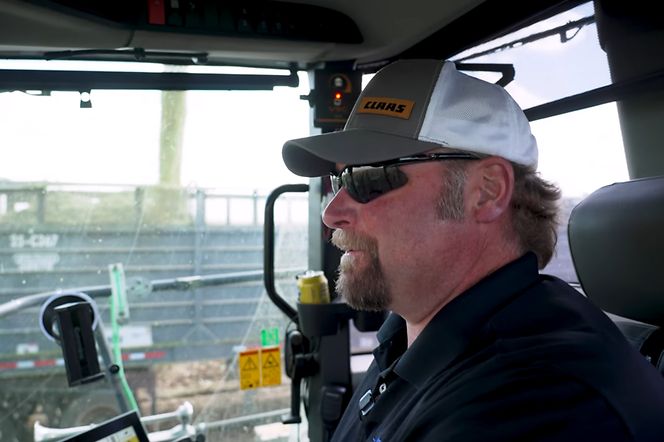
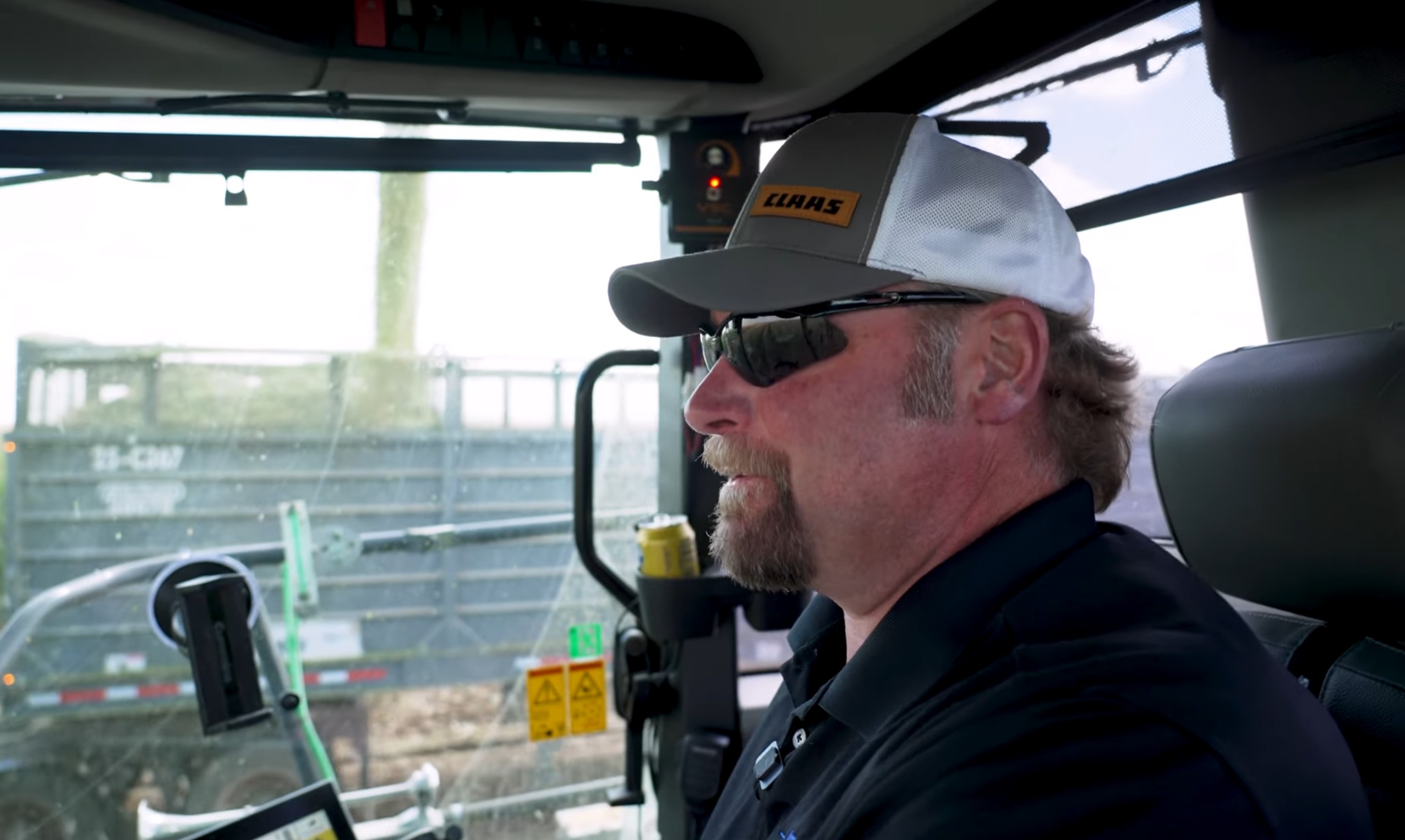
That margin is already being realized by custom harvesters and large operations across North America. One recent example highlighted in a new CLAAS video comes from KB Custom Ag Services, where the JAGUAR 1000 series has become a tool for growth, not just replacement.


Their experience reflects a consistent theme: higher throughput per machine, smoother operation in changing crop conditions, and technology that supports the operator instead of distracting them. The redesigned cab — quieter, smoother and more intuitive — makes long harvest days more manageable. Automation systems reduce guesswork. And consistent chop quality helps protect feed value from field to pile.


Hear directly from KB Custom Ag Services in this testimonial video:
https://youtu.be/mD6ztg4I6KQ?si=ww2btaMVuTYPzyJN


Built to Change What One Machine Can Do


At the heart of the JAGUAR 1000 series is a simple promise: do more with less compromise. The new pre-compression system delivers uniform feeding. The 36-inch V-FLEX knife drum provides the space and inertia needed for consistent chop quality at high output. The 24-liter V12 MAN engine, combined with CEMOS intelligence and all-wheel drive, automatically adapts to conditions to maintain peak efficiency. And the MULTI CROP CRACKER XL increases processing speed by up to 50% — critical for modern dairy and beef operations.


The result is flexibility. Fewer machines to manage. More acres covered in the same window. More control over harvest timing and forage quality.

Learn more about the JAGUAR 1000 series here:
JAGUAR 1000 | CLAAS

Repair or Replace? 

Making the Right Call for High-End Farm Equipment.

For today’s farming operations, high-end agricultural equipment is more than iron and horsepower—it’s a productivity engine. When a key machine starts to show its age, the question isn’t just Can it be repaired? It’s What decision protects uptime, efficiency, and long-term profitability? Repairing can extend service life, but replacing with a modern machine can unlock efficiency gains that quickly change the math.

When Repair Makes Sense


Repair is often the first and most familiar option. For well-maintained machines with known histories, targeted repairs can be cost-effective in the short term. Replacing wear components, addressing hydraulic leaks, or rebuilding driveline parts may restore performance and keep a machine productive for another season or two.


Repairs also make sense when utilization is low or when the machine serves as a backup unit. In these cases, the capital outlay for a new machine may not align with how often the asset is used. For some operations, especially those with predictable workloads and ample time windows, repair can be a practical bridge solution.


However, repairs come with hidden costs. Downtime during peak seasons is expensive. Parts availability, labor time, and the uncertainty of the next failure all factor into the true cost of keeping an older machine running. As machines age, repairs often become more frequent—and less predictable.

Downtime Is the Silent Profit Killer


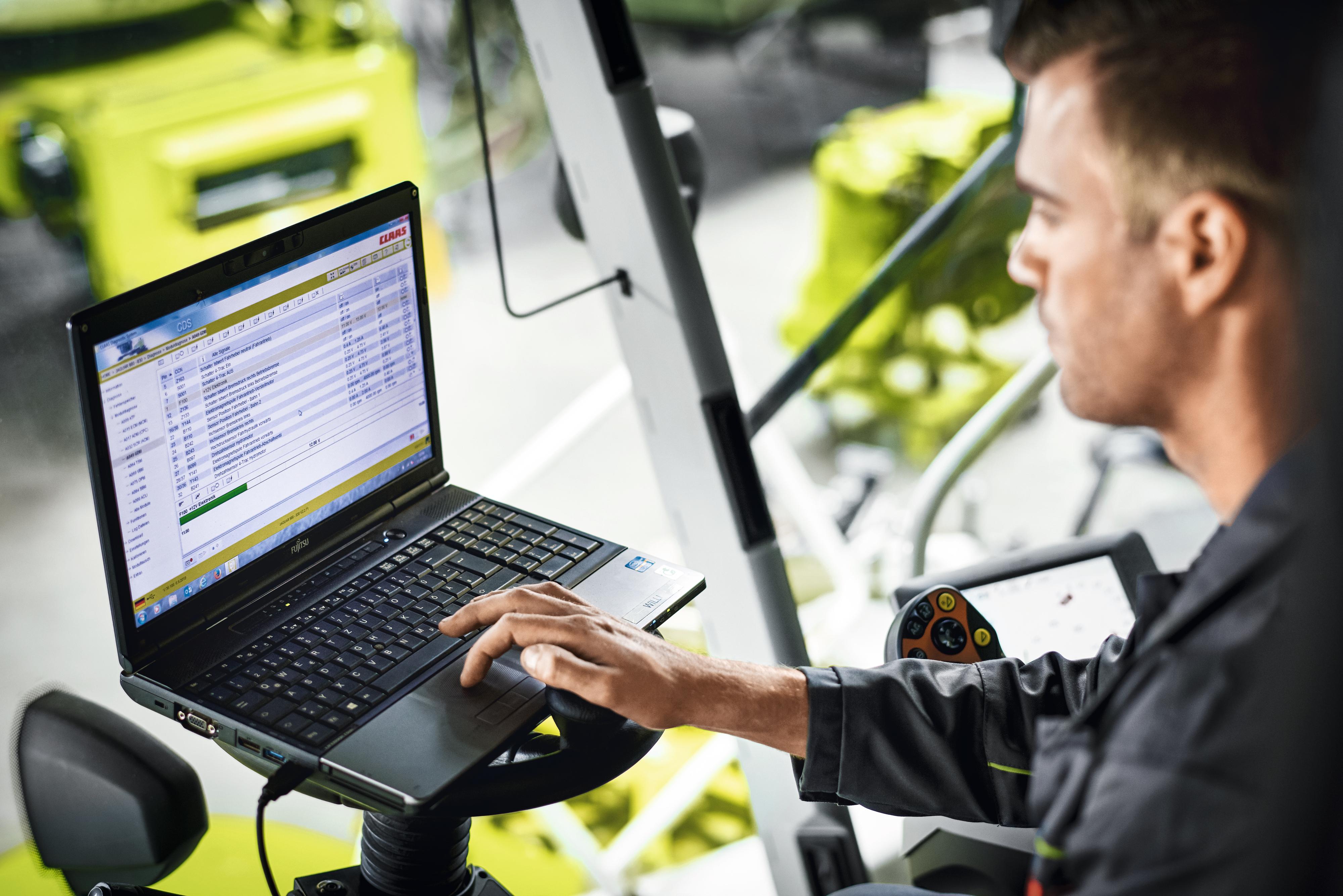
One of the most compelling arguments for replacement is reliability. New equipment brings tighter tolerances, improved cooling and lubrication systems, and built-in protection against overload and operator error. Advanced diagnostics and remote monitoring help identify issues early—often before they cause a breakdown.


Older machines, even well-maintained ones, carry risk. A single failure during a narrow harvest window can cost far more than the repair bill itself. Lost yield quality, delayed harvest, and emergency service calls all add up. New machines reduce that risk and provide confidence when timing matters most.

The Efficiency Equation Has Changed


What’s different today is the performance gap between older equipment and modern high-end machines. New agricultural equipment is designed around efficiency first: more acres per hour, more tons per gallon, more output per operator.


Modern machines process significantly more crop in the same amount of time. Improved crop flow, higher-capacity drivetrains, and automated performance systems allow operators to maintain peak throughput without constant manual adjustment. That efficiency directly translates into fewer machines, fewer operators, and fewer hours to complete the same job.


Fuel efficiency is another major factor. New engines, intelligent power management systems, and load-sensing hydraulics reduce fuel consumption per acre or per ton harvested. Even when total fuel burn appears similar, the cost per unit of work is often dramatically lower with a new machine.

Total Cost of Ownership Tells the Real Story


The decision to repair or replace should be evaluated through total cost of ownership, not just the upfront price tag. Repair costs, fuel use, labor, downtime risk, and resale value all belong in the calculation.


New machines often carry stronger residual values and predictable ownership costs. Warranty coverage and service plans further reduce risk. When efficiency gains allow an operation to cover more acres with fewer machines, the capital investment can be offset faster than expected.


A Strategic Decision, Not Just a Mechanical One


Repairing equipment is about maintaining the status quo. Replacing equipment is about moving the operation forward. For many farms and custom operators, the efficiency of a new machine—more work in less time, with fewer resources—makes replacement a strategic investment rather than a reactive expense.


The right choice depends on timing, workload, and long-term goals. But as technology continues to raise the bar for efficiency, the gap between repairing and replacing grows wider. In many cases, the most profitable decision isn’t fixing yesterday’s machine—it’s putting tomorrow’s performance to work in the field.

Labor Efficiency and Operator Impact


High-end equipment today is also designed with the operator in mind. Automated steering, machine optimization systems, and simplified controls reduce fatigue and learning curves. One skilled operator can do more work, more consistently, over longer days.


In a tight labor market, this matters. Replacing an older machine with a more efficient one can effectively reduce labor requirements while improving output. Comfort improvements—quieter cabs, smoother rides, and better visibility—also contribute to productivity by keeping operators focused and fresh.

Torey Hadland Named CLAAS of America Vice President

Stronger leadership. Sharper focus. More support for North America.

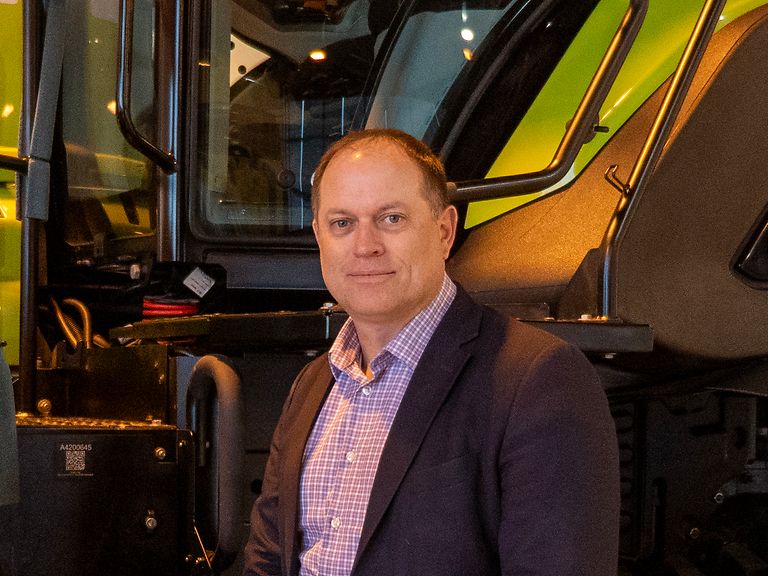
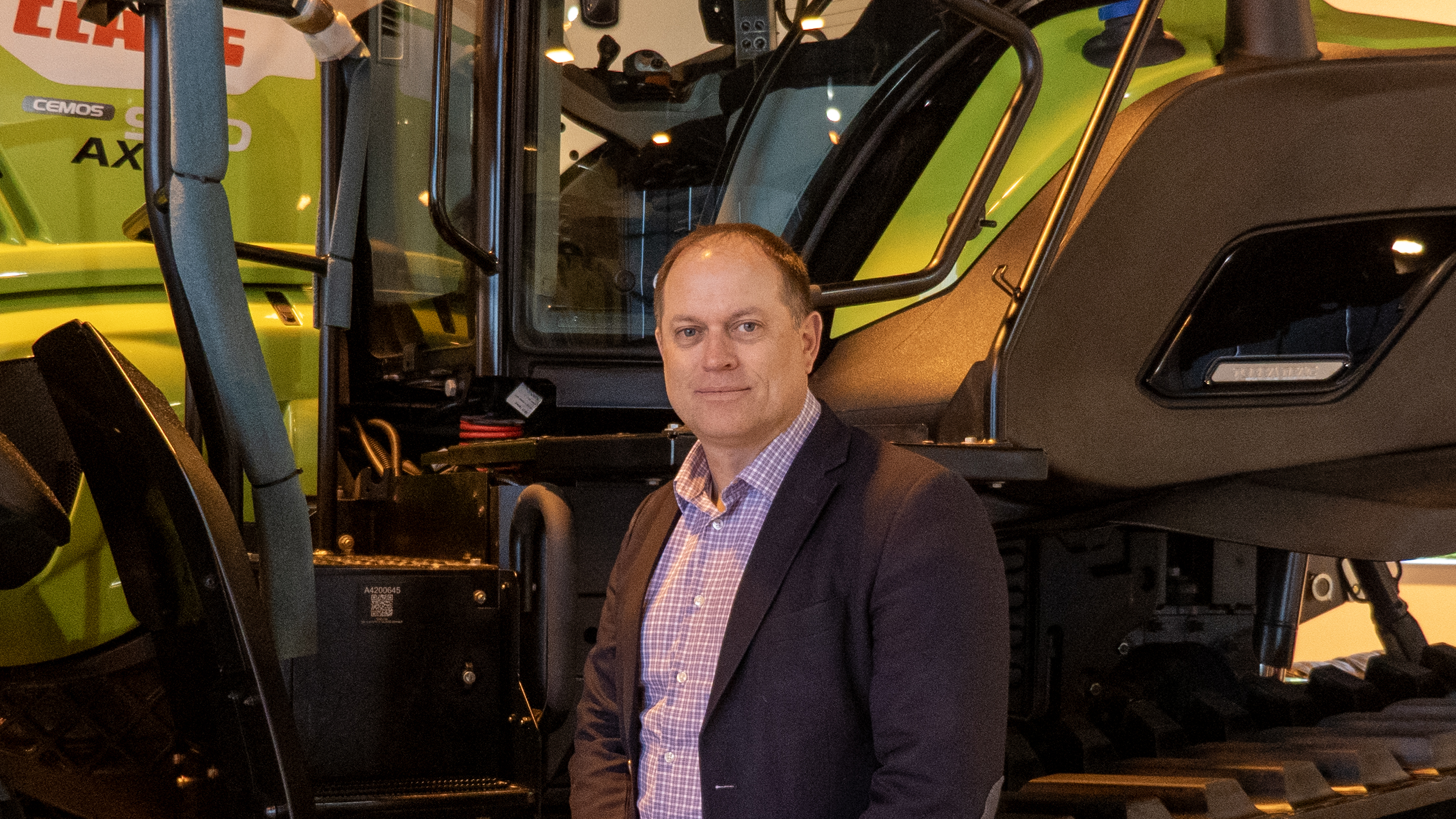
CLAAS has promoted Torey Hadland to Vice President, CLAAS of America, reinforcing the company’s long-term commitment to customers and dealers across the U.S. and Canada. The new role reflects continued investment in growth, service and market leadership in one of CLAAS’s most important regions.

Torey Hadland steps into the role with more than 20 years of CLAAS experience and a deep understanding of the North American market. Reporting to Eric Raby, Senior Vice President, Americas, Hadland will lead CLAAS’s commercial strategy across the region, with a clear mandate to expand market share and strengthen the dealer network.


His focus is straightforward: help dealers grow profitably and help customers get more value from their machines. Hadland will oversee all CLAAS product lines in North America, including LEXION combines, JAGUAR forage harvesters and XERION tractors, ensuring sales, service and product support are aligned around customer needs.


A key part of the role is leading the four North American Regional Field Teams. This structure strengthens coordination between field sales, service and technical support, giving dealers faster access to expertise and clearer communication from CLAAS.


Based at CLAAS of America headquarters in Omaha, Nebraska, Hadland will also continue supporting the Canadian market during the transition period. His long-standing relationships with dealers and customers, combined with proven leadership, position CLAAS for its next phase of growth in North America. 


CLAAS Breaks Ground in Omaha

Built for North American fields. Designed for farmer success.

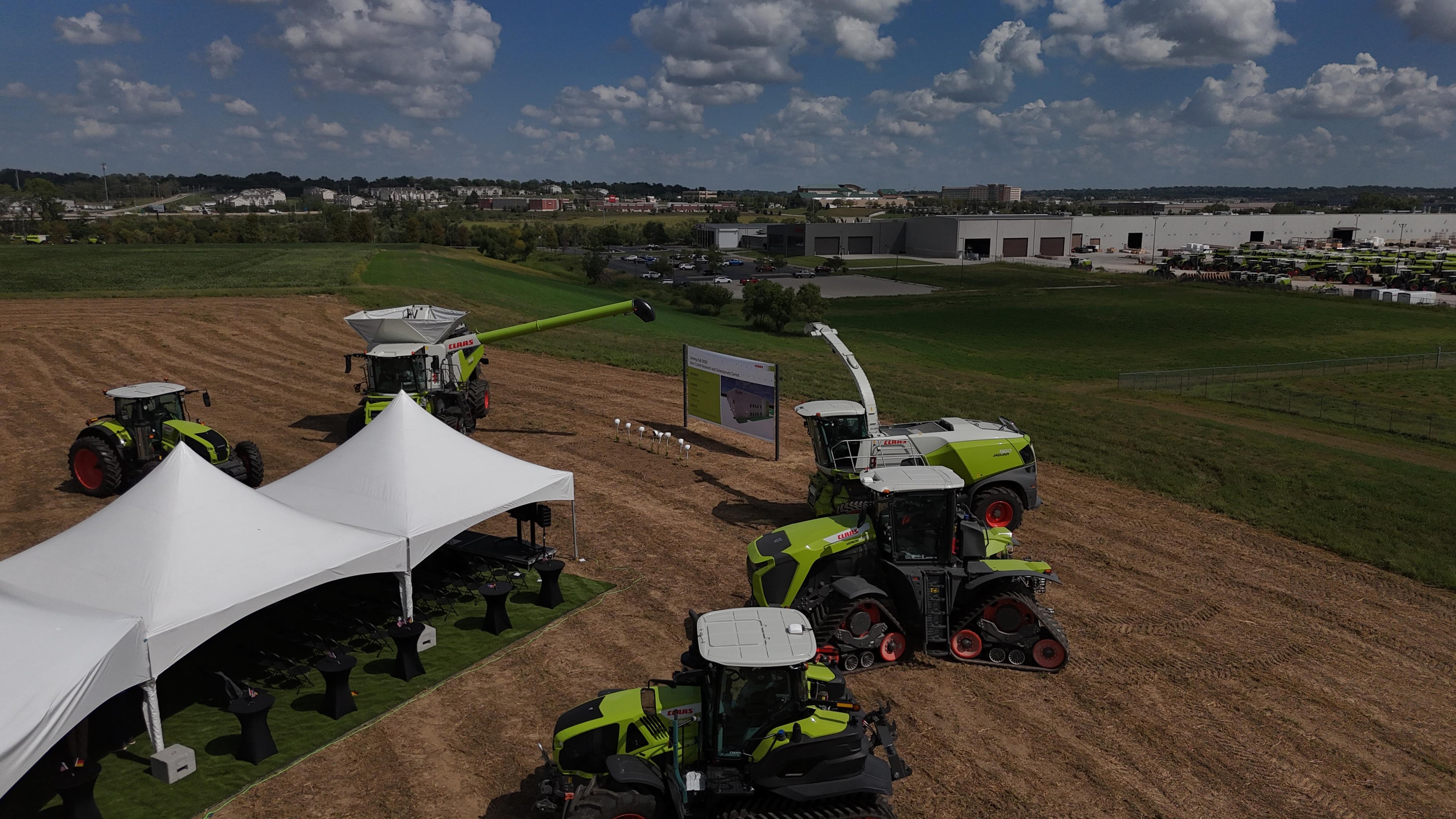
CLAAS has broken ground on a new Research and Development Center in Omaha, Nebraska, marking another major investment in U.S. and Canadian agriculture. The new facility strengthens CLAAS’s ability to design, test and refine machines specifically for the demands of North American farmers. The 44,800-square-foot R&D Center will become the hub for all CLAAS testing and engineering work in North America. Engineers will analyze data from machines working in real fields — from Midwest corn and soybeans to wheat, canola and rice — and turn those insights into practical improvements farmers can rely on.

Located on the CLAAS of America campus, the new building expands research capacity by more than 25% compared to the current off-site shop. Two stories of office space, expanded instrumentation areas and improved logistics flow allow teams to work faster and more efficiently, shortening the path from idea to field-ready machine.


The facility also includes a heated internal wash bay and enhanced physical and digital security. These upgrades protect advanced prototypes and sensitive technology while enabling year-round testing and analysis, regardless of weather conditions.


For customers and dealers, the investment delivers clear value: equipment that is better tuned to North American crops, conditions and operating practices. By keeping research, testing and engineering close to the field, CLAAS reinforces its long-term commitment to building machines that help farmers get more done with confidence.

CLAAS Foundation

Latest Initiatives in the U.S.

CLAAS Foundation has quietly expanded its initiatives into North America, supporting projects that inspire and educate future leaders in agriculture. From university partnerships to youth conferences, these projects promise to enrich the agricultural landscape in one of company's largest and most quickly growing markets.  


Connecting Universities Across the Atlantic
 

The Foundation’s North American expansion began with a University Twinning connection between the University of Nebraska–Lincoln (UNL) and Osnabrück University of Applied Sciences in Germany.

The partnership launched this fall. Three students from Osnabrück spent two months at UNL, where they joined the Biological Systems Engineering department. During the exchange, students worked alongside faculty and peers on robotics and smart, autonomous agriculture, sharing technical expertise and gaining exposure to U.S. agricultural systems.

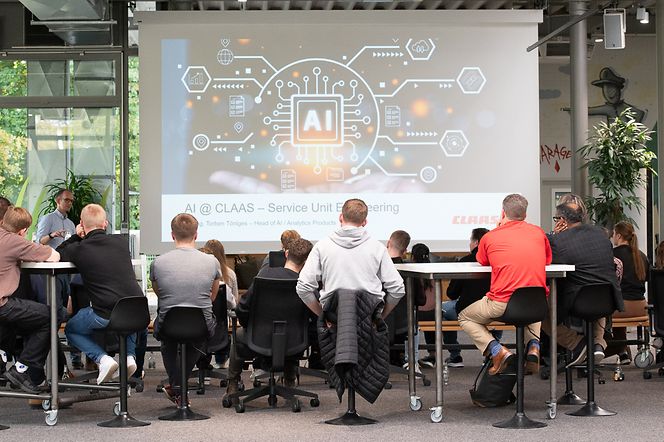
The collaboration continued in Germany during an intensive project week in Osnabrück. German and U.S. students worked together on artificial intelligence applications in agriculture, supported by lectures, company visits and hands-on project work. A highlight of the week included an expert talk on AI at CLAAS.

As a result of the collaboration, students developed a chatbot called “TransFarmation,” designed to explore similarities and differences between U.S. and German agricultural practices. Participants reported strong feedback on the program, citing both technical innovation and strengthened transatlantic relationships.

Investing in Youth Through the Nebraska Agriculture Youth Institute


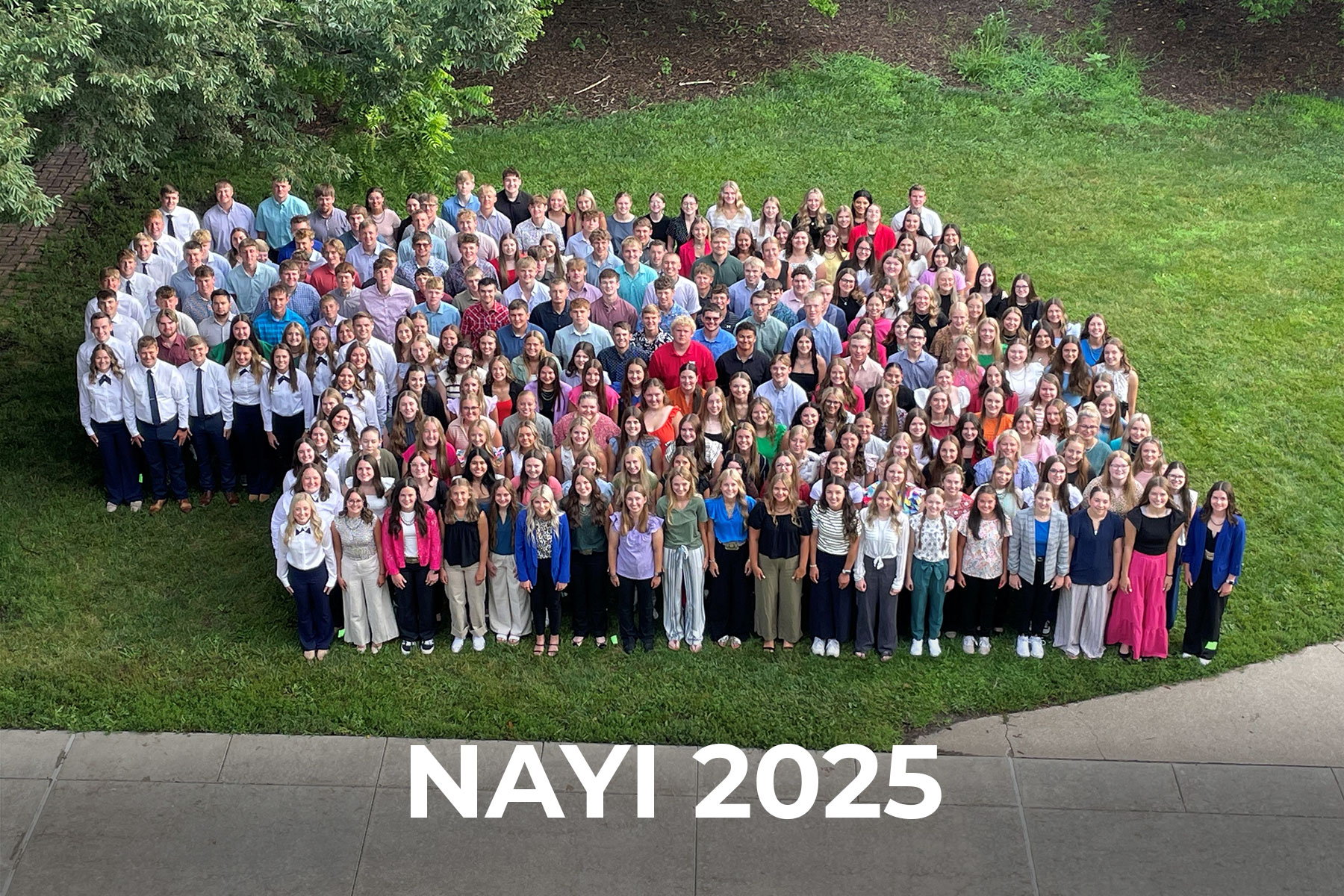
The CLAAS Foundation also supported the Nebraska Agricultural Youth Institute Summer Conference for the first time, reinforcing its commitment to youth leadership development in agriculture.

Held July 7–11, the weeklong program brought together 220 high school juniors and seniors from across Nebraska. Students participated in interactive workshops focused on entrepreneurship, effective communication and financial literacy, with an emphasis on applying skills in real-world scenarios.

Keynote speakers included Mattias Ristow, president of CLAAS Omaha, who highlighted the importance of skill development and community while representing the foundation’s mission. 

Reflecting on the impact of the program, Sylvia Looks, executive board member of the CLAAS Foundation, said, “Investing in our youth is vital for shaping the agricultural experts and innovators of tomorrow.”
 

Supporting Hands-On Engineering Education


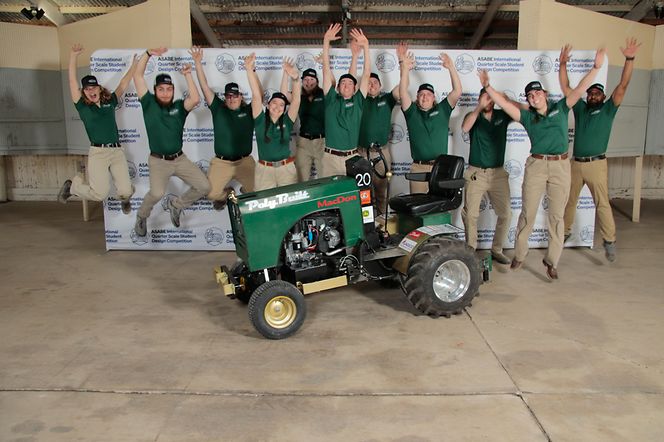
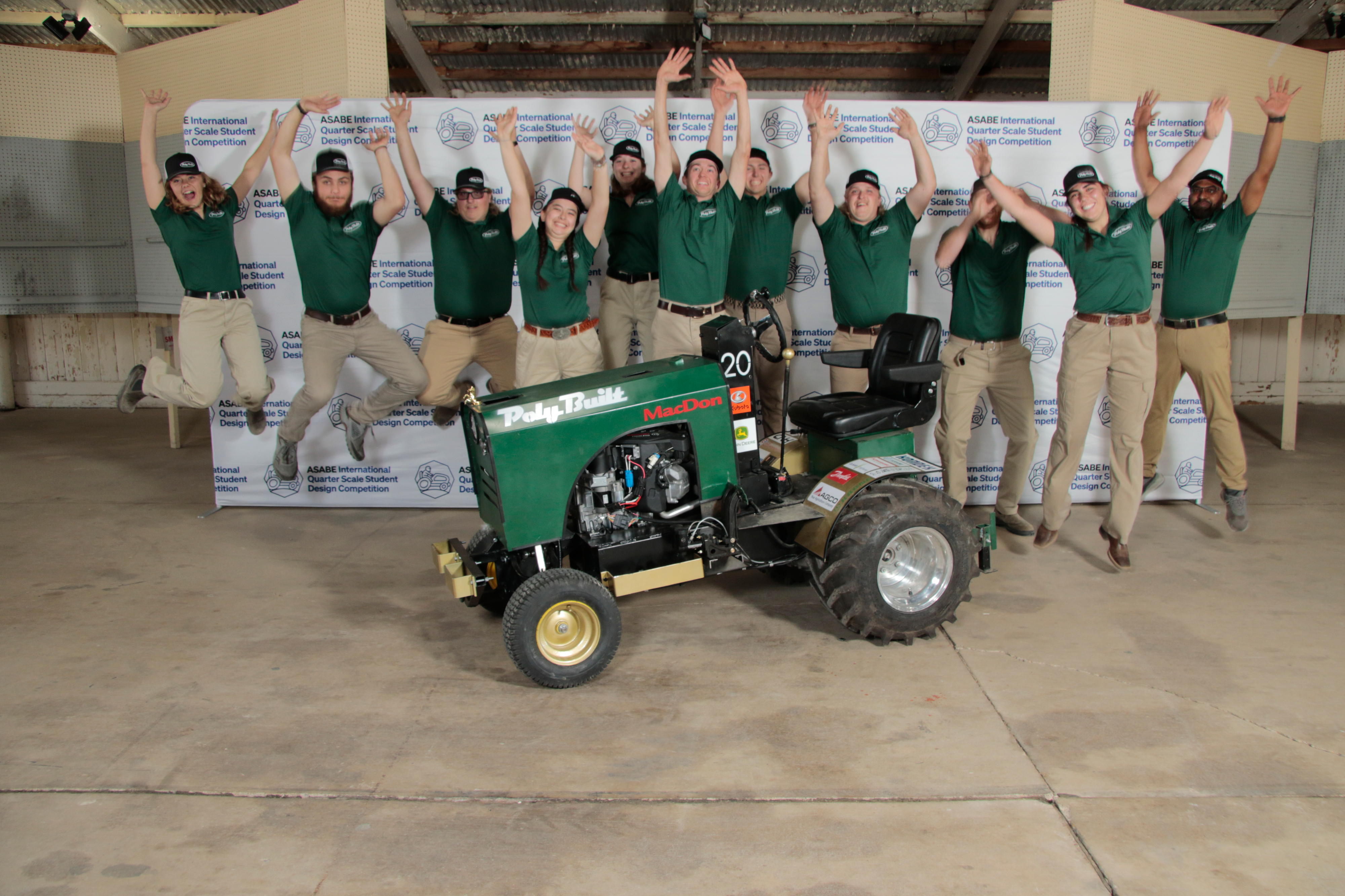
The foundation further strengthened its U.S. presence by sponsoring the International ¼ Scale Tractor Student Design Competition for the first time. Organized by the American Society of Agricultural and Biological Engineers, the competition was held in Peoria, Illinois, and included 23 teams from North America.

North Carolina State University’s Pack Pullers defended their title for a second consecutive year, followed by Kansas State University and South Dakota State University in second place. The University of Kentucky and Purdue University rounded out the top five.

Each team designed and built a tractor using a standardized 34-horsepower Kawasaki engine and Titan tires. Designs were evaluated by industry experts on innovation, manufacturability, safety, ergonomics and serviceability, along with written reports and formal presentations.

Together, these initiatives mark the beginning of a broader North American presence for the CLAAS Foundation, underscoring its commitment to education, research and the future of agriculture.