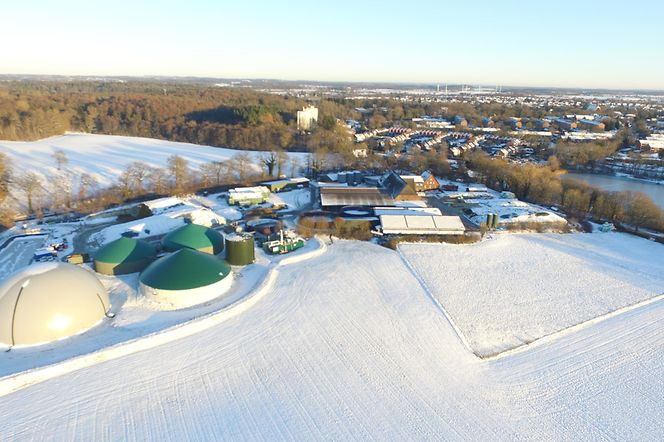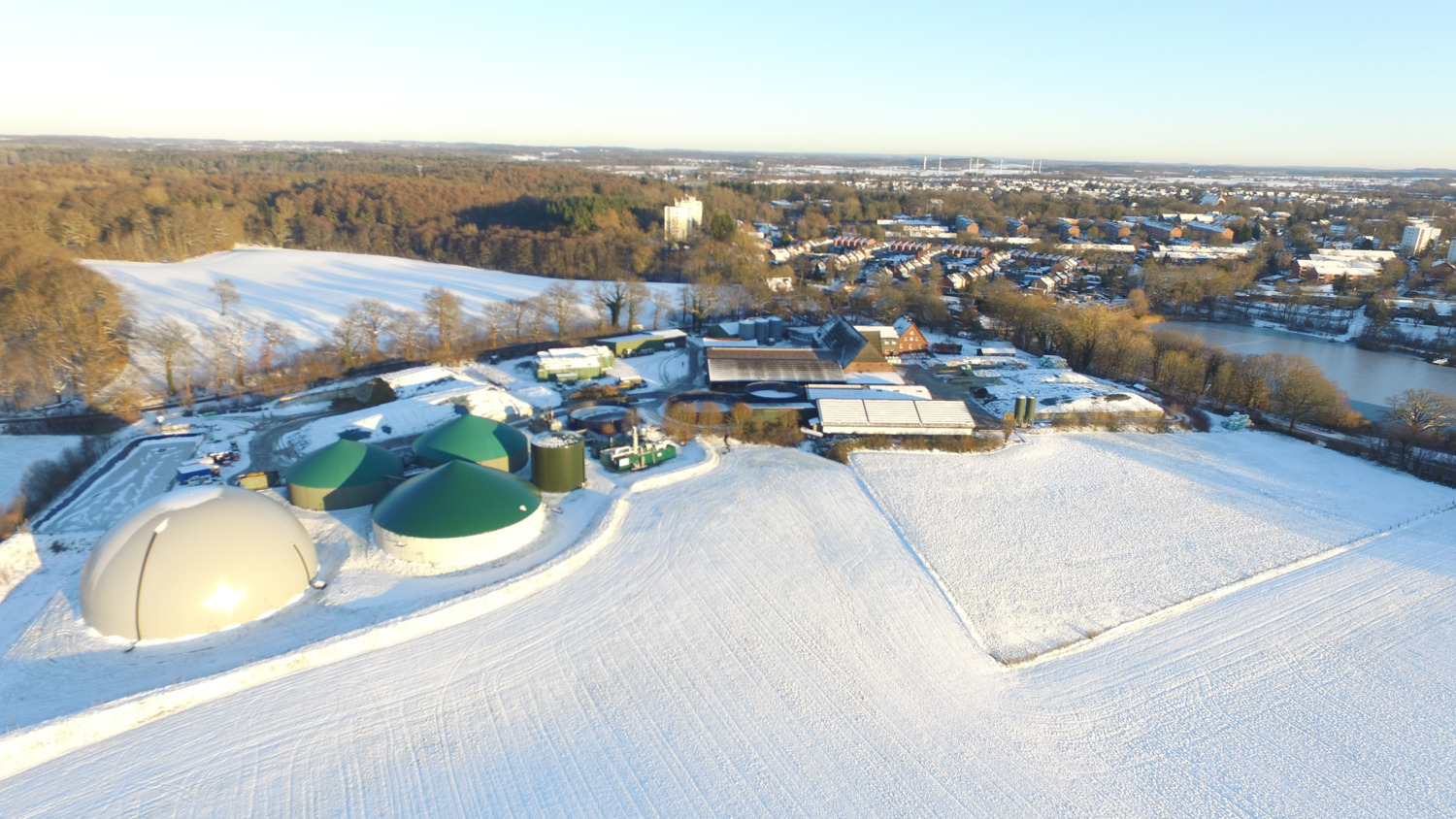
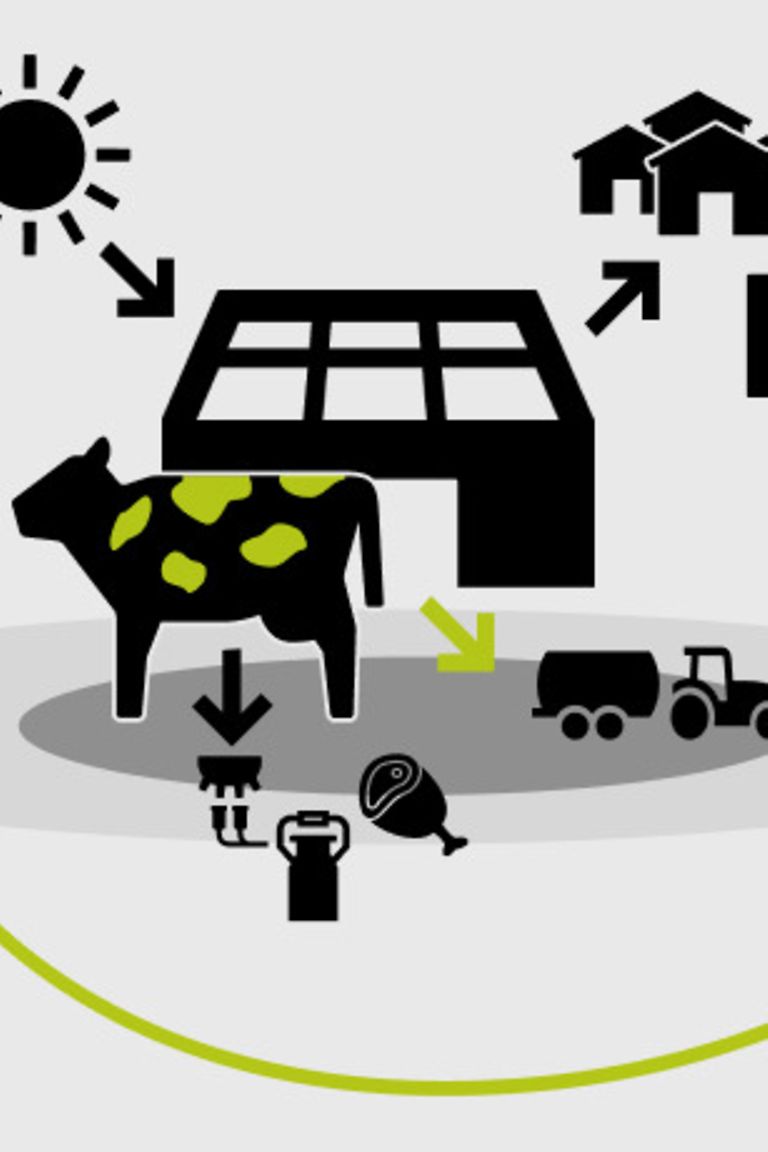
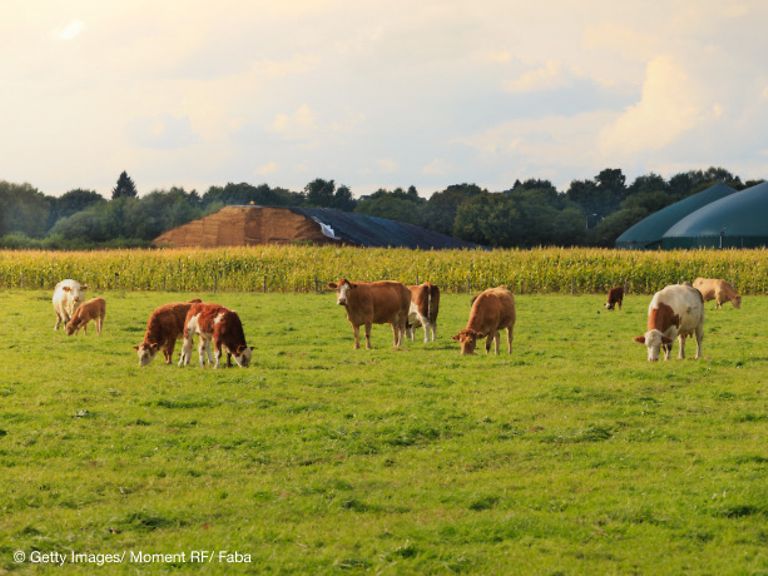
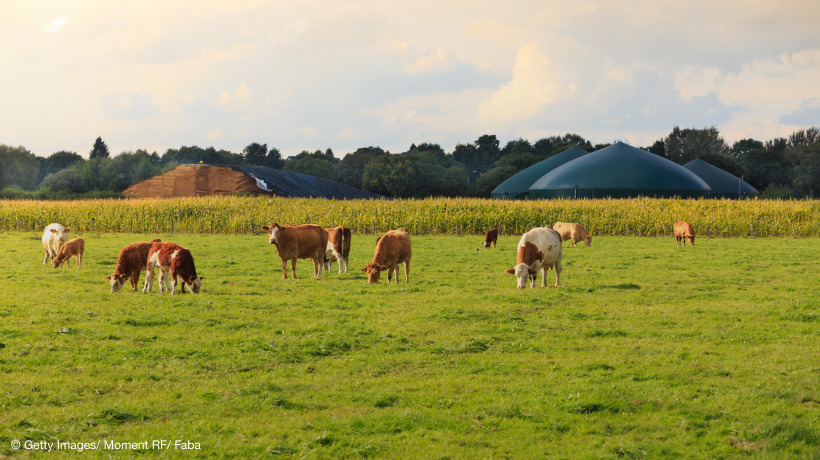
Heat—the biogas plant generates 3.2 million kWh of heat each yearHis biogas plant is fed with around 70% slurry and 30% renewable raw materials. The waste in the form of fermentation substrate (digestate) provides available nutrients for plants. “It hardly smells at all—and our neighbors are pleased about that.” They’re also pleased that the two combined heat and power plants (CHPs) and the (local) district heating network provide heat to some 220 homes in the surrounding area. The combined installed power of the two CHPs is 1,960 kW, so high that power and heat from the flexible power station are generated only on demand. “In total, we produce 3.2 million kWh of heat each year,” says the cattle farmer. Of that, around 1 million kWh are used on the farm itself. The rest goes to nearby homes, saving an estimated 52,834 gallons (200,000 liters) of heating oil. In addition, the two CHPs produce an average of 400 kW of regenerative power per hour, with the surplus being fed back into the public electricity supply grid.
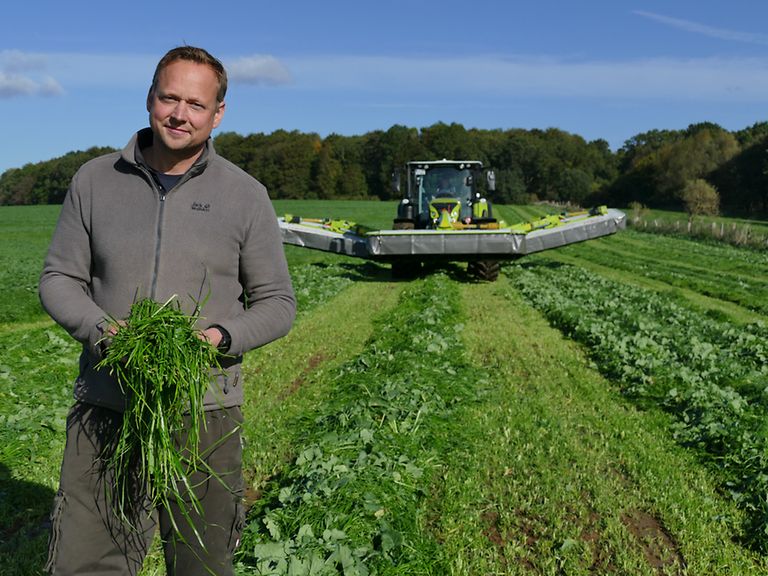
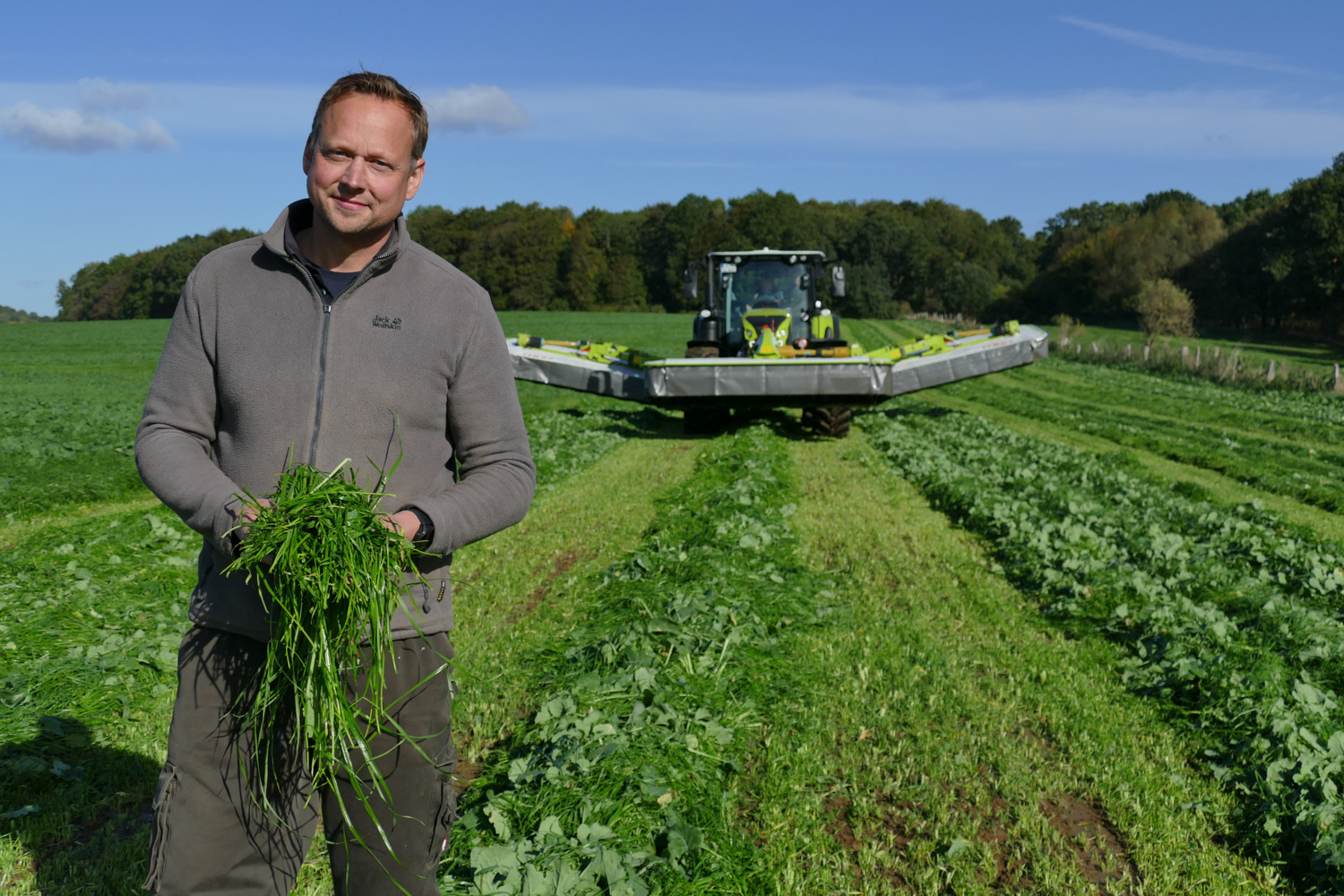
Fertiliser—162 cubic feet per acre (20 m³ per hectare)The biogas plant produces digestate containing plant-available nutrients that deliver the nitrogen (N) needed for growth more effectively to the roots. This enables the farmer to replace mineral fertilizers that are often imported from other countries with this homemade substrate. “To be honest, I need a bigger biogas plant and more cattle to allow me to use even less mineral fertilizer,” says Blunk, with an eye to a complete cycle. “We then apply the digestate immediately with drag hoses, working on the precision farming principle, with hardly any overlaps,” explains the farmer.
Power—photovoltaic system with peak output of 180 kWOn the cowshed roof, a modern photovoltaic system with an output of 180 kWp converts sunlight into electricity. For those who don’t yet have a PV system on their roof, kWp stands for kilowatt peak and is a unit used to describe the performance of photovoltaic systems. It is the maximum output that a solar system can generate under ideal conditions. In real terms, on the Schleswig-Holstein farm in Germany, this means that “combined with the biogas plant, we produce a total of 3.6 million kWh of electricity per year,” explains the farmer. That provides the farm with electricity, and the surplus is exported to the local energy provider’s supply network.
The future—N, not cubic feetNew approaches to the nutrient cycle are needed in agriculture, whether in terms of cultivation or technology, says Blunk. It doesn’t always work. The farmer planted peas on 24.7 acres (10 hectares) as feed for the cattle. They were intended to reduce soya imports, but “it was too dry that year, so they didn’t pay off,” he says. He is more hopeful about his near-infrared spectroscopy (NIRS) sensors. These sensors measure the current nitrogen content at the slurry outlet—and the farmer needs to apply enough to meet the plants’ nitrogen requirements. Blunk is sure that soon the word on his farm will no longer be “Go and spread 65.6 cubic feet (20 m³) of slurry!” but instead, “Go and spread 154 pounds (70 kg) of nitrogen!”.