Agricultural machinery
Digital Solutions
Service & Parts
Experience
Press
About CLAAS

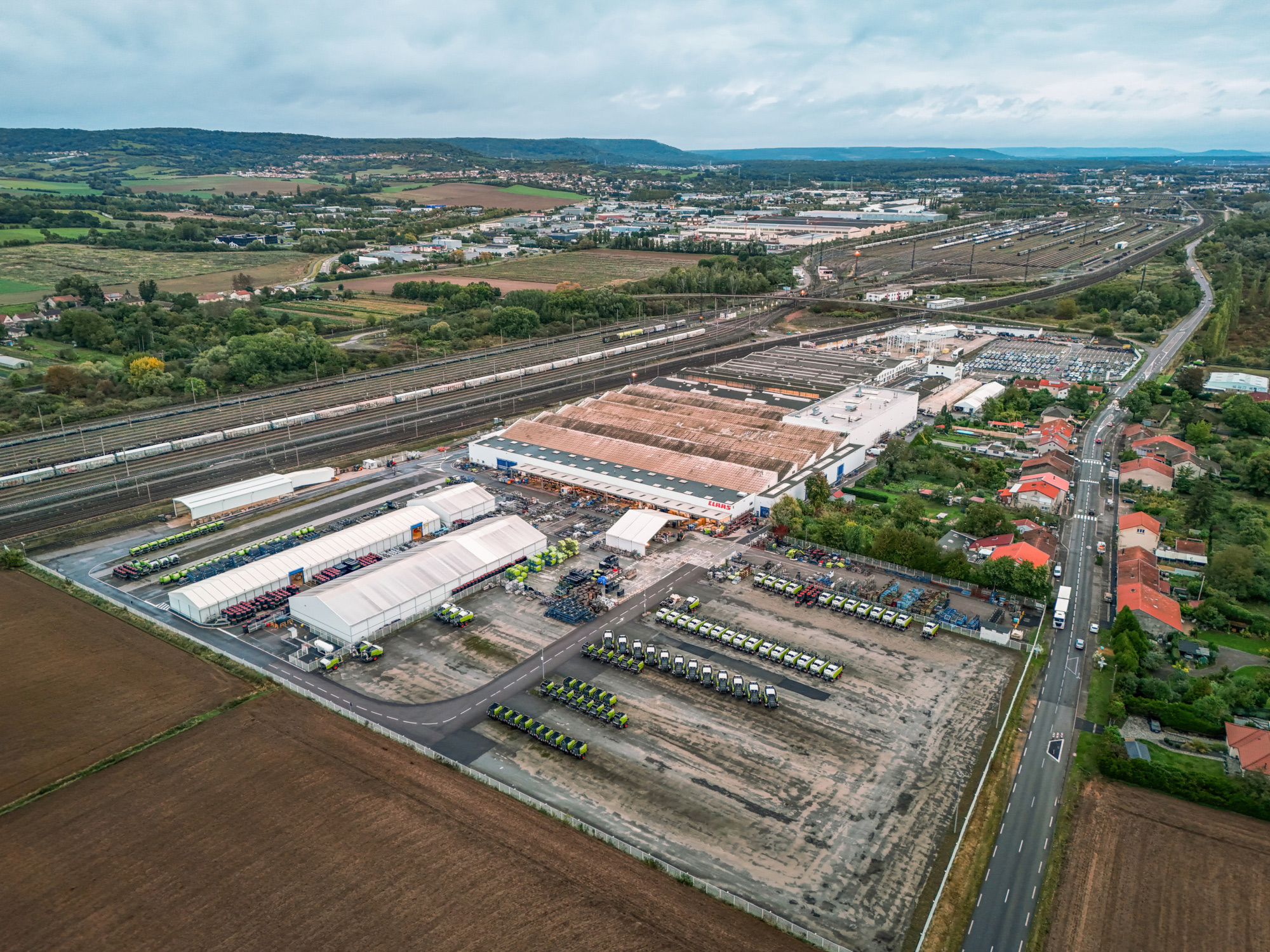
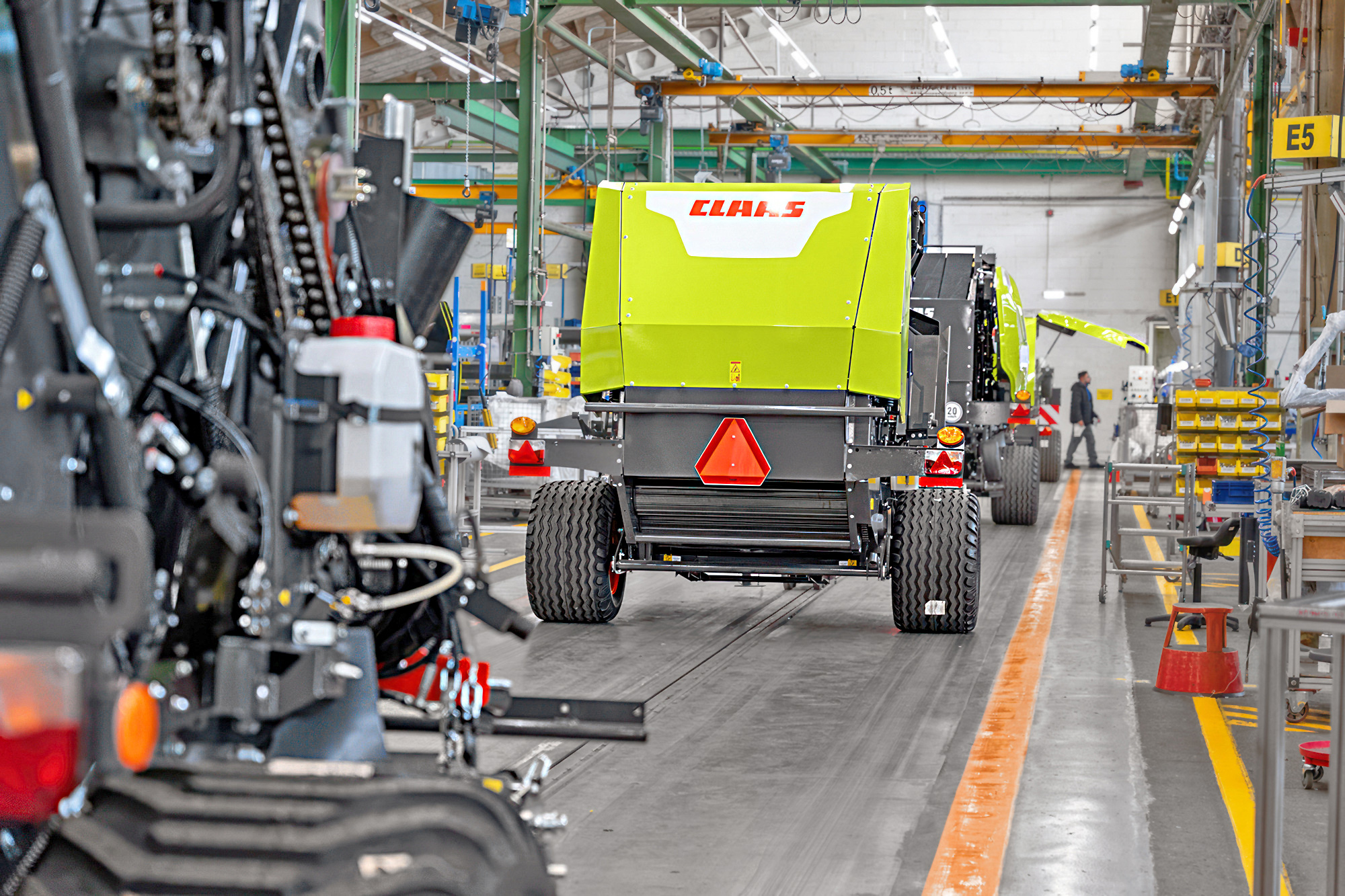
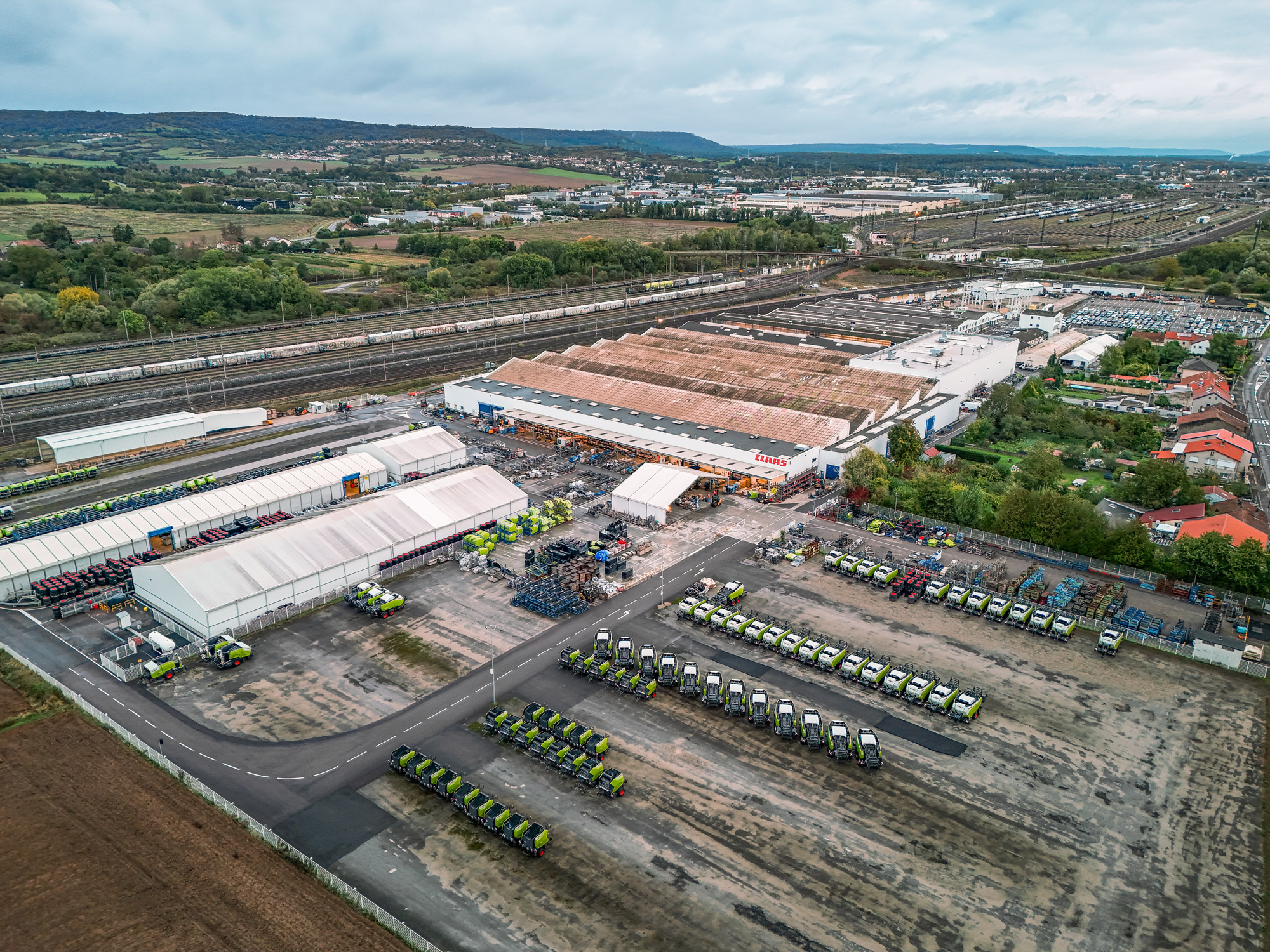
CLAAS adopted an international outlook at an early stage: only a few years after the Second World War, CLAAS opened a production facility in France – its first outside Germany. More than 300,000 balers have rolled off the assembly line since the factory in the Lorrainian town of Woippy near Metz opened in 1961.


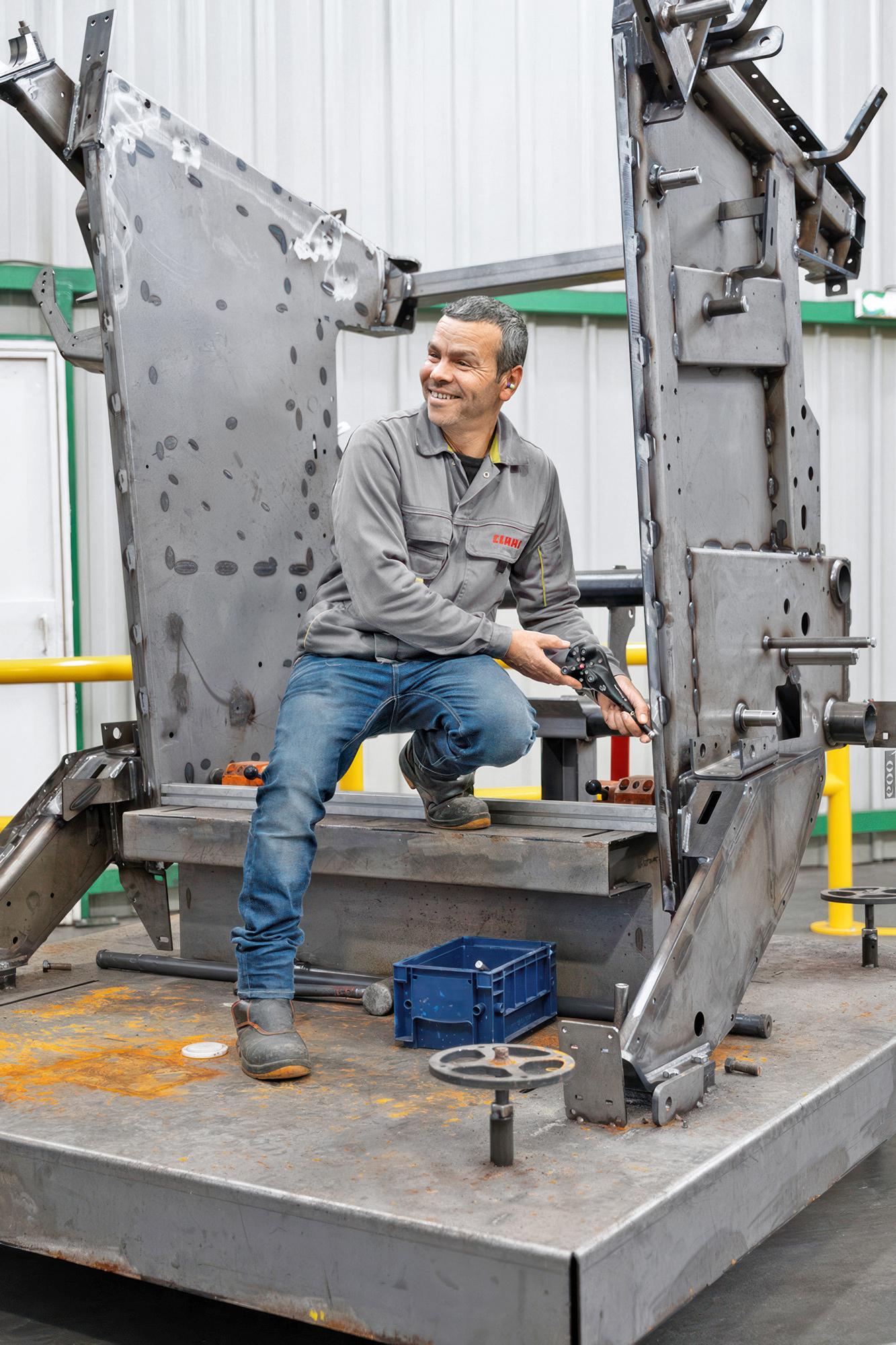
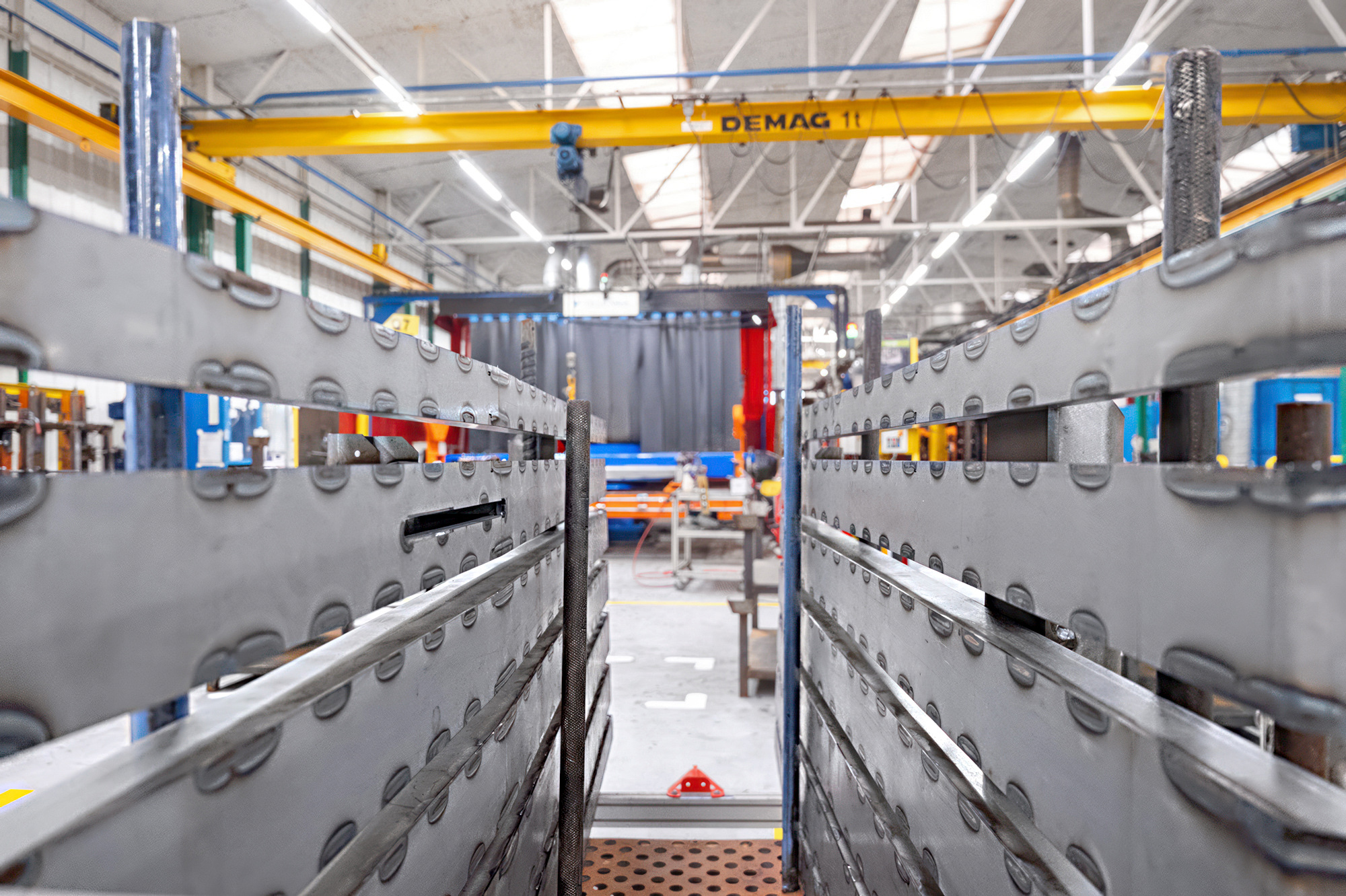
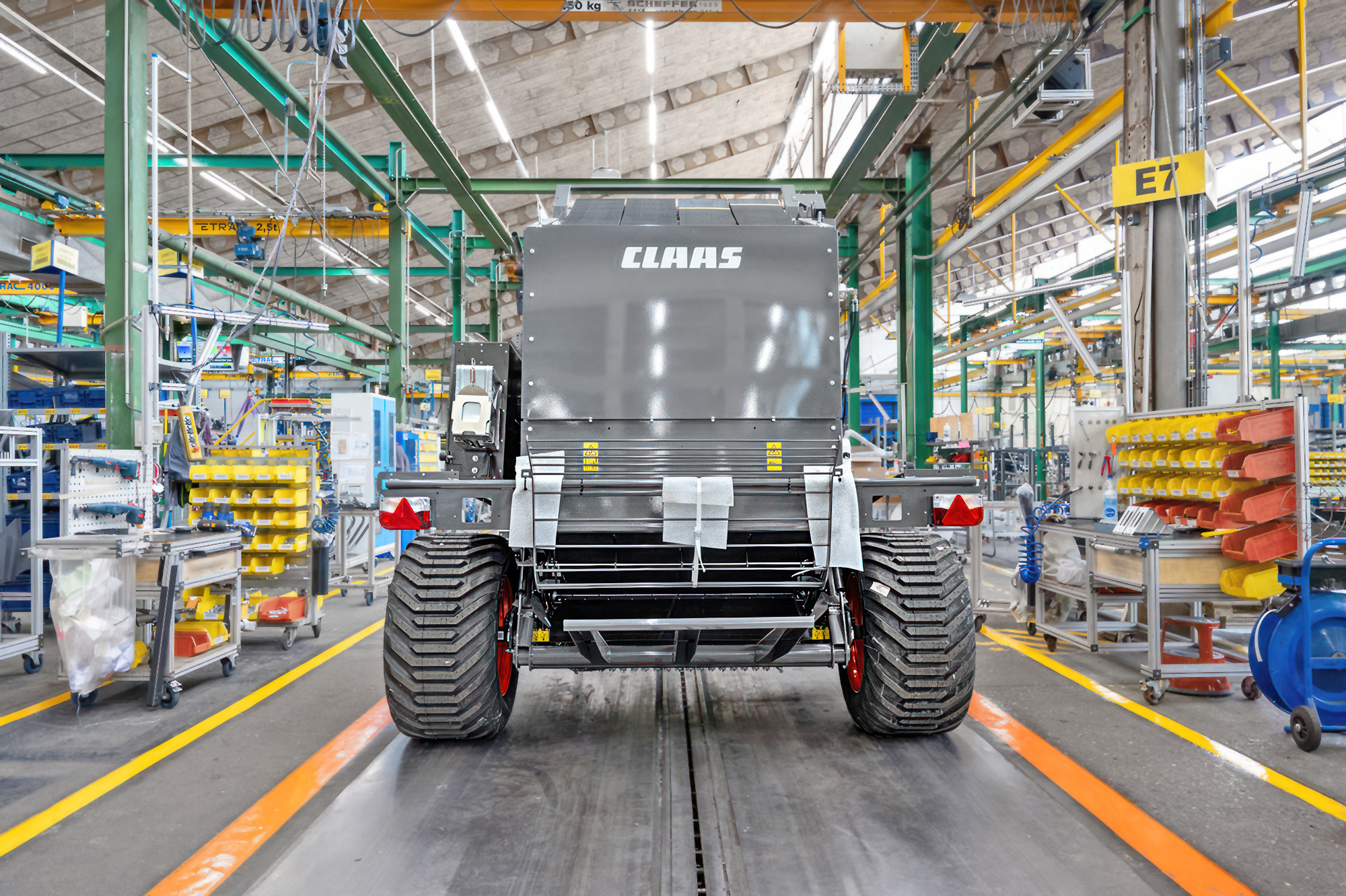
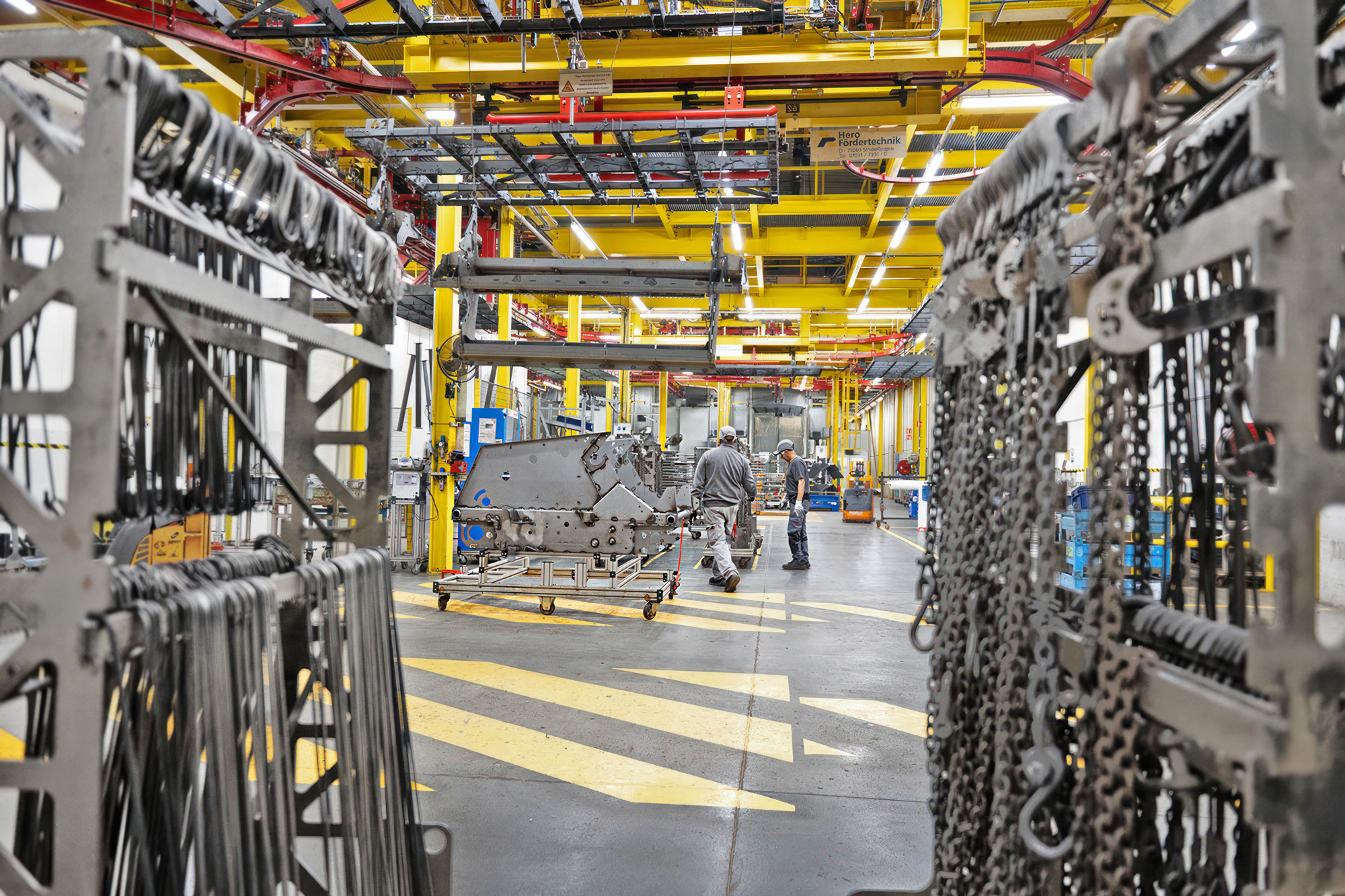
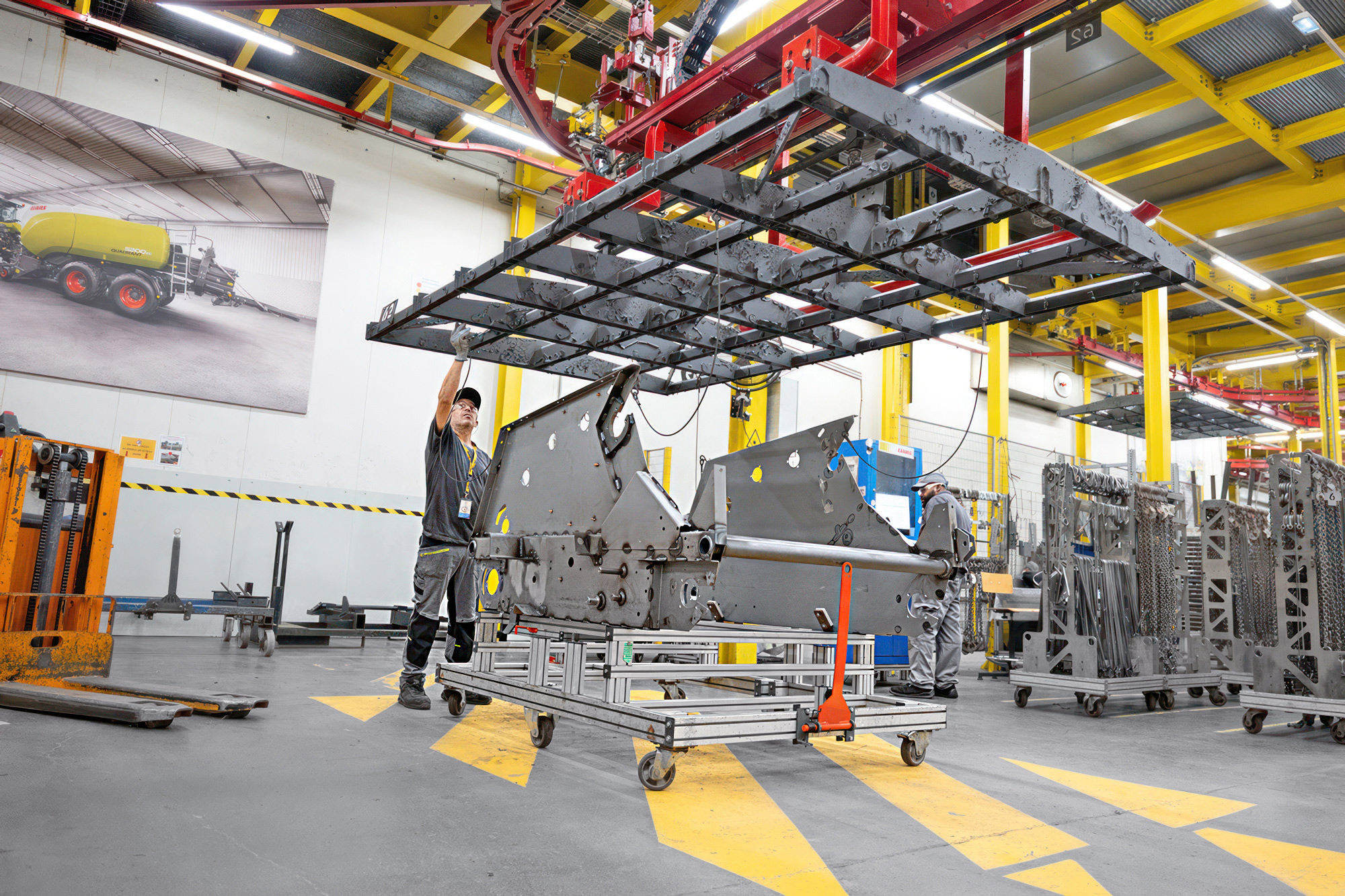
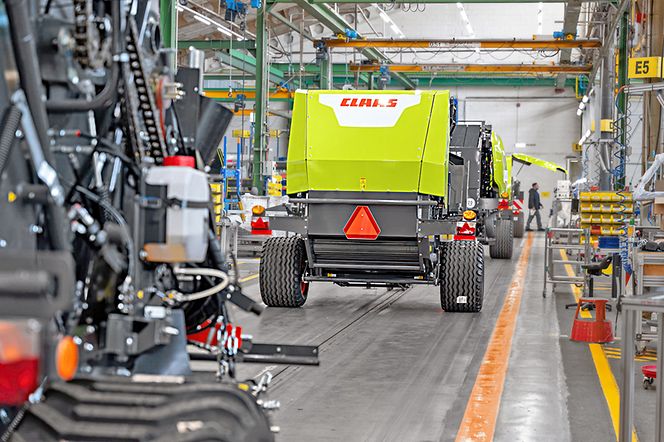
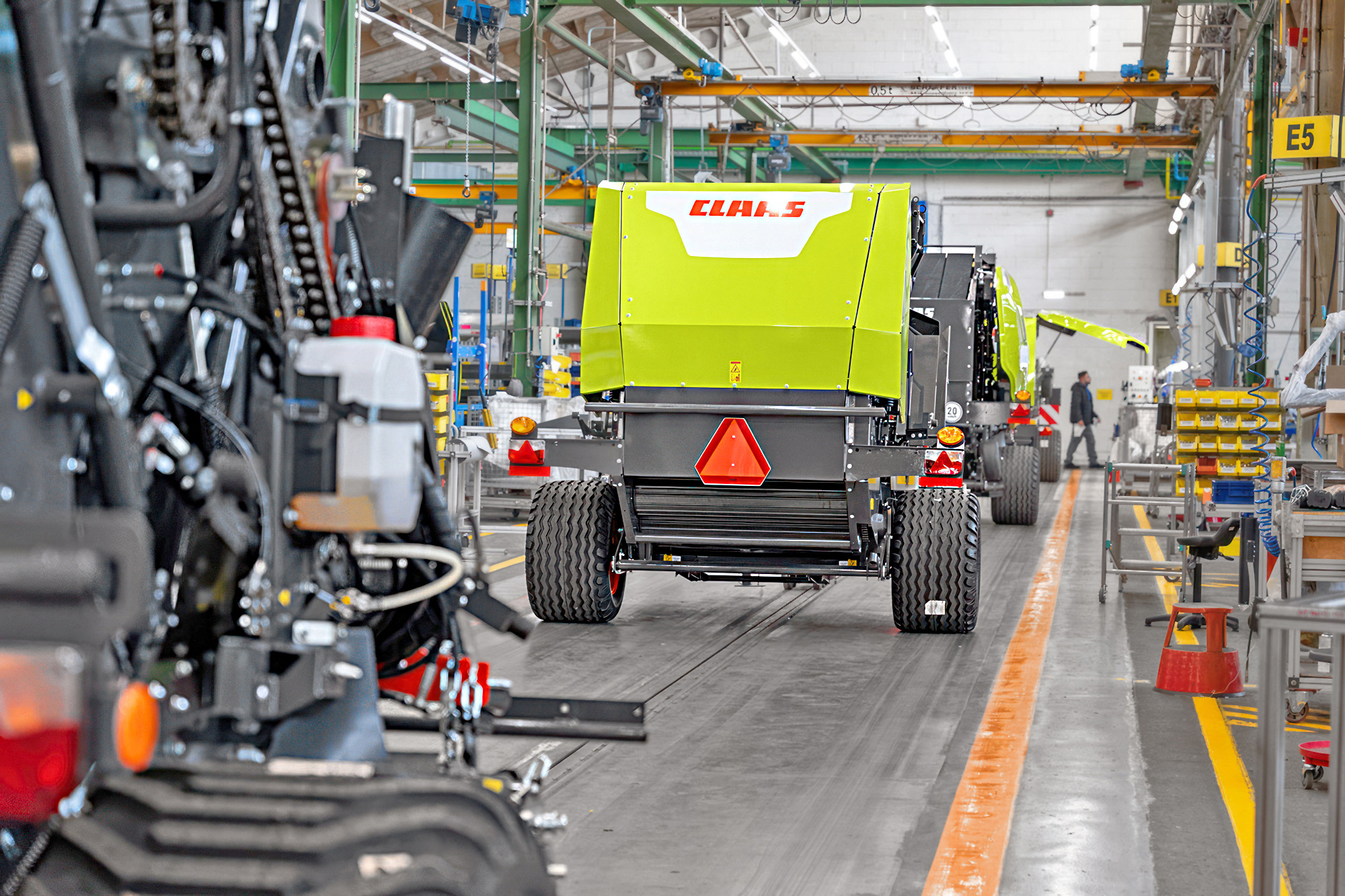
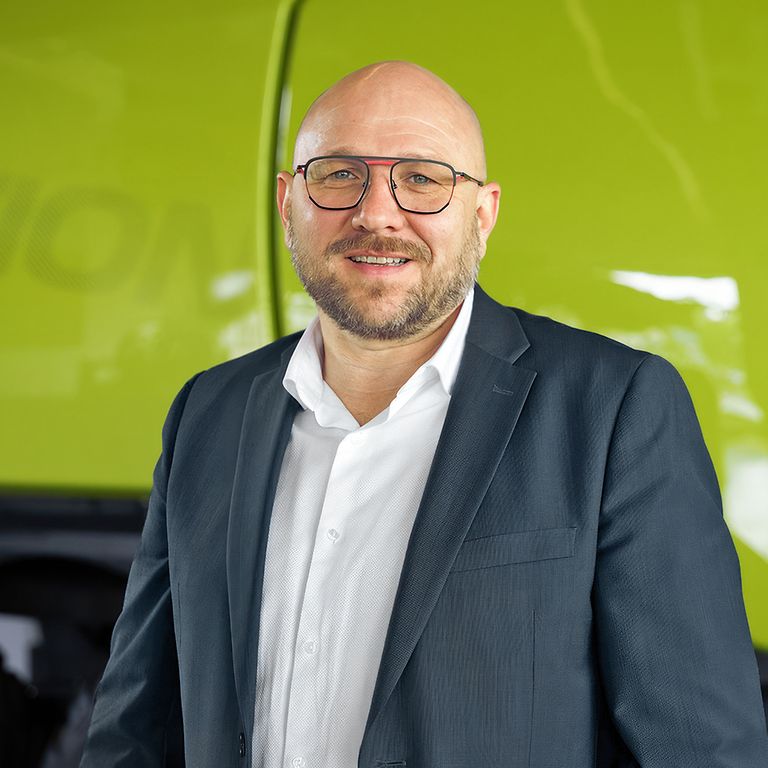
"We are not simply an assembly plant," site manager Cédric Zimoch is keen to stress. "The facility covers the complete pre-production process, including bending, laser cutting and painting." There is a dedicated welding and sheet metal processing line for each baler type, which enables all models to be produced simultaneously. "This means we can respond very flexibly to customer requirements and market demands," says Cédric Zimoch, Vice President Manufactuiring UCF SU MFG – Global MFG.

An international outlook and strong team spirit


Today the balers are sold in more than 100 countries. A global success story whose beginnings were shaped by courage and a spirit of reconciliation: the opening of the CLAAS factory in Woippy in 1958 was remarkable in many respects. It was the first production plant to be built by CLAAS outside Germany, an early indication of the company's international outlook. The decision to invest in France underlined Franco-German cooperation at a time when the political and economic repercussions of the Second World War were still keenly felt.

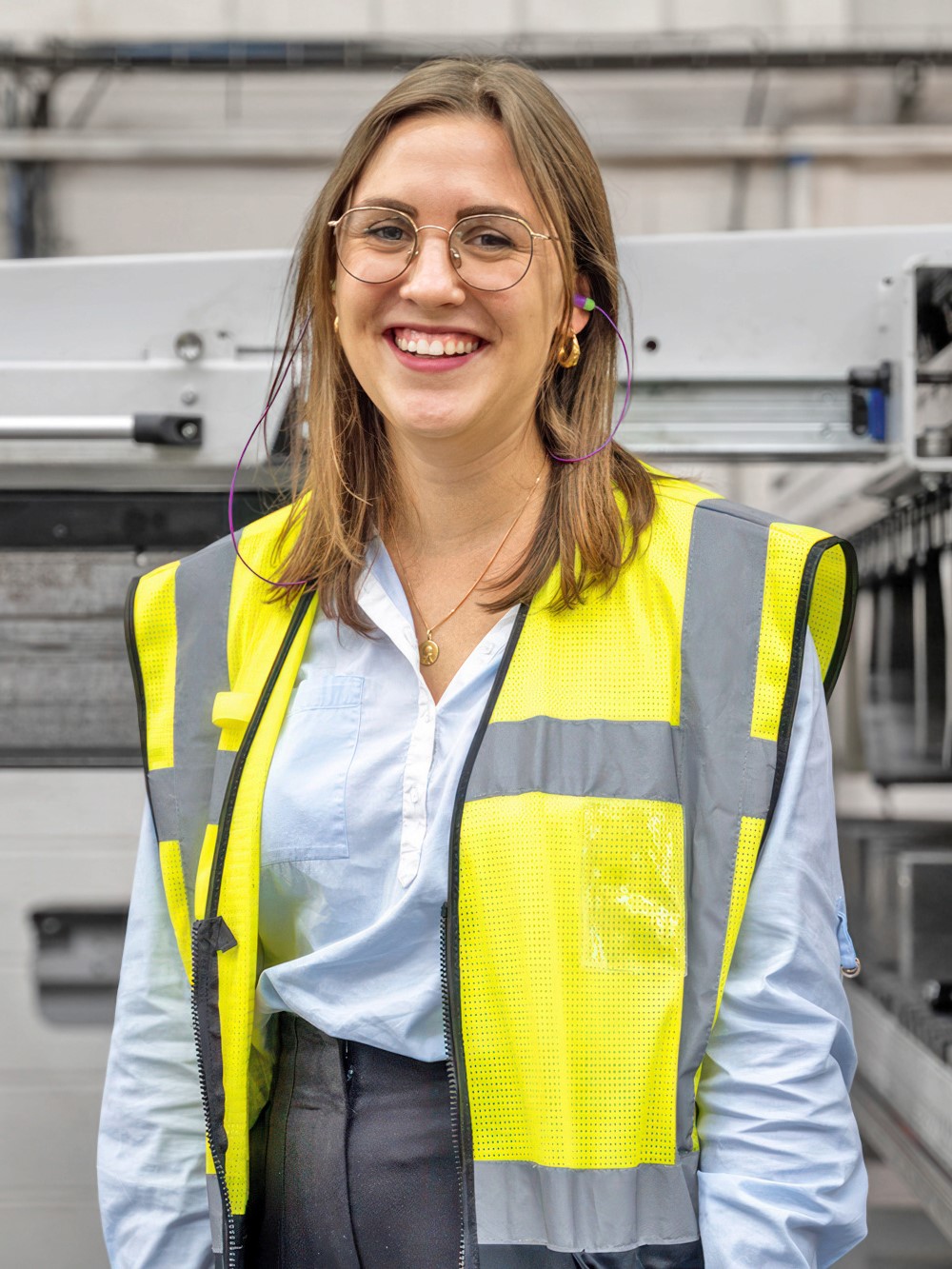
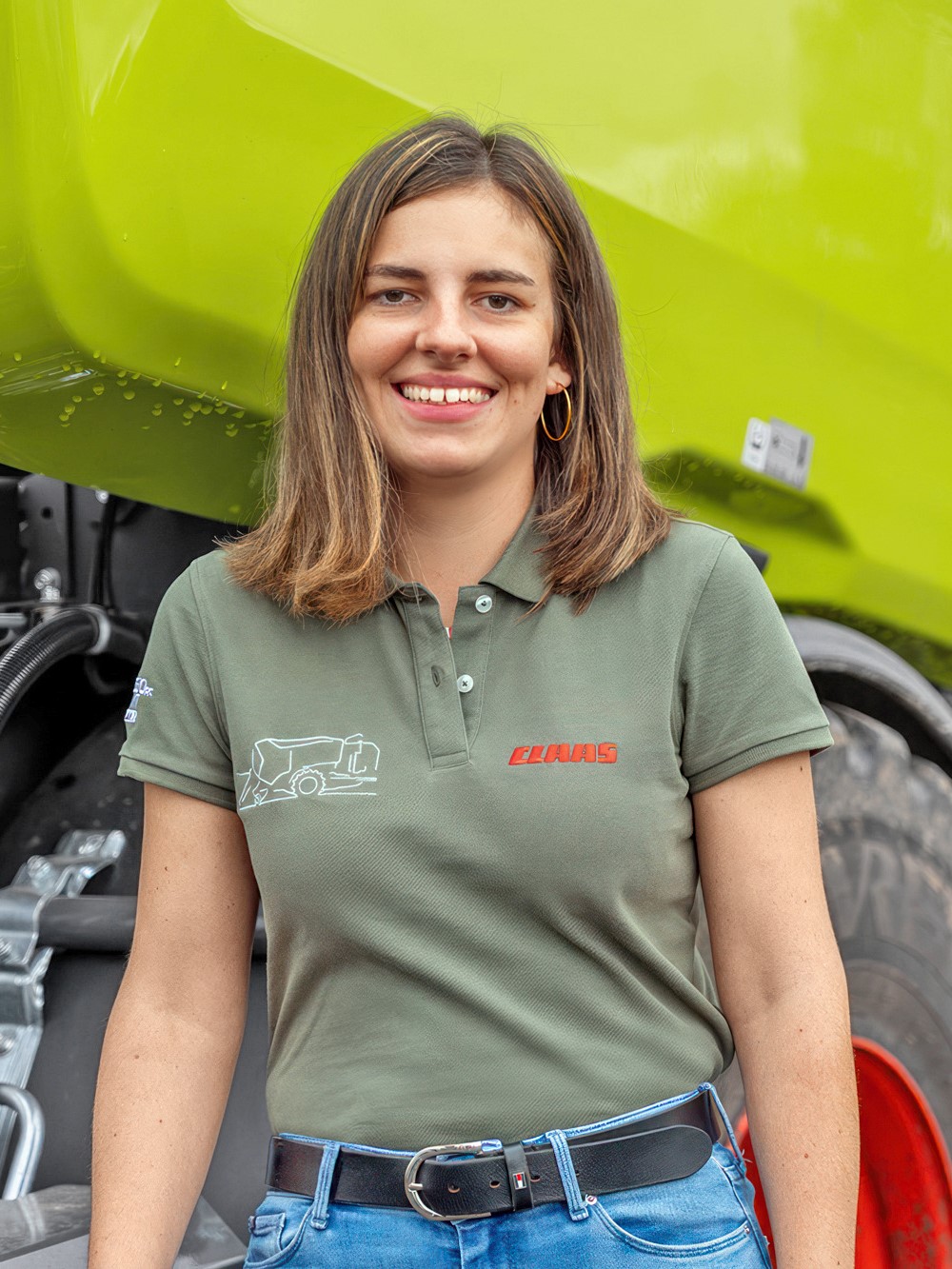
CLAAS was sending a positive signal for reconstruction and European cooperation. "Today CLAAS is a major employer and economic driver in this agricultural region," explains Ophélie Pierçon, Product Marketing Manager Round Balers in Metz.
Precise and flexible production

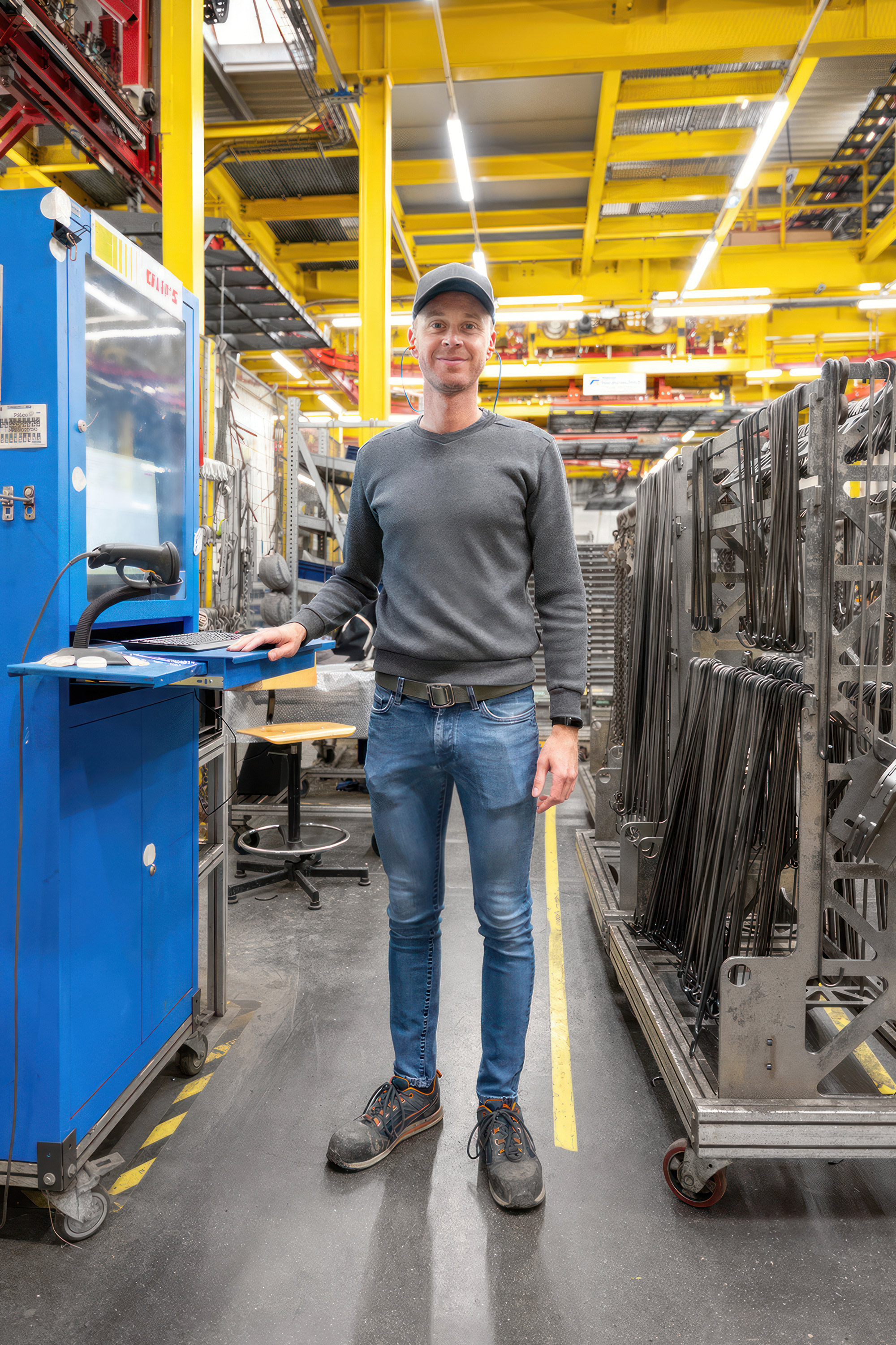
The Usines CLAAS France (UCF) factory occupies a 12-hectare site, of which four hectares is built on. "In addition to Production and Assembly, the site is home to Research and Development for all CLAAS balers along with Production Planning, Quality Assurance, Purchasing and Logistics," explains Cédric Zimoch. At least 50 of the 320 employees work in R&D. A new R&D building is scheduled for completion in 2025 at a cost of 1.6 million euros.


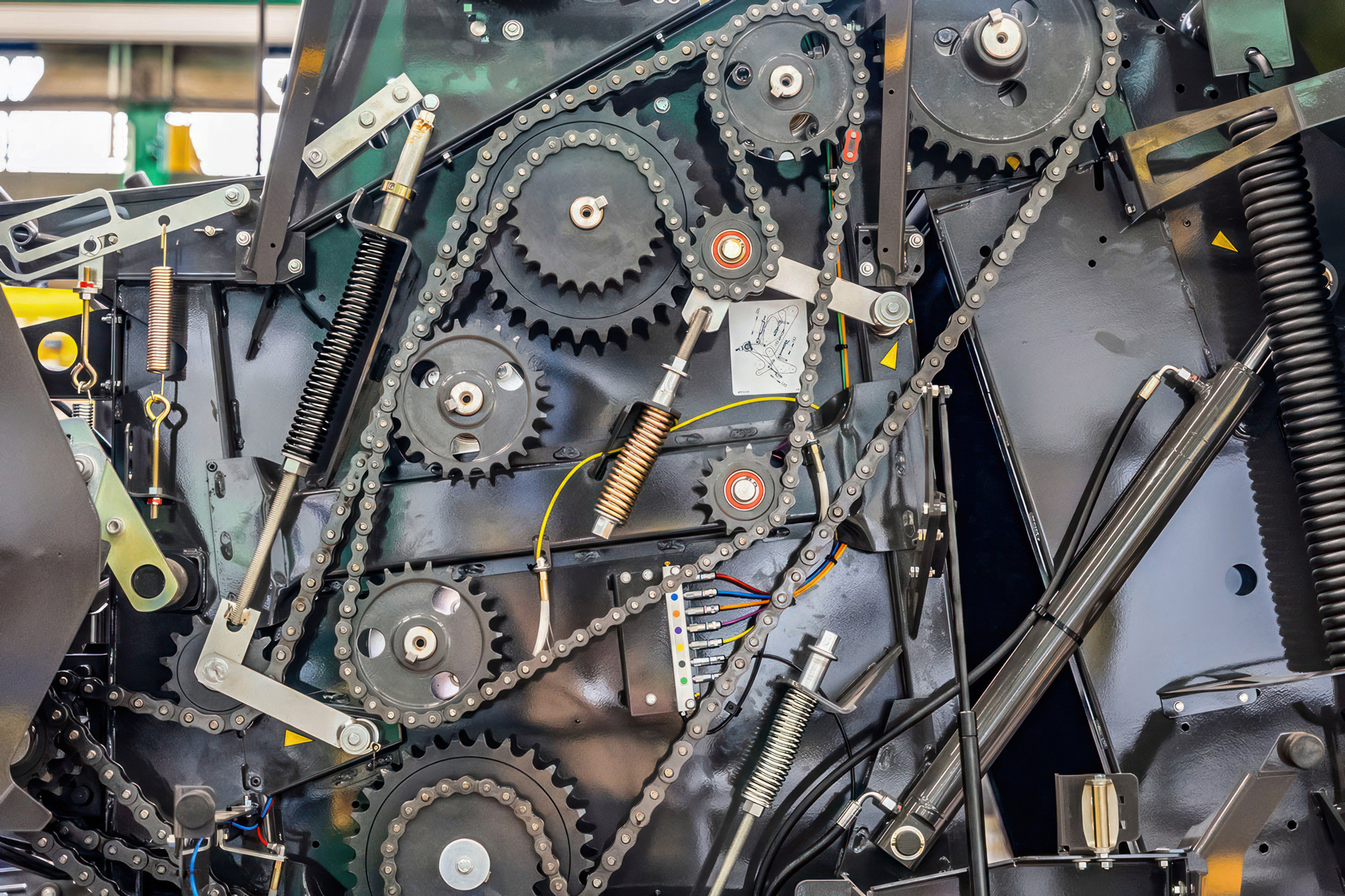
"Our latest product is the ROLLANT 630 RC UNIWRAP," explains product manager Nicolas Risse. "The baler sets new standards in terms of performance and durability." It combines efficient round bale production with advanced wrapping technology which ensures exceptionally rapid and reliable film application.

Focus on innovation


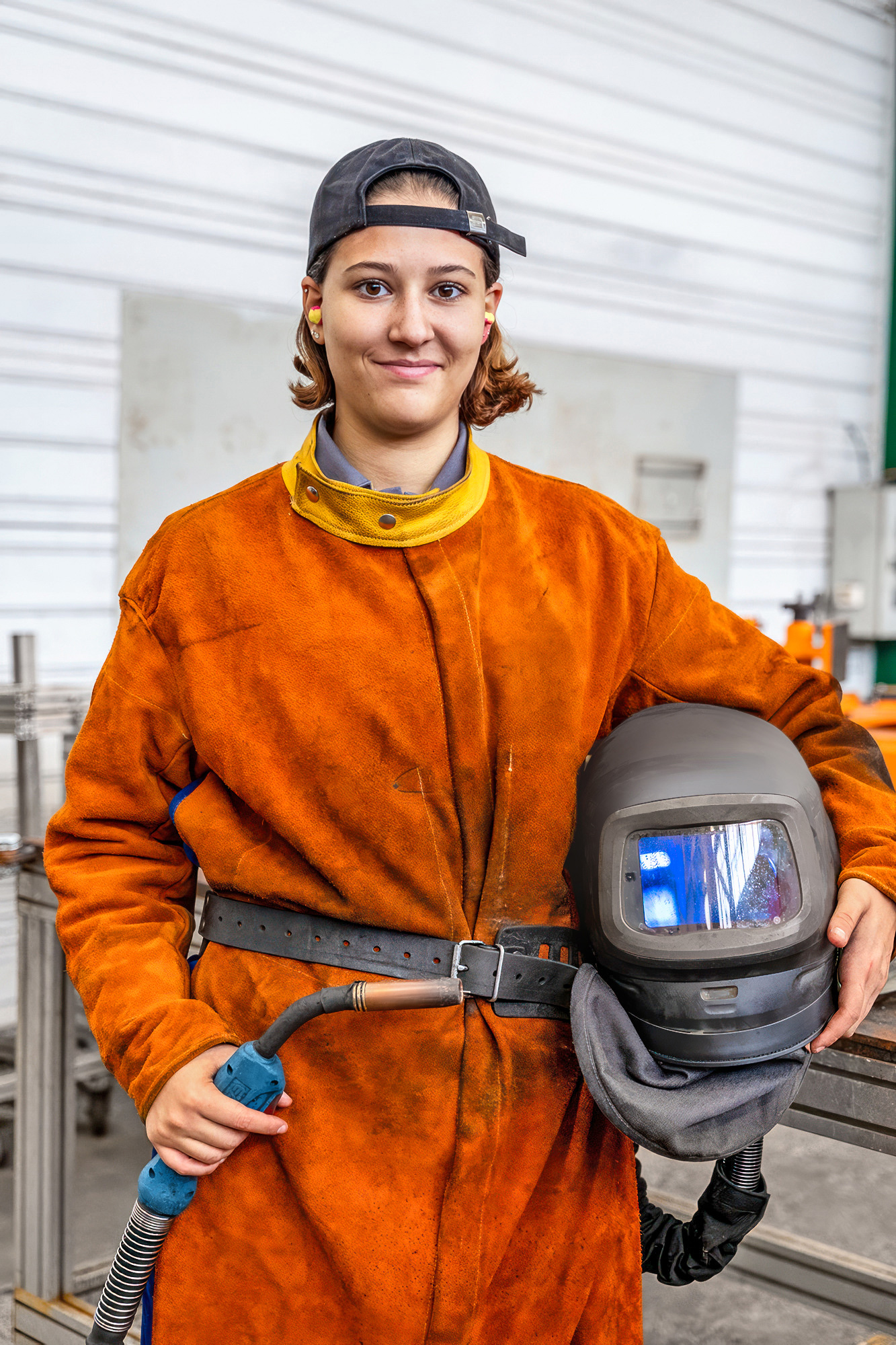
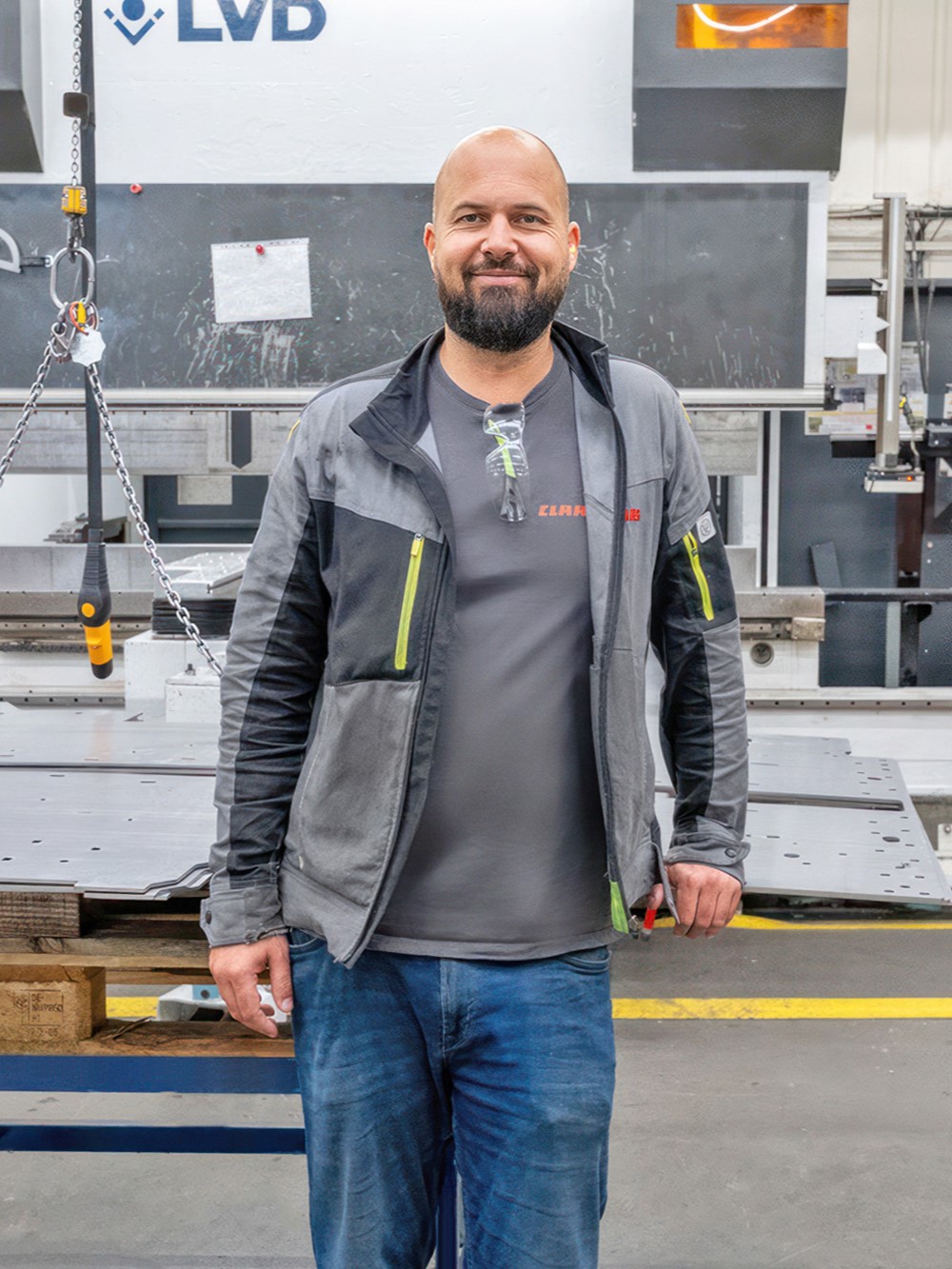
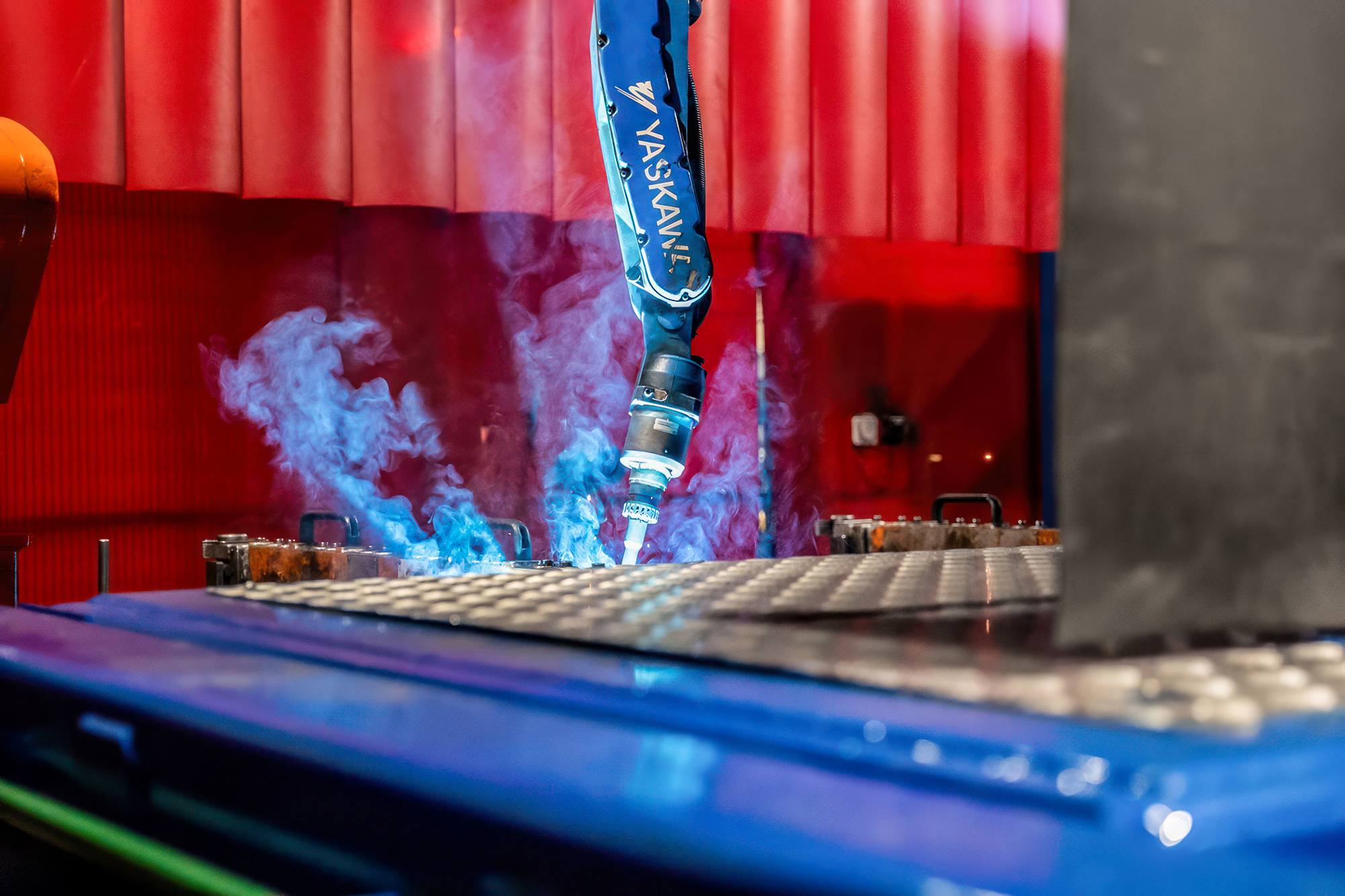
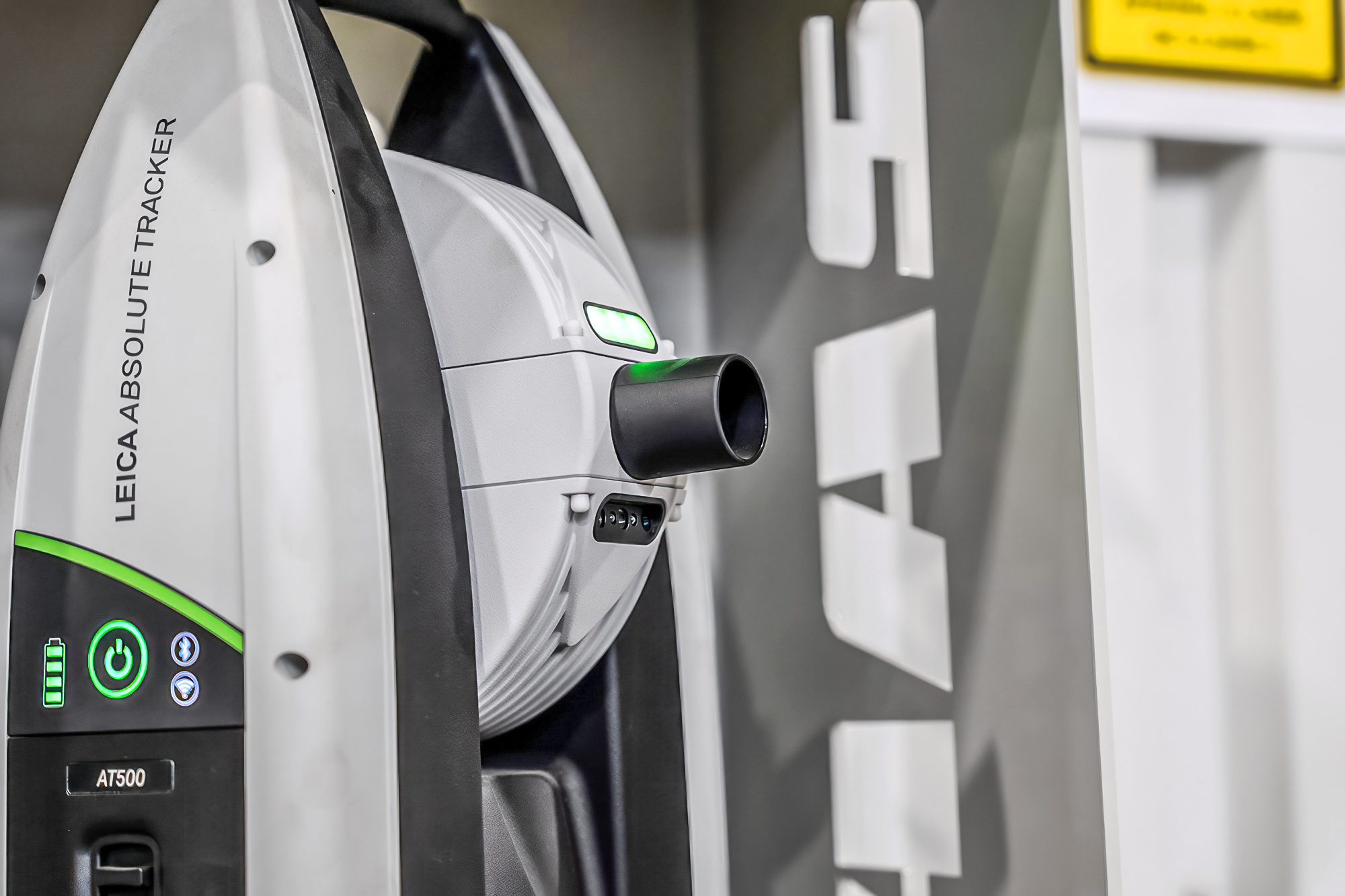
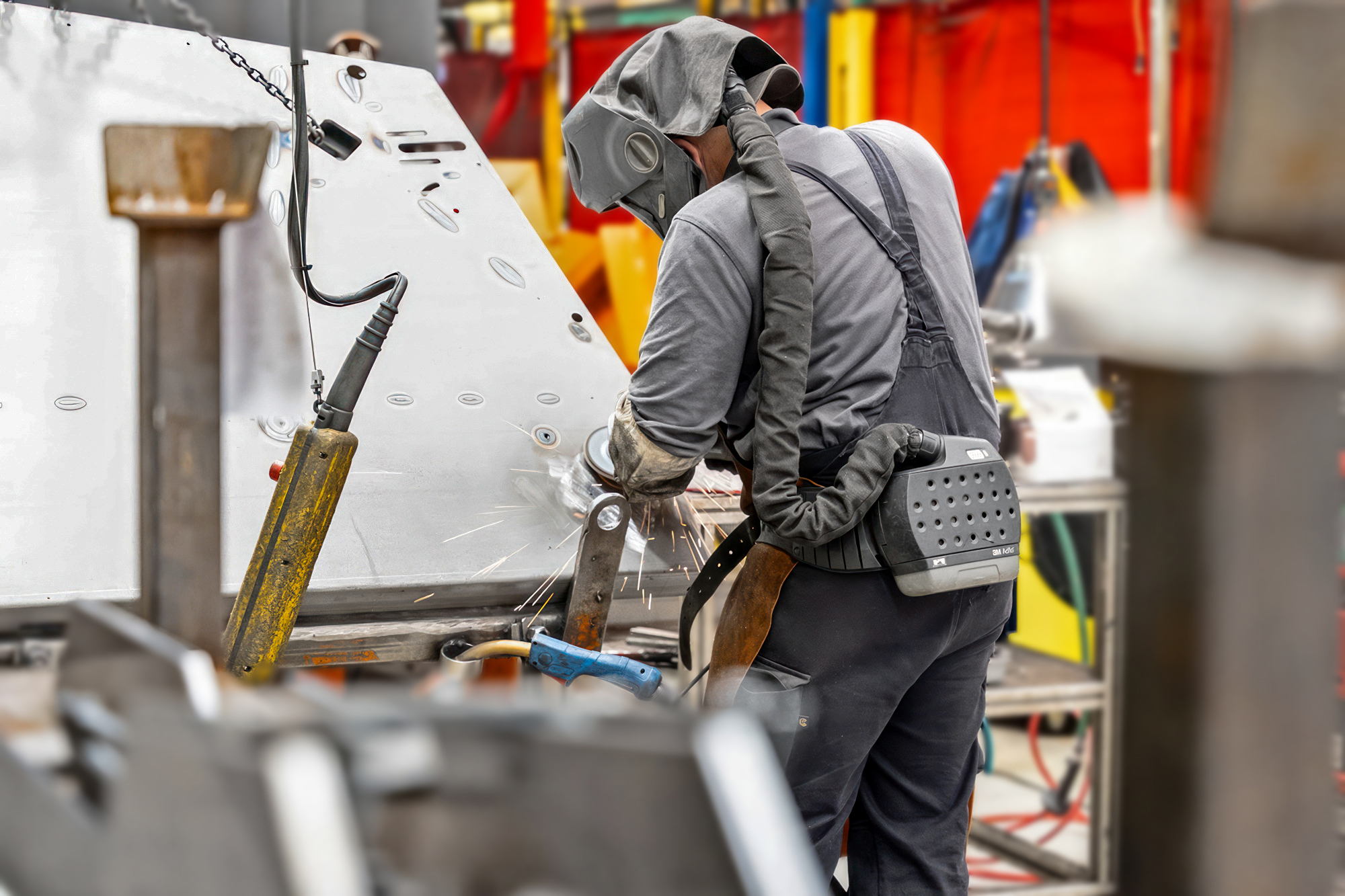
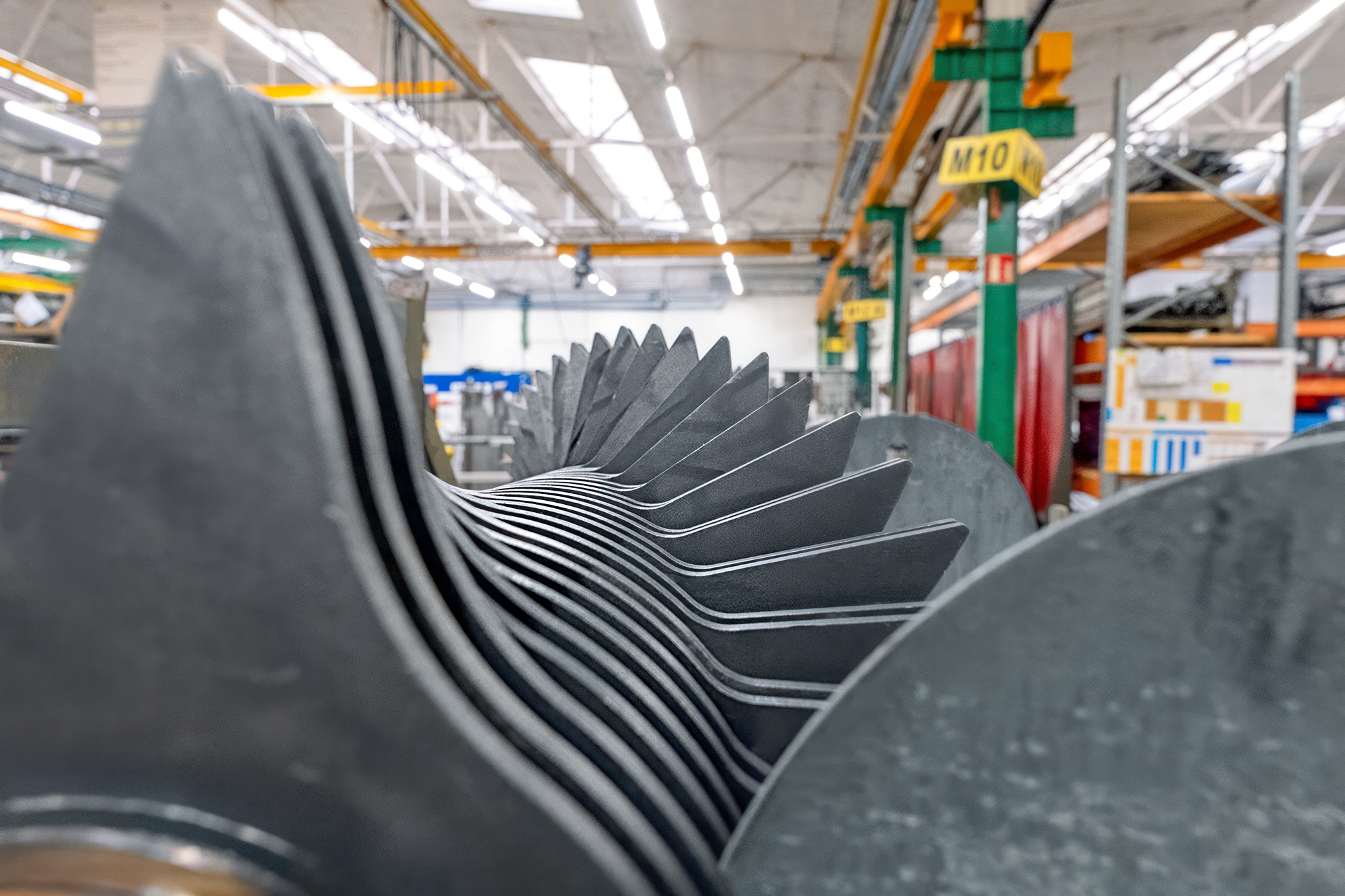
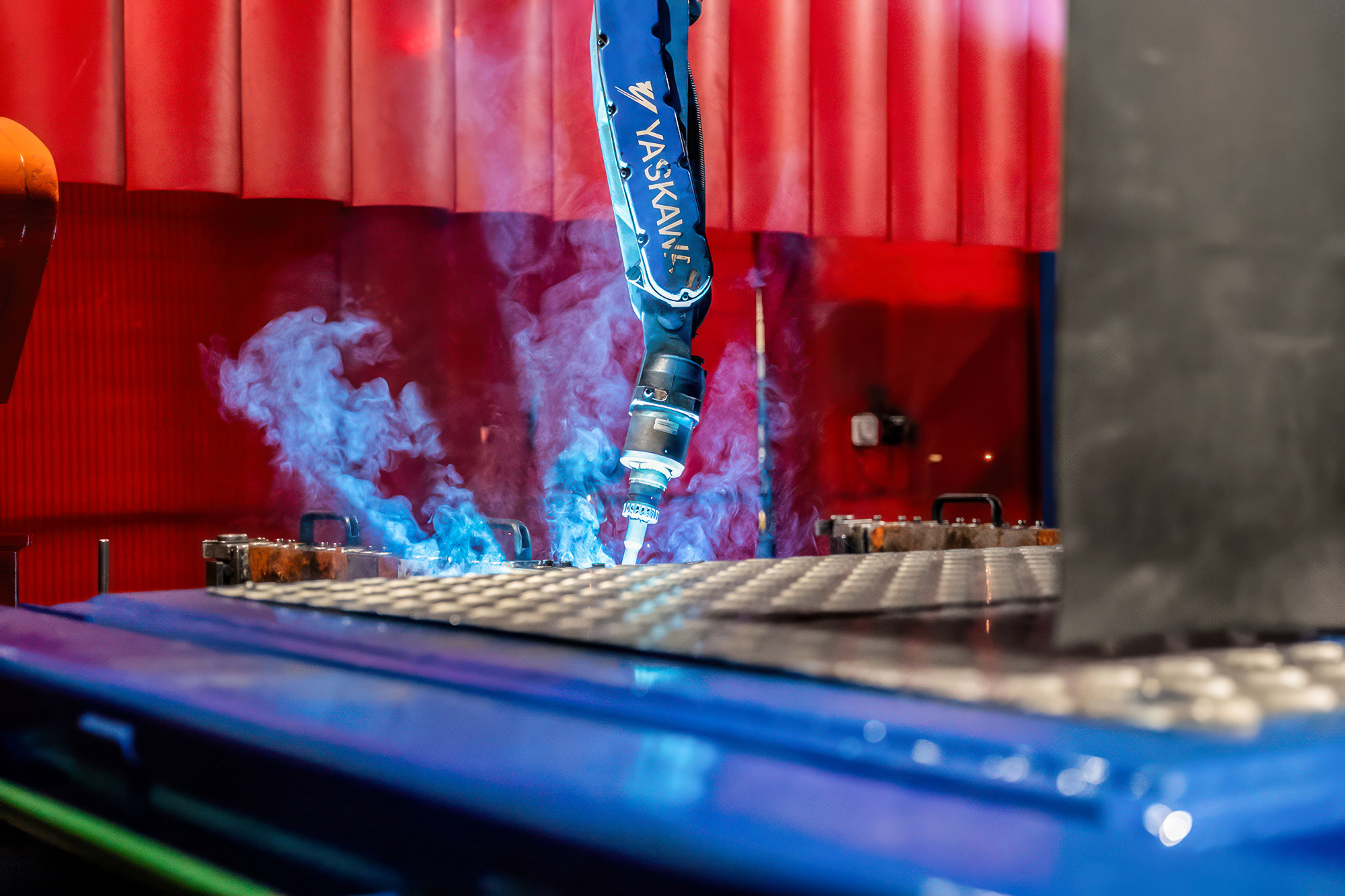
Quality made in France, made by CLAAS – that's what Woippy stands for. In addition to qualified welders, the factory relies on highly automated robotic arms to produce the ROLLANT cutting rotors, for example. "Individual parts are then checked for accuracy in the quality gates," explains site manager Cédric Zimoch. Technicians use lasers to check the accuracy of weld edges – "to an accuracy of 15 microns", quality assurance technician Hocine Ghilas proudly explains.


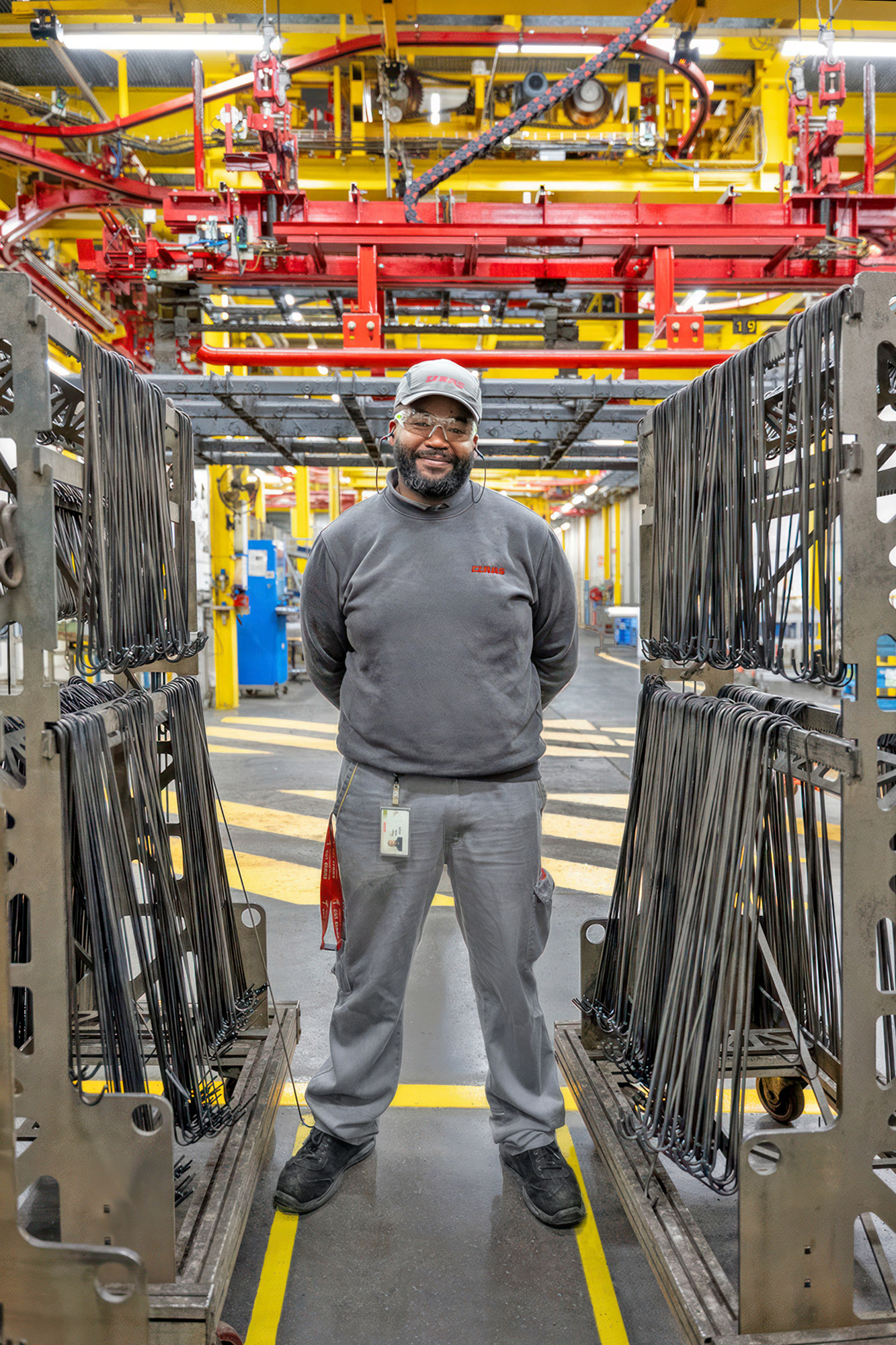
Only then are the individual parts – 2,000 to 2,500 units each day – sent to the paint shop, which was completely rebuilt in 2013. "The cathodic electrocoating process involves immersing the negatively charged parts in a paint bath containing positively charged particles. These particles are attracted to the parts, forming a uniform coating on the entire surface," explains paint shop manager Jérémy Jacquet. After the multi-stage painting and drying process, the parts pass through to the next quality gate, where they are checked once again.

Multi-stage quality assurance


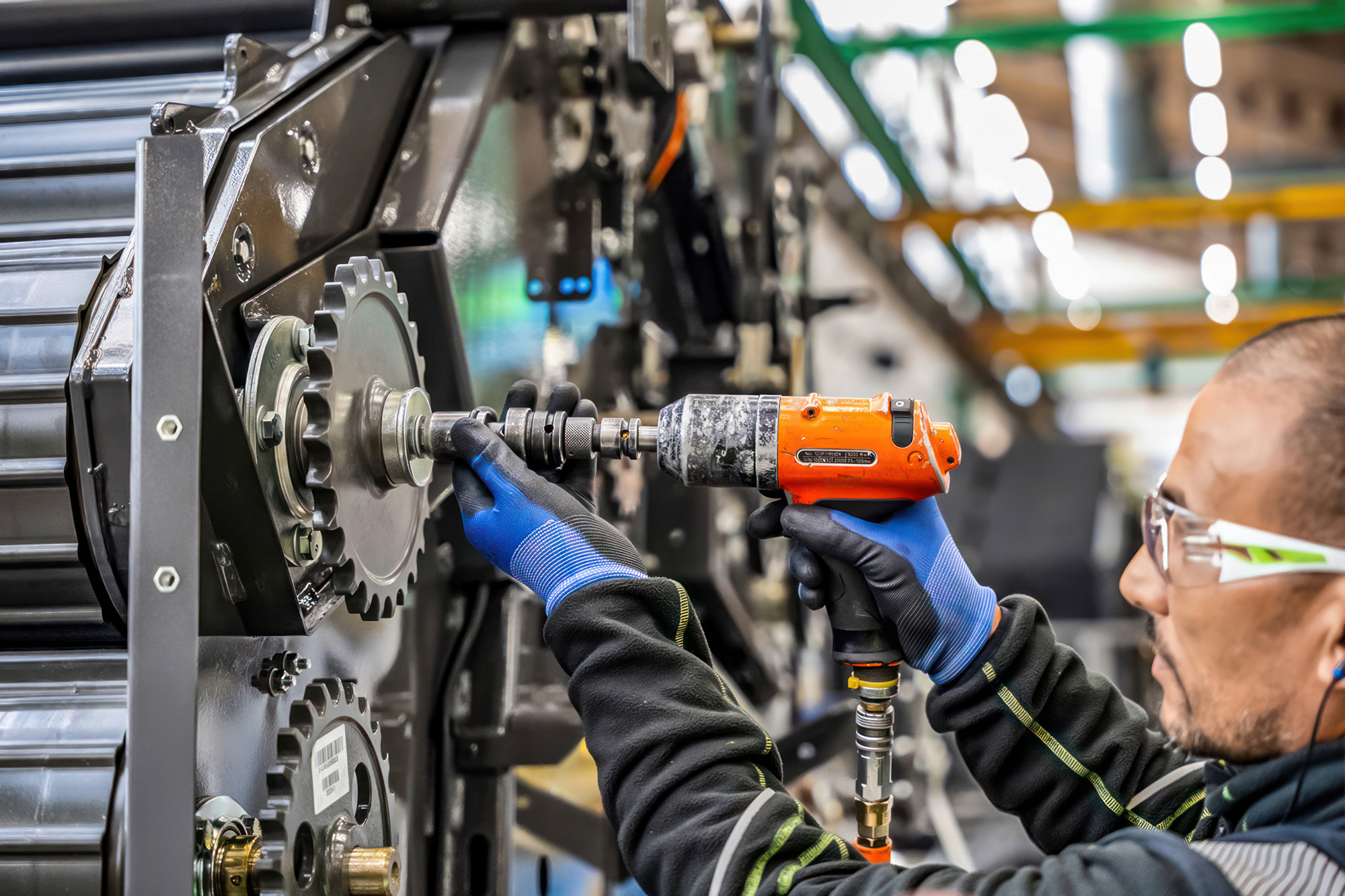
"Regular ongoing tests and inspections during production enable us to produce a better product," says Zimoch. "At the same time, psychologically, it's enormously reassuring for the employees to know that production discrepancies will be spotted when they occur rather than after the machines have been completed."


Whether research, logistics or production – the production plant in Woippy is a core component of the CLAAS world. Here, skilled craftsmanship combines with technological excellence to create machines which make work easier for farmers in more than 100 countries around the world: the ROLLANT balers used horse-drawn by Amish people in the USA for religious reasons are made in Metz. The QUADRANT balers used to process sugar cane in Southeast Asia are also made in Metz.

Five facts about Metz


1.

With a population of 118,000, Metz is the capital of the department of Moselle in north-eastern France and lies on the banks of the Moselle river near the border with Germany and Luxemburg. This location makes it one of France's leading cultural and economic centres.

2.

The Metz region is famous for growing mirabelles, a type of small, yellow plum, which are a speciality of the region. These plums are used to make jams, spirits and desserts and are closely associated with the regional identity.

3.

Metz can trace its history back over 3,000 years from its founding as a Celtic settlement to Roman times right up to its current importance as an administrative and cultural centre.

4.

Metz Cathedral, famous for its impressive stained-glass windows, and the Centre Pompidou-Metz, a renowned arts centre, attract scores of visitors each year. The city also holds regular markets selling local products and specialities.

5.

Metz lies close to the Moselle wine-growing area, which is best known for its white grape varieties such as Riesling. The vineyards on the hillsides along the Moselle shape the landscape in this region and are a popular destination for tourists and wine enthusiasts.