25 Jahre XERION
Agricultural machinery
Digital Solutions
Service & Parts
Experience
Press
About CLAAS
470560_27

The shapeshifter.

25 Jahre XERION

The history of the XERION in 12 transformations.

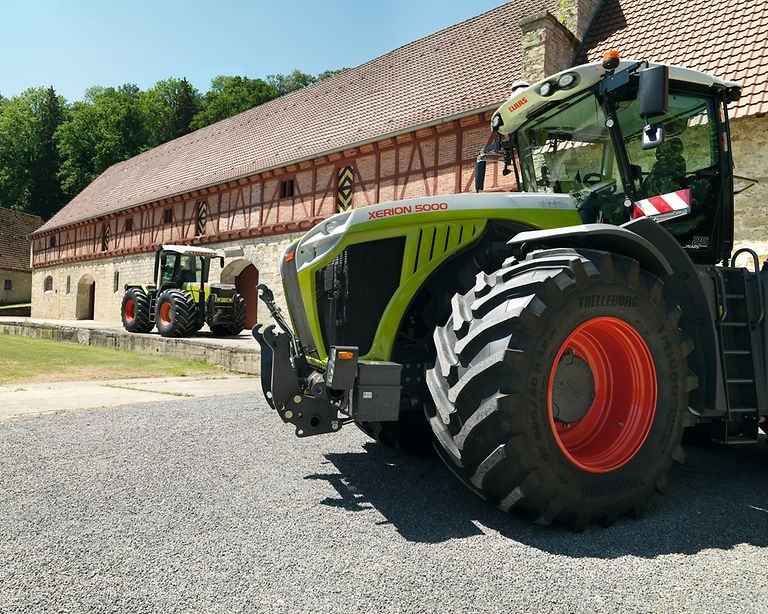
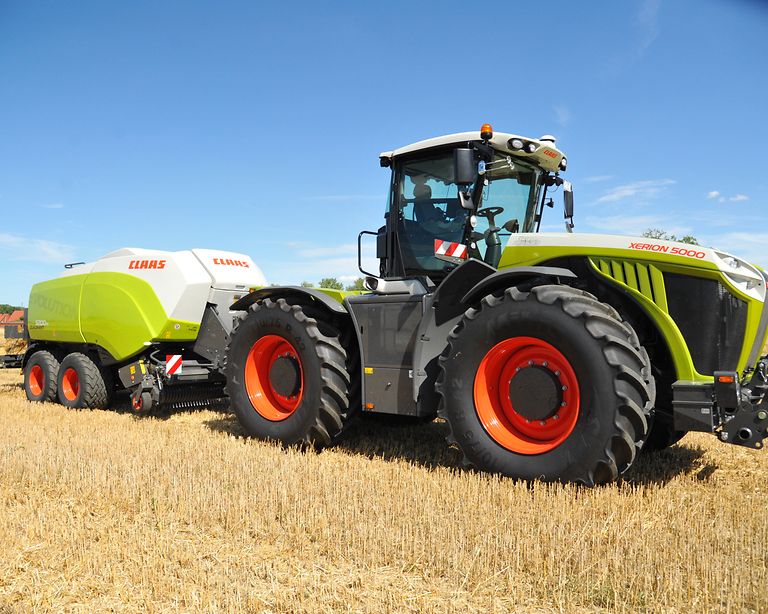
The shape-shifter: right from the start, the XERION was always meant to be more than a standard farm tractor. With four equal-size wheels, continuously variable transmission, a high engine output and many other special features, it is the ideal carrier vehicle for a diverse range of applications.

Apart from standard functions such as tillage and drilling, the XERION has been used for a multitude of tasks since it was first launched 25 years ago – many more than we originally imagined. High time for a history of the system tractor in 12 transformations (to name just a few):

21750_27

1. The vision

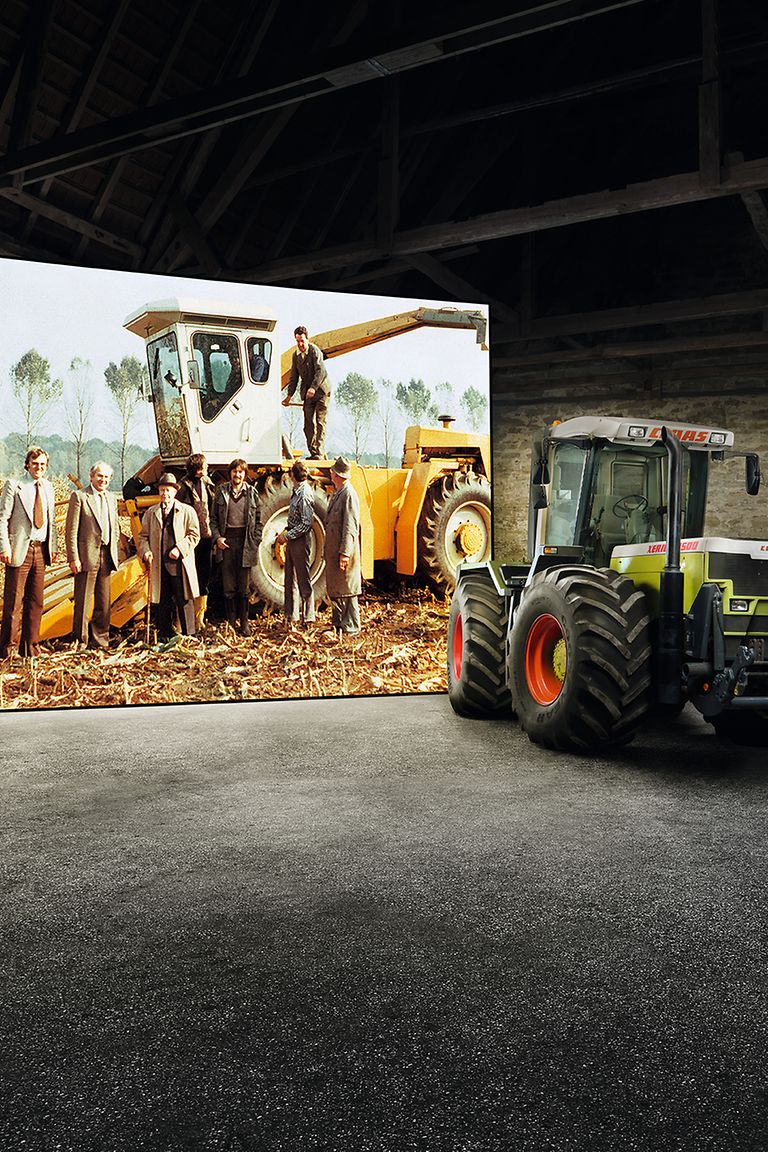
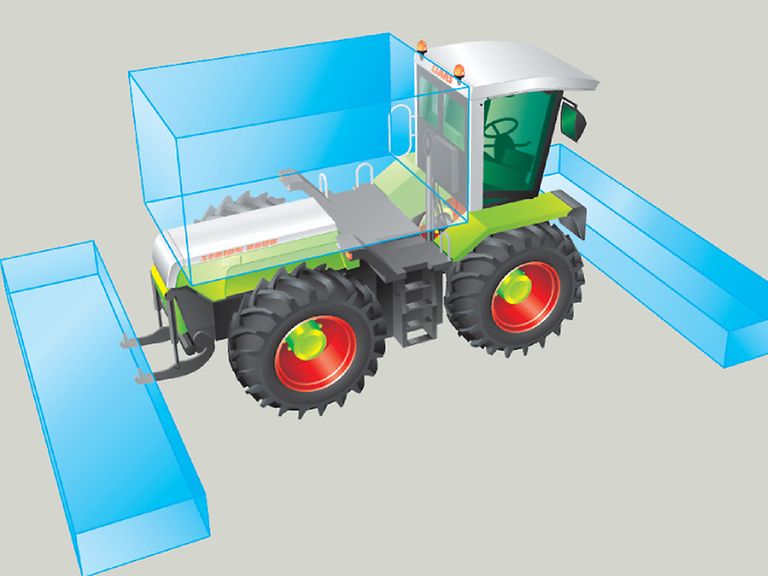
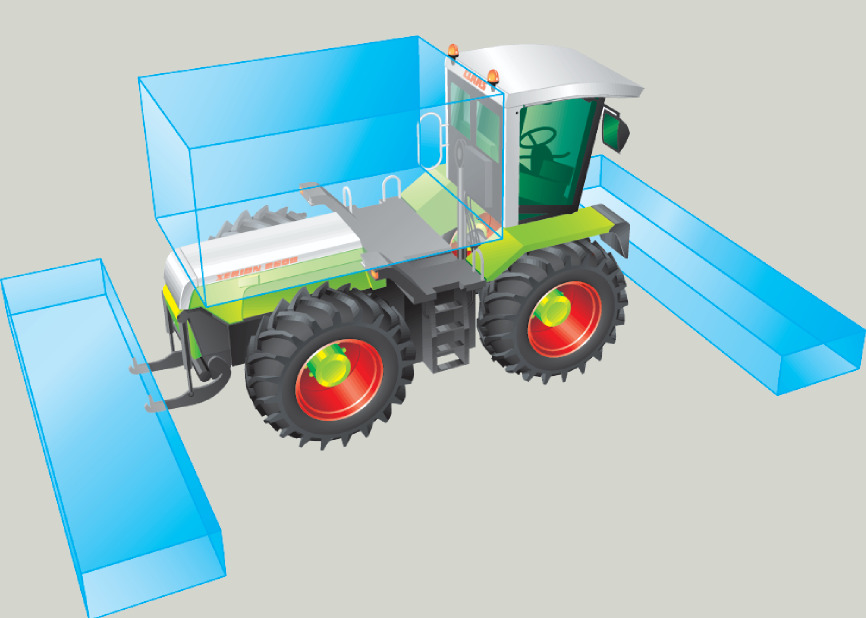
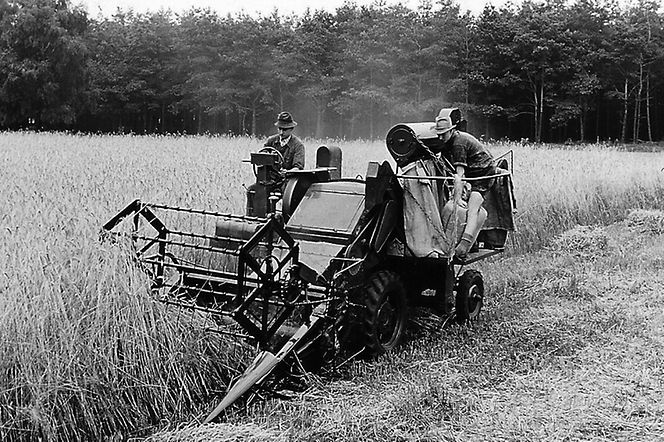
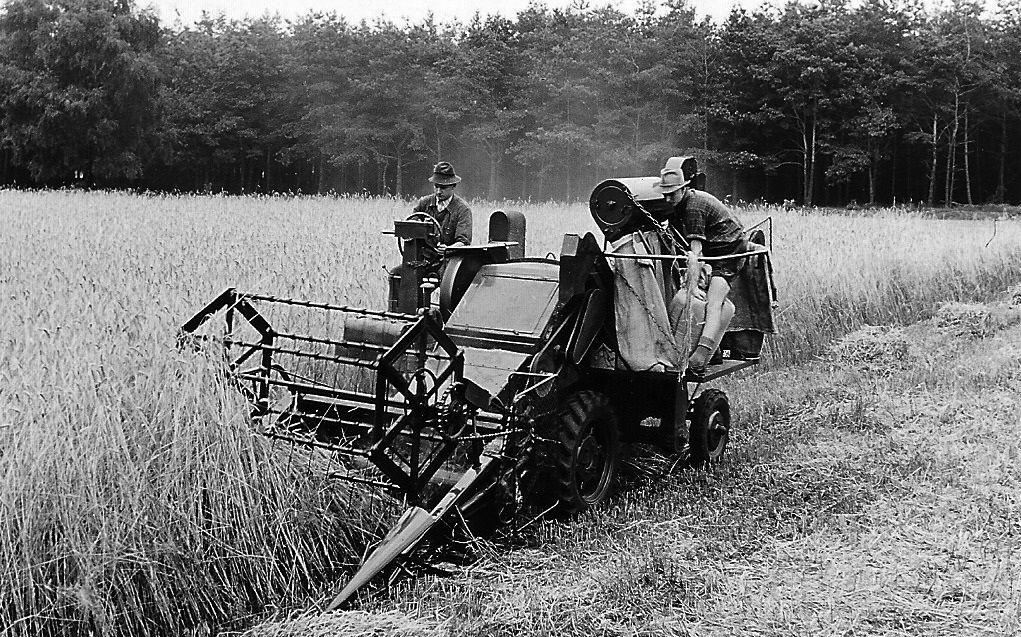
To build a carrier vehicle that could be used for a wide variety of tasks on the farm – that was the vision that Helmut Claas pursued for several years. It was almost 20 years before the first generation XERION was finally launched in 1997. The system tractor boasted continuously variable transmission and four equal-size wheels – and with a choice of four mounting areas at the front and rear, the machine could be converted into a forage harvester or even a combine harvester.

18807_27

2. The cab turner

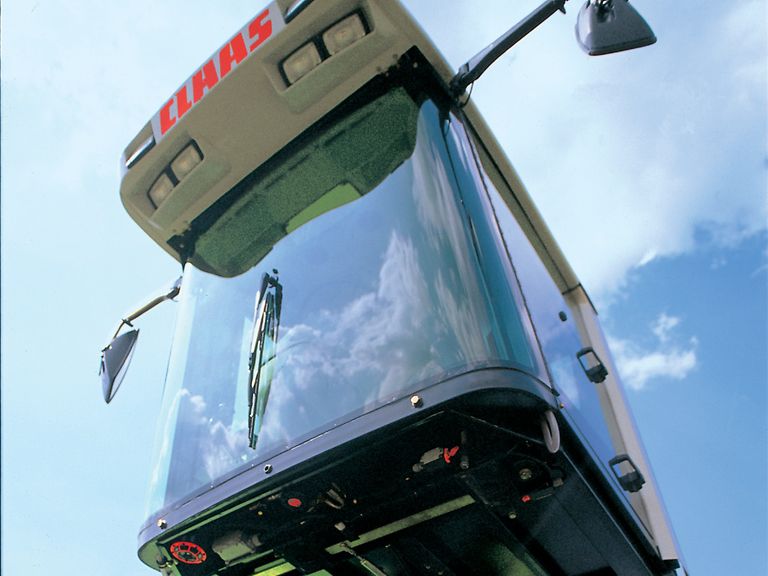
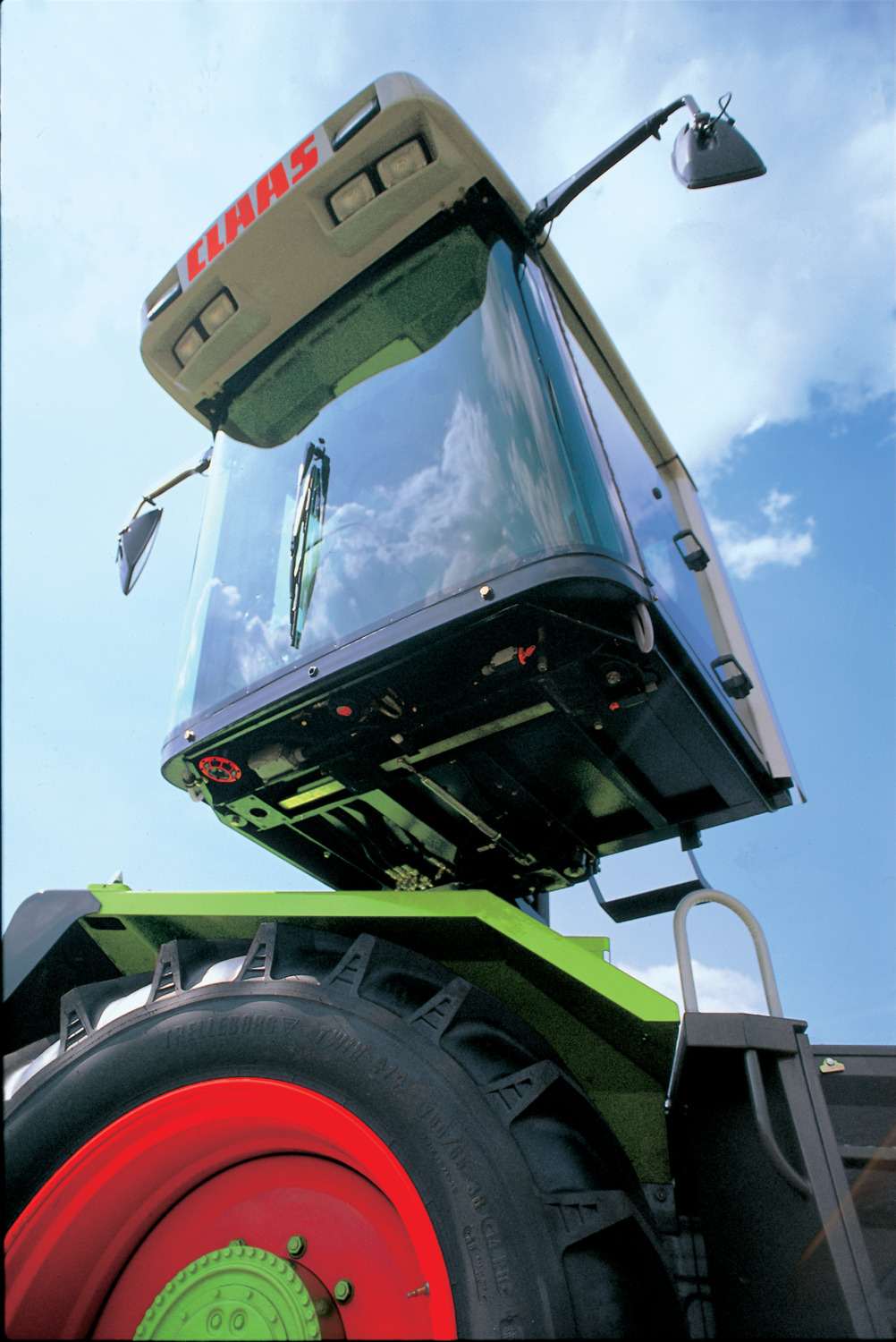
Another hallmark of the XERION is its rotating cab. This feature makes reversing much more comfortable during special applications. With normal tractors it's usually only the seat that turns, but with the XERION the whole cab rotates. So you can go from backwards to forwards at the press of a button – and vice versa.

18803_27

3. The beet lifter

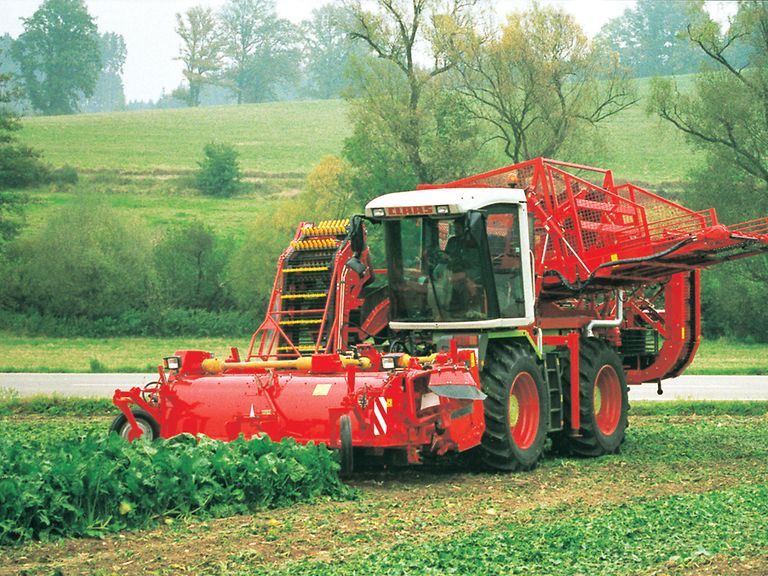
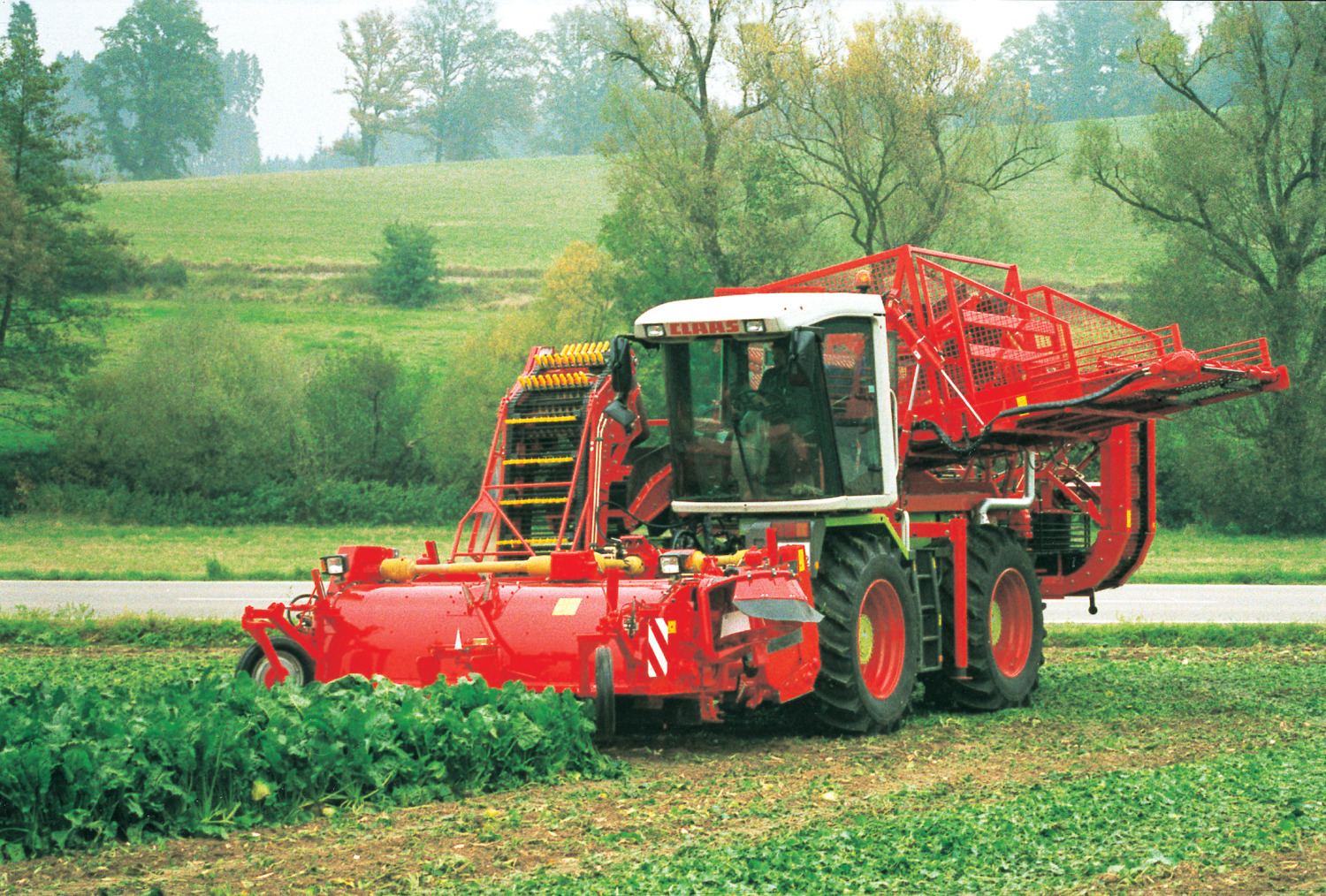
Some early customers of the first generation XERION used it to harvest sugar beet. A special attachment manufactured by Holmer converted the system tractor to a self-propelled beet lifter. Although the conversion worked very well, it never really caught on. The rapid pace of development in agricultural machinery meant that self-propelled sugar beet lifters eventually became so big that they could no longer be replaced by a carrier vehicle with an attachment. But here at least was proof that a system tractor could be a genuine alternative to a harvesting machine.

470781_27

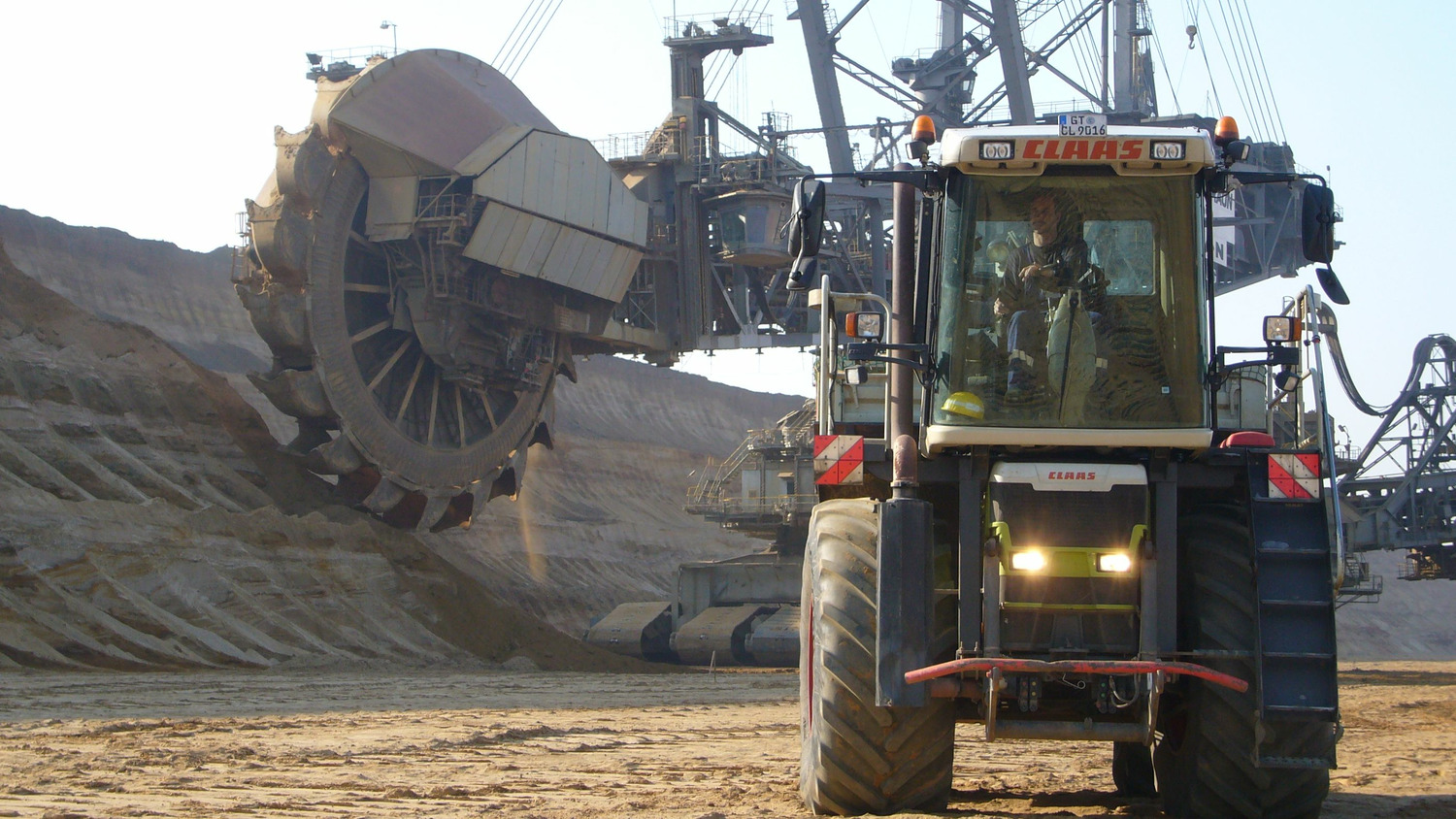
4. Opencast mining machine

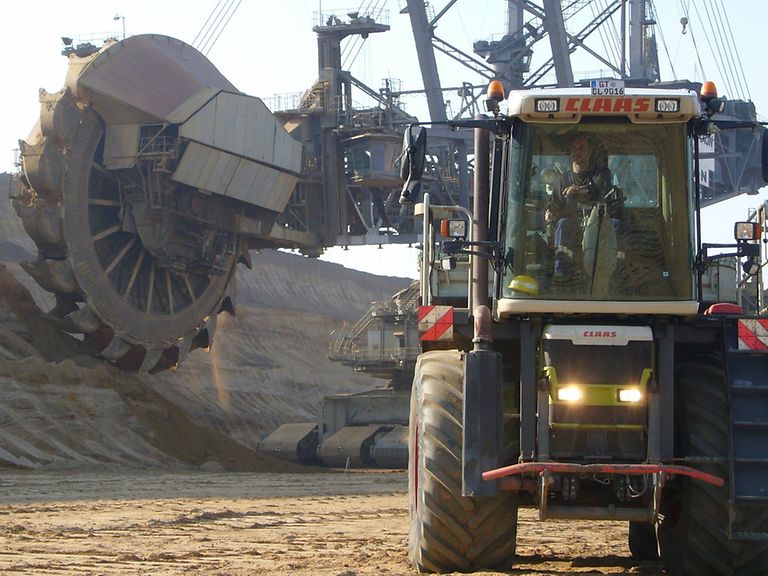
The second generation system tractor came on the market in 2003. With up to 380 hp, the XERION 3800/3300 was exceptionally powerful – making it a sought-after machine for specialist applications right from the start. For instance, with the right attachments, the system tractor can be transformed into a valued member of an opencast mining fleet and used to move and maintain drainage pipes and well shafts. The XERION is ideal for this type of work, since its full frame gives it an enormous load capacity. What's more, its hydraulics have enough power to operate a crane lifting heavy pipes.

1031_27

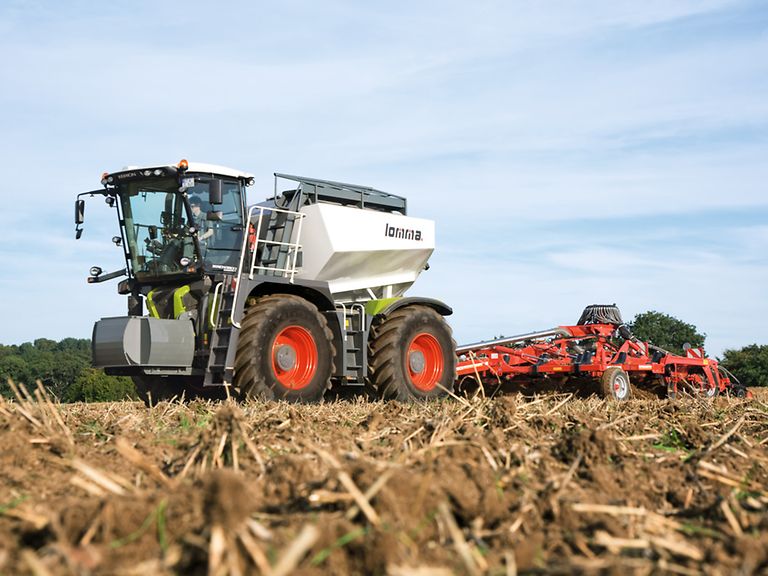
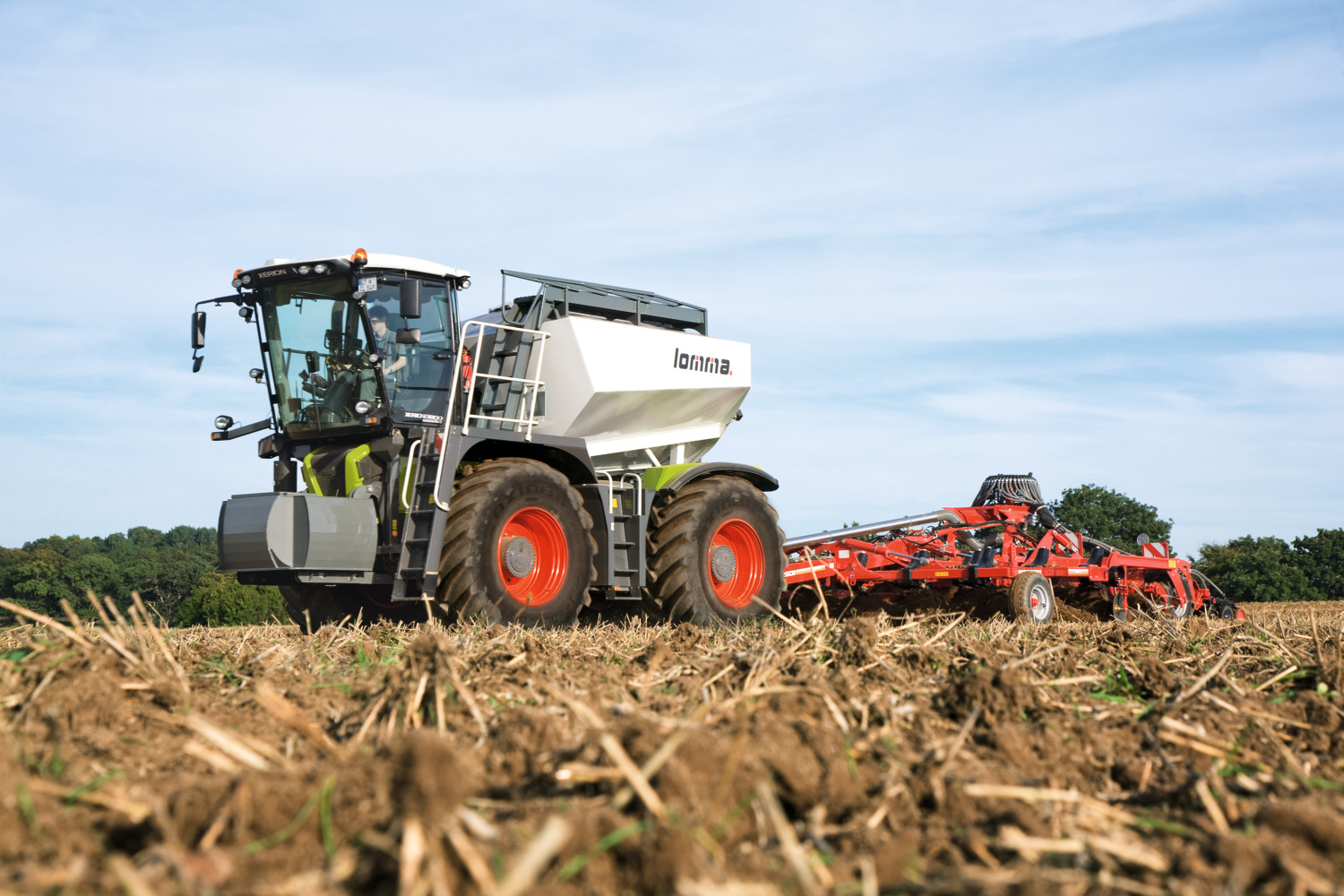
5. The seed drill

Seed drilling is one of the many talents of the XERION 3800/3300. Thanks to its full frame, the system tractor can carry a far larger seed hopper than normal seed drills. So the driver can cover more hectares per day during their shift since they don't have to stop as often to refill. At the same time, the XERION protects the soil as its load is evenly distributed on four equal-size wheels.

178873_27

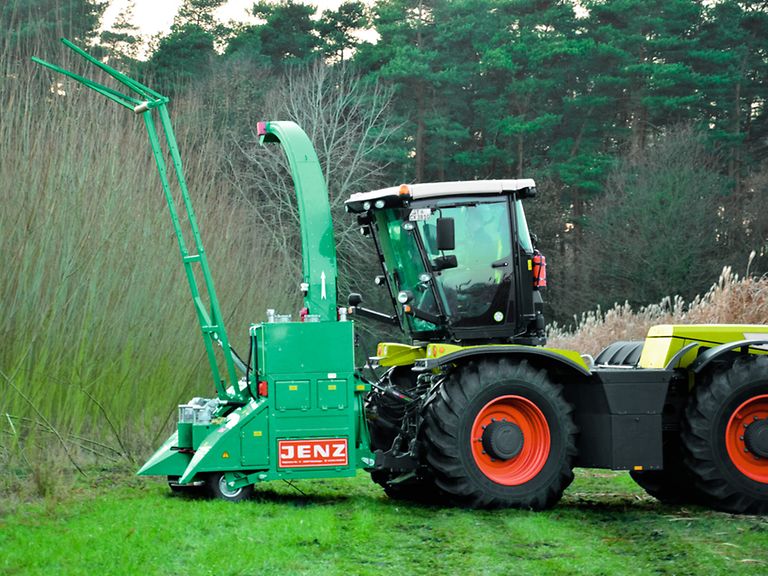
6. The fuel harvester

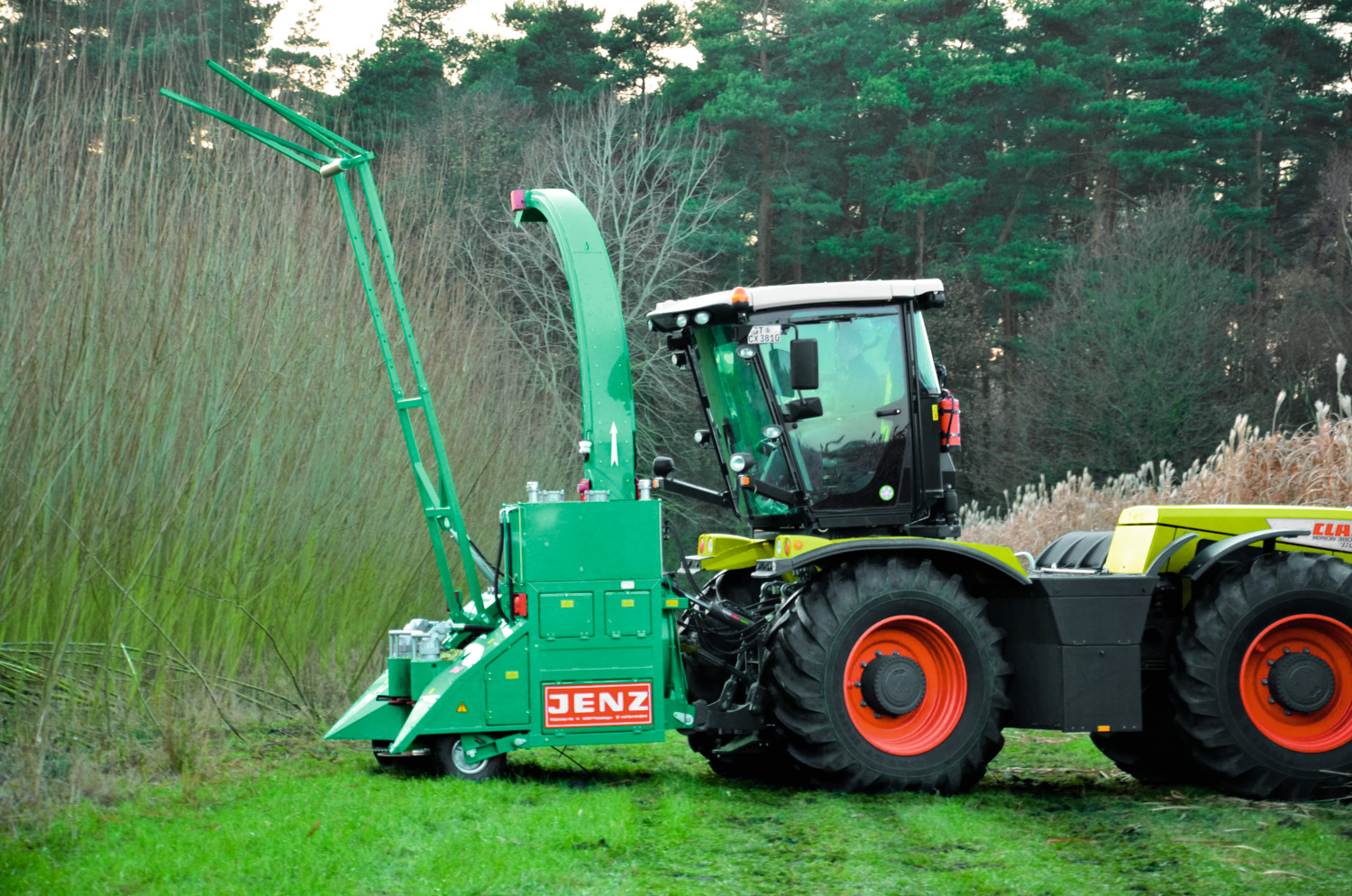
Poplar and willow: at one time these fast-growing trees were favoured as an alternative energy source. They were also considered to be CO2-neutral, since they release only as much carbon dioxide during combustion as they absorb during their lifetime. The XERION was often used to harvest this woody growth. The engine's high torque and PTO output are ideal for chopping. However, this area of application failed to gain widespread acceptance in the long run as in recent years pellets gradually supplanted poplar, willow and other biomass crops.

191992_27

7. The wood champion

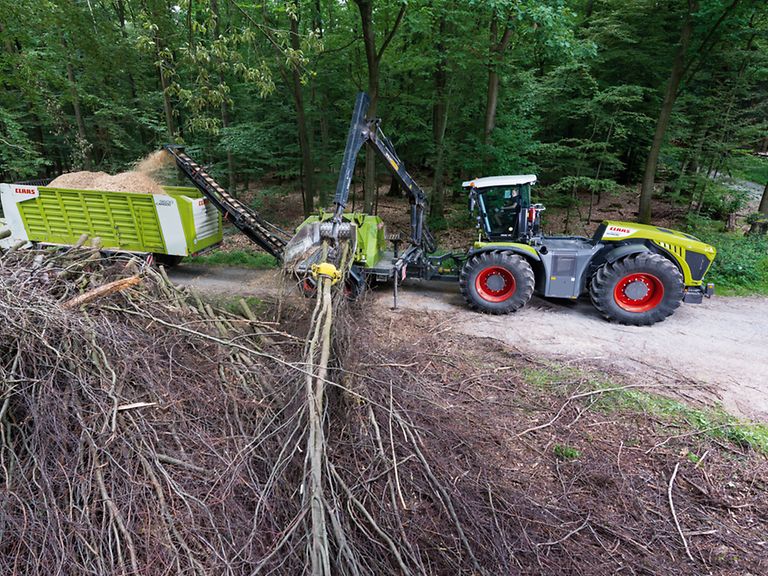
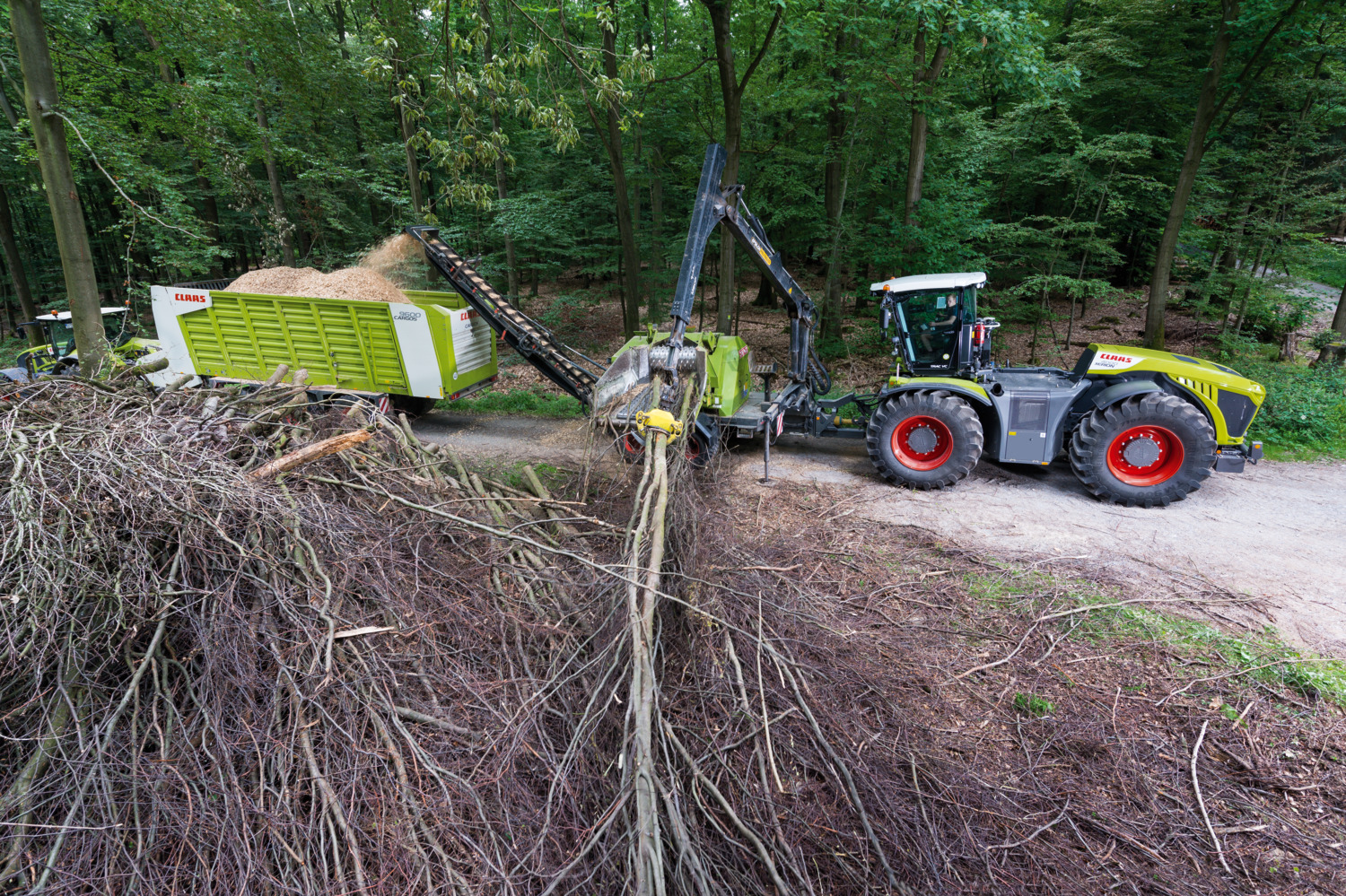
Wood chipping and stump grinding are two other specialist areas that the XERION has mastered. With high power delivered to the PTO and high hydraulic output, the flagship CLAAS tractor is in its element driving and controlling the grab. When stump grinding, it's important to drive extremely slowly and with great precision, backwards as well as forwards. With its high engine output, continuously variable transmission and rotating cab, the XERION is ideally equipped, especially the 500 hp 5000/4500 generation. The highly efficient PTO helps the tractor drive the grinder in dense thickets.

470782_27

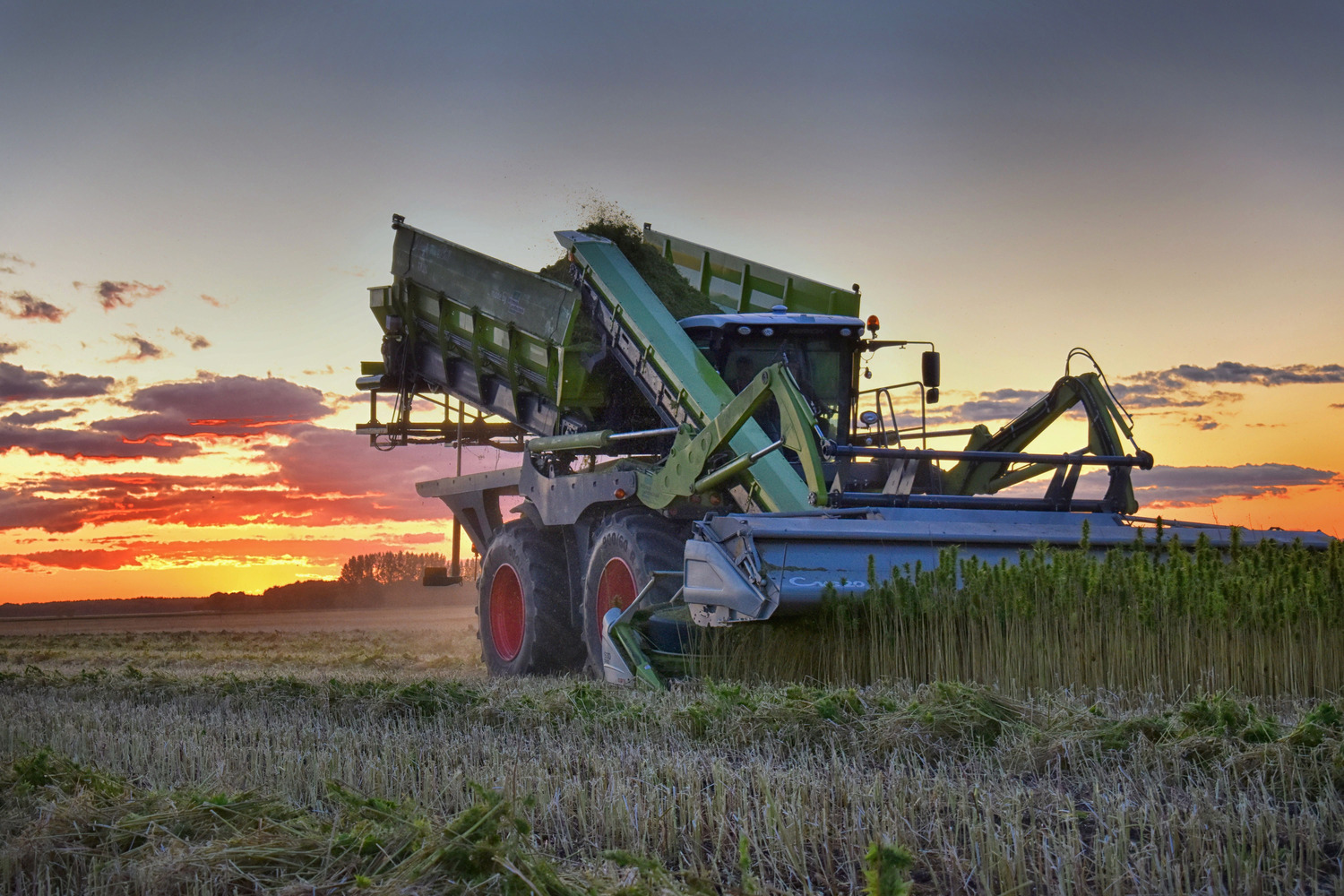
8. The hemp harvester

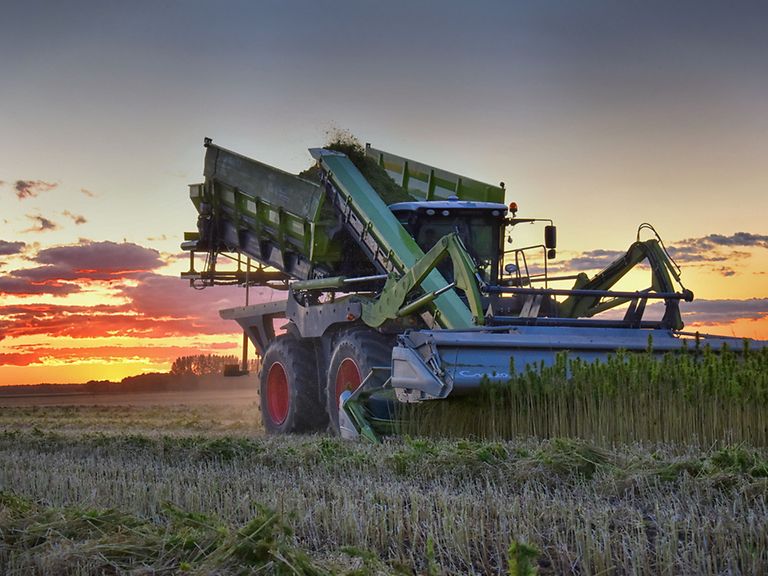
Whether as a medicinal product or a composite material in the automotive industry – hemp finds its way into a wide variety of products. But harvesting this crop is no easy matter: hemp harvesters have to strip the leaves, and cut, press and chop the stalks. The complexity of this process calls for especially large machines. With the right attachments, the XERION is more than up to the job thanks to its full frame and high hydraulic drive power.

128217_27

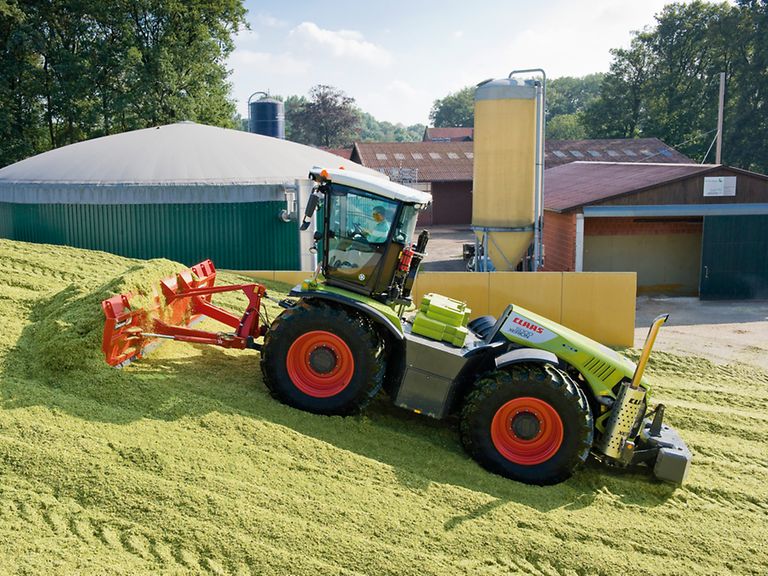
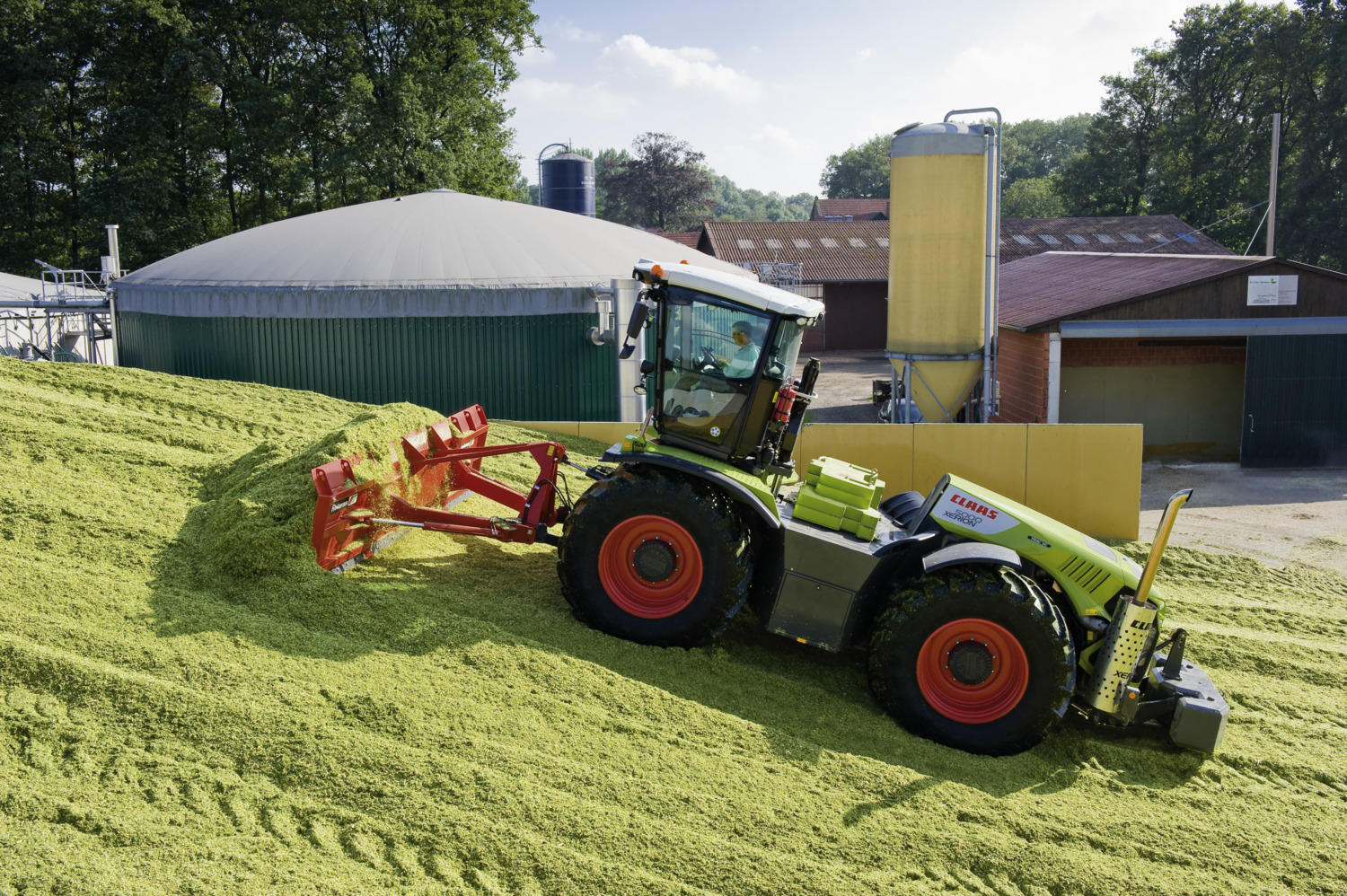
9. The silage clamp master

Silage clamp work is one of the most popular uses for the XERION. Its rotating cab provides an all-round view of the working environment, while its high dead weight helps to compact the silage. And crab steering mode allows the system tractor to roll twice the area in a single pass. High torque combined with low engine speed makes fuel consumption relatively low, yet delivers impressive pushing power – so operators can fit extra-wide silage blades and push even more material.

372908_27

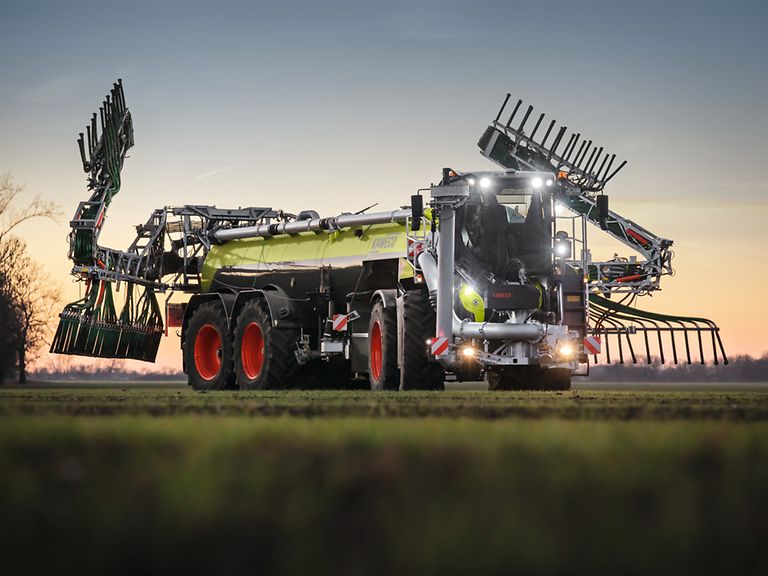
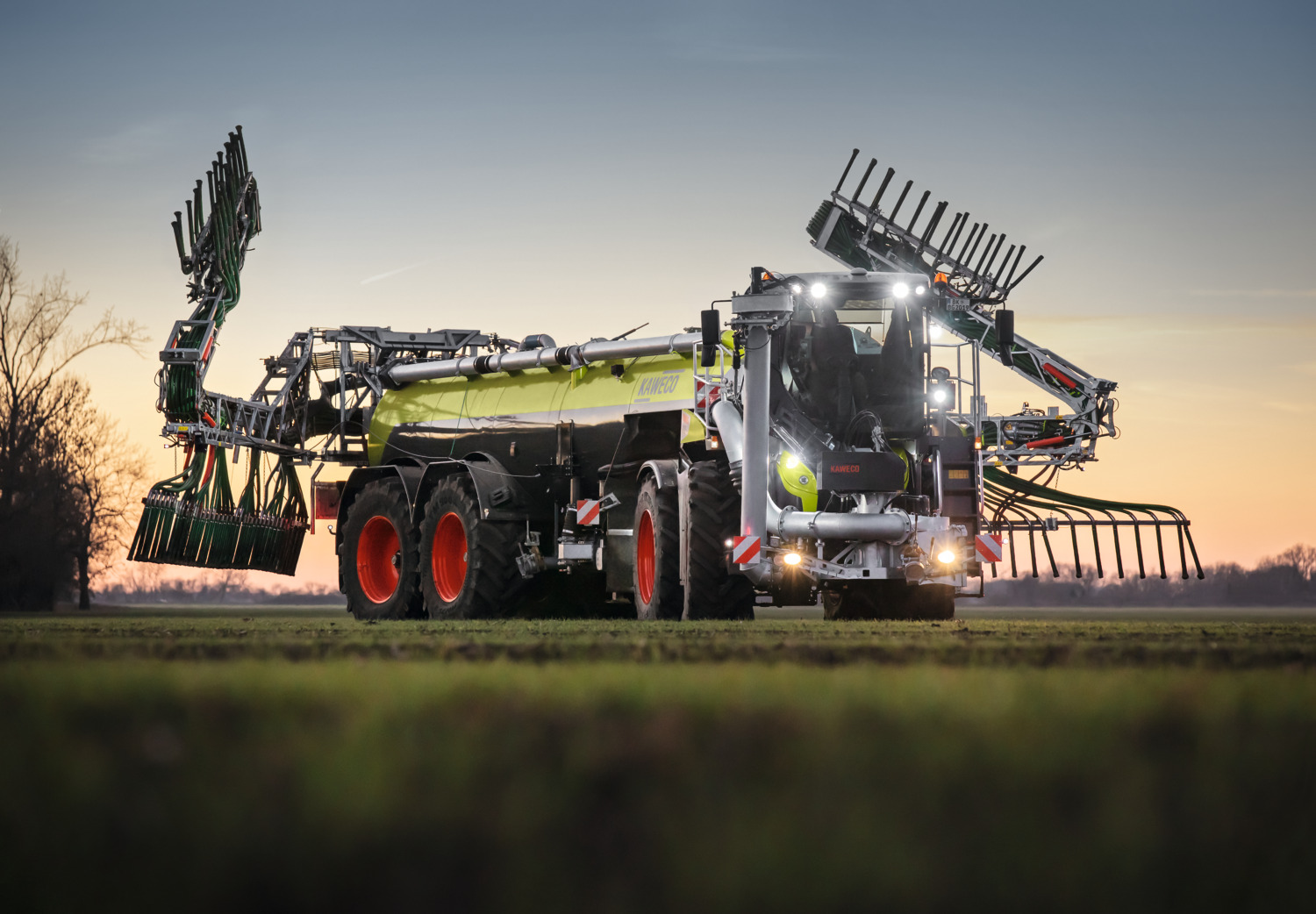
10. The manure spreader

The XERION excels at manure spreading too. The TRAC or SADDLE TRAC variants can pull very large, heavy tanks. And they're gentle on the soil in crab steering mode. The unique swan neck attachment ensures that the tank load lies between the axles rather than being confined to the rear axle – as with other machines. It also makes for a shorter, highly manoeuvrable combination.

209715_27

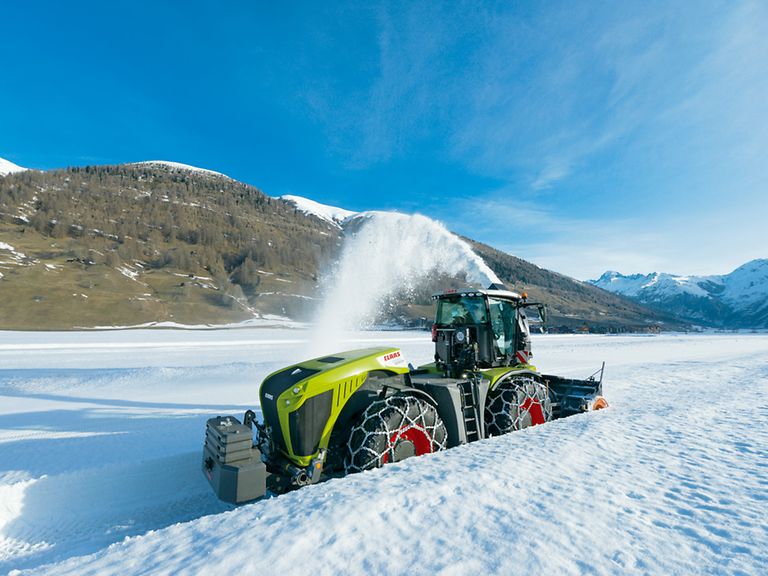
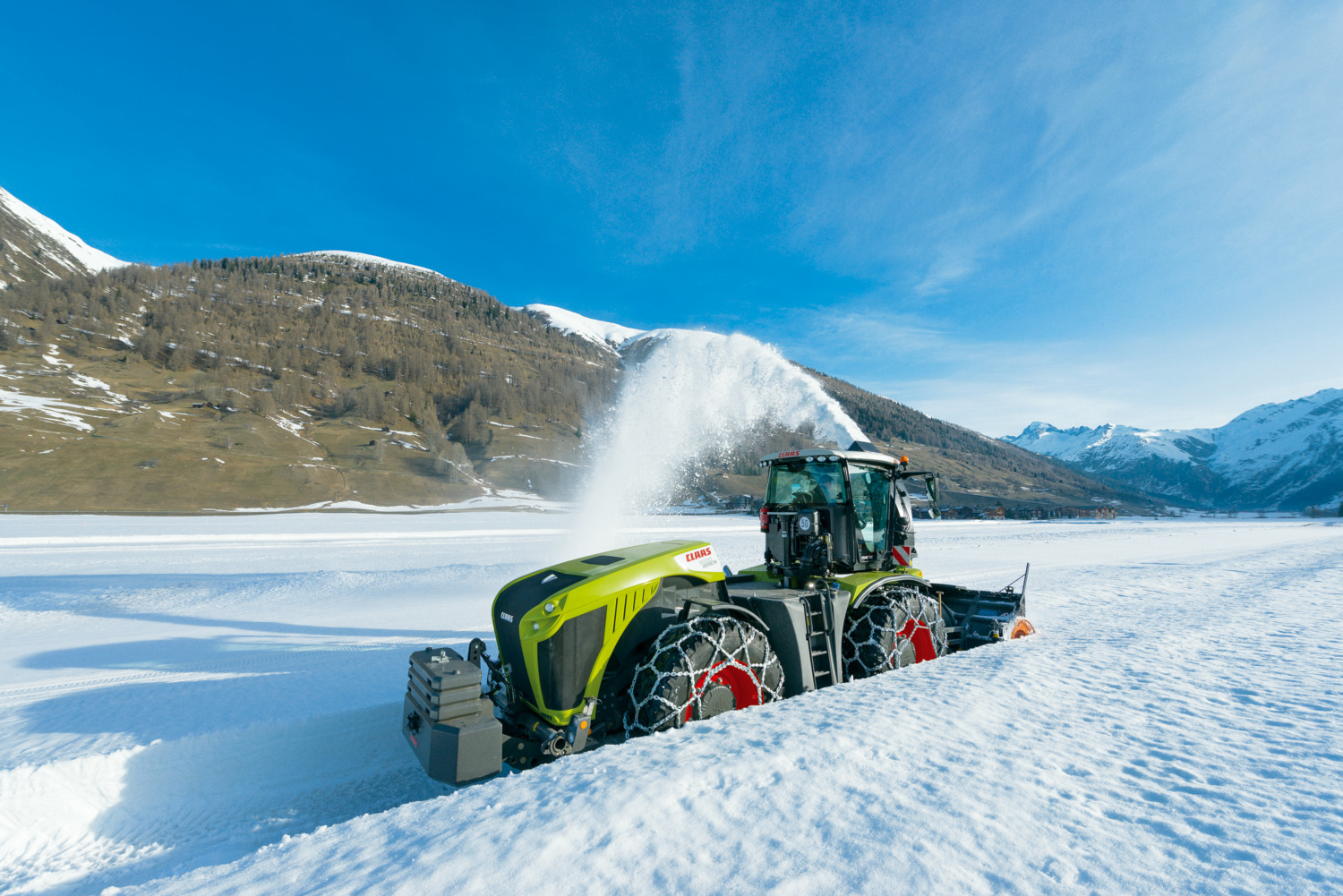
11. The snow blower

Metre-high snow blocking the roads? Time to deploy the XERION. Its high PTO output makes it ideal for driving a snow blower. With high torque at low engine speeds, it can do the job particularly efficiently.

470783_27

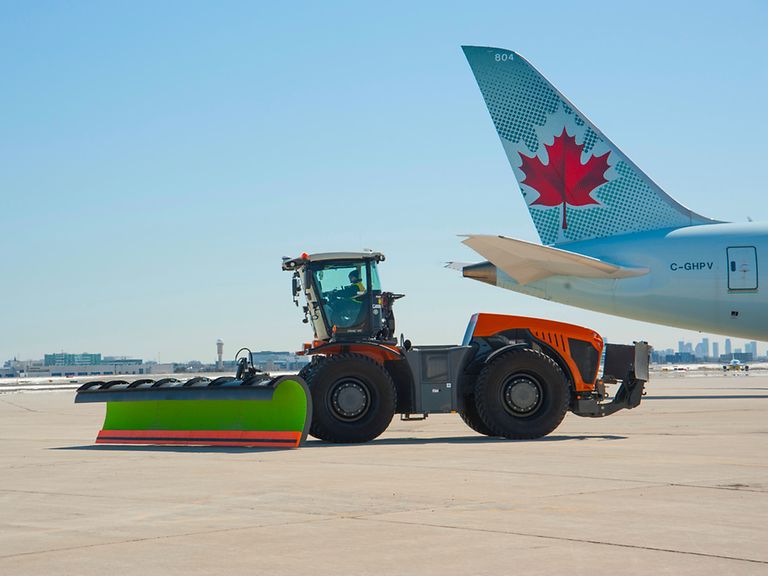
12. The all-rounder

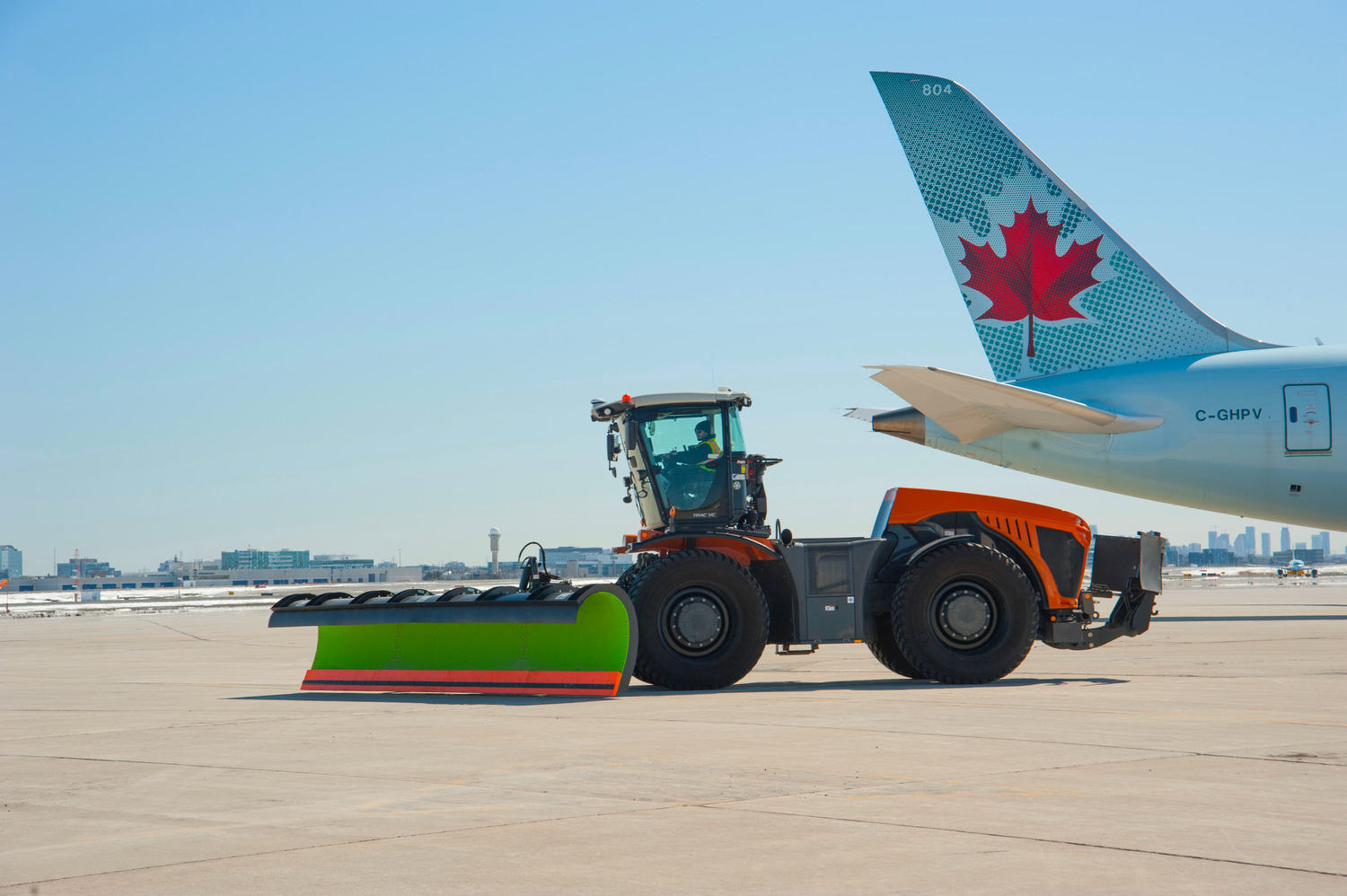
The XERION is also used at airports for snow clearing, road sweeping, spreading and transporting loads. A genuine all-rounder. What sort of transformation will the XERION undergo next?

It was a long journey.

25-years-xerion-pic-tomislav

Tomislav Novoselac

CLAAS archivist and company historian

After almost 20 years of development, the first generation XERION appeared on the scene in 1997. CLAAS archivist and company historian Tomislav Novoselac explains why it took so long to reach market readiness and which core features the system tractor has retained to this day.


So what prompted CLAAS – the harvesting specialist – to build a tractor?

There were a number of factors involved. For a start, the tractor is the most important machine on the farm, because it forms the basis for so many activities – from tillage and drilling to various tasks around the yard. So for CLAAS, being able to offer our own tractor was an enticing prospect. Then in the nineties economic necessities came into play, as dealer networks increasingly focussed on suppliers who could offer a full product range. Agricultural machinery manufacturers without tractors struggled in this environment. And last but not least, producing our own tractor was a long-held dream of August Claas and his son Helmut Claas – a dream they pursued for several decades.

Why was the project so important to them both?

Helmut Claas in particular was convinced that a multi-functional tractor could make farming more economical. As he saw it, the most expensive component of an agricultural machine is the drive train. He thought it would be very efficient if you could use a farm tractor with different attachments to perform a variety of tasks around the farm. At the same time, an exceptionally versatile and powerful tractor with over 200 hp was such an unusual concept that we would stand out from the competition in the tractor market.

What were the forerunners to the XERION?

The HUCKEPACK launched in 1957 was in a sense the forefather of the XERION. This vehicle was an implement carrier which could be used for a variety of tasks such as tillage, drilling and even mowing. But the unique selling point of the HUCKEPACK was that it could be converted to a combine harvester. However, due to technical difficulties it remained in production only until 1960. Then came the HSG (its name is the German acronym for hydrostatic transmission). It was a prototype which CLAAS worked on from 1968 to 1972 to test the transmission to which it gave its name. This too was a multi-purpose vehicle with four equal-size wheels. Then in 1978 Project 207 was launched, which was later to become the XERION.

150354_27

It would be almost another 20 years before the XERION first appeared.

Yes, it was a long journey. But for Helmut Claas it was essential for a tractor made by his company – unlike rival brands – to have a continuously variable transmission for greater comfort during field work. This was a totally novel concept at the time. So perhaps unsurprisingly, finding a suitable supplier proved difficult. CLAAS engineers tested several continuously variable transmissions, and even developed one themselves, before eventually finding a solution in the mid-nineties, and then the XERION was born.

How did farmers react to the first generation XERION?

It went down well with the selected customers who were the first to try out the XERION. But the first generation did have a few shortcomings. There were calls for more engine power and the continuously variable transmission did not work quite as we had hoped. So we installed a ZF transmission in the second generation, the XERION 3300 and 3800. These models were launched from 2003 along with the new standard tractors. Since then, the XERION has really grown in popularity.

The XERION has a large fan base and generates a great deal of interest in the industry. Was that the case from the start?

No. Its popularity gradually grew as it became clear that you could use the XERION for a host of different tasks. Then there was the machine's enormous size and power. This combination of power and versatility still holds a fascination for many people today.

How has the XERION evolved in the last 25 years?

It is now far more powerful and has much more electronic wizardry. The areas of application have shifted too. The XERION was originally conceived for lifting beet, for instance, although that never really caught on. Nowadays the XERION is very popular for applications such as manure spreading and silage clamp work.

Have the old values of the XERION been retained though?

Yes, I would say so. All three core features of the XERION are still there. Today it is even more versatile than originally envisaged and is used for a wider range of applications, from snow clearing and blowing to wood chipping. What's more, the XERION still has a continuously variable transmission and remains a full-scale large tractor which can also perform traditional tasks such as plouging and cultivating.

How do you think the XERION will evolve in the future?

The performance will probably increase. Soil protection will become an increasingly important issue. I can well image that in future the system tractor will have even more crawler tracks. In addition, digital assistance systems are likely to play a greater role and new areas application may well emerge. But the core strengths of the XERION – its versatility and efficiency – will remain.