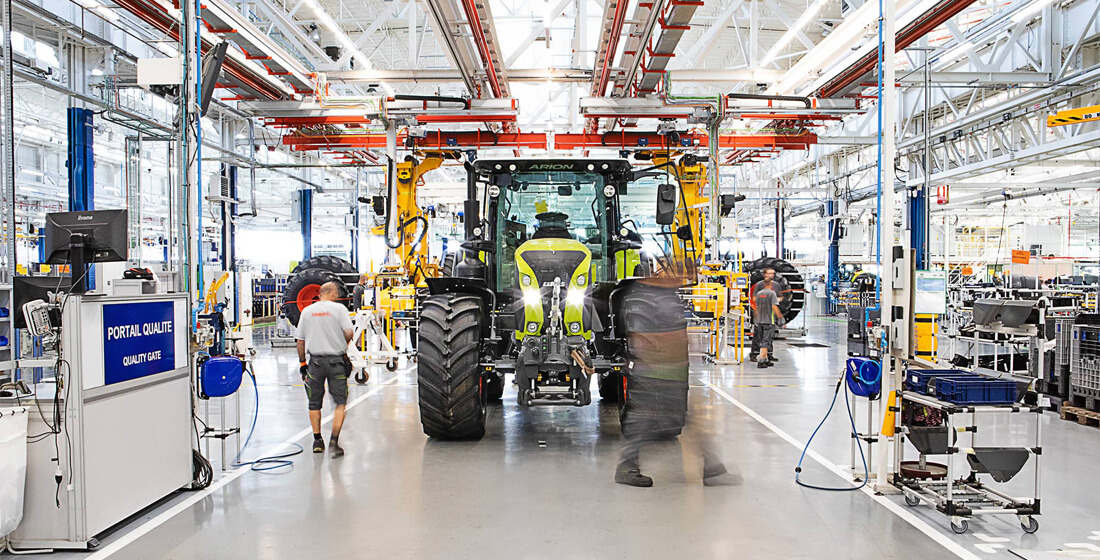
Involving the workforce.
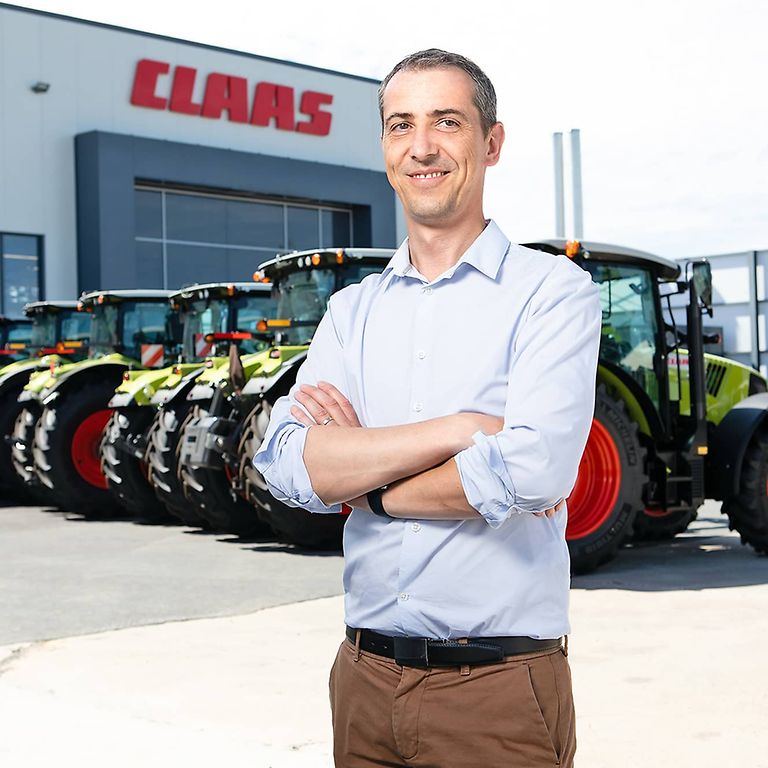
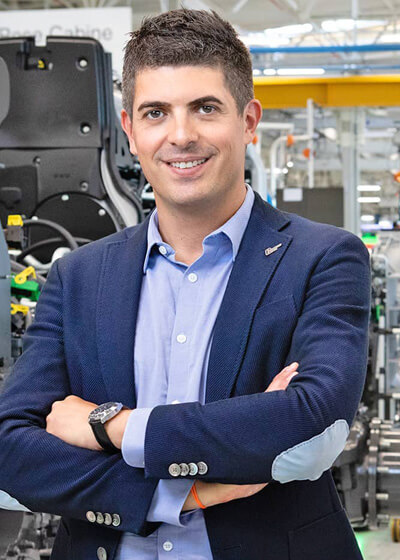
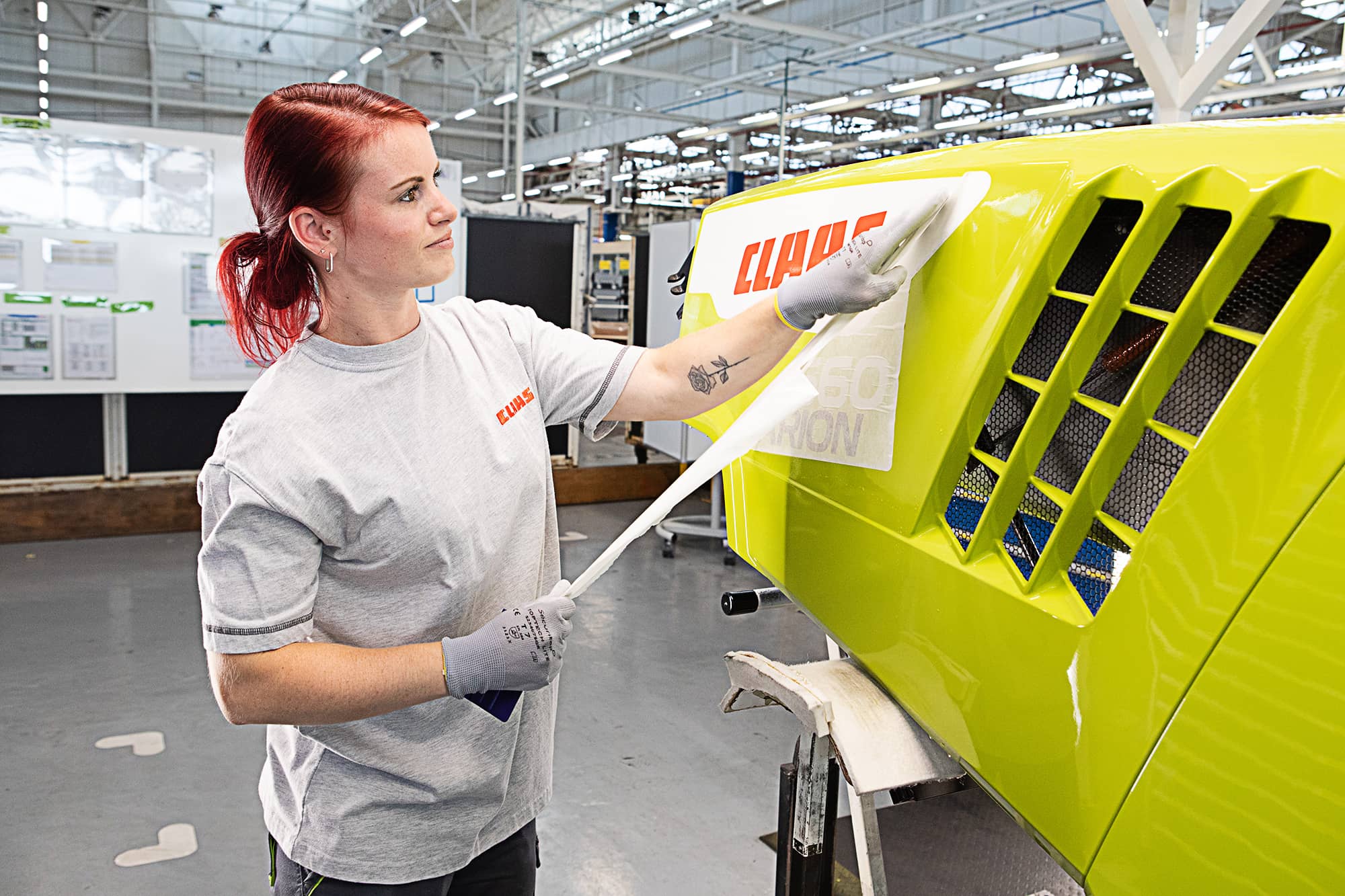
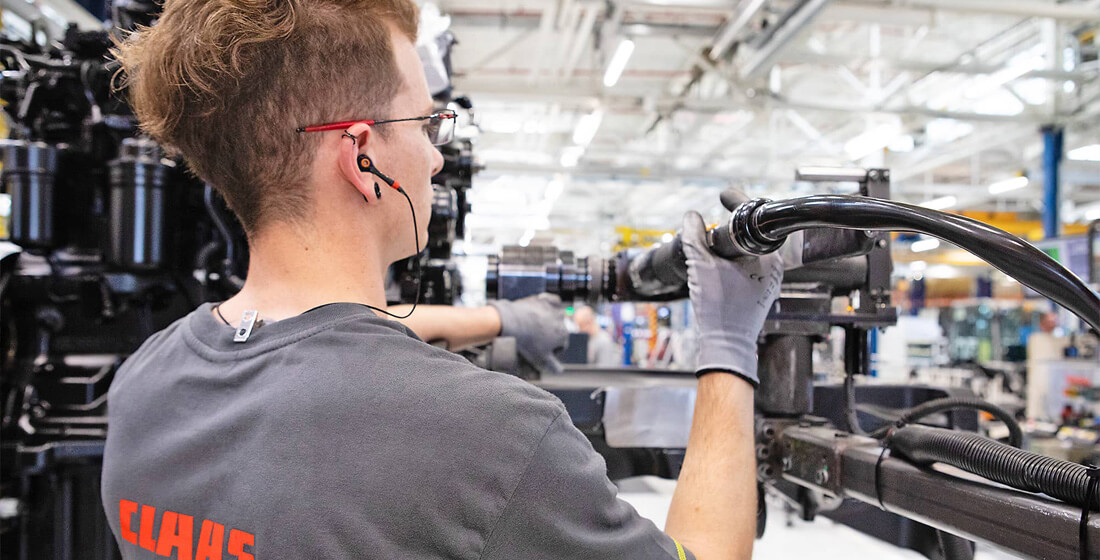
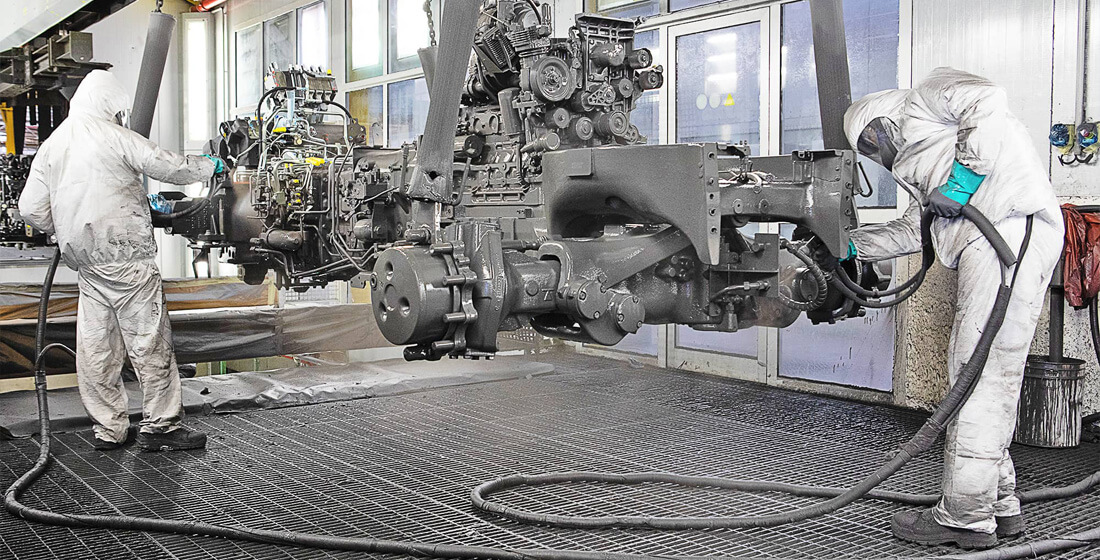
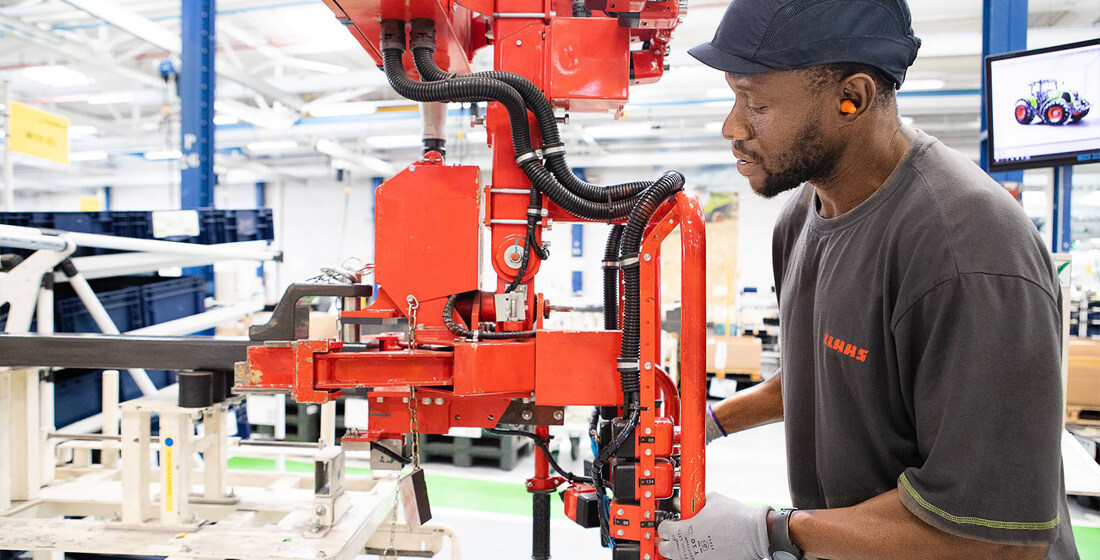
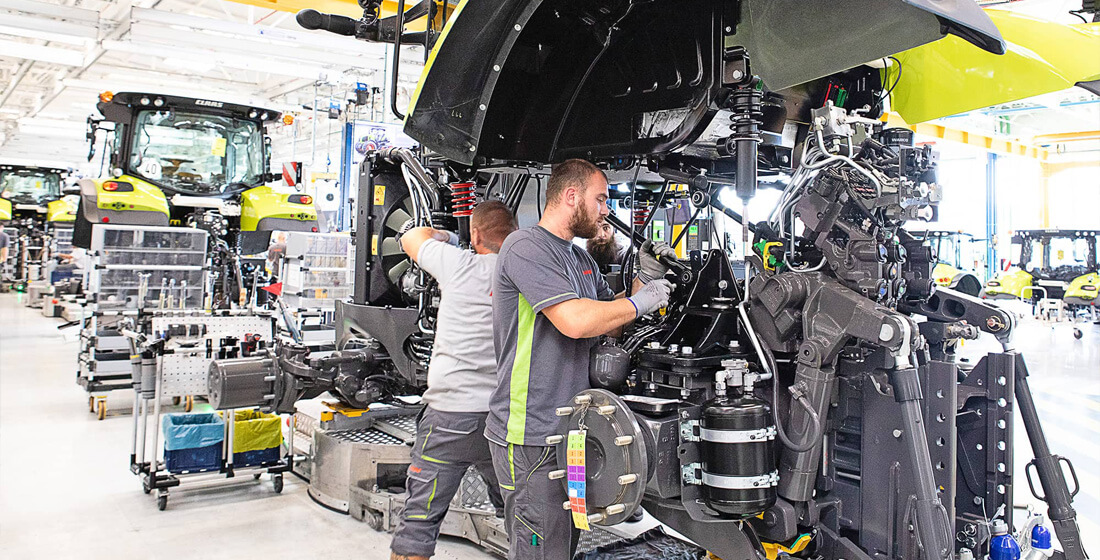
The third and perhaps most important factor in the project's success was the involvement of the workforce. "We really wanted the restructuring to relieve the burden of day-to-day work for the staff", says Aldric Pavec, Head of Process Engineering. "At the same time, they know the assembly process better than anyone, so it was essential for us to involve them closely in the project."
This is why there were virtually no external consultants working on the project. The core team consisted of 50 employees, including engineers, fitters and apprentices. Representative from Controlling, HR, Purchasing, Logistics and R&D were also involved.
The workforce participated in all phases of the project. Even the name CLAAS Forth was chosen by them. A CLAAS Forth Forum that was open to all took place once a week in Le Mans, where staff were informed of changes and the reasoning behind them. In addition, staff were regularly shown how to operate the new systems.
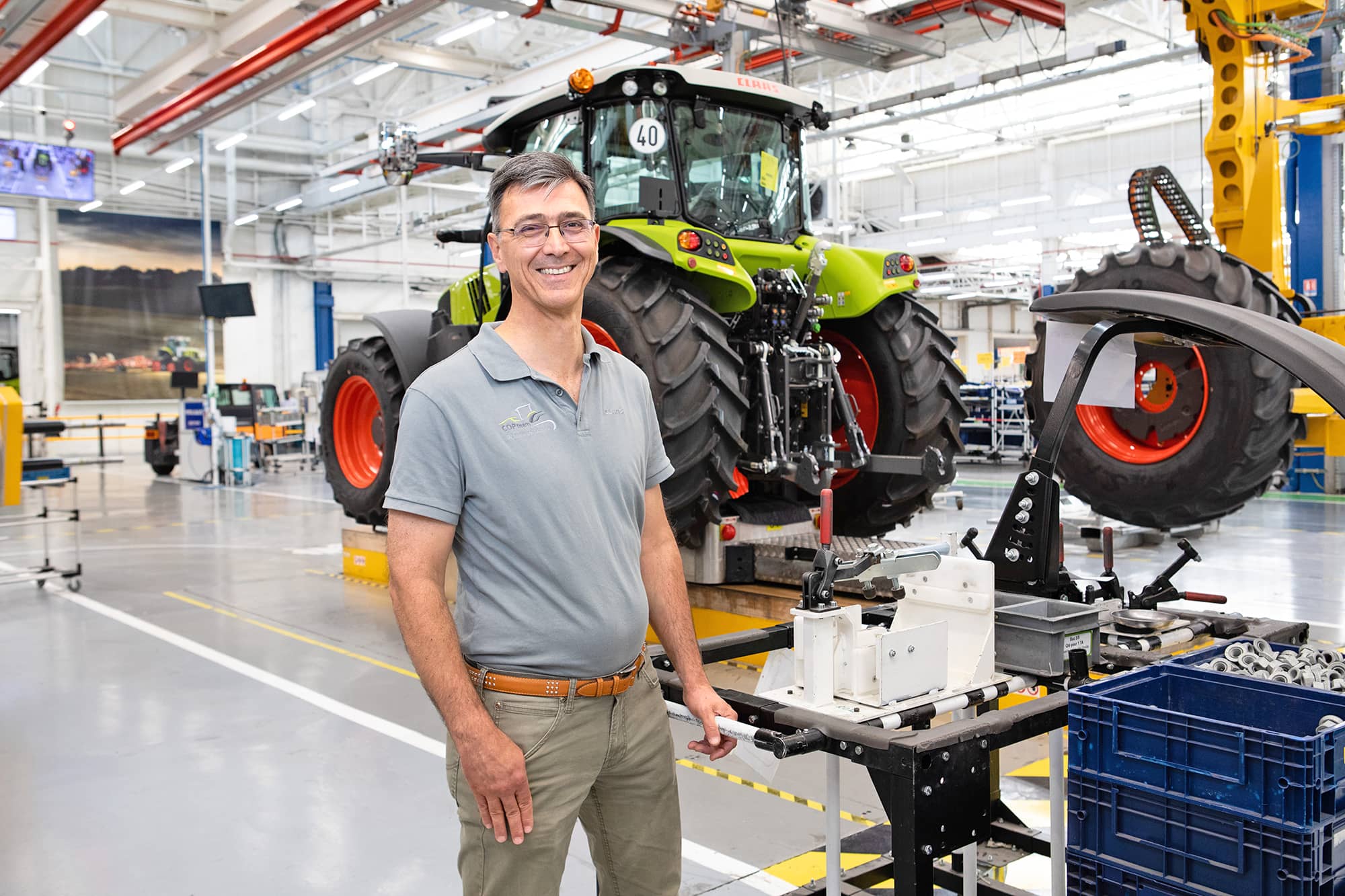
I have often seen fitters in the factory taking selfies.
A multitude of Industry 4.0 elements
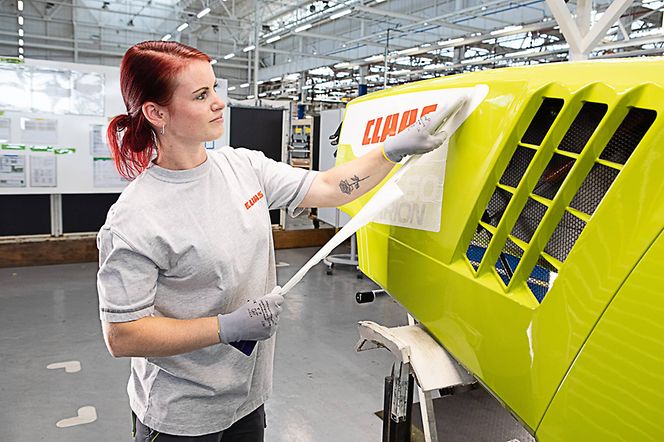
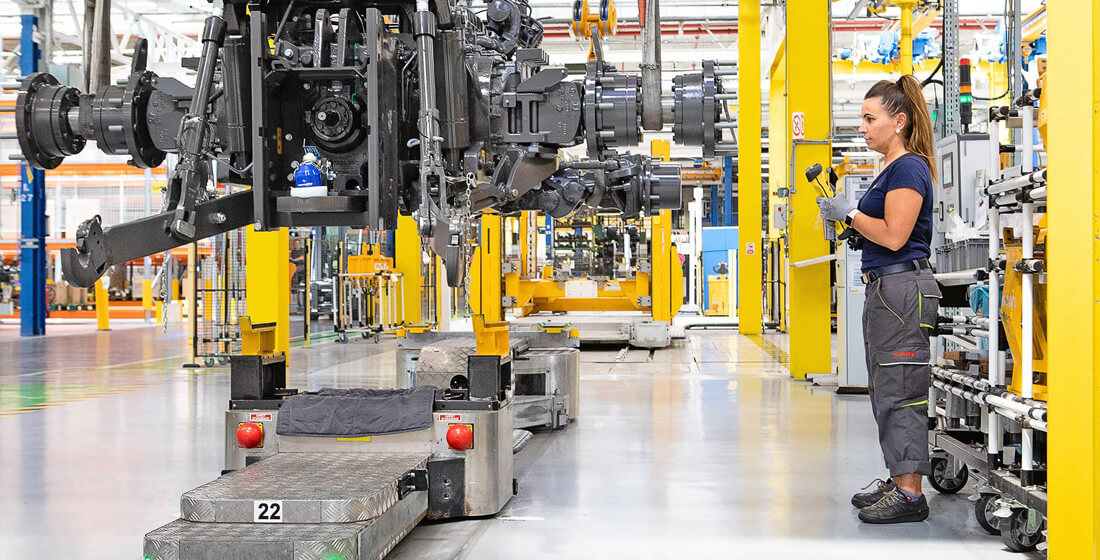
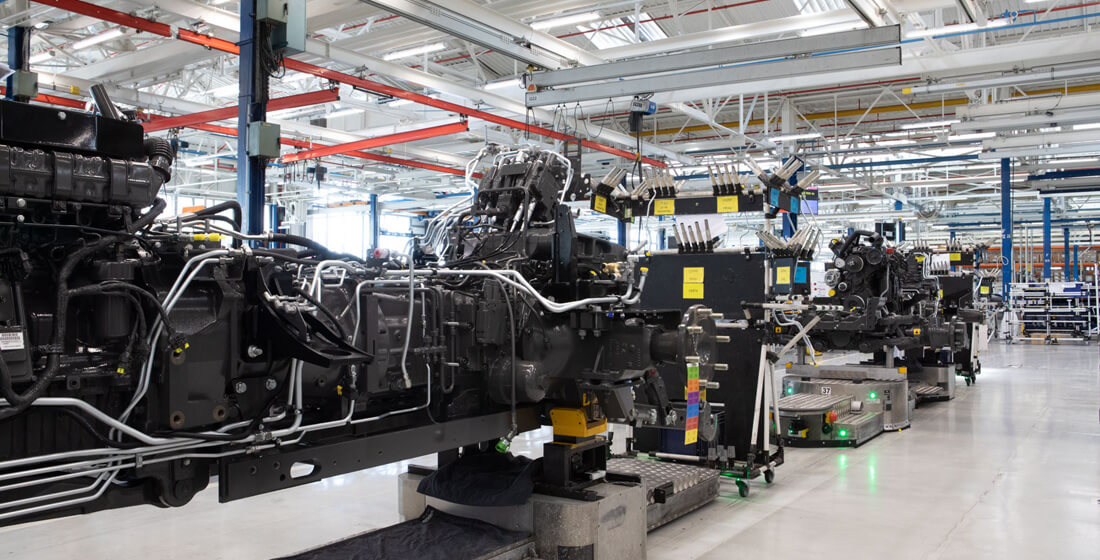
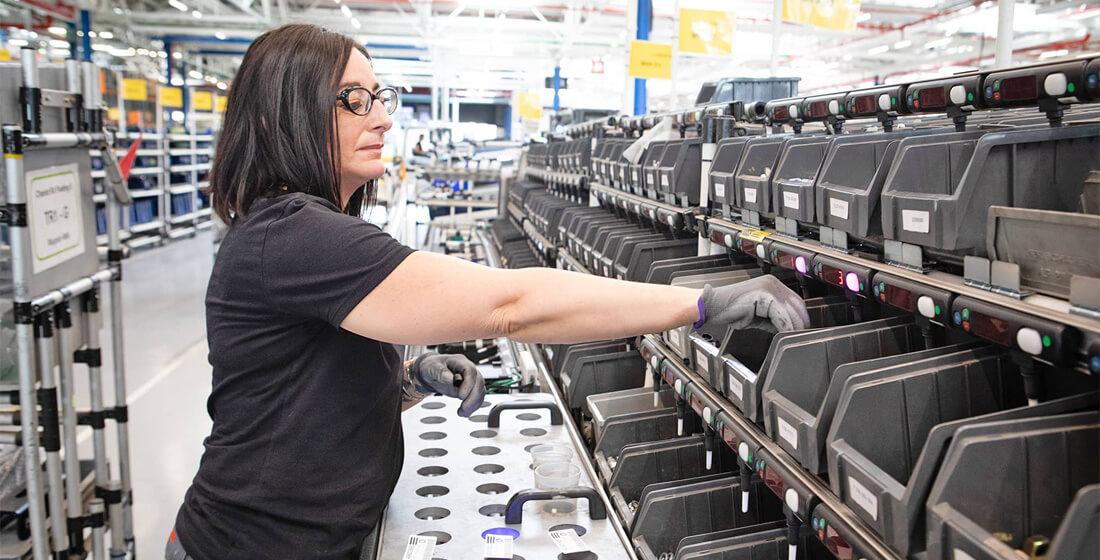
Romane Niepceron agrees that the involvement of the workforce has been worthwhile. She is in charge of filling the trolleys which attach magnetically to the AGVs and carry all the bolts and small components required to assemble a specific tractor.
Before the restructuring, Romane Niepceron needed a long list to pick the right parts for the trolley. Now she finds them by scanning the barcodes on the shelves with her gloves. When a light appears in a compartment, she knows that this is where she'll find the part or machine element she needs for the trolley.
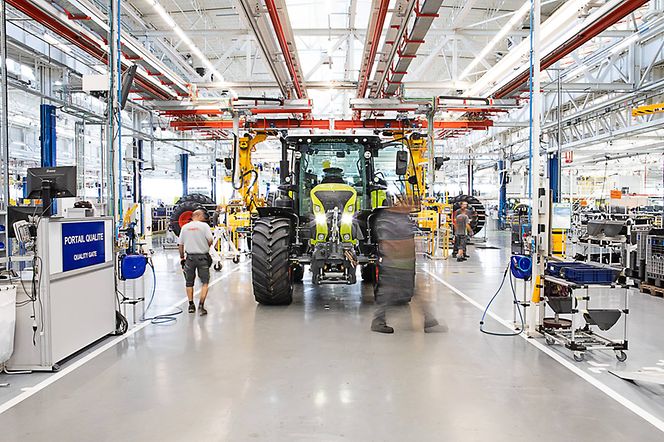
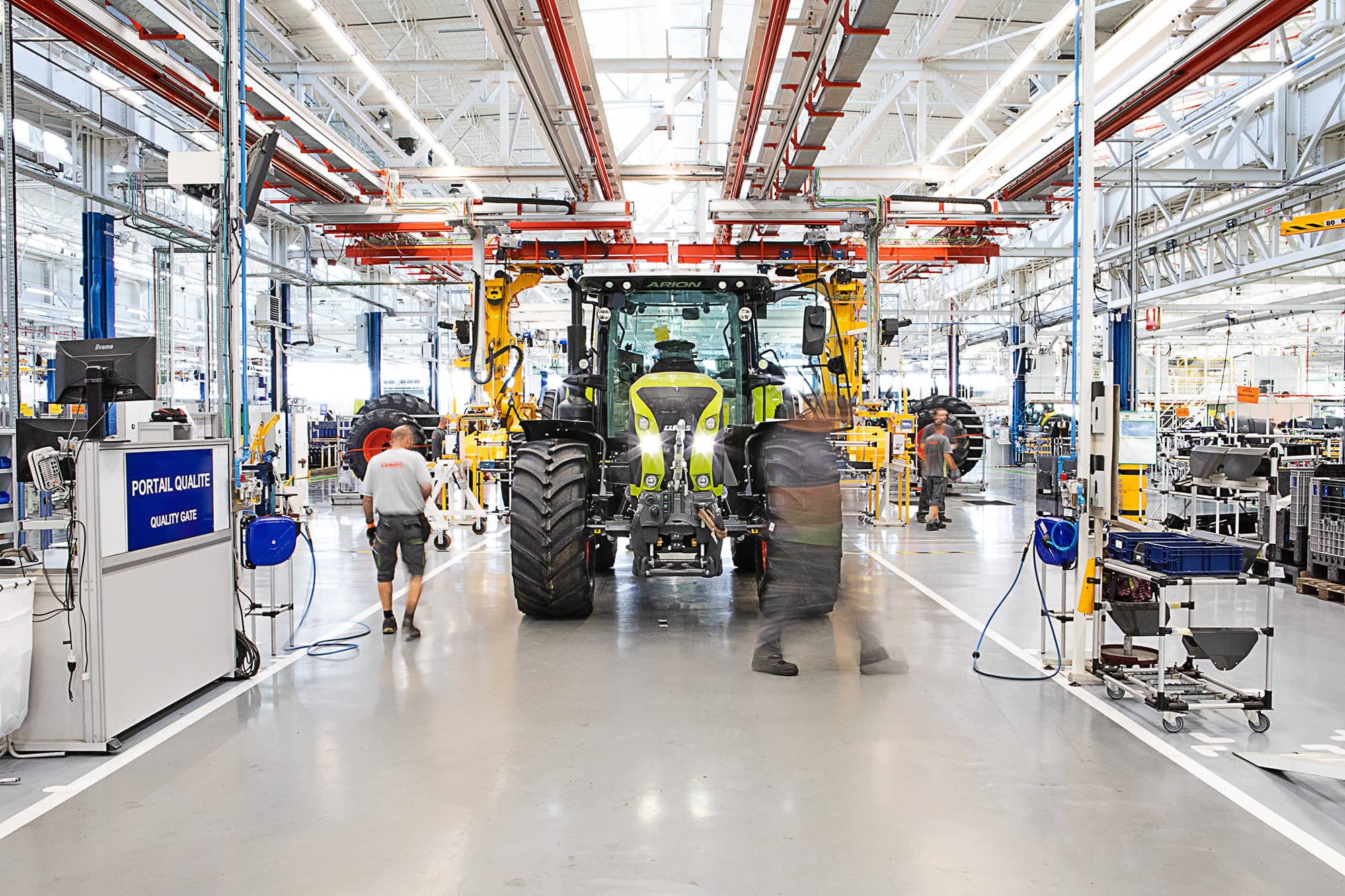
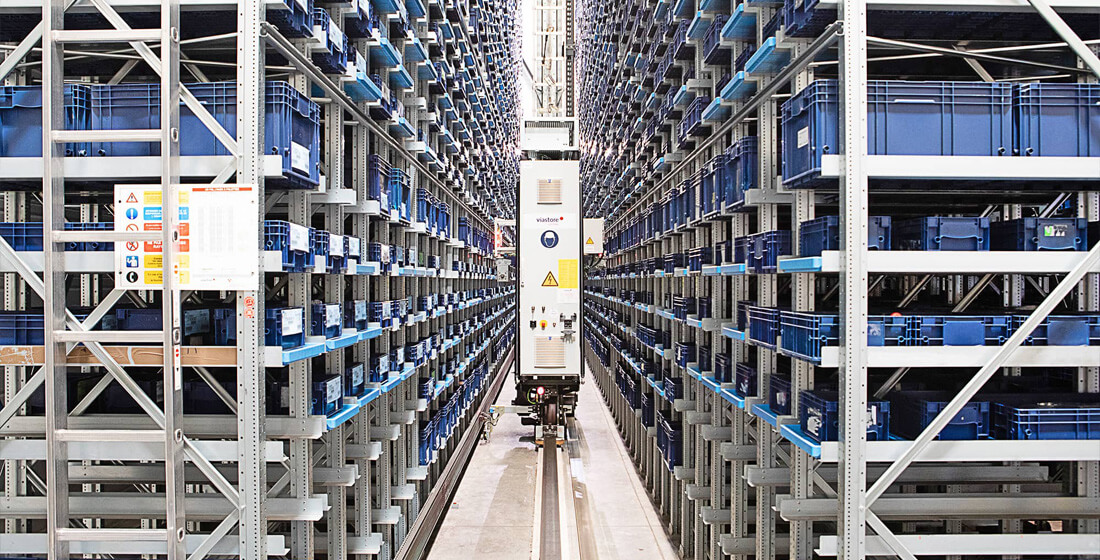
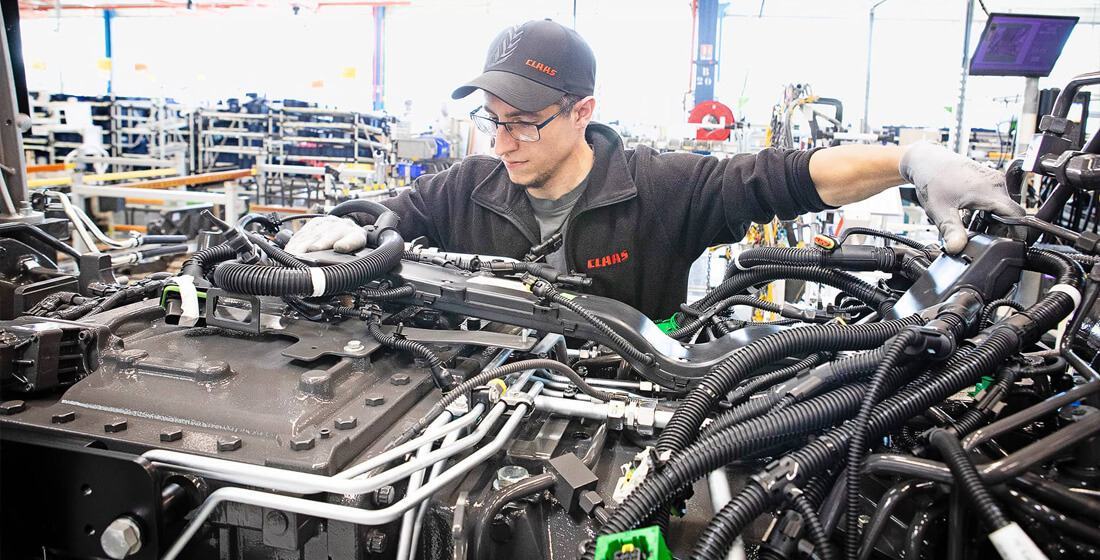
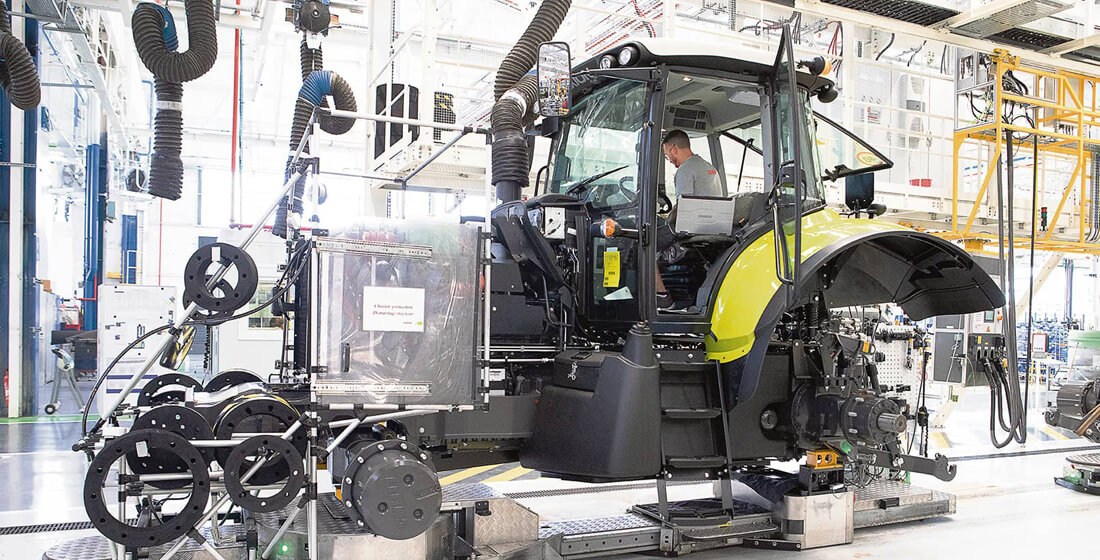
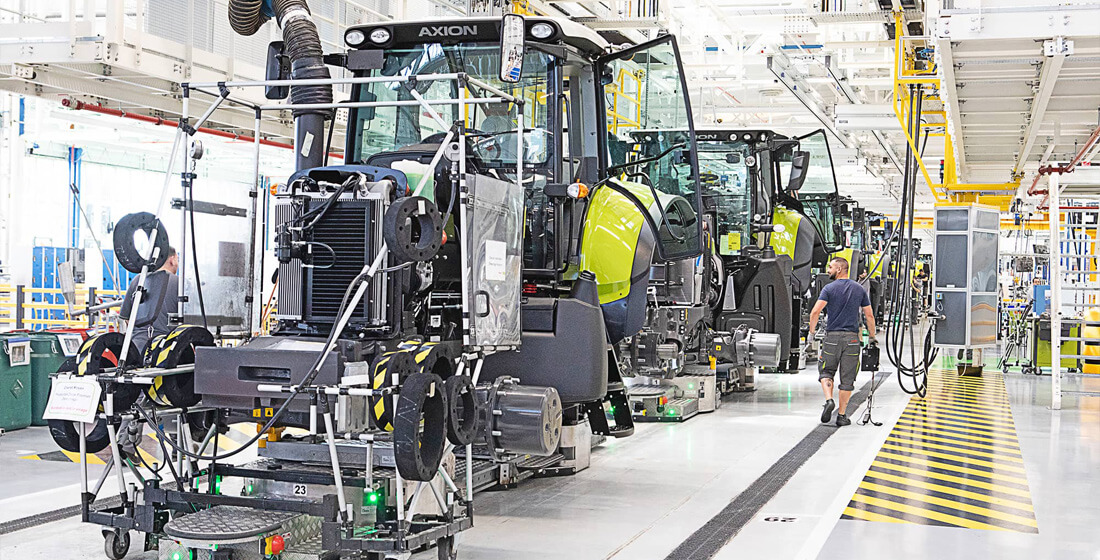
This system is just one example of the multitude of Industry 4.0 elements in this state-of-the-art factory. Networked tools support operators in a wide range of tasks, from receiving jobs to ticking off checklists. The massive warehousing system has been replaced with a space-saving automated small-parts storage system.
The digital assistants are making an impact. The number of cases where a minor assembly error has to be corrected downstream has dramatically reduced: from 200 times to less than once a day. And that's with tens of thousands of parts assembled daily in Le Mans.
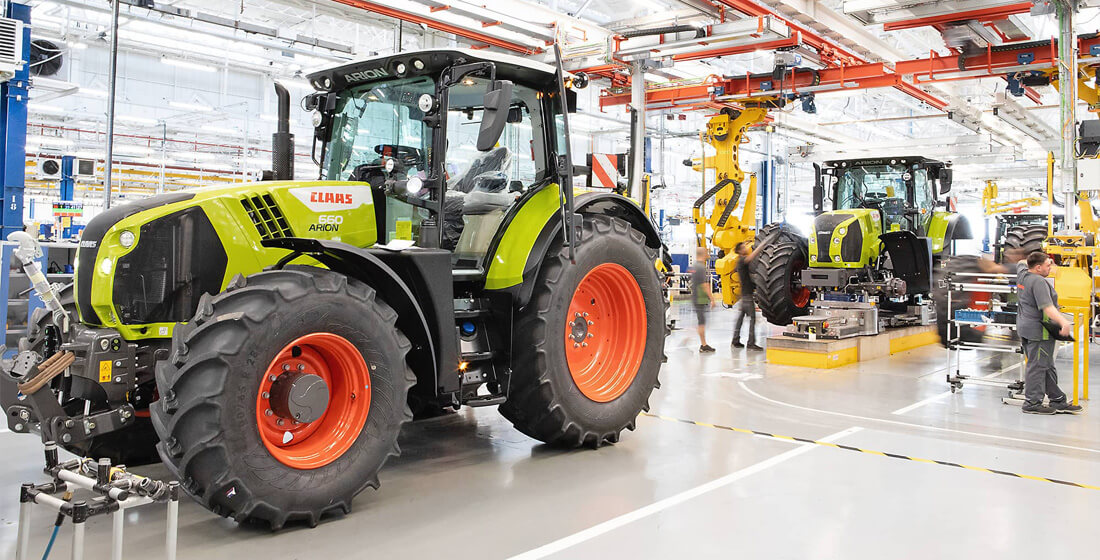
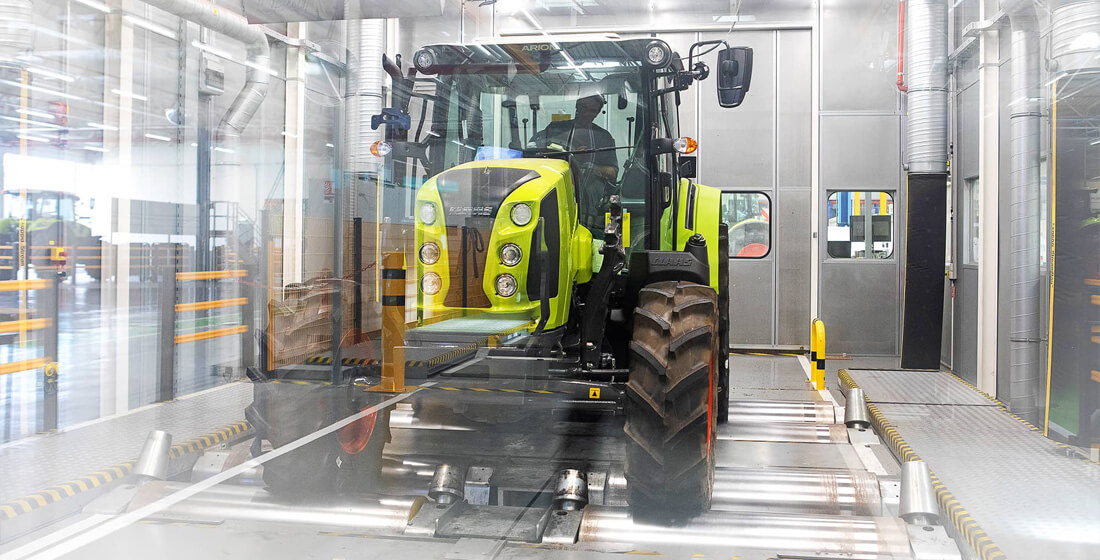
The site's technical equipment and installations have also impressed the French city, which presented the tractor factory with the "Vitrine Industrie Du Futur" award as an example of an "Industry of the Future”.