Superfoods from Germany: when soya beans are more locally grown than potatoes
Agricultural machinery
Digital Solutions
Service & Parts
Experience
Press
About CLAAS
Superfoods from Germany: when soya beans are more locally grown than potatoes

#AgriChallenges

Superfoods from Germany: when soya beans are more locally grown than potatoes

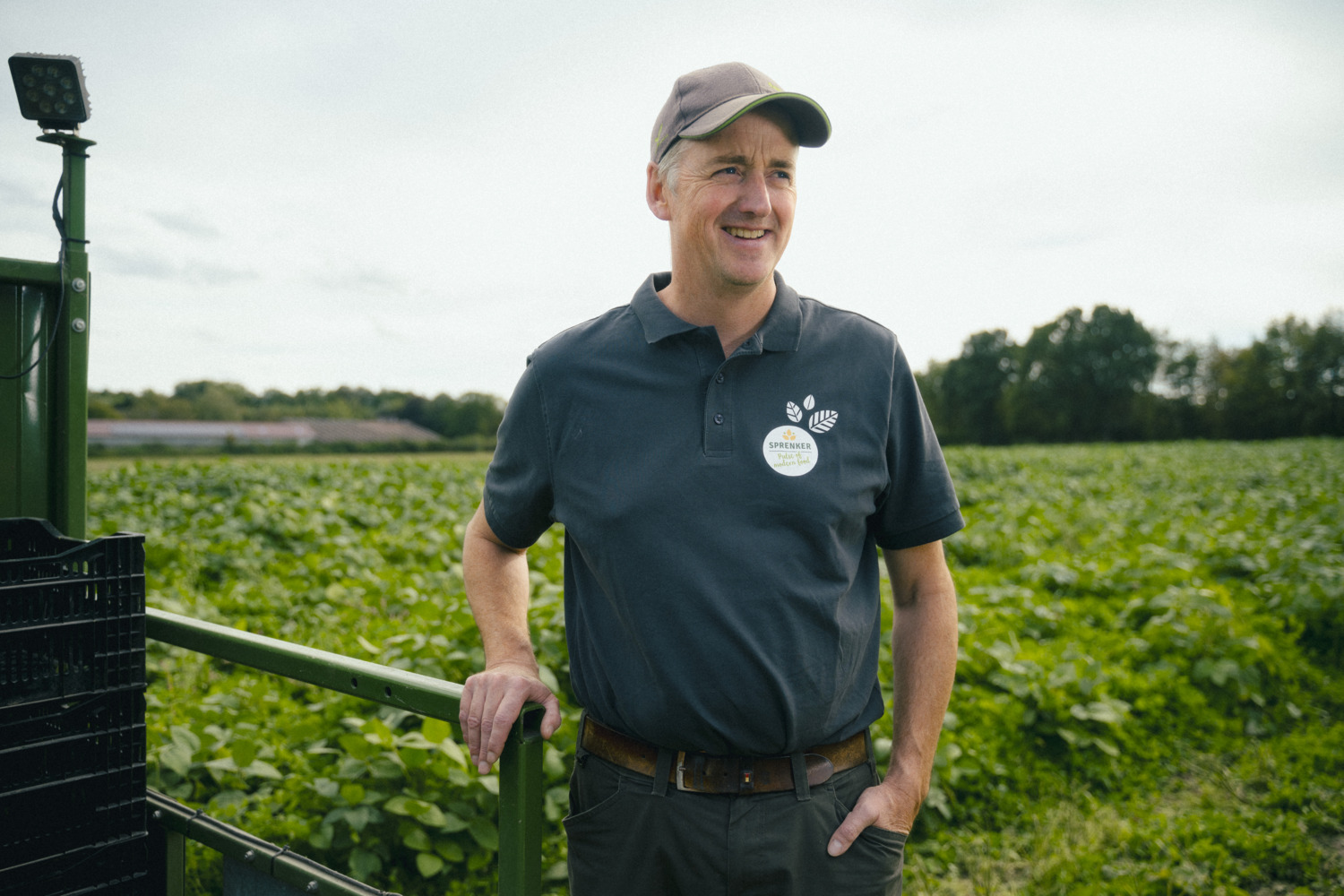
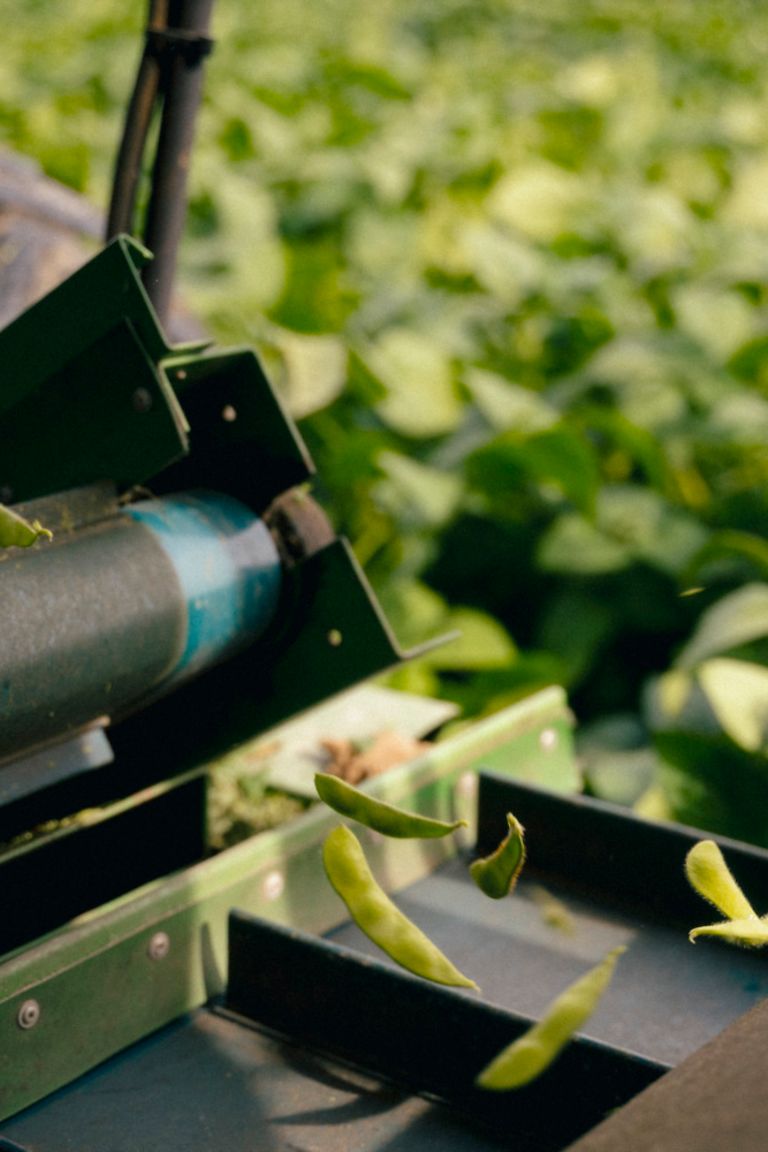
Edamame beans are young, immature soya beans cooked in their pods and served as a snack or side dish. They are all the rage in Germany: consumers use them in Asian cooking, while farmers see them as a cornerstone of more sustainable agriculture. We visited Edamame grower Benedikt Sprenker in Westphalia.

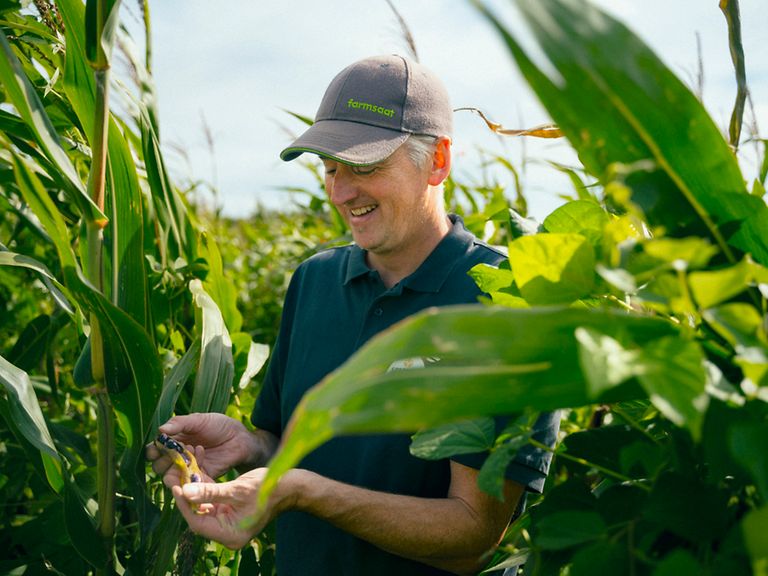
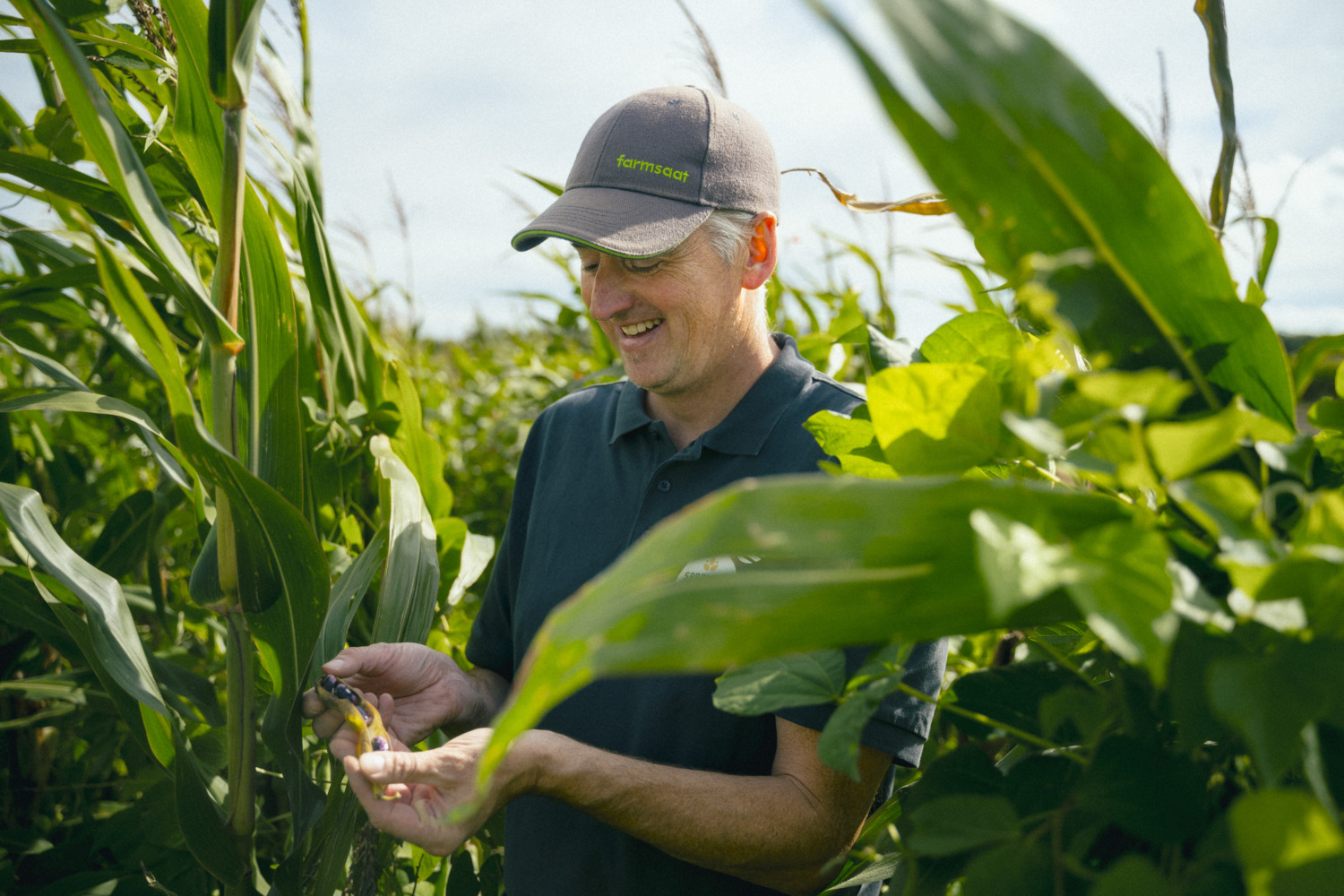
Benedikt Sprenker gently breaks open the soft pod of the edamame with a barely perceptible snap. The lining is protected by a fine covering of hairs. Three green egg-shaped beans are nesled inside – each one encased in a velvety white skin. "Edamame beans are harvested green," he explains, as he examines his harvest. The name is Japanese and means 'stem bean'. But these stems didn't come from Bangkok or Beijing – they grew right here in Bochum in the middle of Westphalia.
Temperature map: edamame beans in Germany

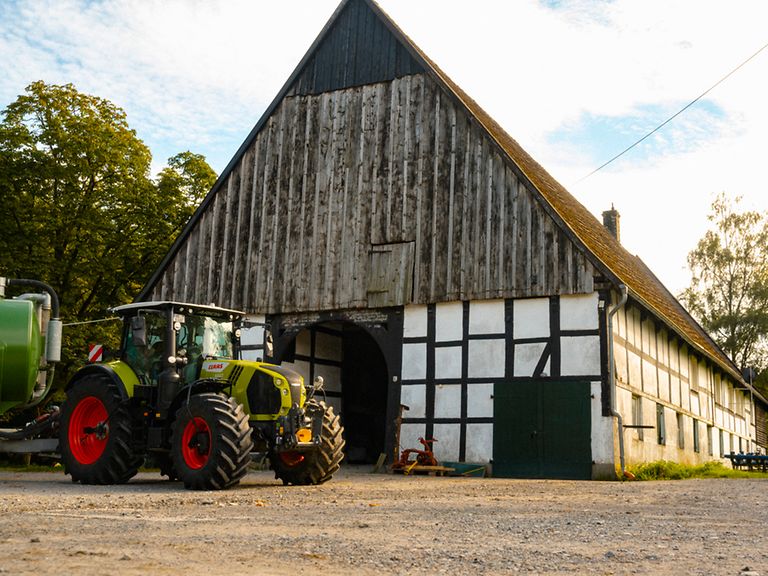
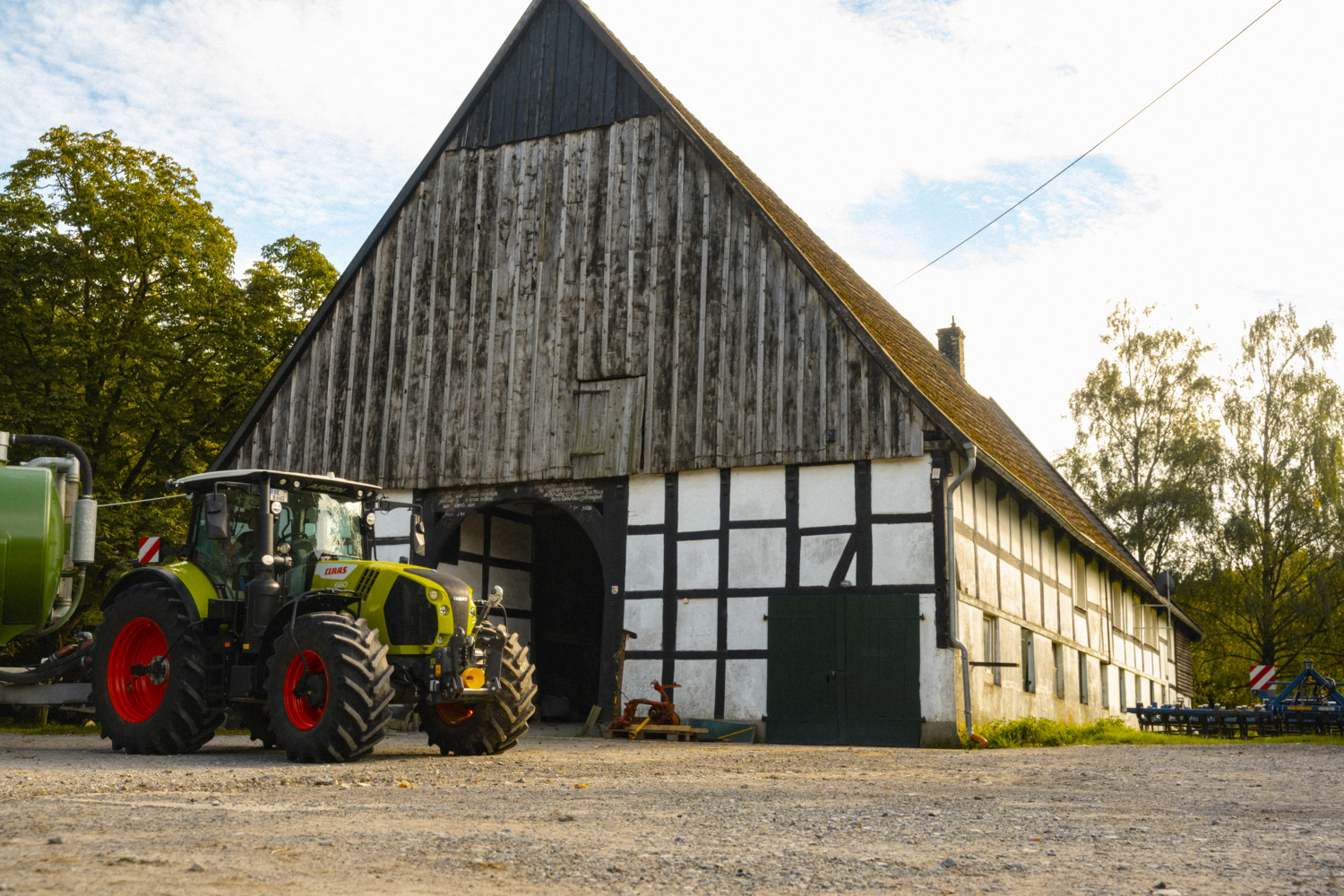
Father of three daughters, Benedikt Sprenker is the third generation of his family to farm here. He could never have predicted that they would grow edamame beans on the farm: "One day my wife and I were sitting on the sofa with a book about soya beans," he recalls. "We read about tofu, Asian sauces and edamame, which we'd not heard of before," he says with a grin. The idea of growing these beans was born, and a glance at the temperature map only strengthened their resolve: in addition to Bavaria and Baden-Württemberg, in 2009 the region around his farm was identified as being suitable for growing soya beans.

"So for two years we experimented with growing edamame beans," which, he explains, involved a great deal of trial and error. "In the third year we finally got our first successful edamame harvest." Today his produce can be found in regional food retailers. "It's not everyone that gets their products onto the supermarket shelves," he says proudly.

"We tried unsuccessfully to grow edamame beans for two yeas and in the third year we finally got our first harvest."Benedikt Sprenker, edamame grower in Westphalia


Served as an appetiser in sushi restaurants or soft-cooked with a little sea salt – edamame beans have now become a popular healthy snack outside Asia. This comes as no surprise to conoisseurs, as the edamame – an immature soya bean harvested in the pod – is a genuine superfood rich in proteins, omega 3 fatty acids and vitamins.

Grain legumes: a sustainable footing

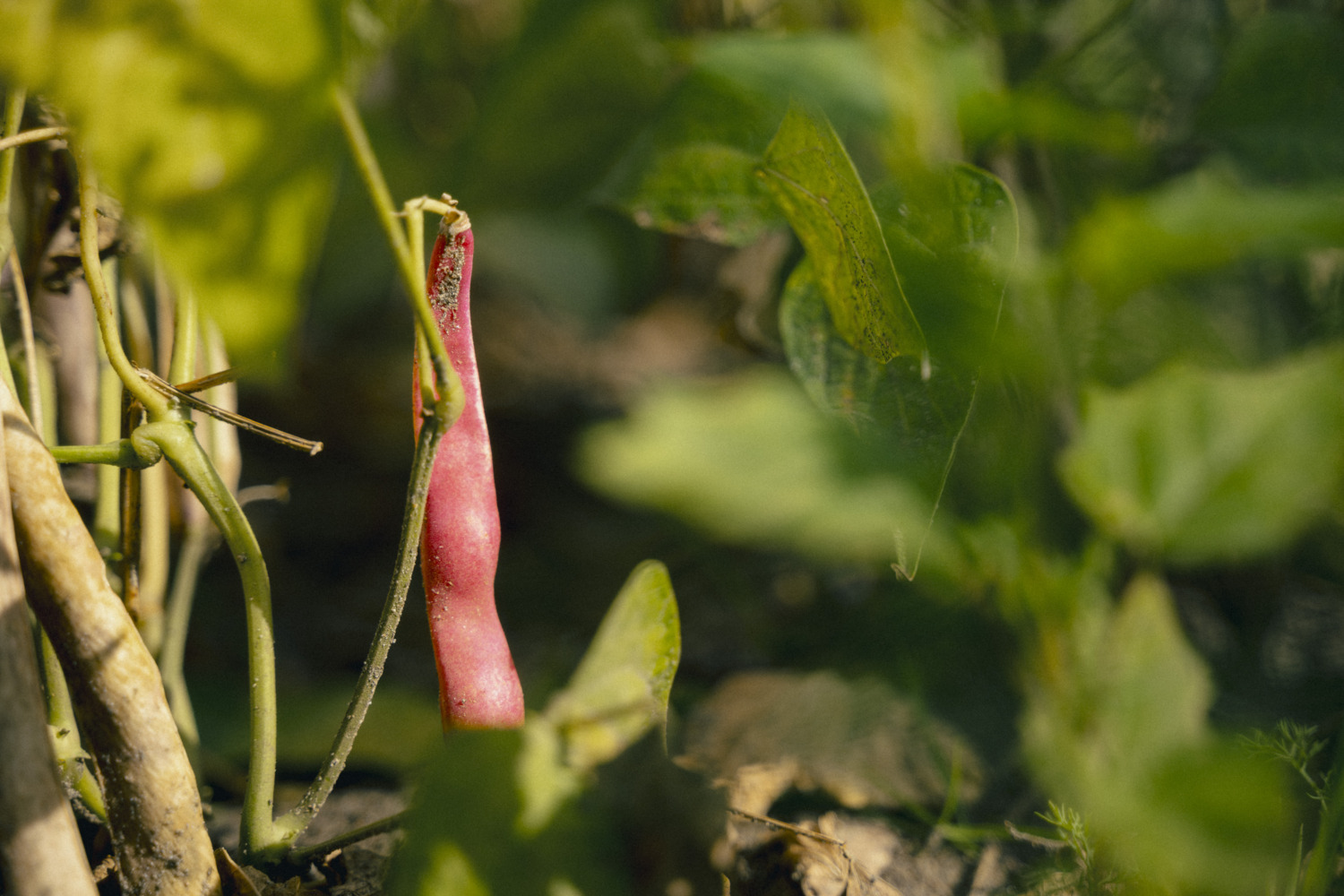
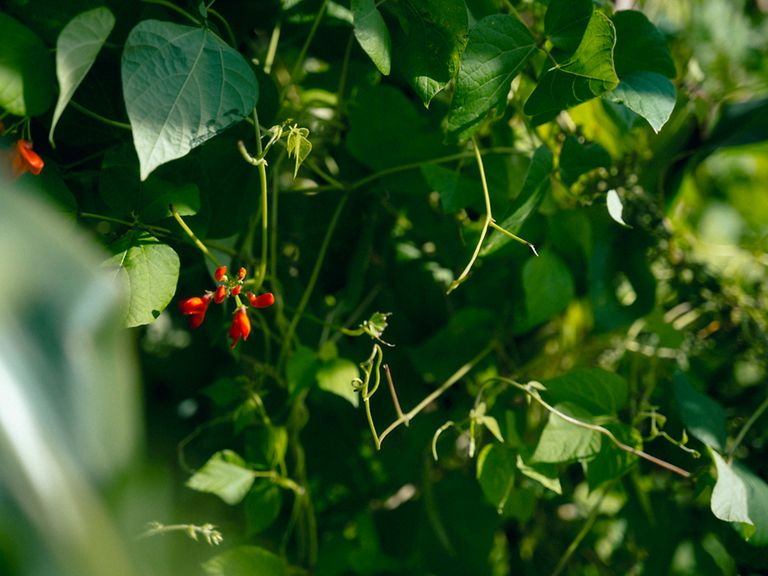
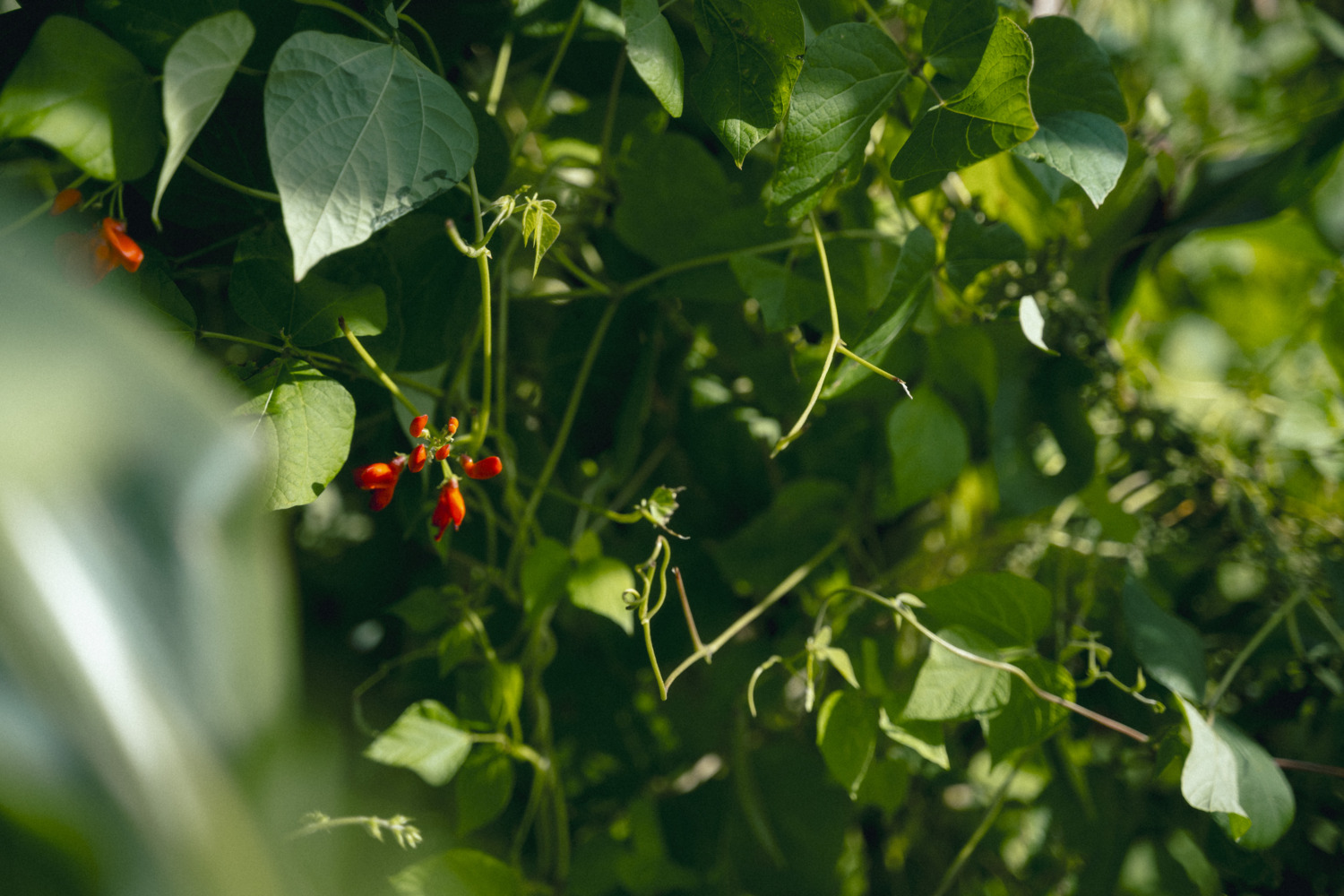
The soya bean is just one of many beans Benedikt Sprenker grows on his farm: field beans have been an integral part of his crop rotation since 2002. Grain legumes not only improve soil fertility and structure, they also fix atmospheric nitrogen in their roots – supplying themselves, and the follow-on crop with nitrogen. So no additional synthetic or organic fertilisers are needed. What's more, the flowers of these plants are an important food source for insects.

The farmer grows pulses on round 12 to 15 per cent of his arable land. "Black beans, runner beans, cannellini beans: we grow ten to twelve different varieties. We are the only ones within a radius of several hundred kilometres to so this," he says.

He is particularly proud of the fact that almost everything can be reused. Benedikt Sprenker points to the threshed beans lying in a crate at the edge of the field. "This is B grade material. It will be dried and sieved." The family uses it to make a falafel mix, cream and pasta, which are sold in the farm shop or online.

If new crops are to be part of the answer to climate change, we must learn how to deal with them: "The weather in 2023 was a huge problem," he explains. Benedikt Sprenker sows soya beans at five-day intervals so that they don't all ripen at once. "Very few of the first three batches germinated because of the summer drought," he says, adding on a more optimistic note:

"They came good in the end though. Agriculture will adapt to the new climate conditions!"