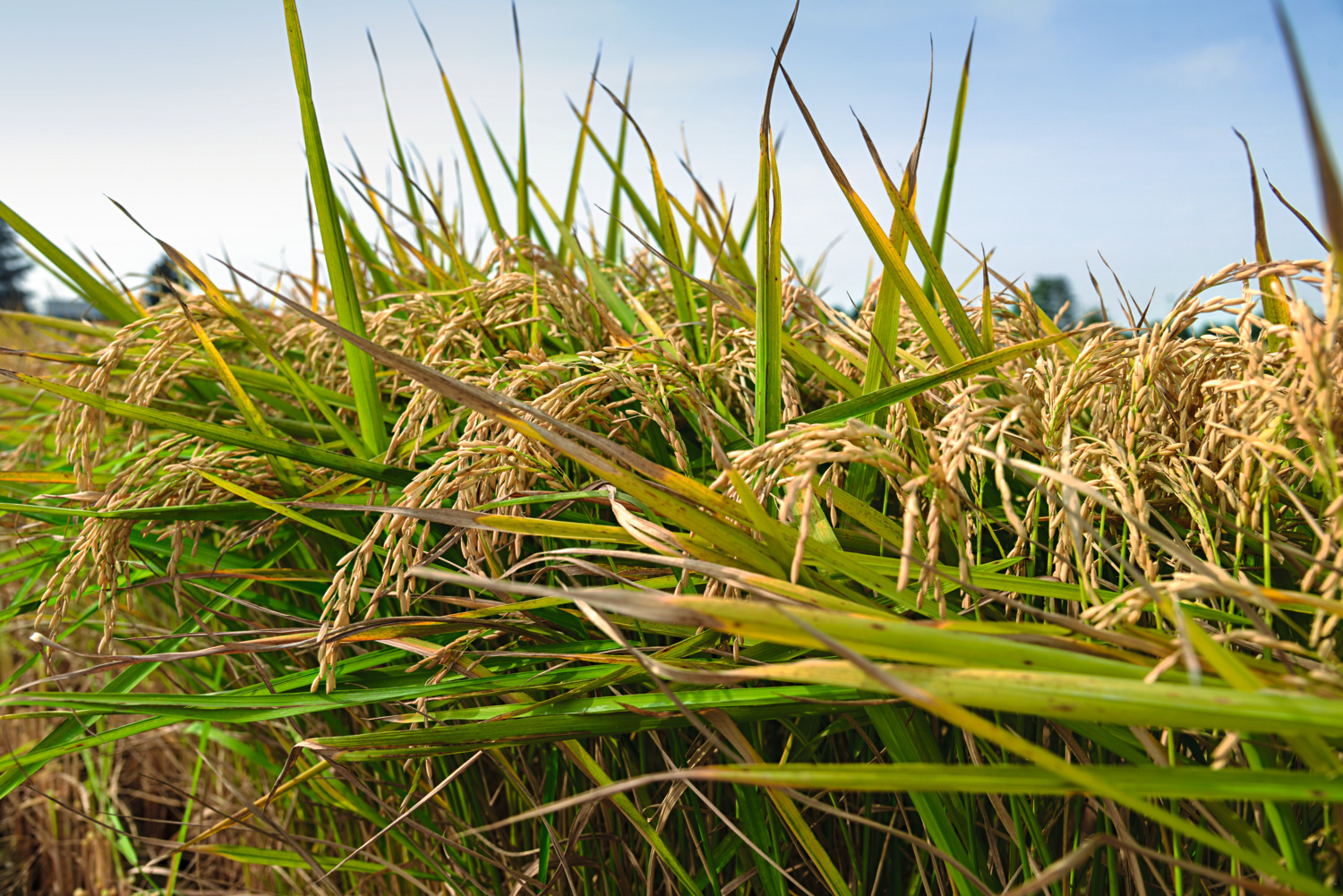
Wheat or rice, the LEXION harvests it all around the world
Agricultural machinery
Digital Solutions
Service & Parts
Experience
Press
About CLAAS
Wheat or rice, the LEXION harvests it all around the world

#AgriChallenges

Wheat or rice, the LEXION harvests it all around the world

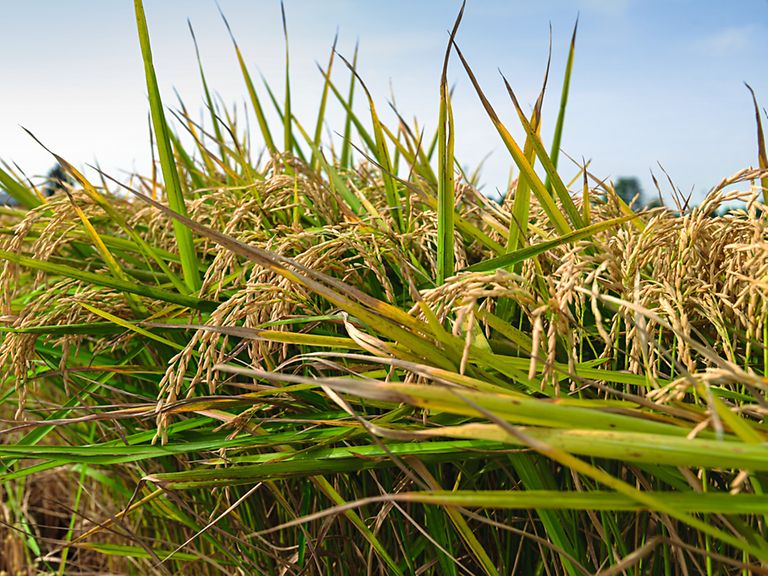
8000 different varieties: rice is the staple food for billions of people around the world.

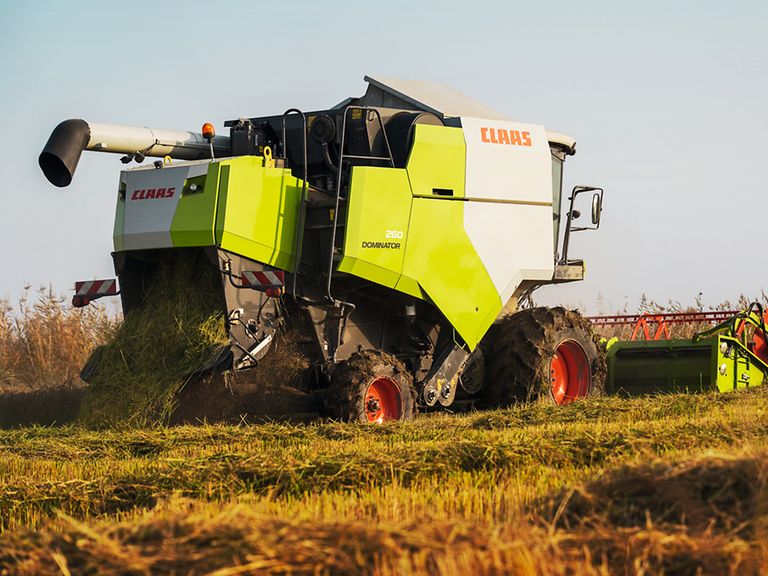
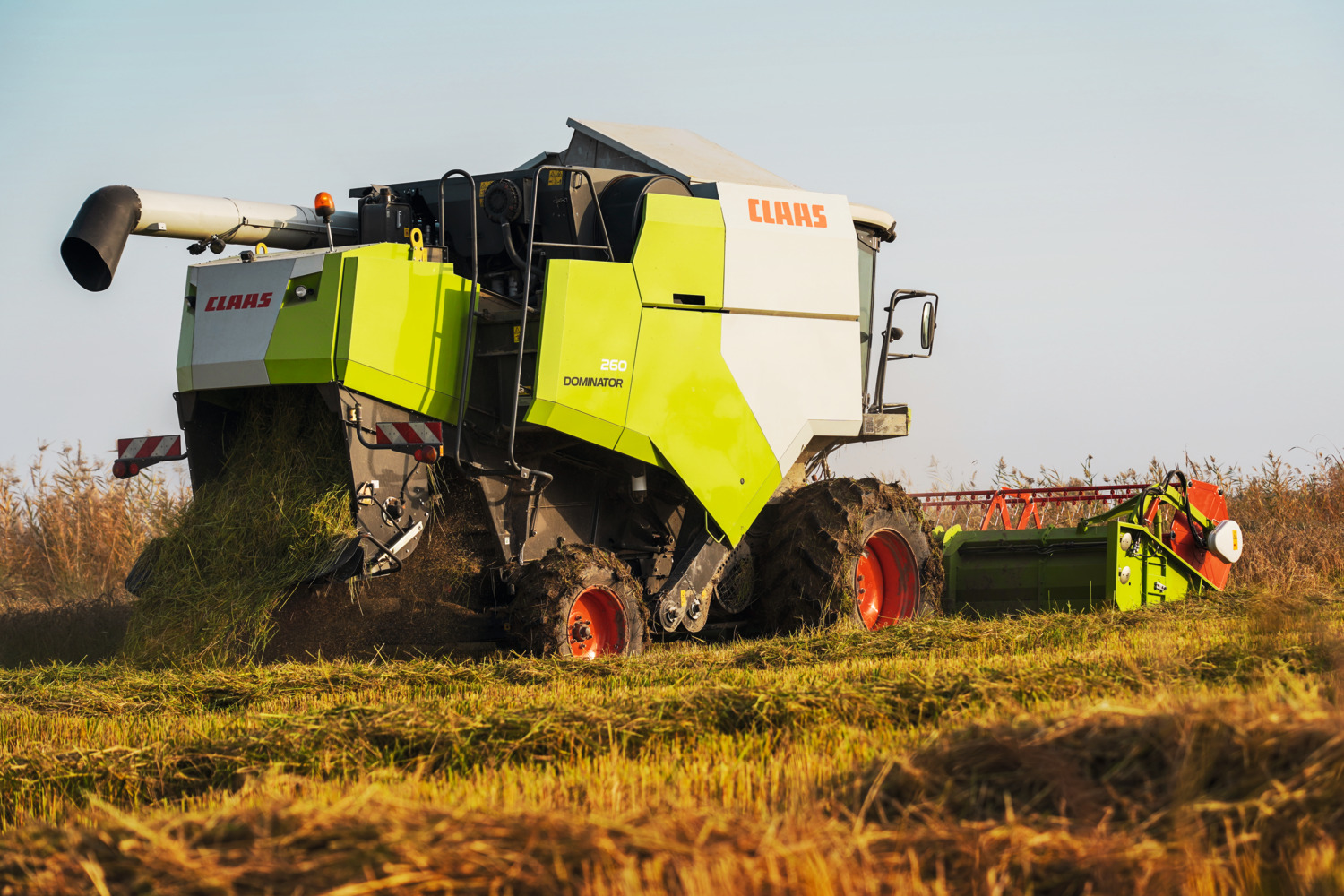
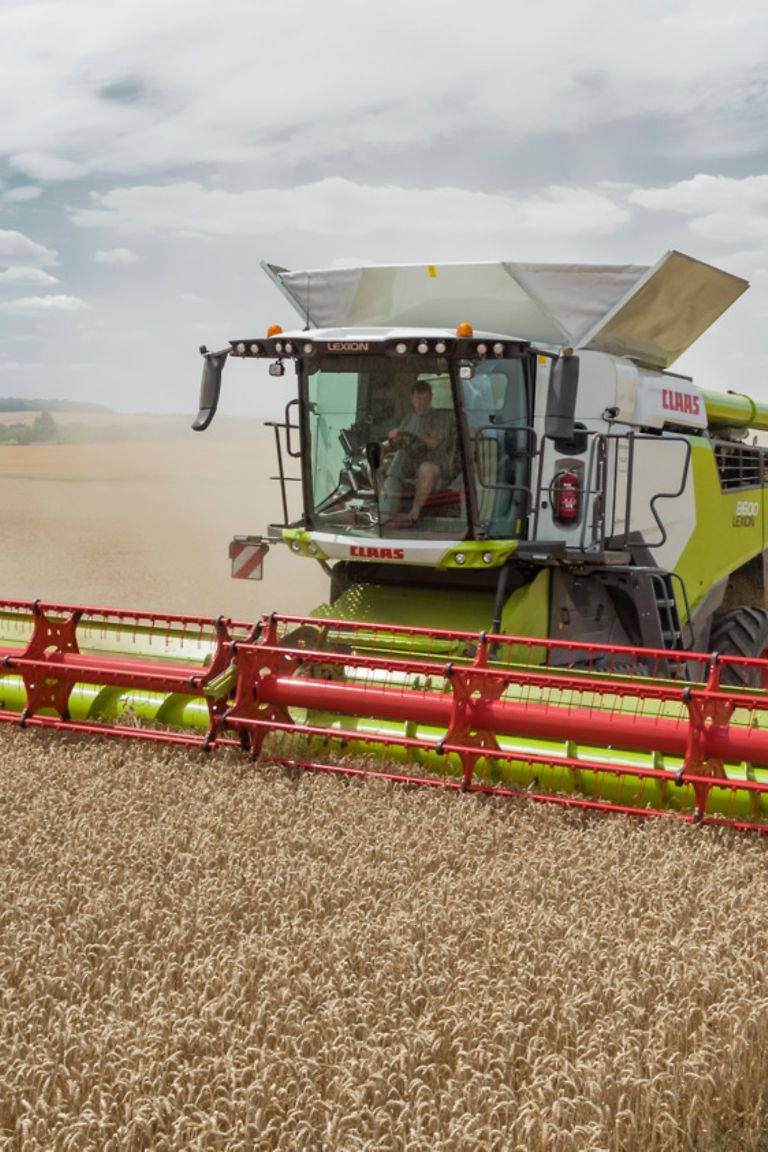
The LEXION MULTICROP machine can harvest many crops. Here’s a little thought experiment to illustrate this: a German farmer drives his LEXION, usually used to harvest wheat, into a rice field.

What happens next?

“Well, he'll simply harvest the rice,” explains Meik Palmer, Product Team Manager at CLAAS. Because it doesn’t matter whether it’s wheat, rice, millet, sunflowers, soya, or any other crop, CLAAS combine harvesters are exemplary MULTICROP machines. If you have only ever harvested wheat, you'll be amazed at the shiny cutterbar troughs. “Rice is an abrasive plant. It works like sandpaper.”

One plant feeds half the world

Rice is not just rice: there are more than 8,000 varieties around the world, generally divided into long-, medium- and short-grain rice. Long-grain rice has long, slim grains that remain loose when cooked. Well-known varieties in Europe and America include Basmati and Jasmine. Medium-grain rice is shorter, wider, and somewhat stickier. The best known is probably Arborio, which is ideal for risotto. Short-grain rice is short and round, perfect for sushi.


The processing stages also differ: the harvested rice is husked before consumption and may also be polished. For wholegrain rice, only the outer husk is removed, leaving the rice richer in nutrients. Parboiled rice is also steamed before it is husked, a process which moves the nutrients into the grain itself.
Rice cultivation is increasing worldwide

Rice is the staple food for billions of people. According to the US Department of Agriculture, the 2023/24 global rice harvest is projected to be 520 million tonnes, almost 15% more than ten years ago. The amount of land on which rice is cultivated has also risen steadily, growing over the last ten years from more than ten million hectares under cultivation to 165 million hectares today.


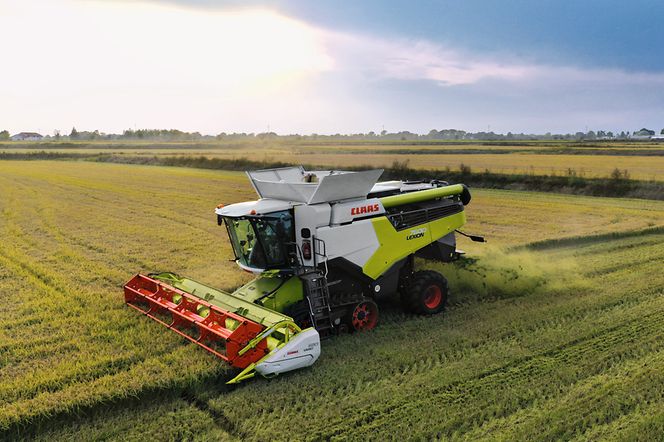
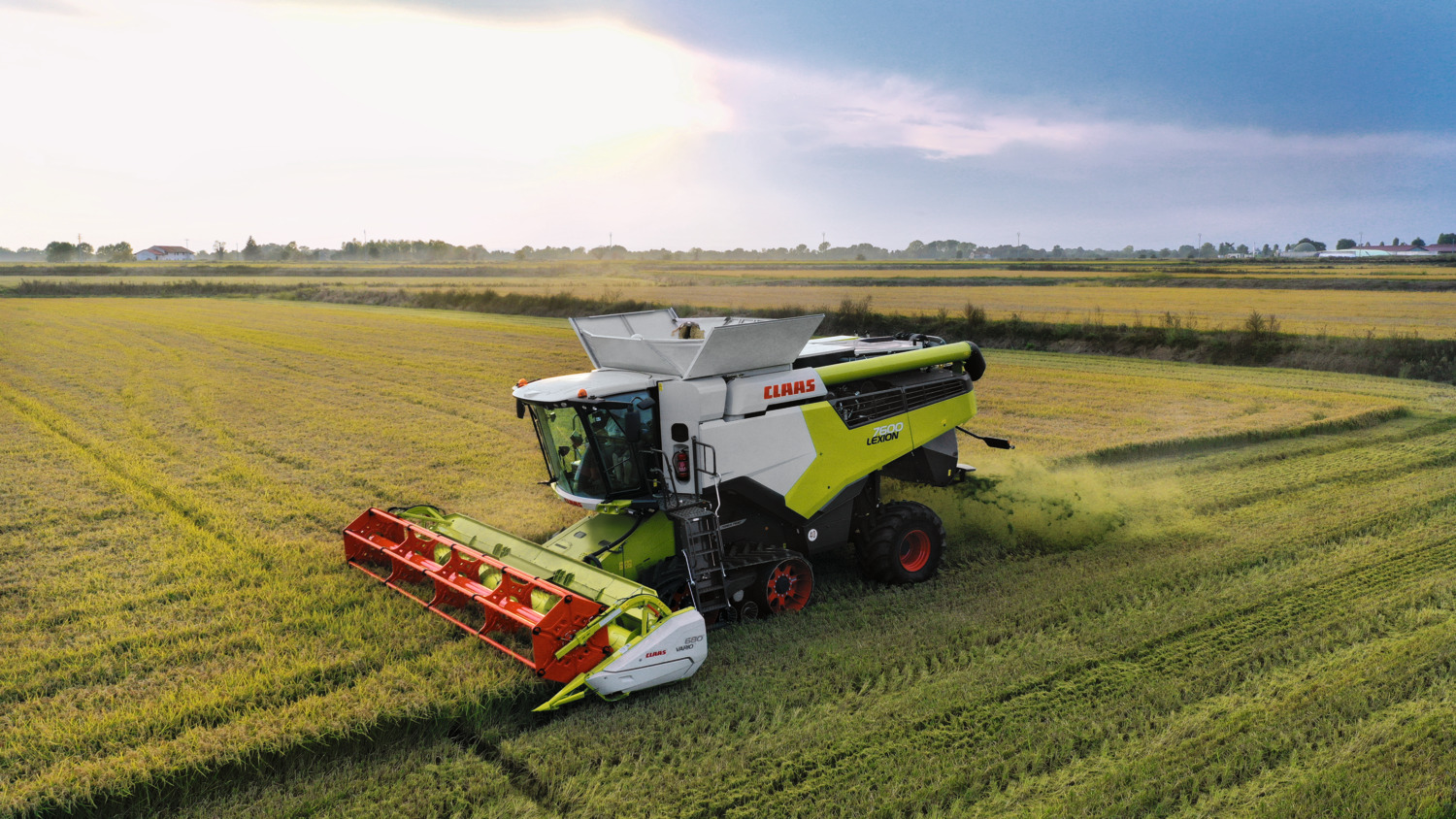
The use of combine harvesters has revolutionised rice cultivation. These machines have resulted in faster harvesting, reduced labour costs and often improved harvest quality. In countries such as China and India, which are jointly responsible for more than half of global rice production, the efficiency of combine harvesters is valued highly. “However, CLAAS machines are equally at home in the huge rice fields of Argentina, the USA and Australia,” explains Palmer. MULTICROP machines are even used in Europe, in Italy to be precise.

Two processes, one choice: CLAAS

“Because the rice plant is cut as high as possible, a cutterbar table that is as short as possible improves the flow of the crop,” explains Palmer, the Product Team Manager. The right settings can be found in the combine harvester’s crop manual. Simply select the basic settings for 'Rice' in the combine harvester’s central operating system – the CEBIS Terminal.

Unlike wheat, rice is combed rather than threshed. To convert a LEXION from wheat to rice harvesting for the longer term, certain parts of the threshing unit need to reconfigured and others strengthened. Palmer knows that PREMIUM LINE components from CLAAS are the first choice of many customers to provide protection from the abrasive rice plants.

The threshing concave is also replaced with a spike tooth concave to enable combing and to separate the rice grains from the plant. This avoids breaking the grains. “When it comes to the rice harvest, the farmer really is driving blind. With wheat, the GRAIN QUALITY CAMERA identifies the proportion of broken grains directly as it is harvested,” explains Palmer. With rice, the breakage is often only visible once the grain has been husked and polished.