LEXION combine harvesters: precise and efficient in England
Agricultural machinery
Digital Solutions
Service & Parts
Experience
Careers
Press
About CLAAS
LEXION combine harvesters: precise and efficient in England

LEXION 8800.

More than a machine:

Real stories.

Real results.

Business/farm profile:

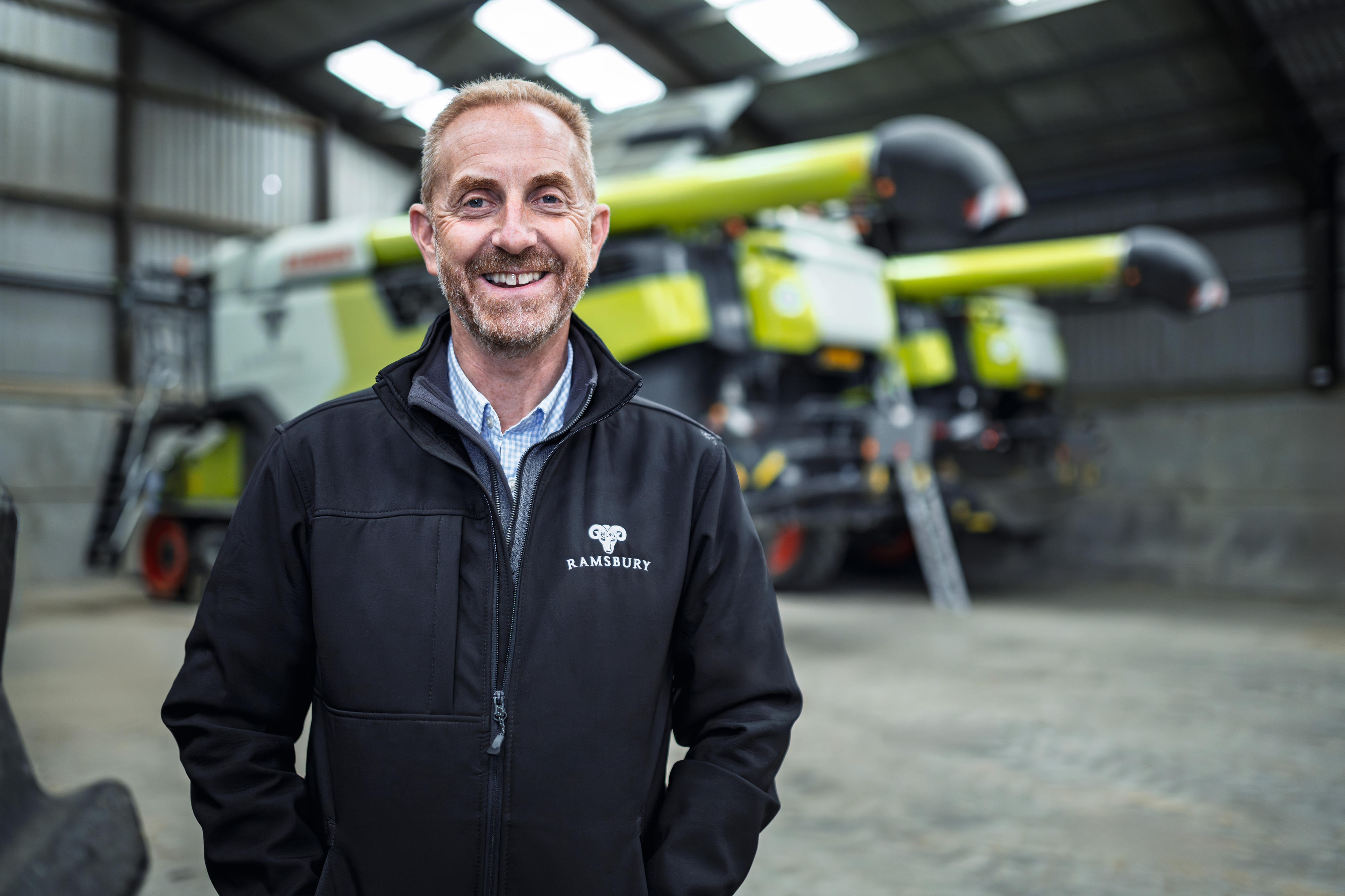
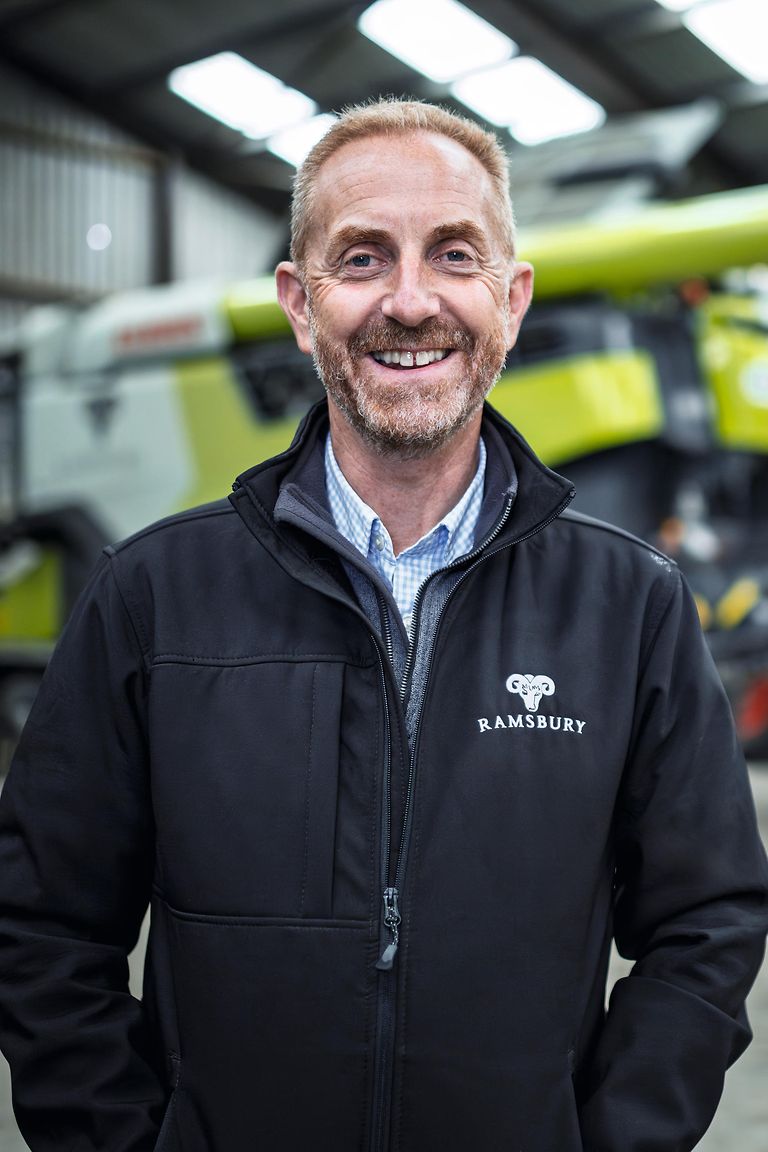
  • Duncan More, Ramsbury Estates Limited
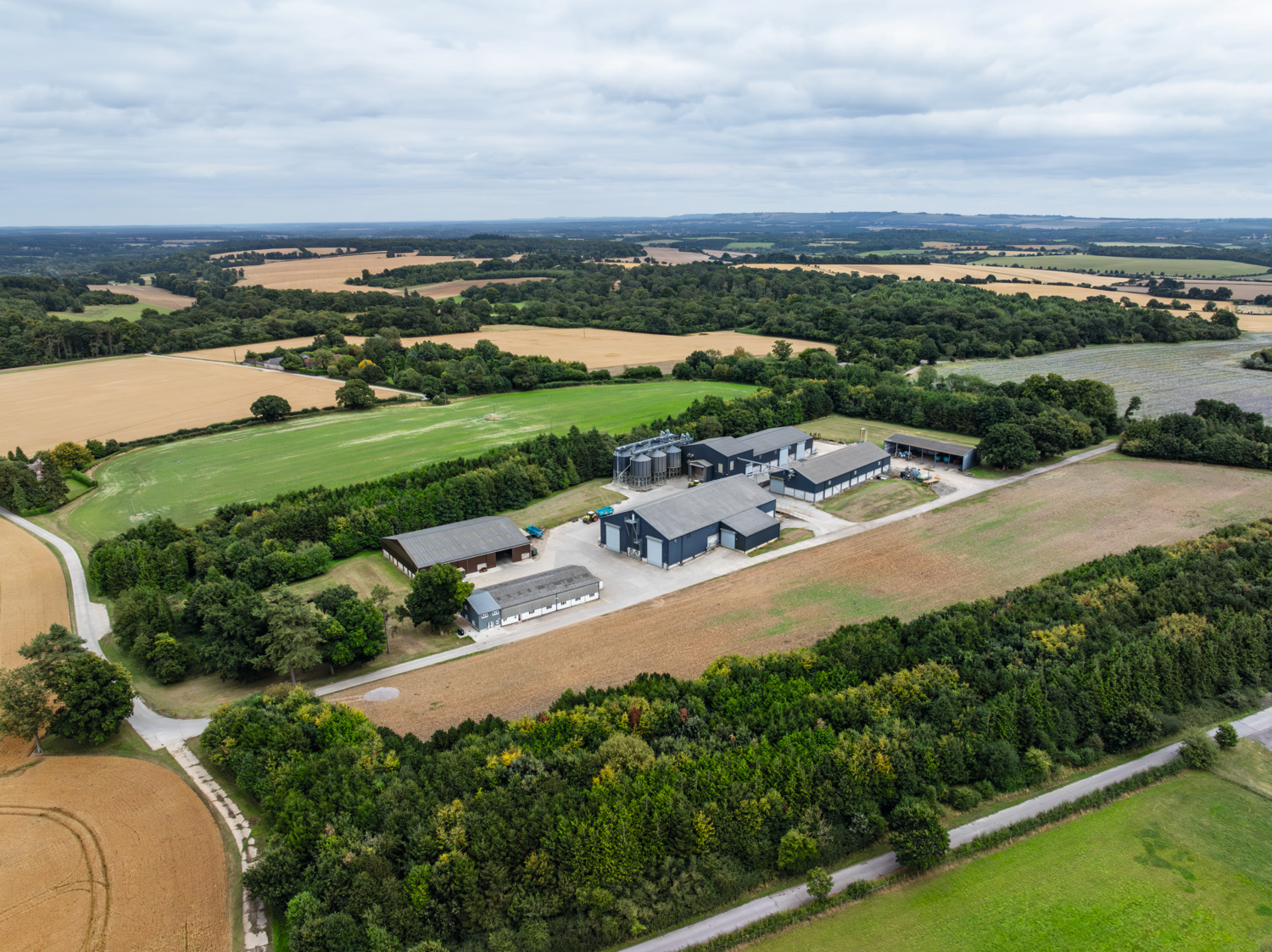
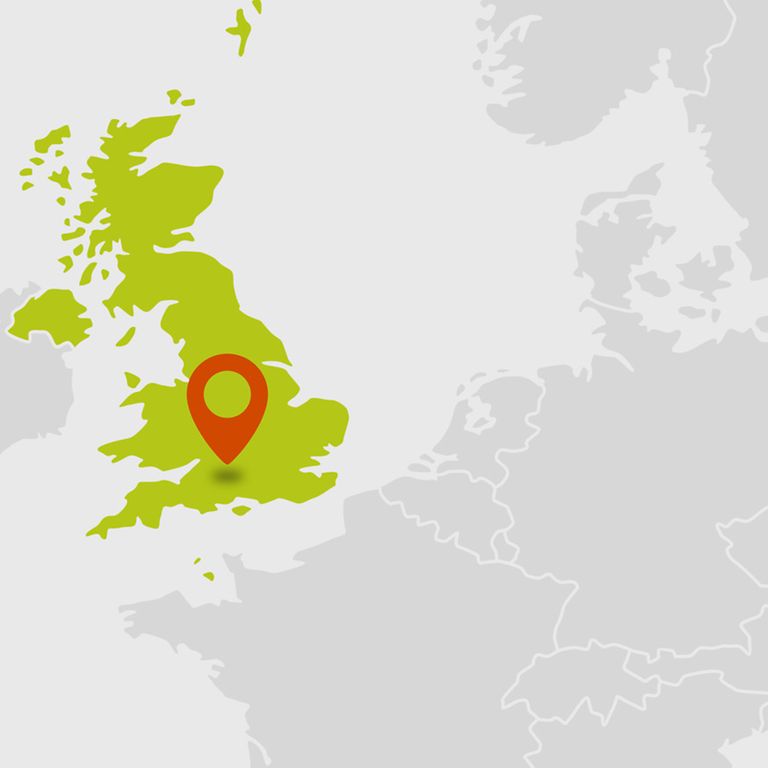
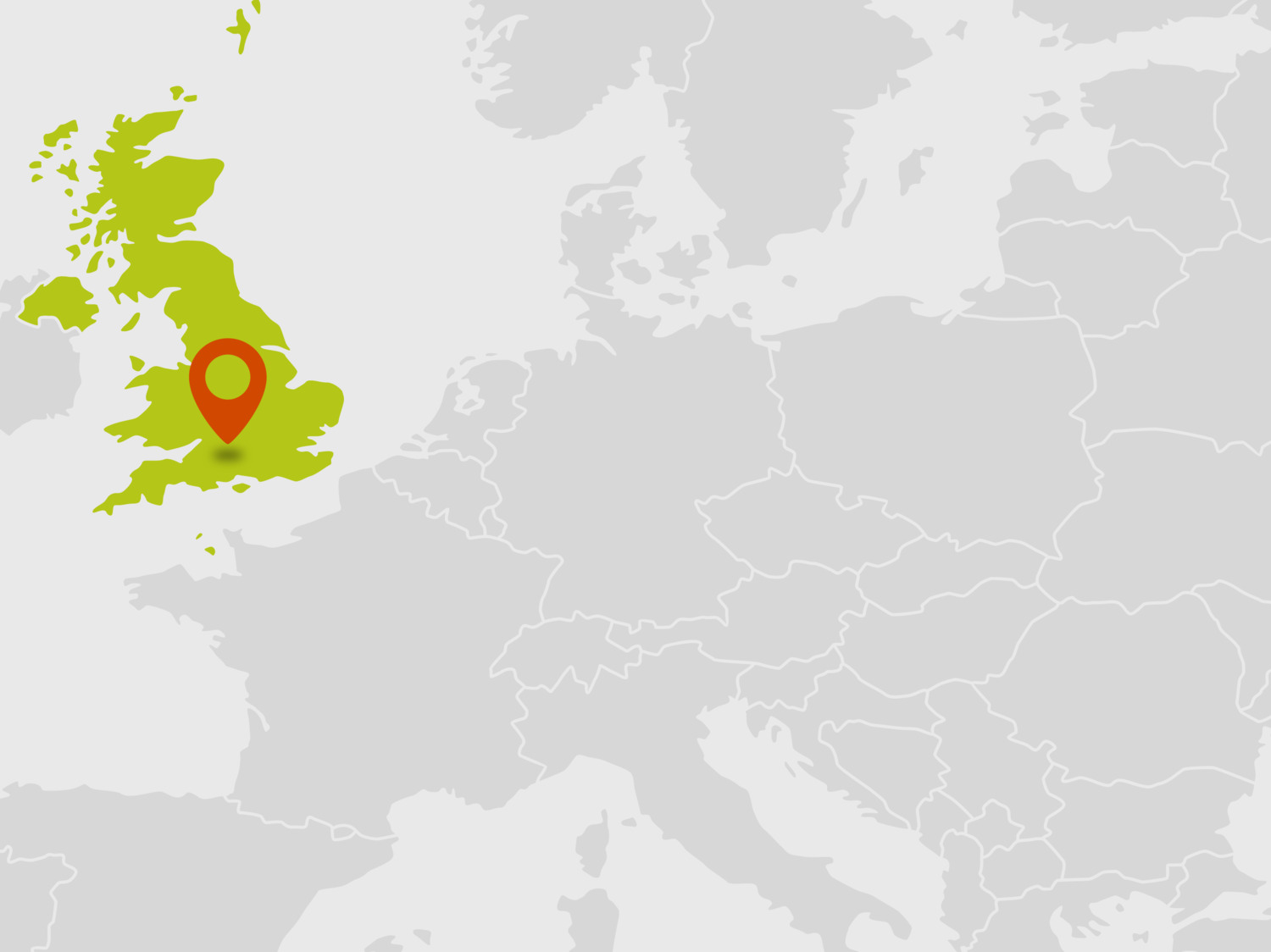
  • Location: Wiltshire, UK
  • Type of business/farm: arable farm
  • Farm size: 2,400 hectares
  • Crops: barley, oilseed rape, rye, wheat, beans
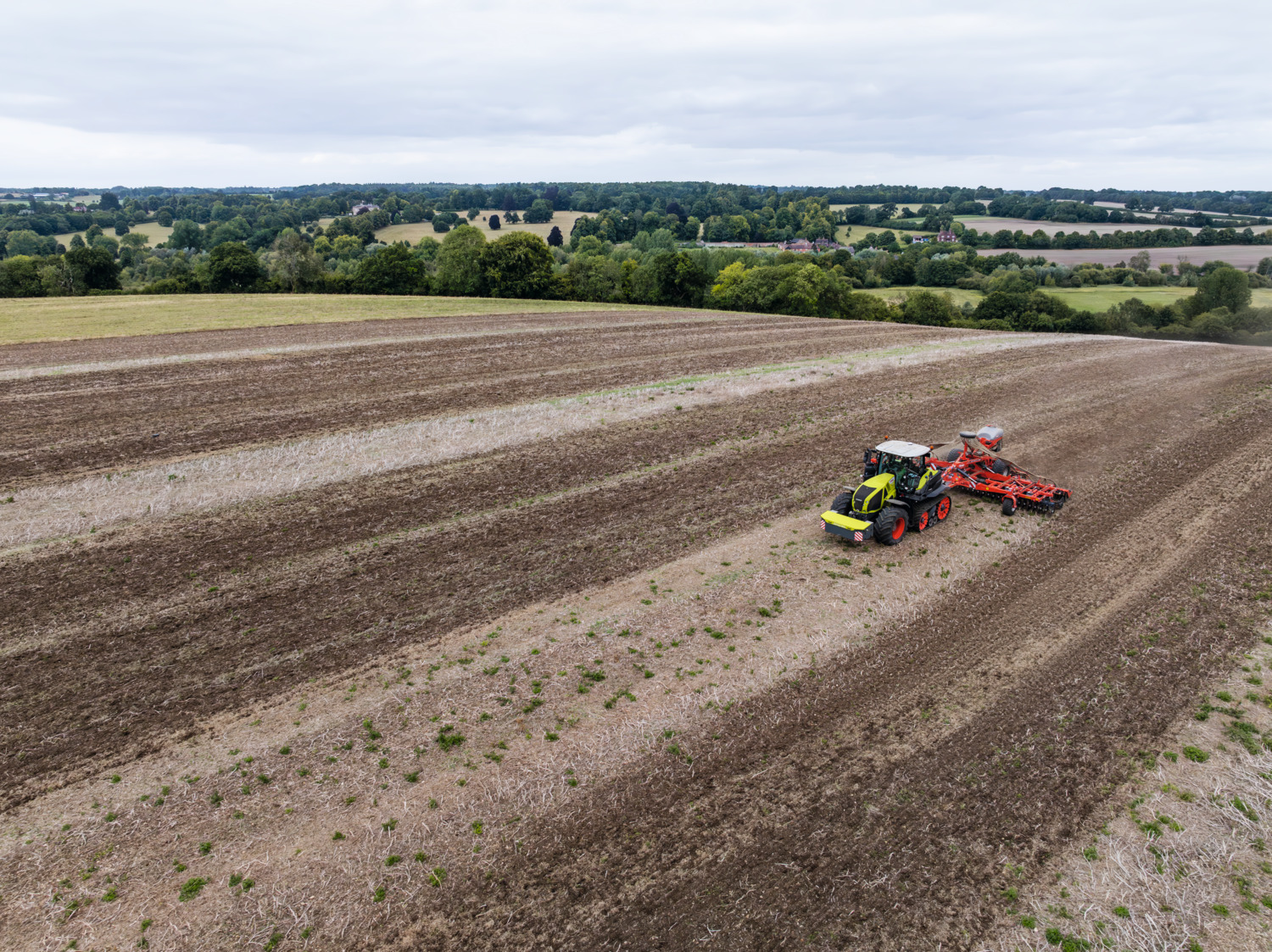
  • Challenges: stony soils, sloping terrain, high standard of threshing performance

Machines: 2 LEXION 8800 with VARIO 1230

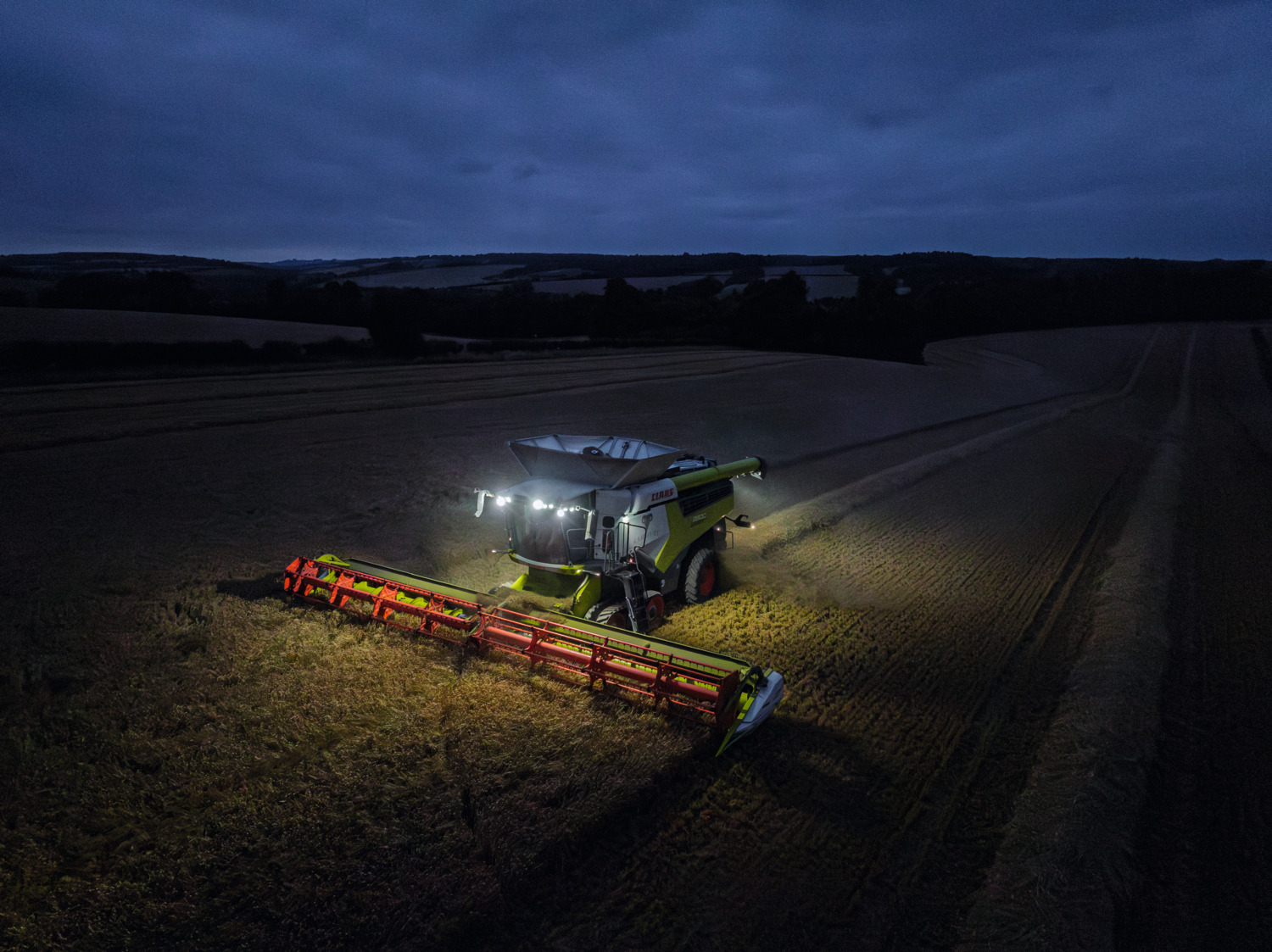
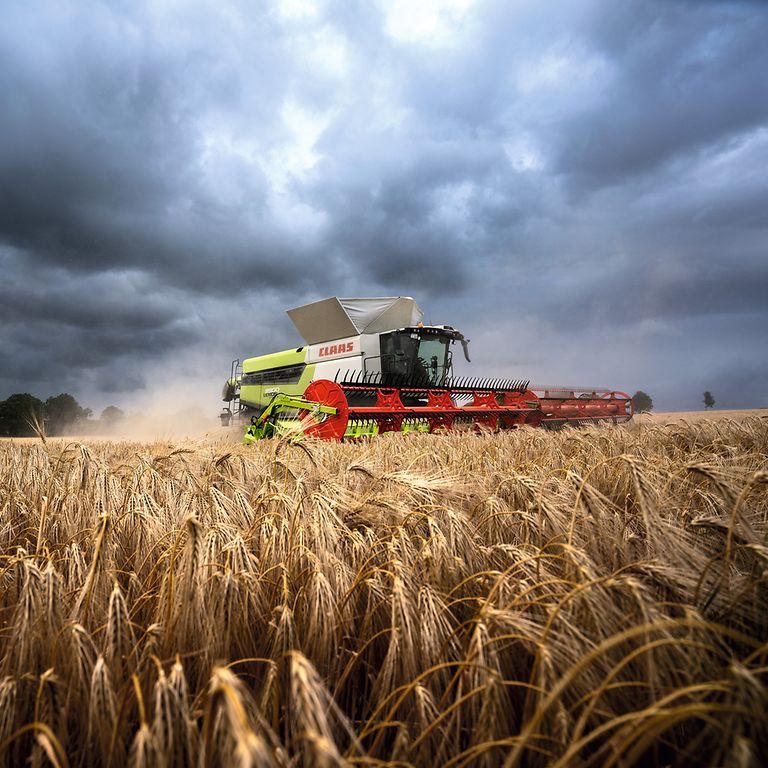
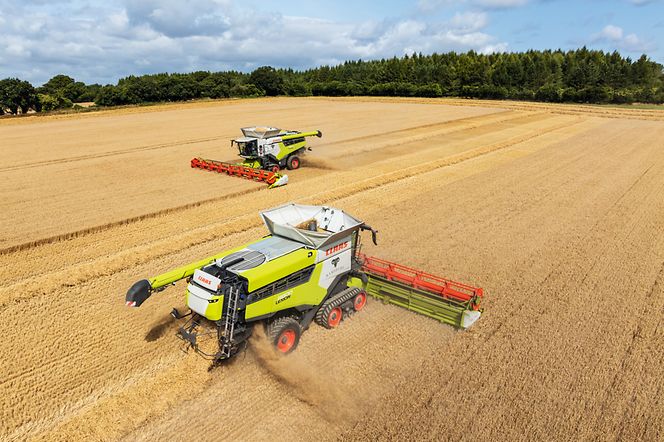
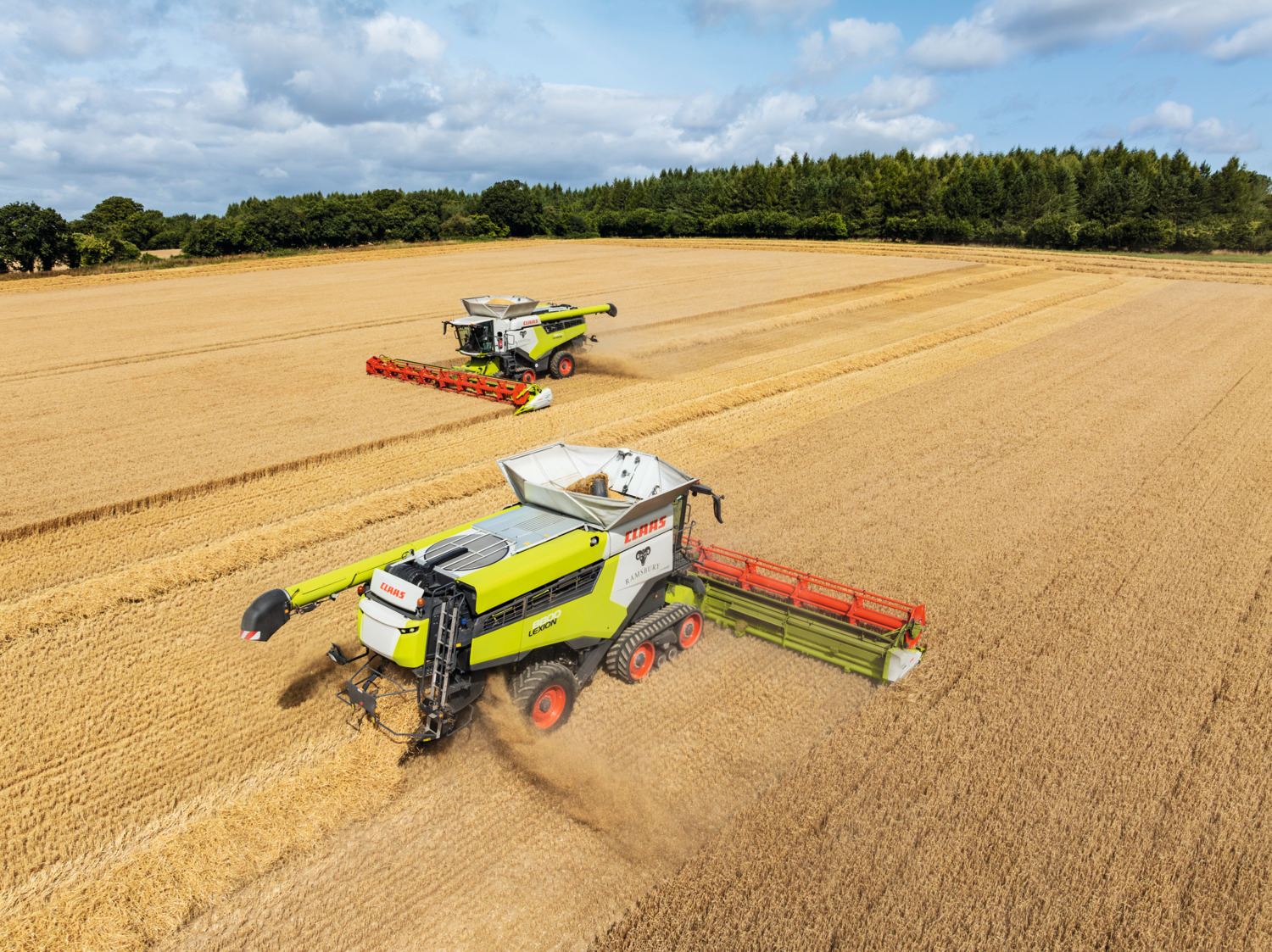
The two LEXION work efficiently and precisely, leaving perfect straw swaths in their wake.

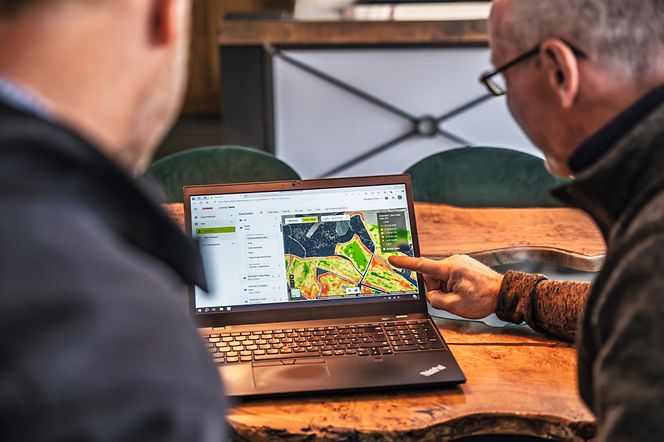
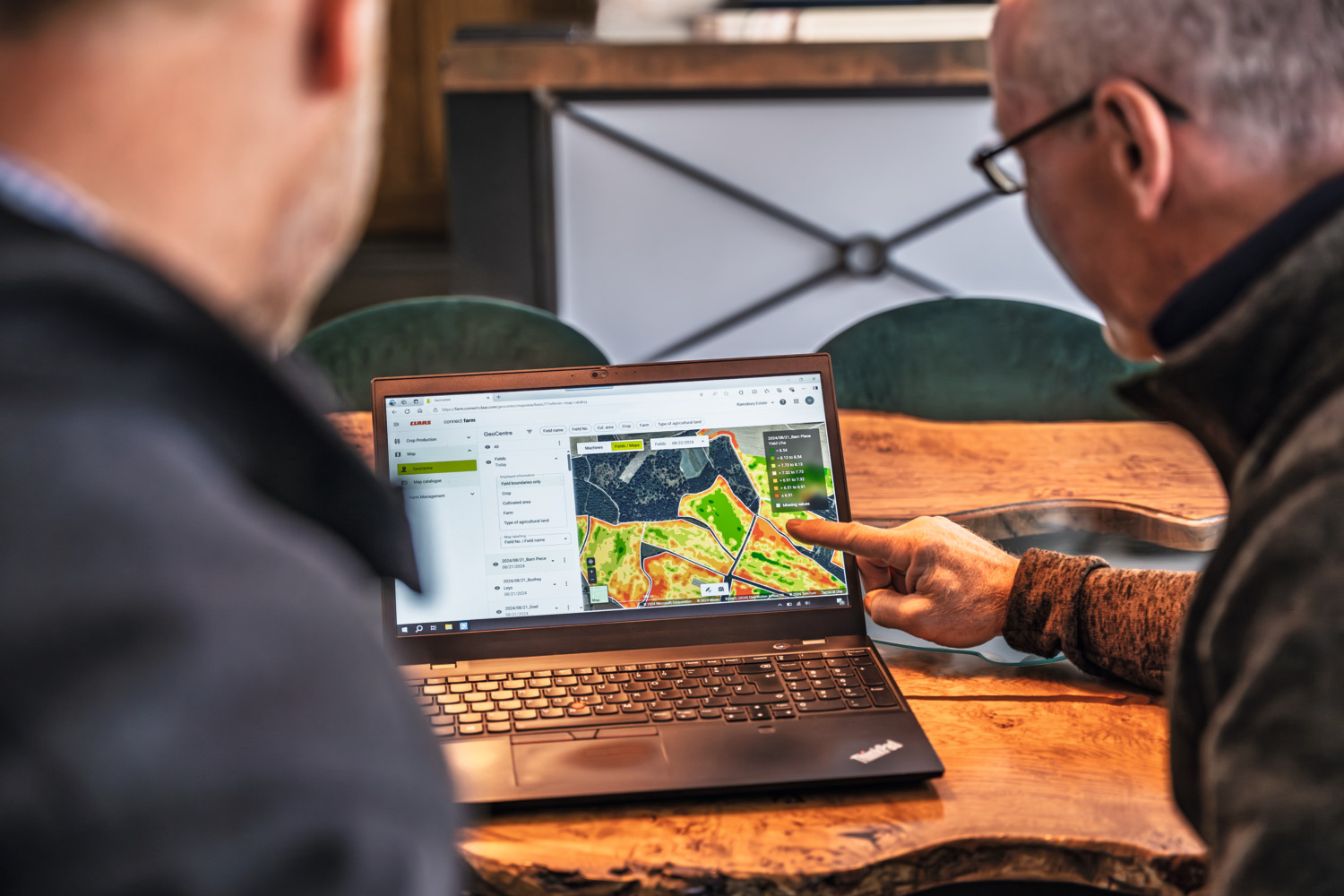
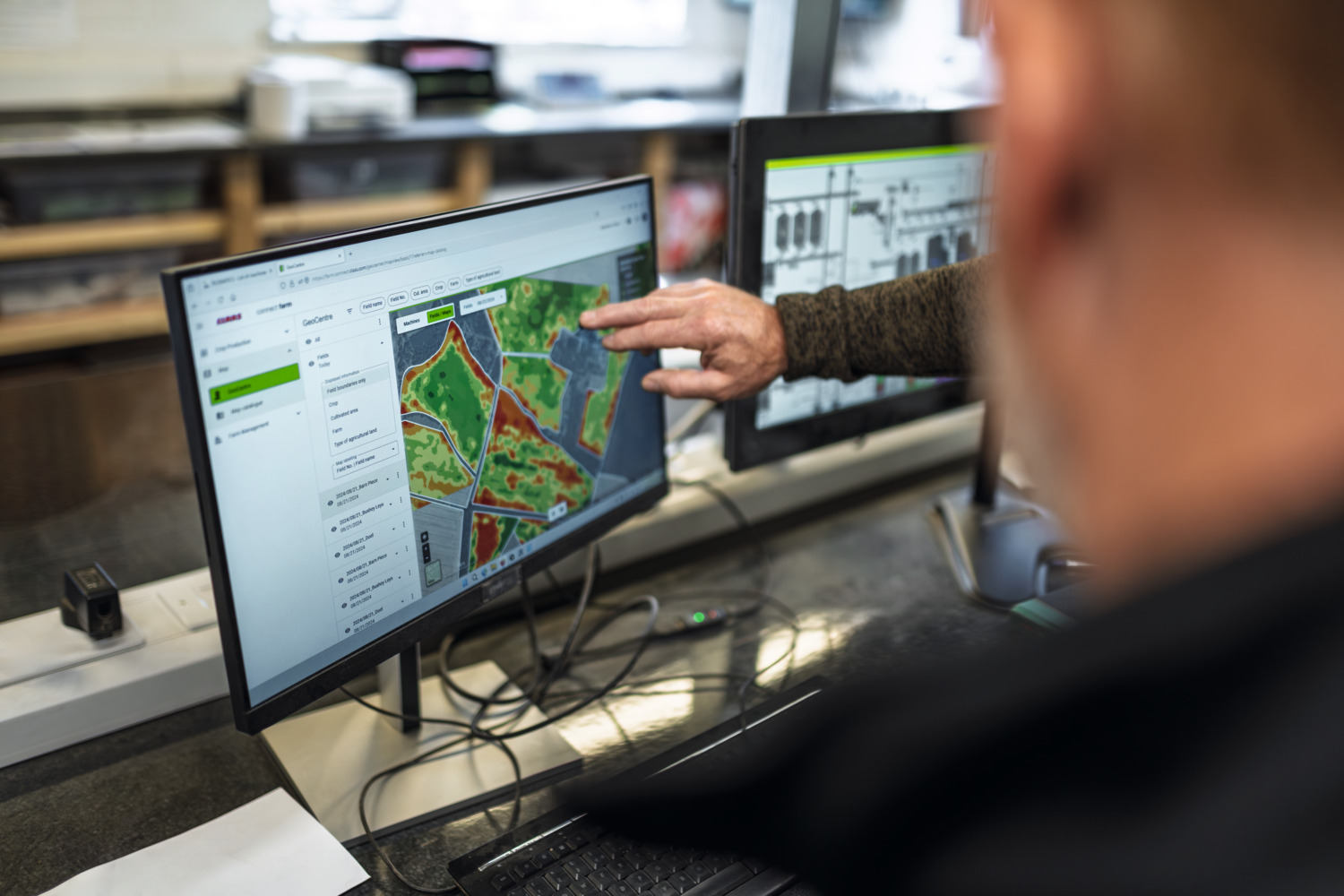
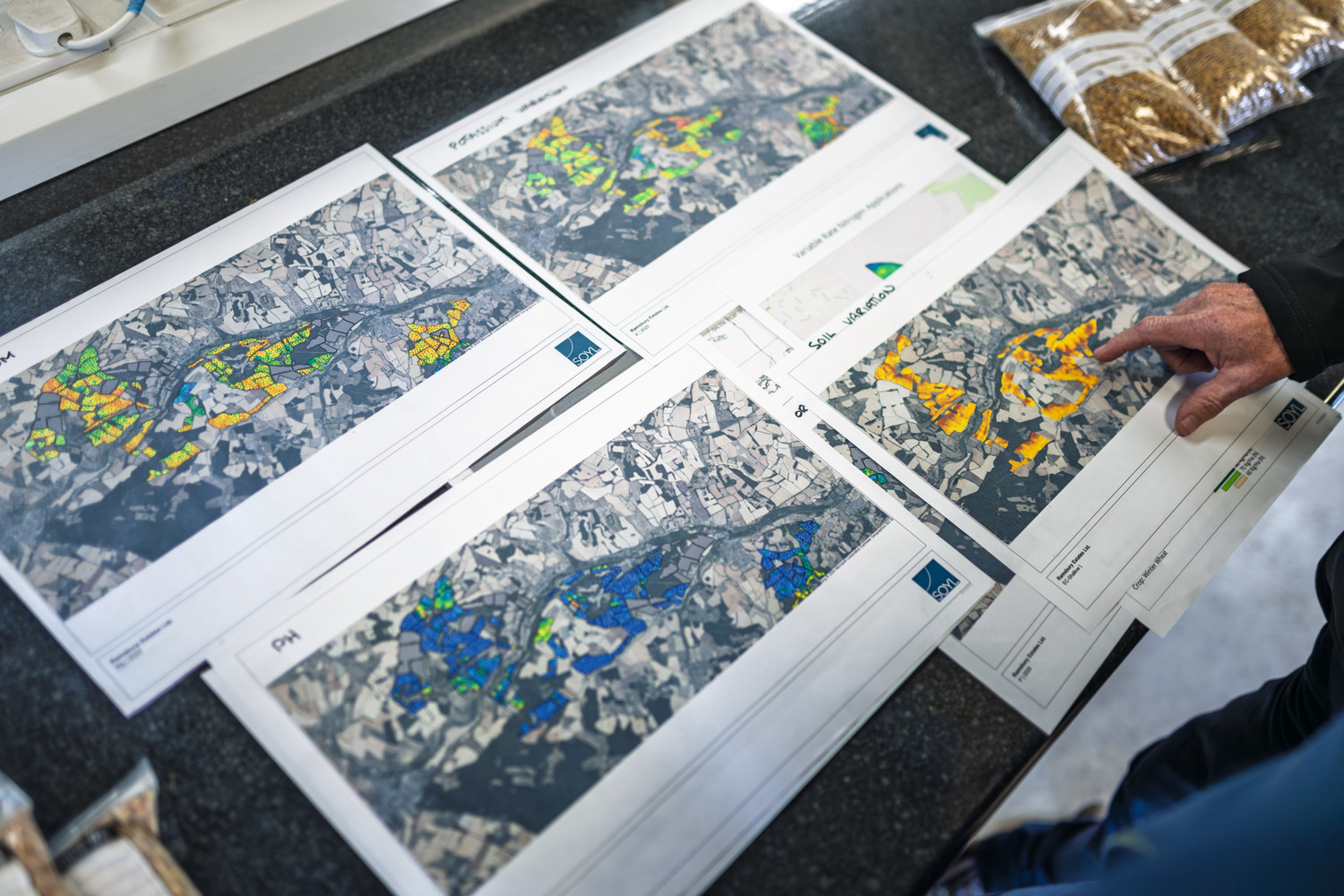
The two LEXION 8800 with VARIO 1230 cutterbars deployed on the Ramsbury Estates work steadily up and down their tracks at high throughput, leaving perfect straw swaths in their wake – an image that reflects the precision and efficiency of these machines. The farm uses the integrated CEMIS 1200 terminal for precision farming and recording yield data via CLAAS connect, as well as for GPS steering. This technology helps make effective use of the heterogeneous soils and streamlines work processes.
"CLAAS machines are very robust and well-engineered, as reflected by their high resale value."

Duncan More

Ramsbury Estates Limited

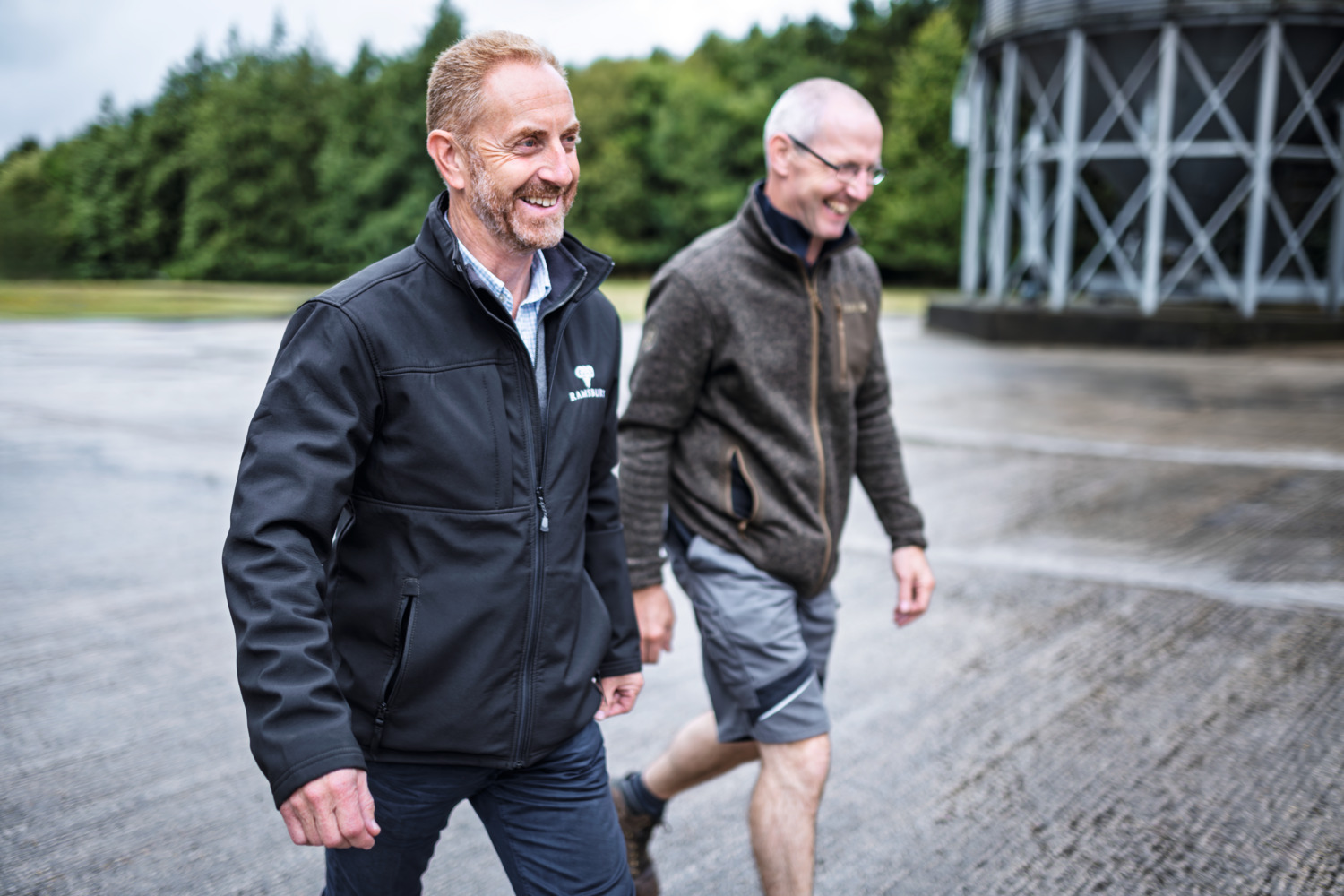
One outstanding feature of CLAAS combine harvesters is their durability. They are renowned not only for their high campaign performance and low fuel consumption, but also their low maintenance and repair costs. "CLAAS combine harvesters are extremely well-engineered and robustly designed, as reflected by their high resale value," says Duncan More. For the farm, this equates to predictable costs and maximum operational reliability – a critical advantage during the busy harvesting season. "We know that we will get good service and support from CLAAS. That's crucial for a farm of this size, as we can't afford lengthy downtimes," stresses Duncan More.

Homegrown raw materials for the brewery and distillery.

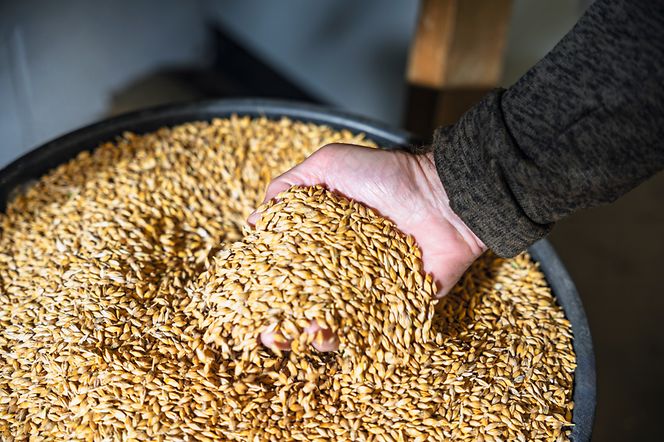
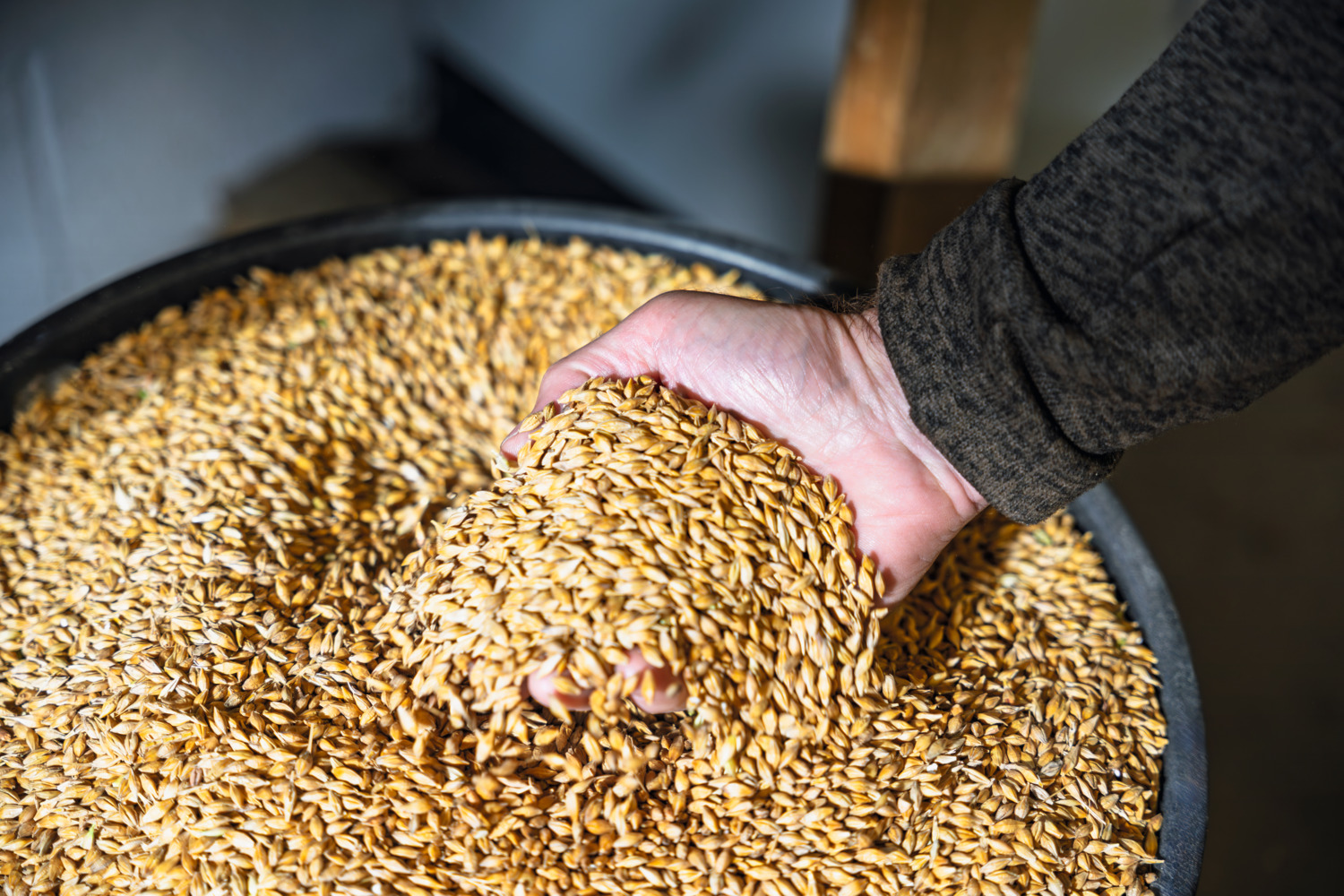
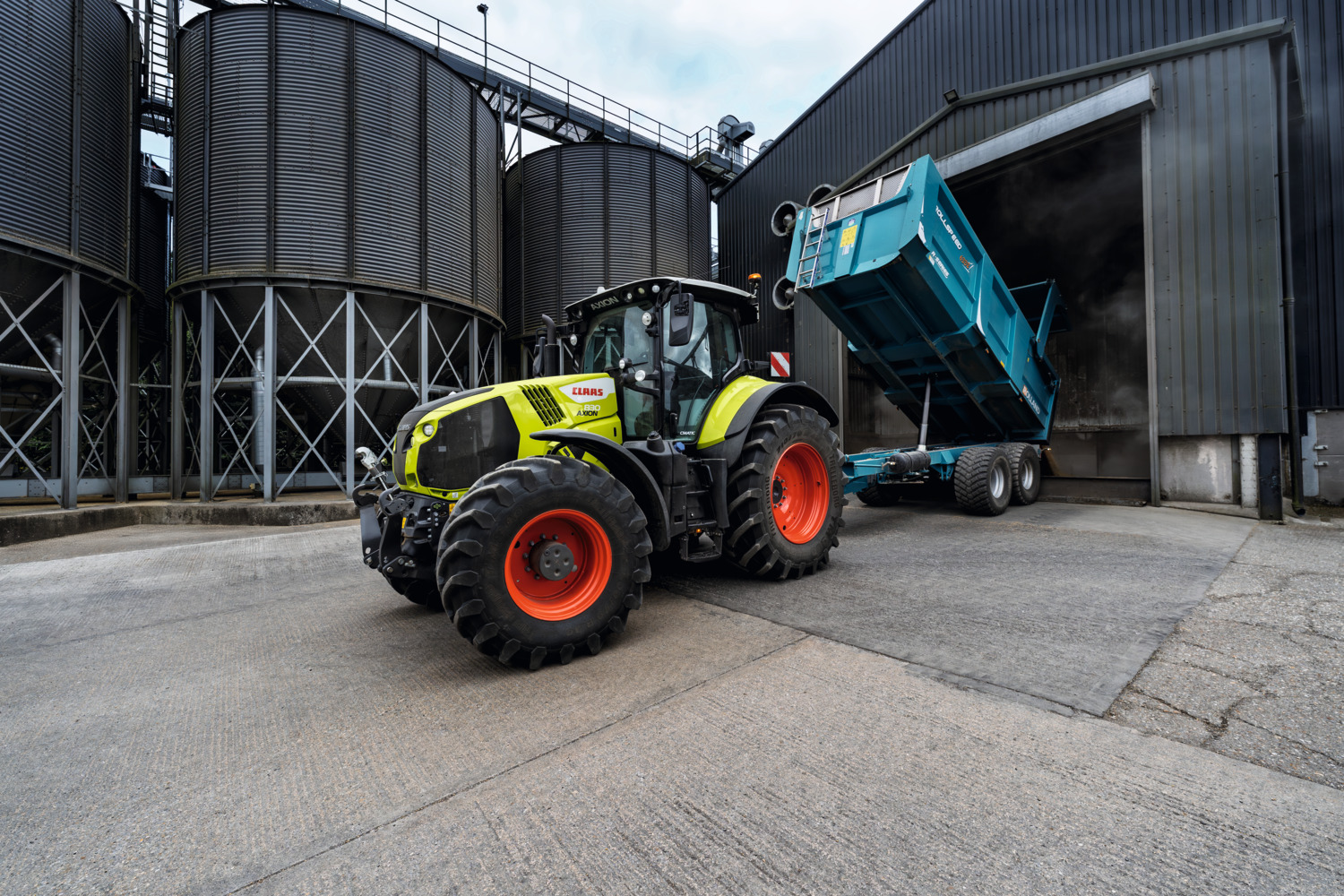
As well as efficient grain harvesting and logistics, careful attention is paid to grain conditioning and storage to generate higher add value. "Some of the equipment in our grain store is not found on any other farms," explains Duncan More. Including the colour sorter, which ensures that only the best quality grain reaches the market or their downstream processing systems. This level of care and professionalism feeds through into the on-farm brewery and distillery. "Not many breweries and distilleries grow their own raw materials – such as wheat and barley. We can trace the grain right back to the field it came from. We always have complete control of the processing – from malting and drying to storing and finally to distilling. This helps us in a number of ways," says Nikolas Fordham, General Manager of the Ramsbury Brewing & Distilling Company.

Yield data analysis for optimising the harvesting process


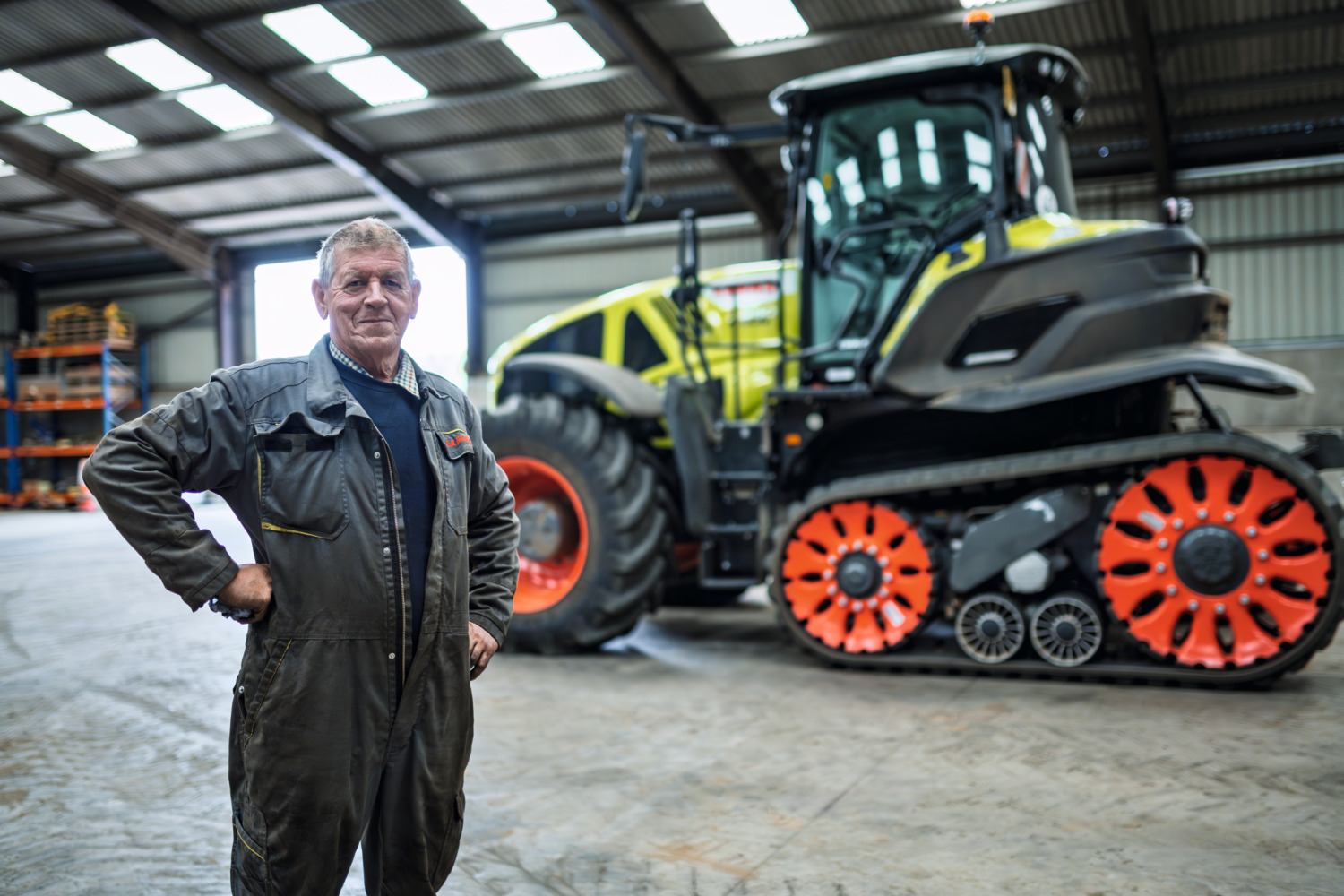
With two identical LEXION 8800, the operators are able to share their experiences of operating the machines and configure the optimum settings. It also has the advantage of increasing campaign performance. In addition, telemetry data from the machines is analysed through CLAAS connect to further improve the efficiency of the machines and the logistics processes. "Technological developments are moving at incredible speed. We use variable rate fertiliser application and seeding, which are controlled from the terminals – on a CLAAS tractor with an Amazone fertiliser spreader. The two systems perform well together. They respond to one another, and there are no inconsistencies. Everything works very smoothly," explains Duncan More.

Modern technology in harmony with sustainable agriculture.

Ramsbury Estates impressively demonstrates how modern technology and sustainable agriculture can work in harmony together. Innovative solutions and diligent planning combined with the enduring reliability of CLAAS combine harvesters and service partners has enabled Duncan More and his team to overcome the challenges of farming under difficult conditions and help the environment at the same time.