Autonomous agricultural machines from CLAAS
Agricultural machinery
Digital Solutions
Service & Parts
Experience
Press
About CLAAS
Autonomous agricultural machines from CLAAS

#AgriChallenges

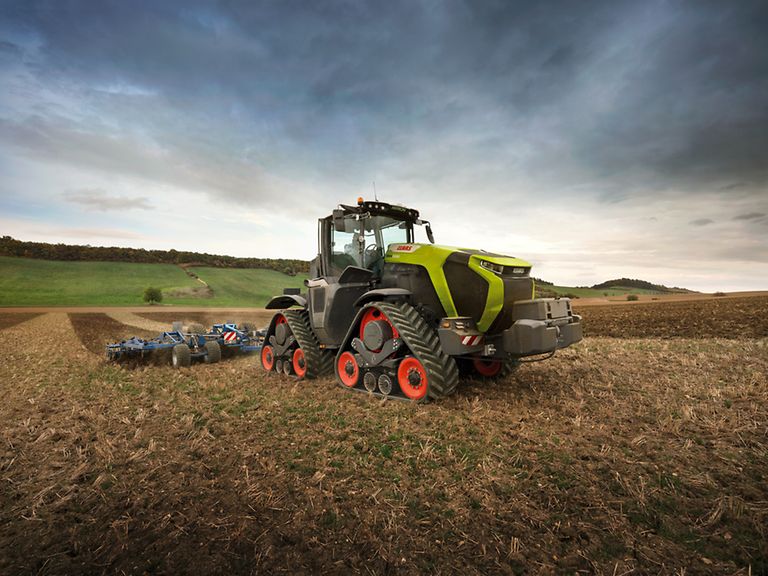
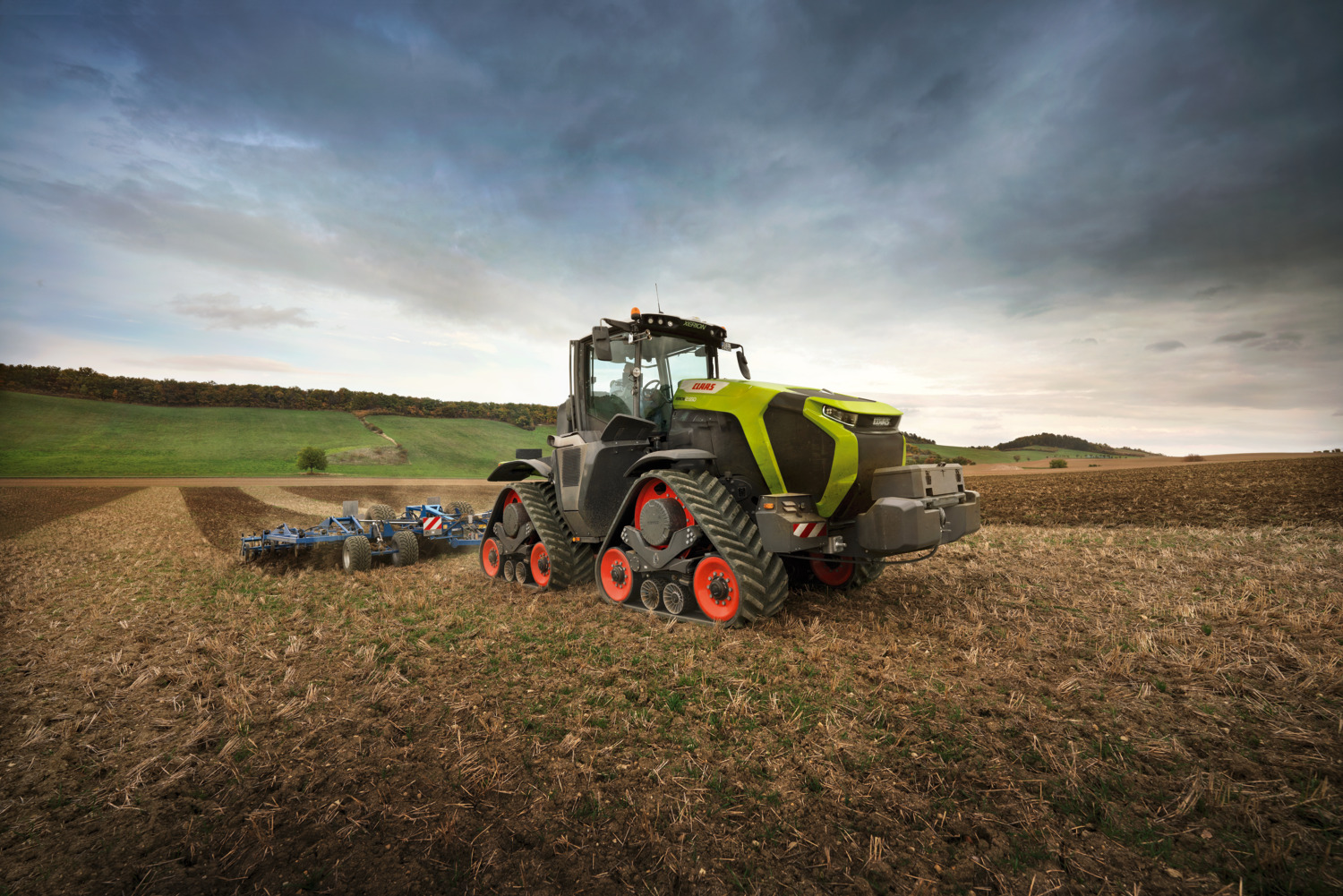
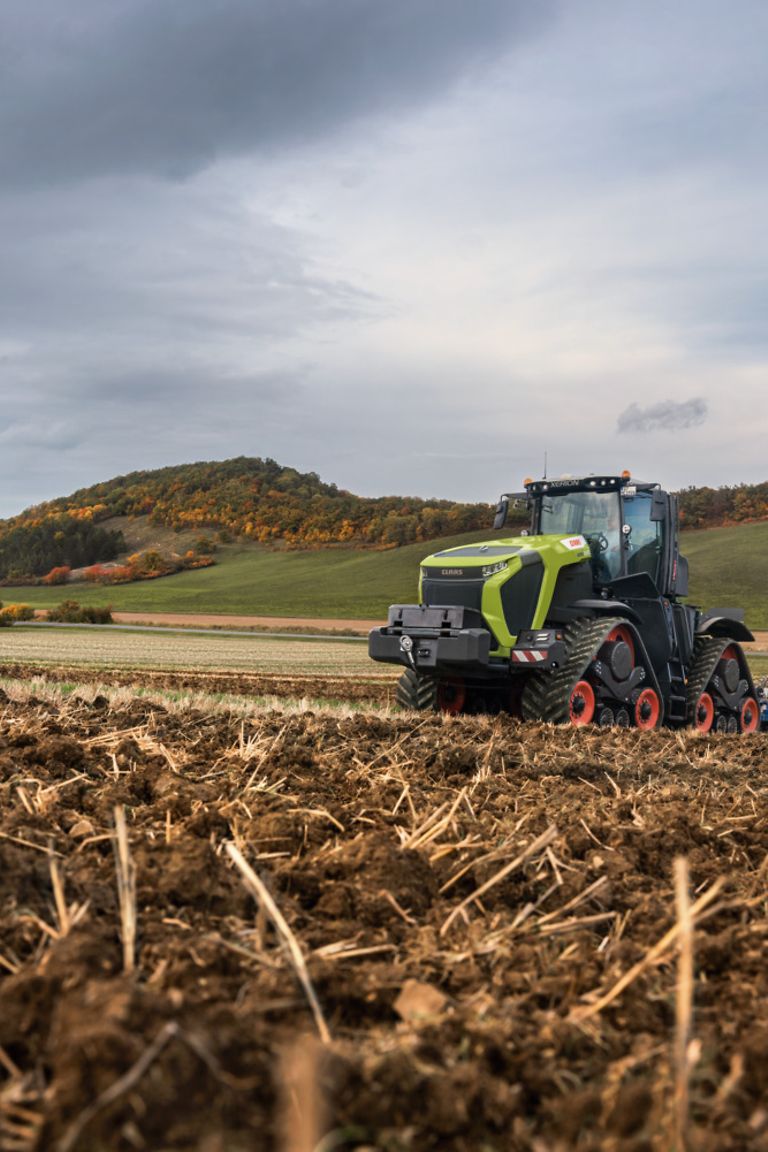
Autonomous agricultural machines from CLAAS: when the tractor thinks for itself.

When skilled labour shortages and the climate crisis converge, highly automated and autonomous agricultural machines can provide the answer. An interview with Julian Siggemann from Advanced Development at CLAAS about the opportunities for the entire agricultural sector, current problems and the future of driverless tractors.
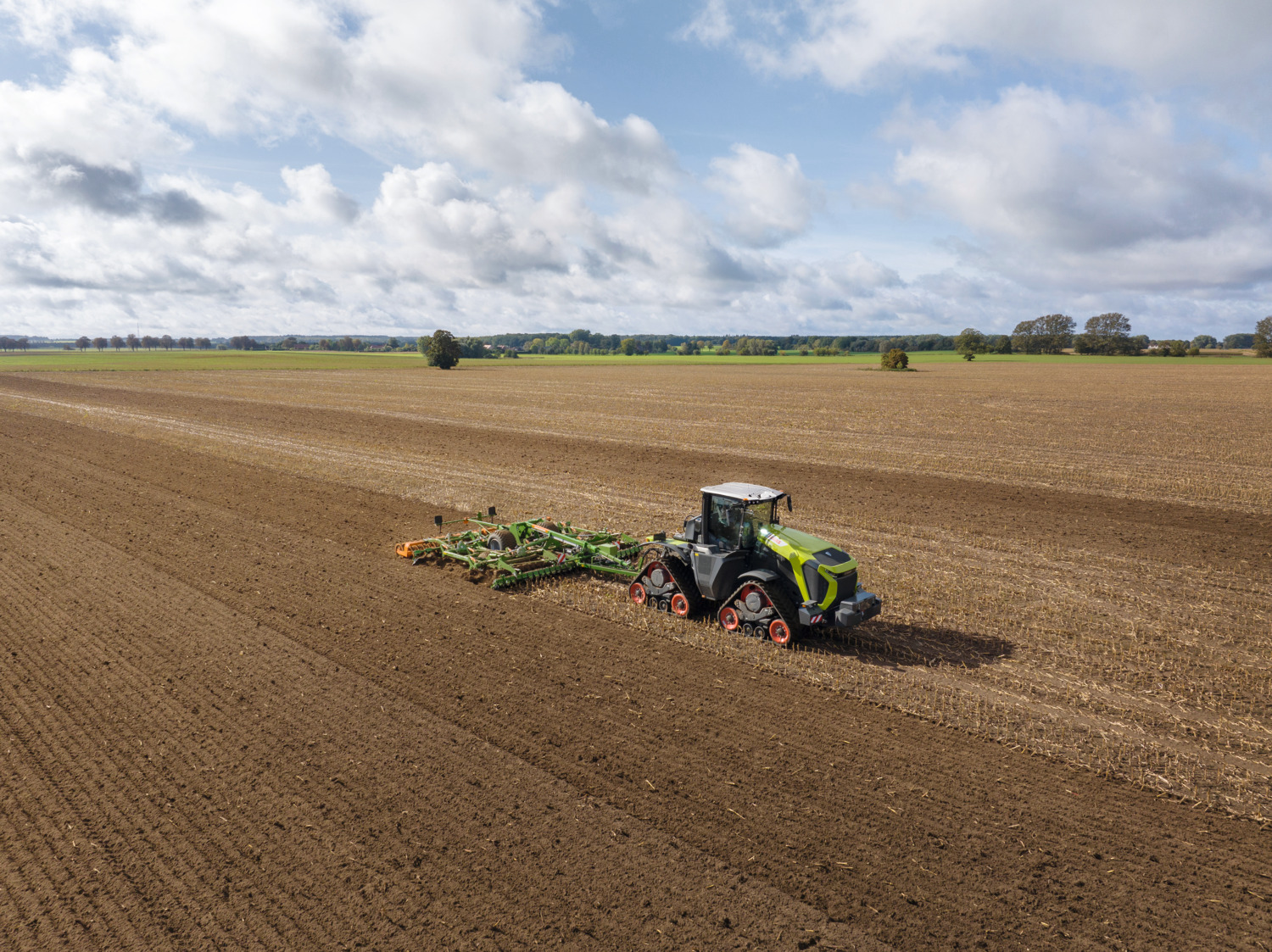
Many people are asking whether self-driving tractors will soon replace farmers.

Not at all!The aim is definitely not to replace the workforce but rather to use it for more highly skilled activties at peak times. The 2023 grain harvest in Central and Northern Europe is a good example of this: the harvest was delayed by the weather, which meant that activities such as threshing, stubble tillage, soil cultivation and sowing catch crops and succession crops had to be done at the same time. Often, however, there are not enough skilled workers available to perform all these simultaneous tasks – and the situation won't improve in the future. Innovative technologies have the potential to address these peaks.

When will we see these autonomous tractors in the field?

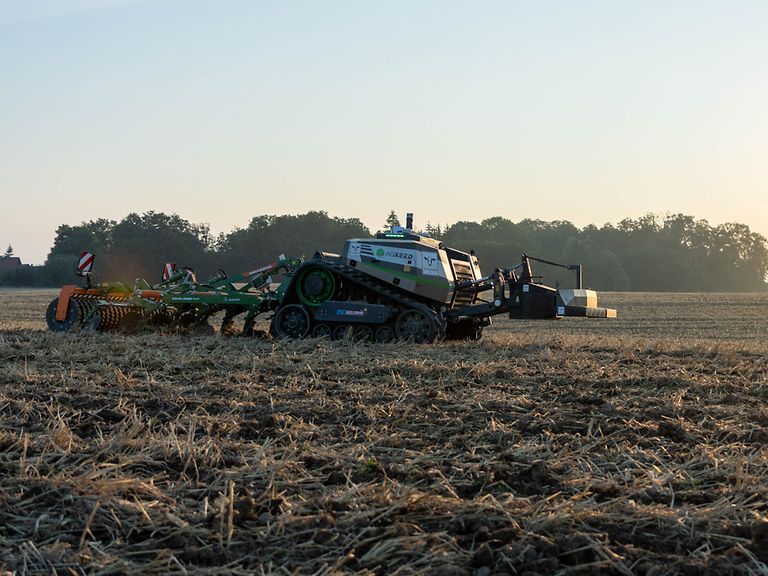
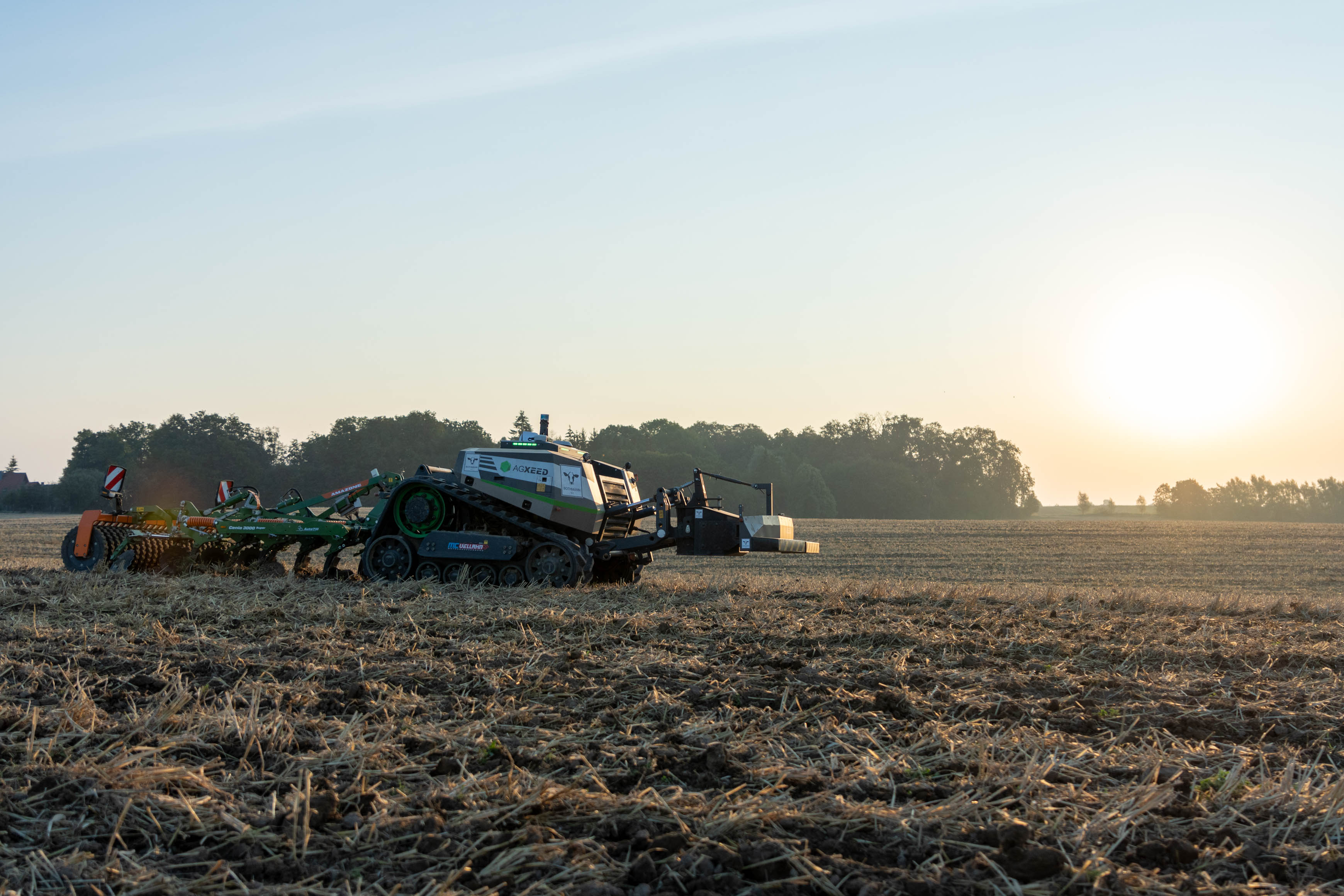
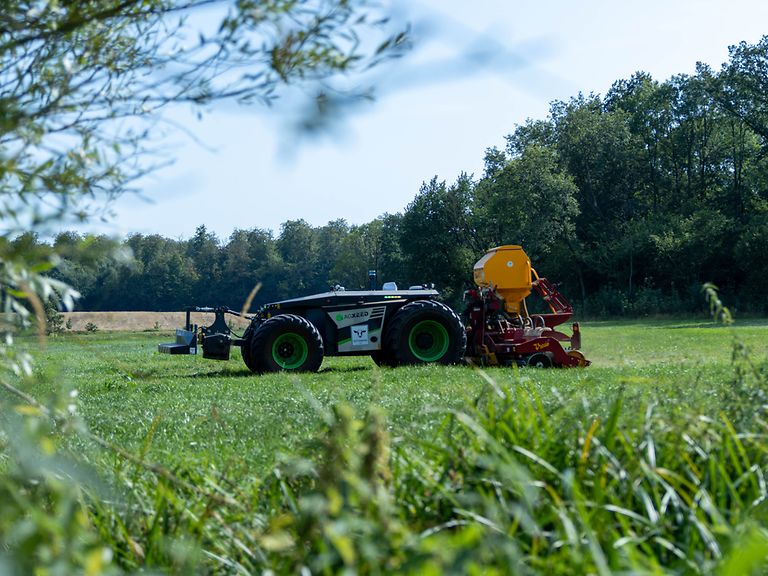
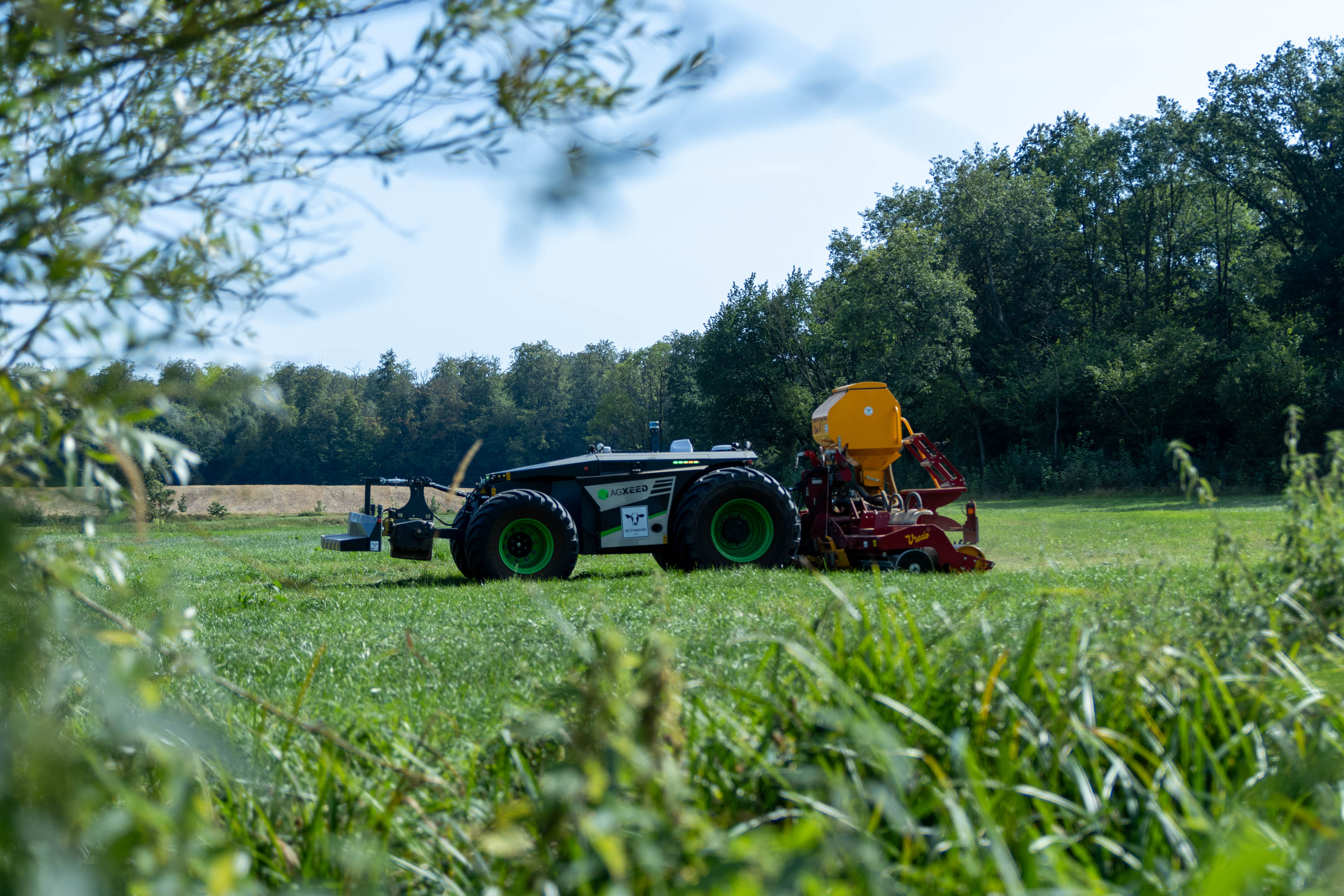
Now (laughs): Farmers can order an AgBot from AgXeed right now. These driverless tracked tractors can do anything that a small 150 hp tractor can do: pull, lift, provide PTO and hydraulic capacity. Only without a driver. CLAAS in partnership with AgXeed and Amazone has also set up an autonomy group: 3A – ADVANCED AUTOMATION & AUTONOMY aims to speed up the development, standardisation and market introduction of semi- and fully autonomous tractor-implement combinations by combining their knowledge and expertise.

So CLAAS is reaching out to its competitors?

Agricultural robots today are mostly used for limited applications in closed systems and without the option of deploying them in combination with other vehicles or implements. This is where the innovative technology developed by the 3A autonomy group comes in: the AgXeed Box uses the standardised ISOBUS interface to connect tractors and implements to autonomous process planning and execution for the first time. Implements can interact with field robots, AgBots and tractors via this interface.

Has the group already produced results?

The first products developed by the 3A groups are the Amazone AutoTill for mulch cultivators and CLAAS connect, which handles the entire planning and implementation of automated tillage operations. The 3A group's findings are now being fed back to the AEF (Agricultural Industry Electronics Foundation) with the aim of driving the standardisation of interfaces for autonomous applications.

Take us behind the scenes of automation at CLAAS: What are your greatest challenges currently?

We are working hard to refine the system. The first CLAAS Autonomy connect pilot machines are already being tested by selected farmers and contractors. We use their experiences along with feedback from customers to further improve the system.

Let's hazard a look ten years into the future: What will agriculture look like in 2035?

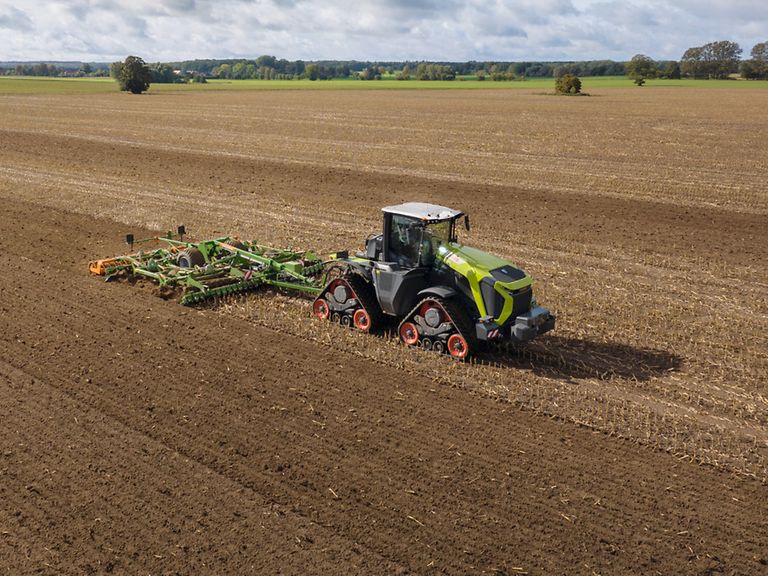
I think that in ten years time we will be seeing entire fleets of autonomous vehicles which are capable of cooperating independently and seemingly effortlessly. Sending a single tractor out across the field, that's easy enough to program. A whole fleet of different machines which act and respond independently, now that's another matter. In future we'll be considering autonomous harvests: with the autonomous LEXION threshing, the autonomous AXION driving ahead of the chaser bin and the autonomous XERION starting tillage operations at the same time. All the farm data can be accessed in CLAAS Autonomy connect – and the process just gets fine-tuned year on year.