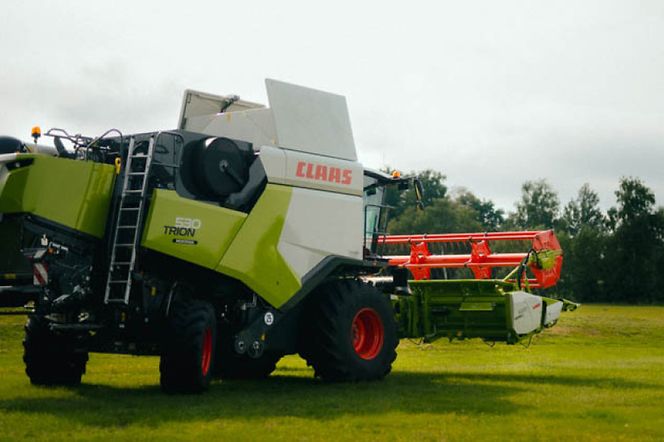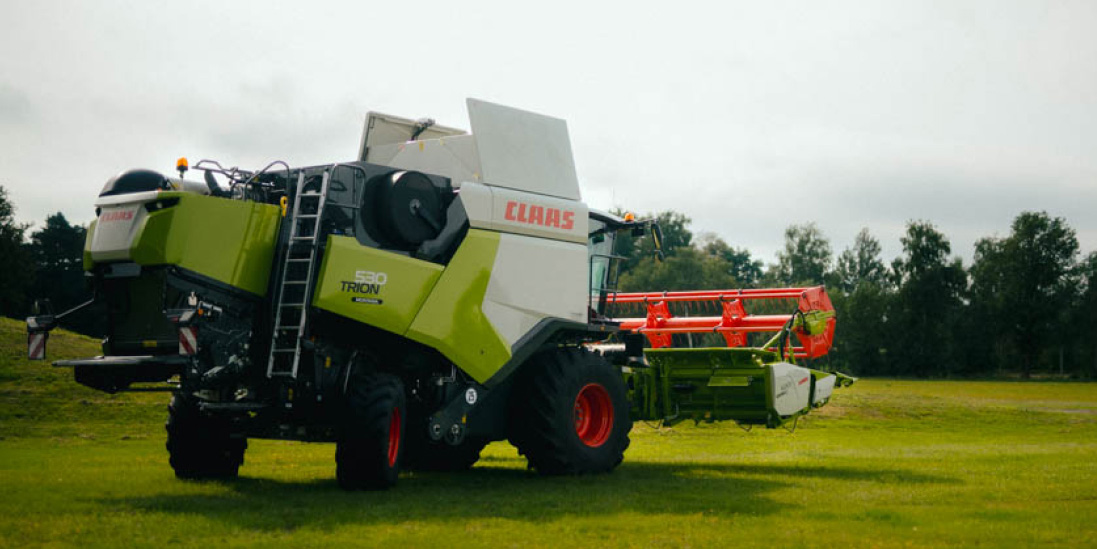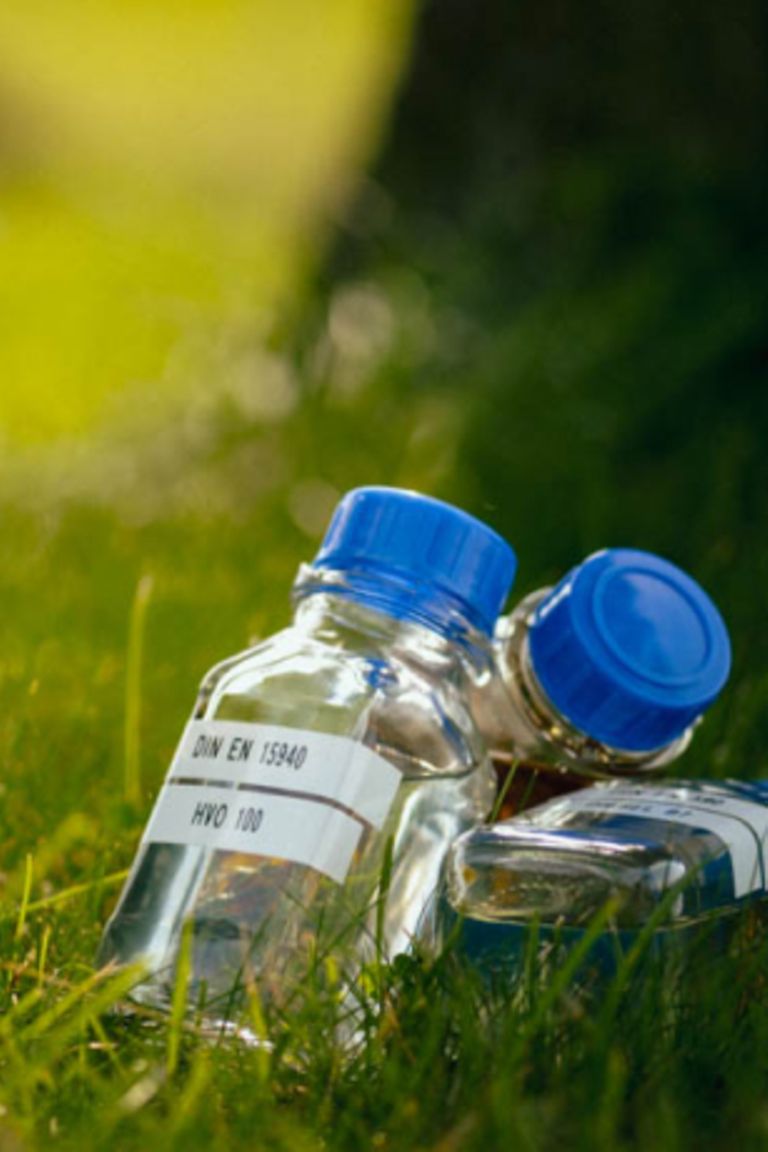
Seven facts you need to know about the diesel alternative, HVOWhile electric cars are taking over the streets, forage harvesters, combine harvesters, and large tractors will still need internal combustion engines in the future. However, ideally, they will no longer run on diesel but will use a sustainable liquid fuel instead. Hydrotreated vegetable oil, or HVO, has similar properties to diesel, giving it one clear advantage: it can be used in its pure form—known as HVO100—or mixed with conventional diesel fuel. This reduces the carbon footprint by up to 90 percent in comparison with conventional diesel fuel. Read on for seven facts about the three letters you won’t forget.
1 – CLAAS makes HVO the new standard. No need for modification or new investment in farm infrastructure. HVO is a drop-in fuel, meaning that it can be used in existing machinery straight away. HVO (hydrotreated vegetable oil) has been approved for use in CLAAS harvesters and tractors that meet the latest Stage V emissions standard since 1 October 2023. What’s more, new machines leaving the plants in Harsewinkel in Germany and Le Mans in France now come with a tank of HVO as standard. This change alone has enabled CLAAS to reduce its CO2 emissions by 2,500 tonnes per year.
2 – This sustainable fuel is made from leftover and waste materials.“Be honest, how do you get rid of your old fryer oil?” wonders CLAAS product strategist Patrick Ahlbrand. Instead of being thrown away, old cooking oil, together with other biogenic waste, can be refined to create HVO. The process is similar to the way in which crude oil is refined to make diesel, and the result is the same—fuel. The big difference is that when HVO100 is burned, it releases only the same amount of CO2 into the air as the oil-producing plants had previously extracted from the air to grow. The result is that sustainable biofuels used as part of the circular economy reduce CO2 emissions by up to 90 percent.
3 – The tractor doesn’t smell like an old fryer. Diesel engines are all-rounders and can also run on pure vegetable oil after a few adjustments. Some farmers did this years ago—when there were still grant incentives to do so in Germany—and noticed one side effect: their machinery smelled like an old fryer. However, when diesel is replaced with HVO, it smells more like a traditional fuel, says Patrick Ahlbrand—although it releases less soot, particulate, and nitrogen oxide emissions during combustion.
4 – HVO is still relatively unknown today, but it will be ubiquitous in the future.HVO100 cannot be sold at gas stations yet —but that is set to change in 2024 in Germany following new legislation. “The wider public will become aware of the fuel,” thinks Ahlbrand, a CLAAS strategist. The price of HVO is linked to the price of diesel and is currently around 15 euro cents per liter higher. “We hope that HVO will be included in the agricultural diesel subsidies to make it competitive.” However, farmers can already opt to use HVO to reduce CO2 on the one hand and to market their products as sustainable on the other. CLAAS experts also believe that more stringent emissions reporting requirements to be imposed on dairy farms and grain mills will stimulate the market.
5 – HVO can be stored for longer than diesel.“HVO is oxygen-free and stores better than diesel,” says Ahlbrand. This sustainable fuel can simply be kept in the same tank that previously held diesel. That’s a tremendous advantage over new battery- and hydrogen-driven systems that require many times the infrastructure costs.