Products
Smart Farming
Service & Parts
Discover CLAAS
Career
Press
About CLAAS

#AgriTech

Five common and persistent myths about continuously variable transmissions

Tractors are multifunctional, mobile work machines. They need to be able to do everything, from slow fieldwork, heavy soil cultivation and PTO work to rapid transportation jobs. All of these place tough demands not only on the farmer but also on the transmission: traditional part-load and full-load manual transmissions have to overcome efficiency losses, while modern continuously variable transmissions have only to overcome prejudices. So, it’s high time we cleared up five common myths about continuously variable transmissions.
Myth 1: Continuously variable transmissions break down sooner.

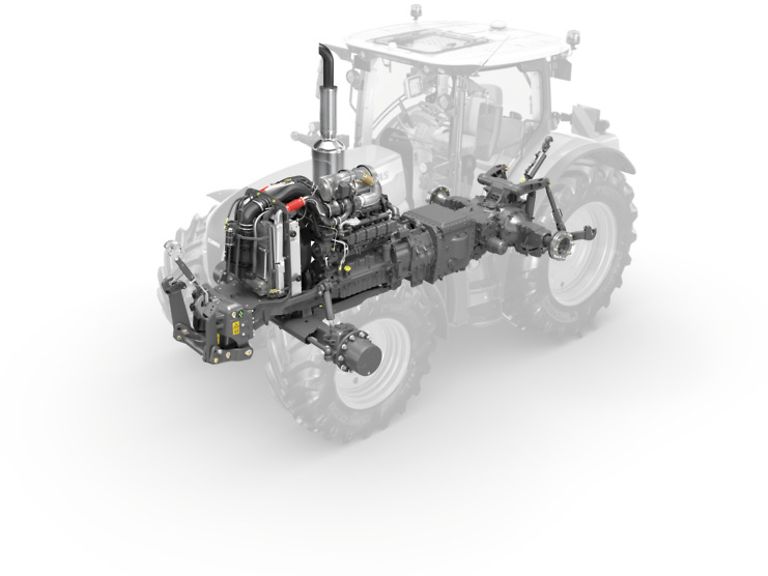
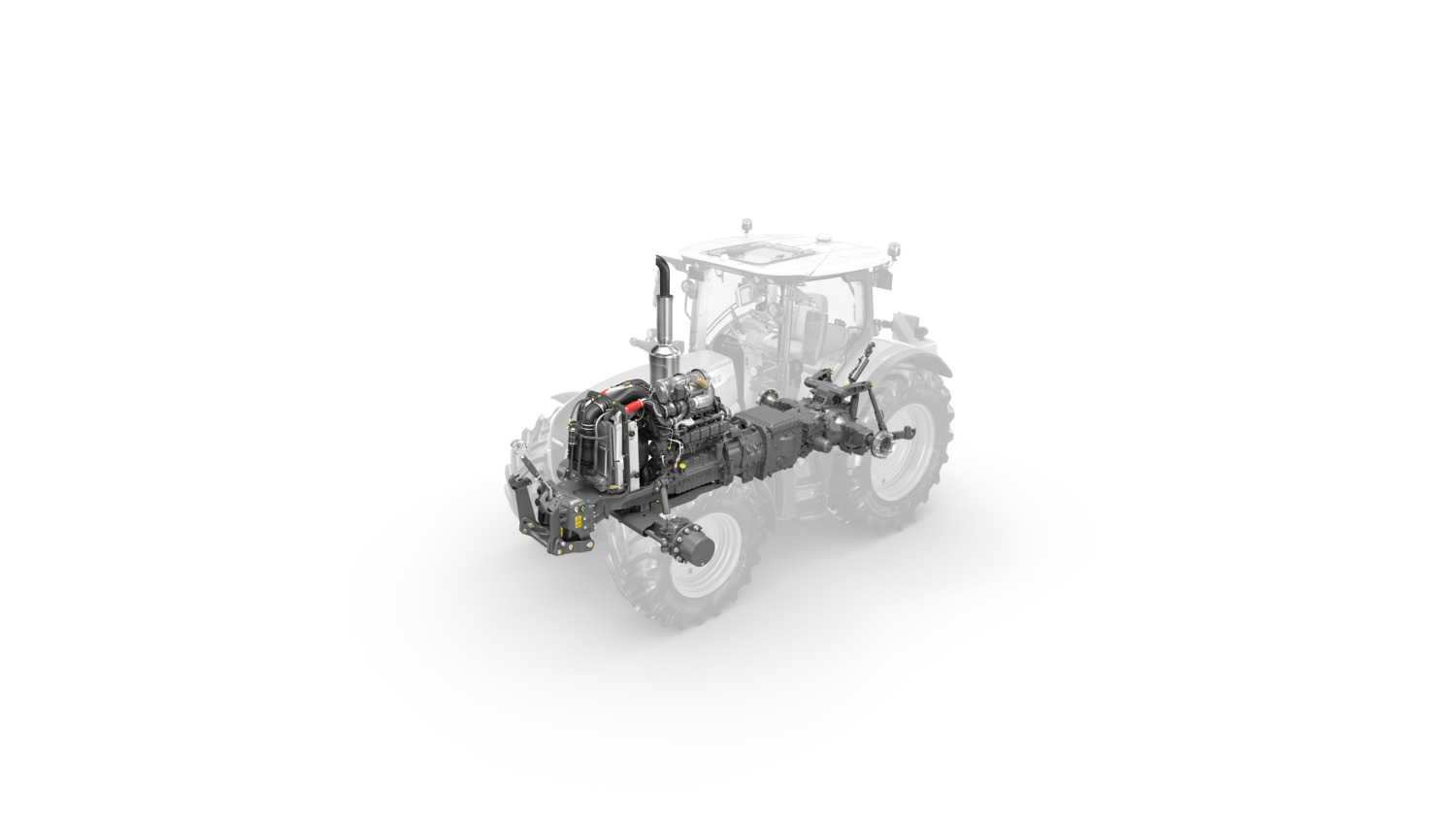
False! The rumor persists that continuously variable transmissions fail more frequently and sooner than part- and full powershift transmissions. The opposite is actually the case. "Our CMATIC transmissions show no defects whatsoever at a service life of well beyond 10,000 hours of operation," explains Jan Wieckhorst, Vice President of Advanced Development for Tractors and Implements. "A full-load powershift transmission has yet to achieve that!"

Myth 2: A tractor with CVT uses more fuel.

False! Modern continuously variable transmissions such as the CLAAS CMATIC are extremely efficient—and that’s almost constant across all speeds. In a manual gearbox, the operating point of the drive train in each gear is determined by the gear ratio, depending on the operating speed. This means that the rider can get close to the optimal operating point by selecting the right gear. However, the continuously variable transmission is always automatically at the optimal operating point—this also means optimized low fuel consumption!

Myth 3: CVTs are high-tech and are for professionals only.

False! The continuously variable transmission still has a reputation for being suitable only for professionals to drive. In fact, anyone can do it! The tractor is controlled almost entirely by the accelerator pedal or control lever. “If you push the pedal harder, the tractor goes faster; when you lift your foot off the pedal, it slows down. When stationary, the tractor won’t roll forward or backward, even with a heavy trailer on the back. It’s that simple!” says the engineer, summarizing how easy it is to use. Shift points, revs, clutch... the driver no longer needs to think about any of them because the transmission and cruise control take care of all that automatically.

Myth 4: But my trailer will overtake me with a CVT.

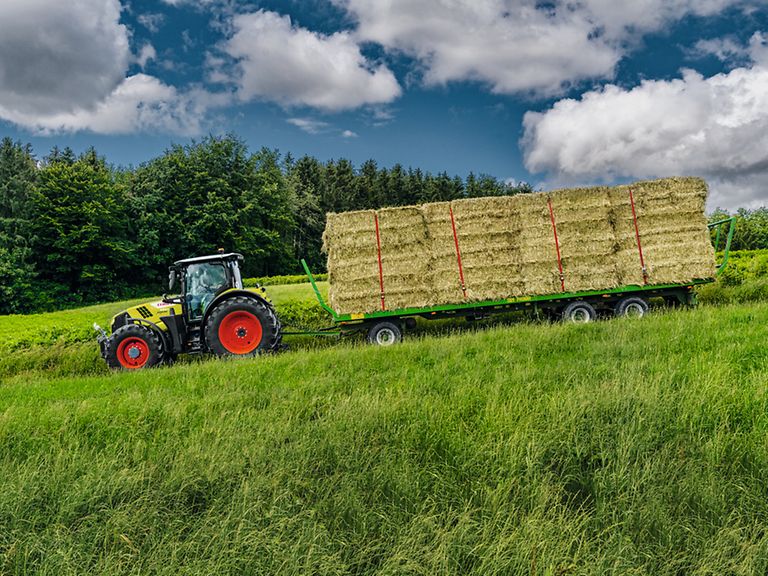
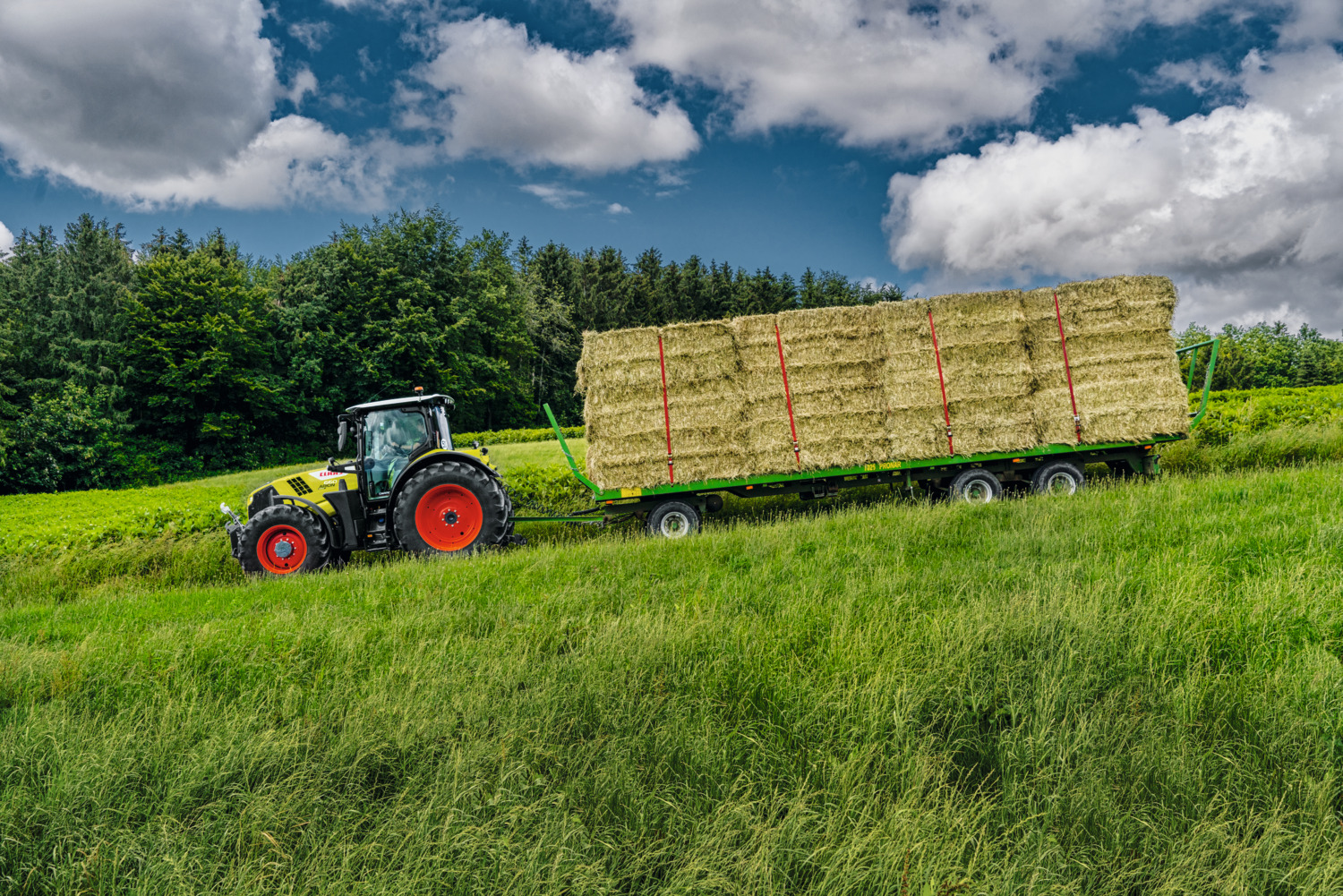
False! The risk of jack-knifing is even lower, thanks to the continuous variable transmission. However, first, let’s go back to basics for all the non-farmers. Jack-knifing can happen when the driver of a tractor-trailer combination lifts off the gas without braking the trailer. In that scenario, the trailer can overtake the tractor. In the worst case, on slippery ground, the trailer can push the slowing tractor sideways from behind so that it wedges against the tractor like a folding knife or jack-knife. On tractors with CMATIC, sensors identify whether the trailer is pushing, and the intelligent cruise control brakes the heavy load, straightening out the tractor and trailer. Operating errors are a thing of the past.

Myth 5: Continuously variable transmissions take care of the gear changes for me.

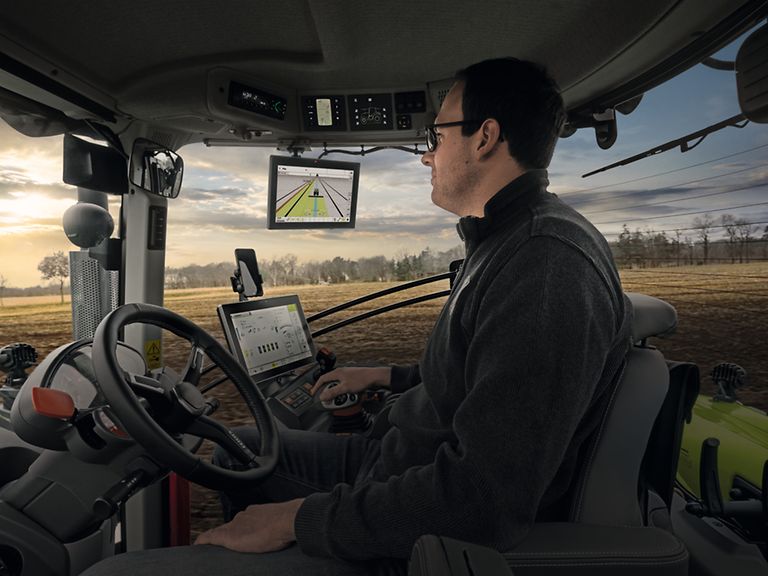
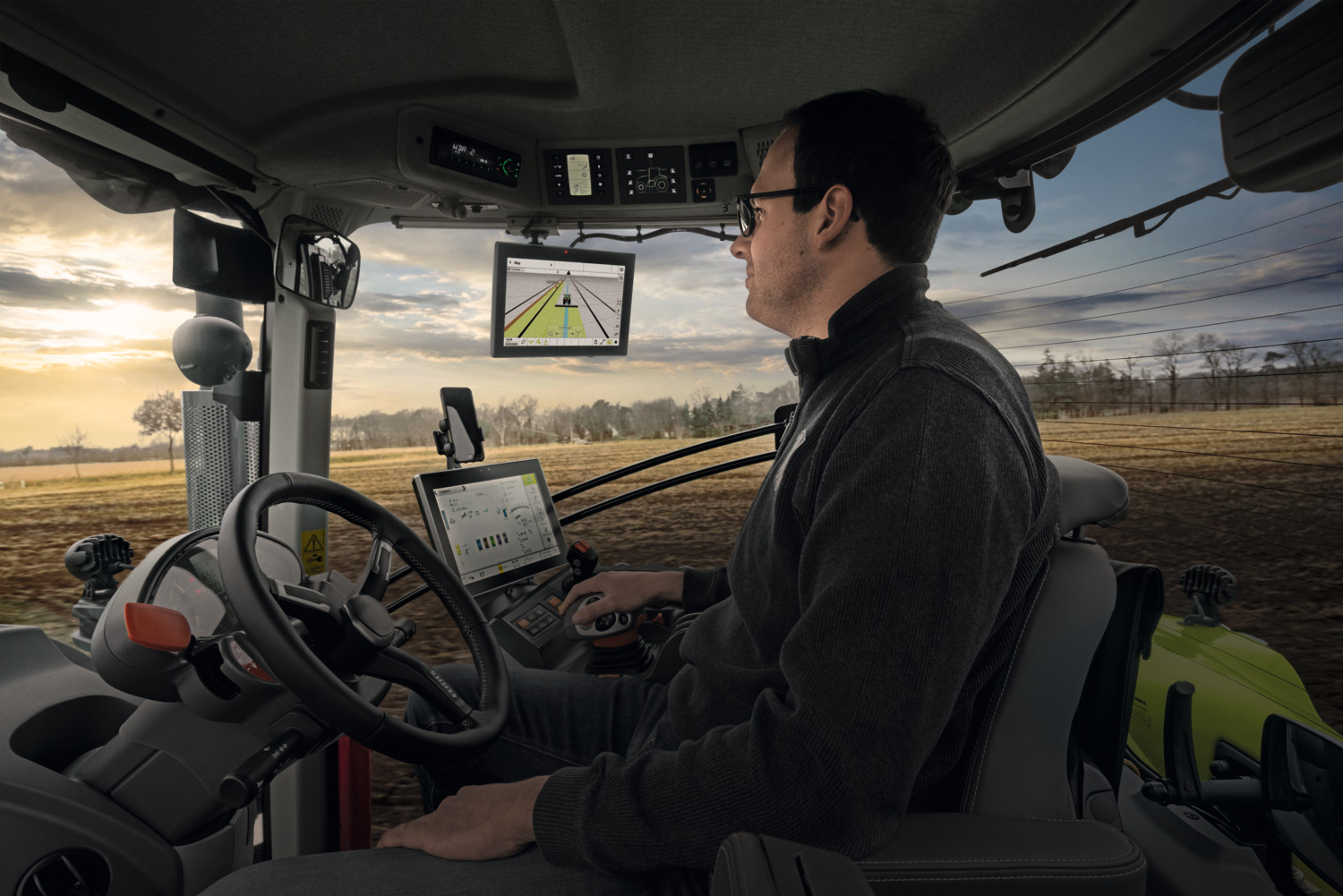
It's almost false! It’s correct that CMATIC takes care of the gear changes, but it also multiplies the tractors' possible uses. The gearbox and vehicle settings can be altered very easily via the CEBIS control terminal. The rider can select the operating mode while driving at the touch of a button.