Combine Class Sizes Explained
Agricultural Machinery
Smart Farming
Service & Parts
Discover CLAAS
Career
Press
About CLAAS

How to match the right machine to your operation based on more than just horsepower.

Combine Class Sizes Explained

Combine Class Sizes Explained

What is combine class?


The Association of Equipment Manufacturers (AEM) created the combine class size system about 25 years ago to give farmers and dealers a consistent way to categorize combines across brands, and they based it primarily on engine horsepower. Higher class numbers typically mean larger, higher-horsepower machines built to handle a combination of more acres, tougher crop conditions and wider headers. However, class size doesn’t capture nuanced differences in threshing and separation capabilities, for example, that can set some combines apart within each class.


Why class size only tells part of the story


The class 5 to class 10+ rating system doesn’t tell the whole story. Here’s what a class number leaves out:

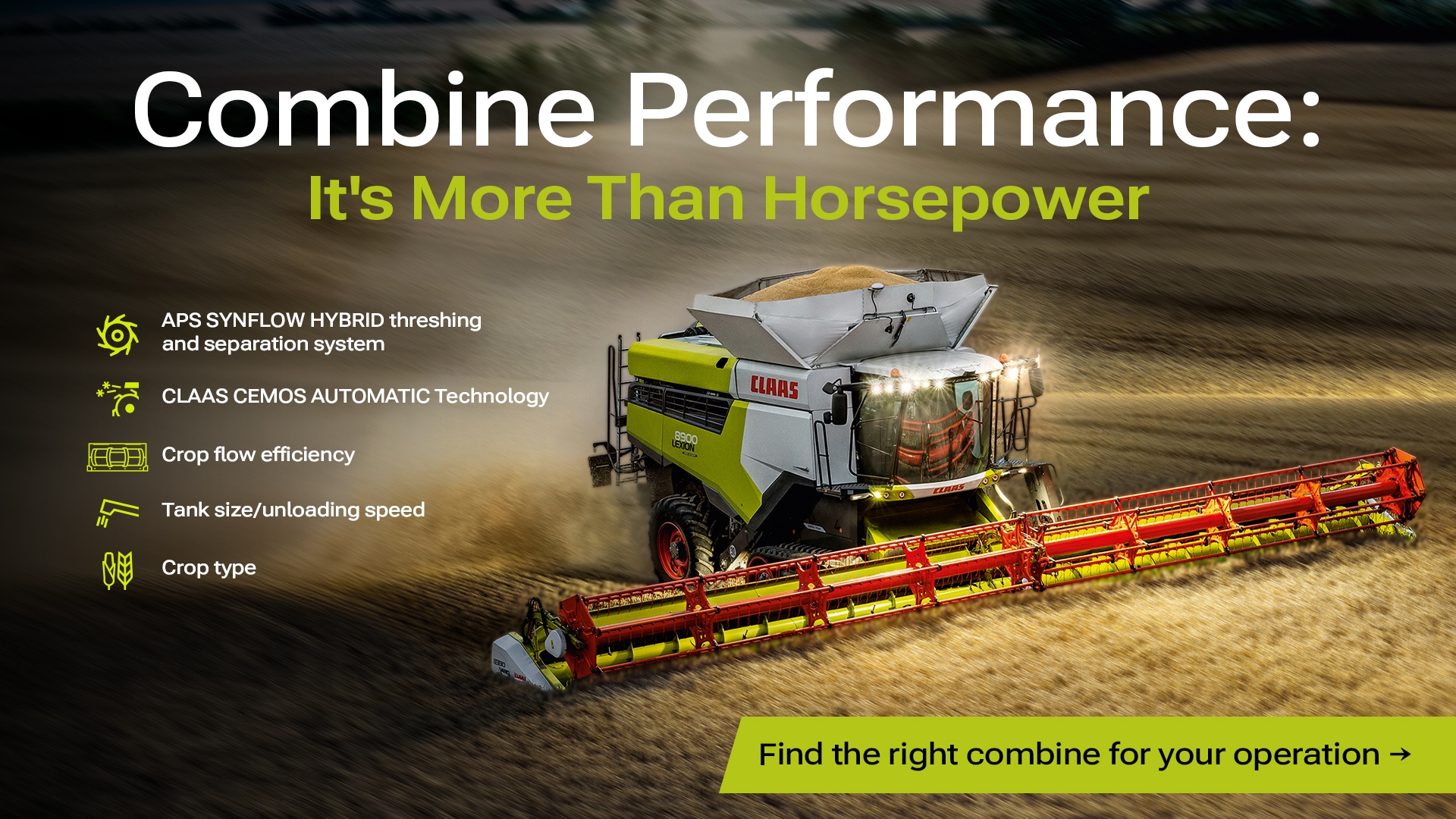
  • Horsepower doesn’t equal productivity: Two combines in the same class can have very different threshing and separation systems. For example, CLAAS combines offer an Accelerated Pre-Separation (APS) system in front of twin rotors that handle the final threshing and separation to preserve grain quality, even in tougher conditions. Most competitive combines have a connected threshing and separation system, which forces the machine to sacrifice grain quality for separation aggressiveness and vice versa.  
  • Header capability: How much crop a machine can take in depends heavily on the size, crop type and type of header it’s running. A corn head and a draper head feed the machine very differently, which isn’t reflected in a class number either.
  • Grain tank size and unload speeds vary: A higher class generally means more storage, but it isn’t a given. Two machines in the same class can carry very different grain tank volumes (say, 425 vs. 510 bushels) and unload at different auger speeds, both of which directly affect how efficiently you harvest.
  • Electronics and automation: Modern combines feature technology to improve precision in the field. Automated steering, yield mapping and active grain-loss sensing often decide how fast a machine can really run in the field. Two combines of the same class can offer varying levels of technology that class size doesn’t factor in.
  • The takeaway? Combine classification is a starting point. It pays to look past horsepower at things like threshing design, grain tank volume and onboard precision technology when you’re comparing machines and considering productivity. 
Class size is about more than acres


When selecting the right combine class size, acreage is a starting point, but it’s not the whole picture. Several factors determine what class of machine actually makes sense for your farm:

  • Header width and terrain: A farmer in hilly country might run a narrower draper head on a class 8 machine, while a farmer on flat Illinois ground probably runs a much wider header and needs a larger machine. Terrain limits your header size, and header size drives how much capacity you actually need in the machine.
  • Crop type: Small grain crops like canola with a lot of green material and tougher stems will require more threshing and separating capacity, and generally speaking, more horsepower. For operators in canola country, they might run a class 9 or 10 machine despite running fewer acres or a smaller head. 
  • Crop yield: Higher-yielding crops put more material through the machine per acre. If you’re harvesting 300 -bushel corn, you’ll fill up a smaller machine faster than a grower harvesting 200. Factor your average yields into the conversation in addition to total acres.

    The downside of buying more machine than you need
    One of the most common mistakes growers make regarding class size is stepping up a size because they want the extra capacity but won’t necessarily use that capacity or horsepower. Here’s what that can cost you:


  • Higher purchase price and depreciation: Every class step up is a significant jump in cost. If you’re not running that machine close to its capacity, you’re paying for performance you’re not capturing.
  • More fuel for the same acres: A larger machine running under capacity burns more fuel per acre than a properly sized machine running efficiently.
  • Resale complications: If your dealer’s customer base doesn’t regularly buy machines that size, trade-in value may suffer. Make sure your machine fits the regional market if resale value is important to you.


The CLAAS advantage
 

CLAAS combines tend to outperform their class size, especially in row crops where horsepower often isn’t the limiting factor. Growers may see a class 8 compete with, and sometimes outperform, a competitive class 9 machine in the same field conditions. That’s a product of a CLAAS combine’s unique APS SYNFLOW HYBRID threshing and separation system with independent rotors. 
CLAAS machines optimize threshing and separation separately without compromising one to improve the other. Competitor designs force a trade-off — dial up separation aggressiveness and grain quality drops, or vice versa. CLAAS combines don’t have that constraint, and therefore use horsepower more efficiently than competitor machines.


Moral of the story? It’s worth pressure-testing your current combine class size. The right combine class isn’t always the biggest one. It’s the one that works hardest for your farm. Talk to your local dealer about your next CLAAS combine today.