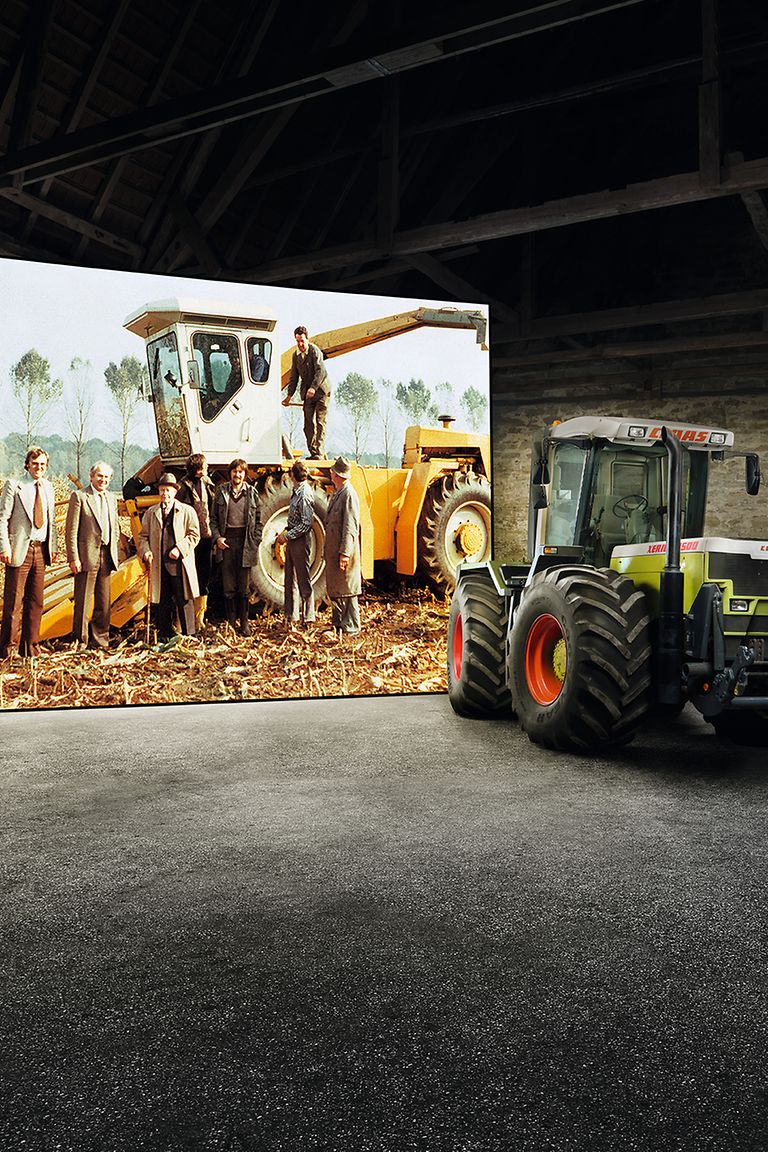
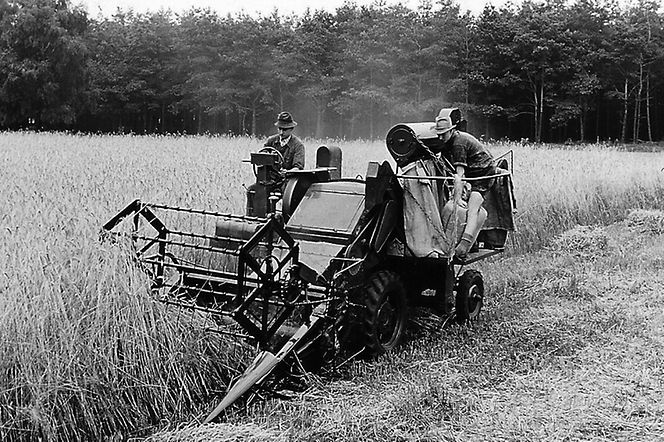
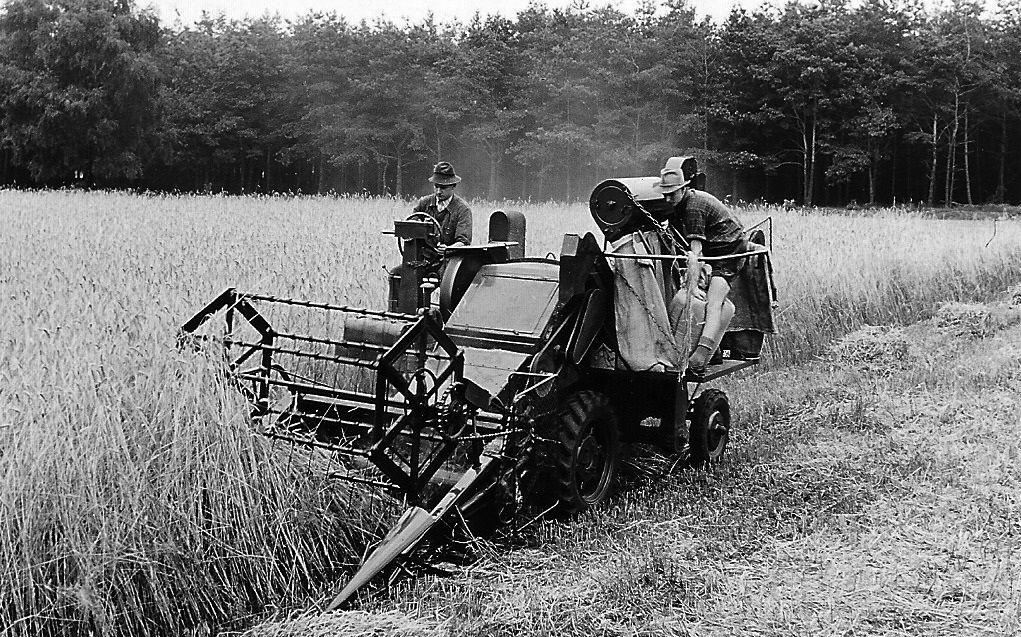
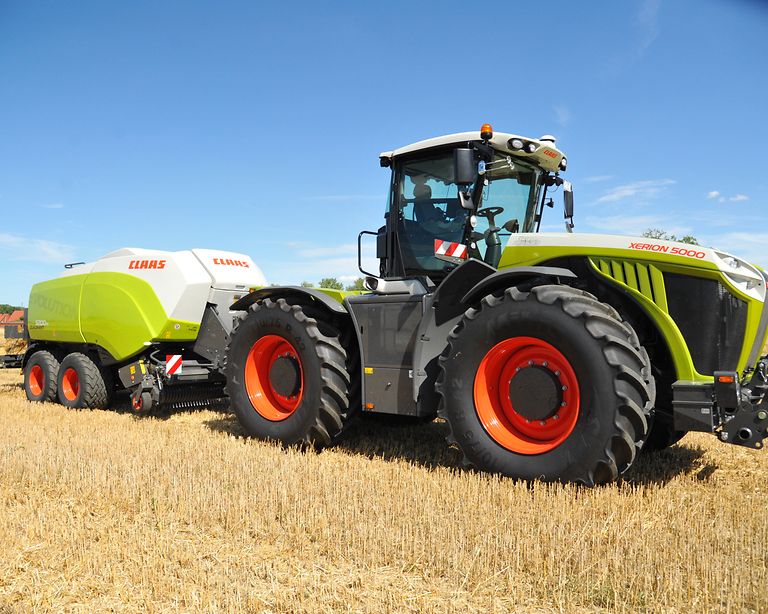
It would be almost another 20 years before the XERION first appeared.
Yes, it was a long journey. But for Helmut Claas it was essential for a tractor made by his company – unlike rival brands – to have a continuously variable transmission for greater comfort during field work. This was a totally novel concept at the time. So perhaps unsurprisingly, finding a suitable supplier proved difficult. CLAAS engineers tested several continuously variable transmissions, and even developed one themselves, before eventually finding a solution in the mid-nineties, and then the XERION was born.
How did farmers react to the first generation XERION?
It went down well with the selected customers who were the first to try out the XERION. But the first generation did have a few shortcomings. There were calls for more engine power and the continuously variable transmission did not work quite as we had hoped. So we installed a ZF transmission in the second generation, the XERION 3300 and 3800. These models were launched from 2003 along with the new standard tractors. Since then, the XERION has really grown in popularity.
The XERION has a large fan base and generates a great deal of interest in the industry. Was that the case from the start?
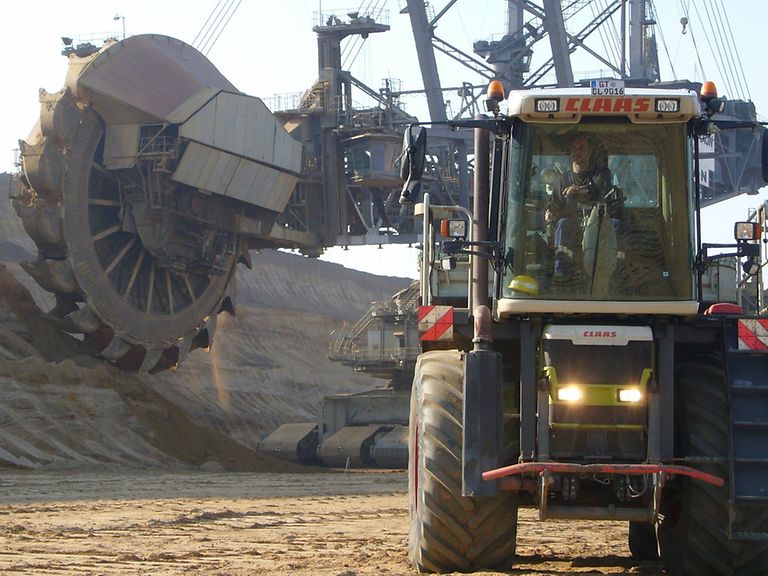
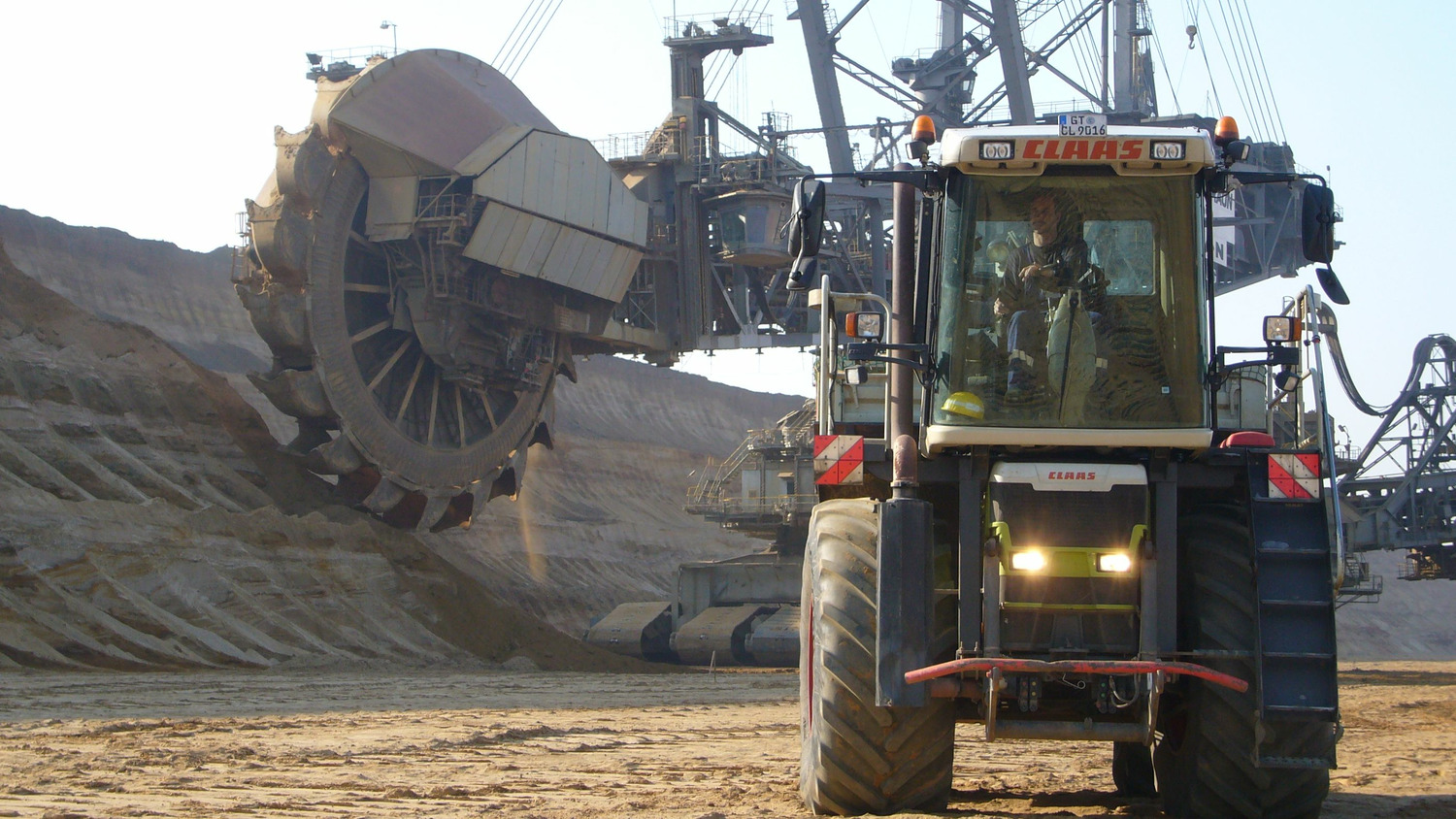
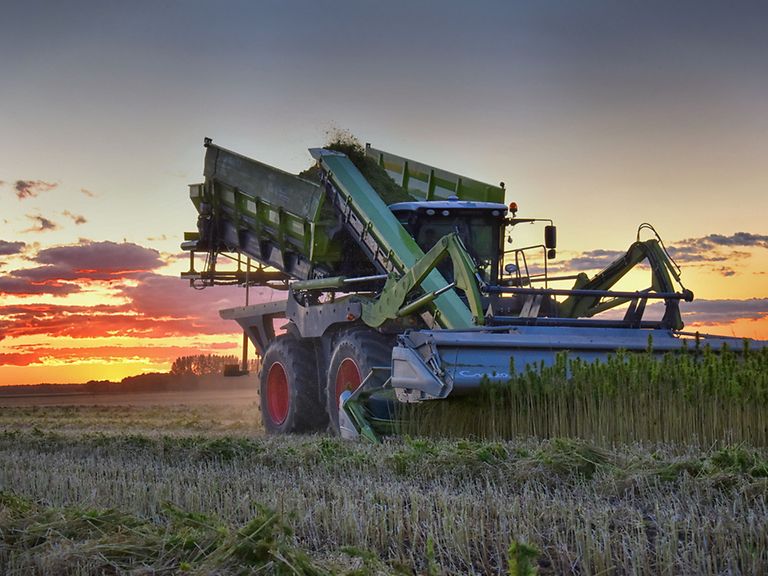
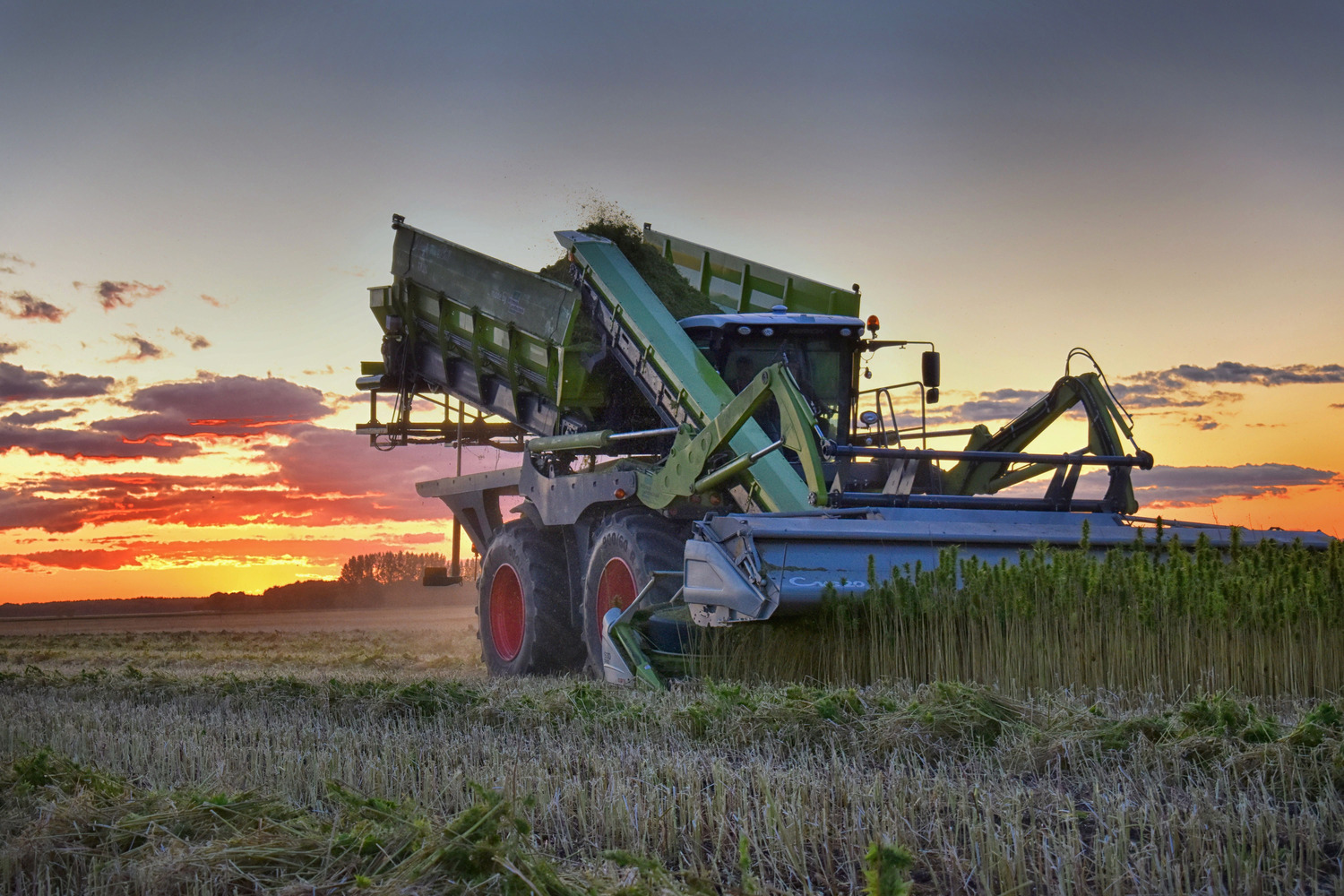
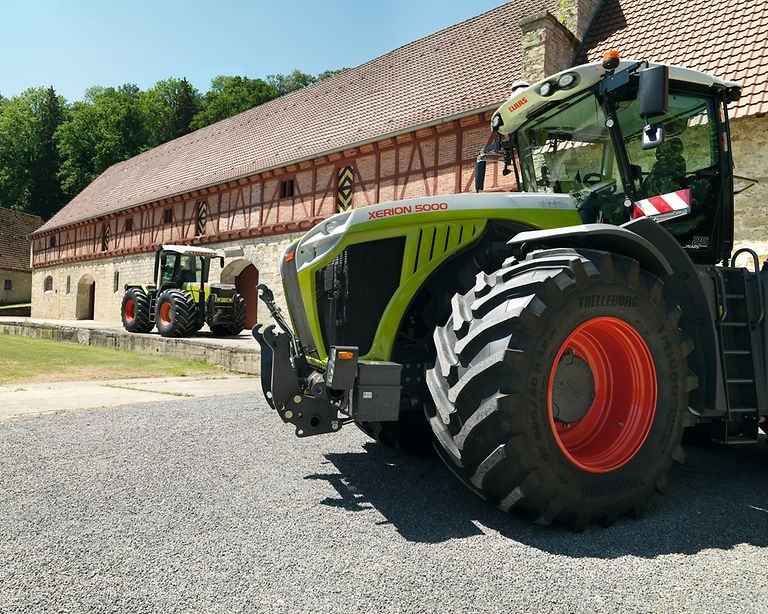
No. Its popularity gradually grew as it became clear that you could use the XERION for a host of different tasks. Then there was the machine's enormous size and power. This combination of power and versatility still holds a fascination for many people today.
How has the XERION evolved in the last 25 years?
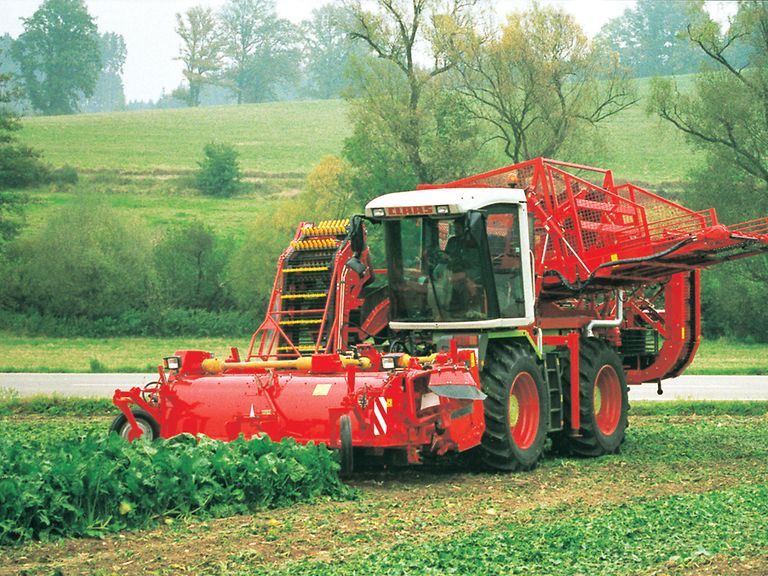
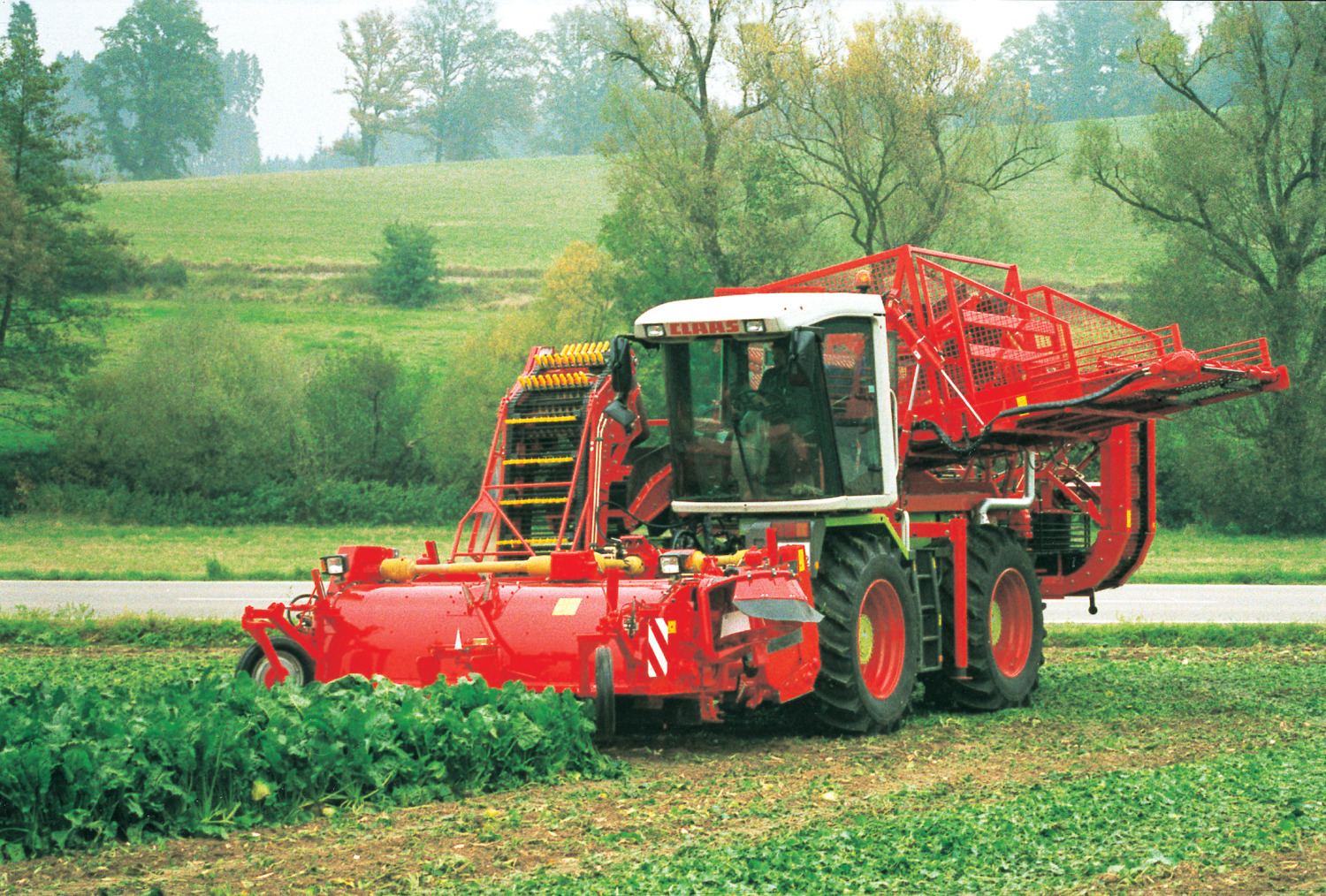
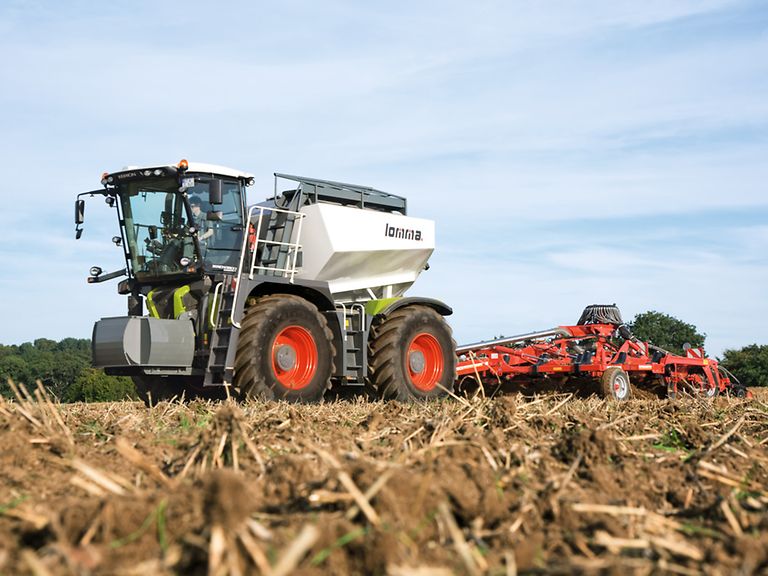
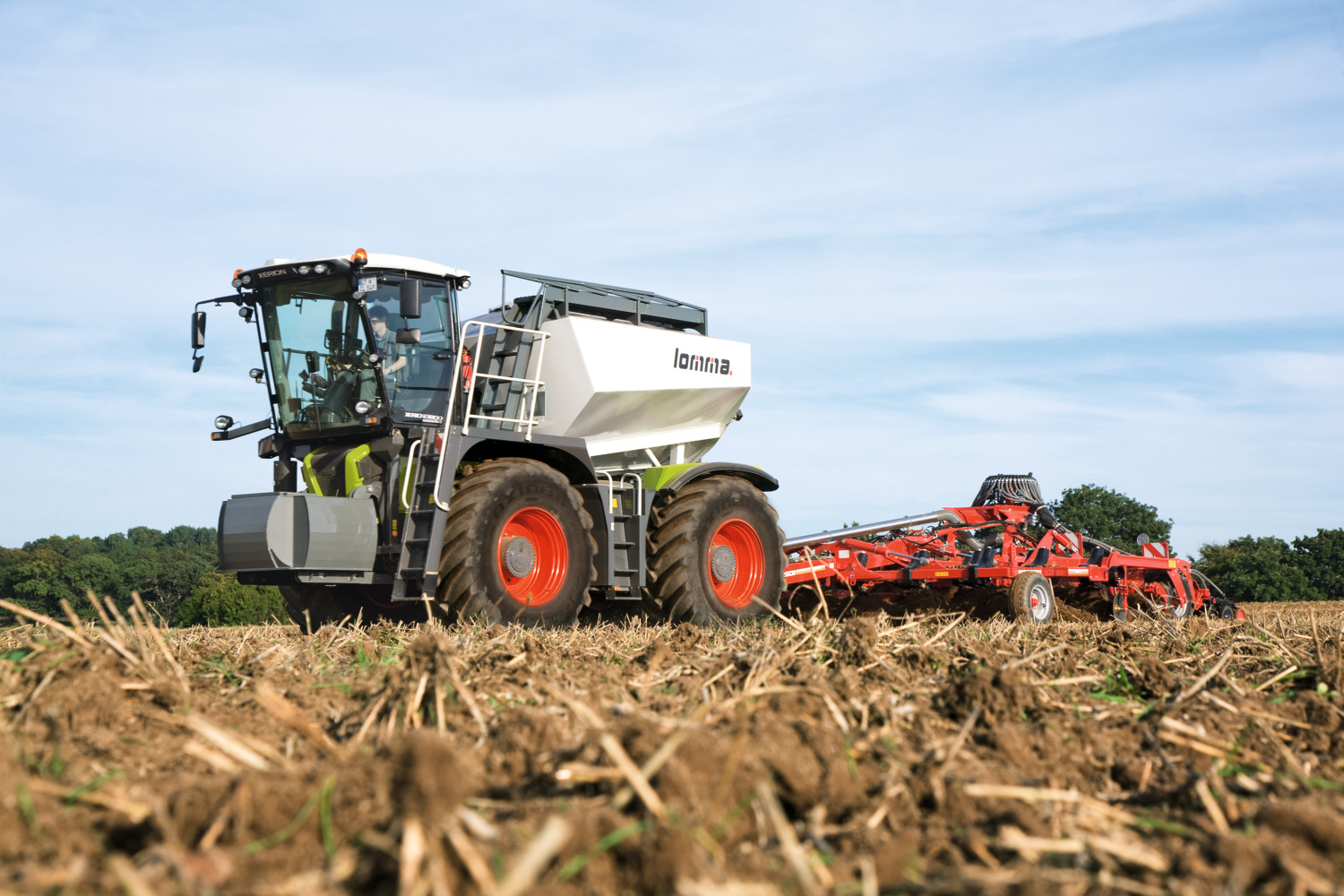
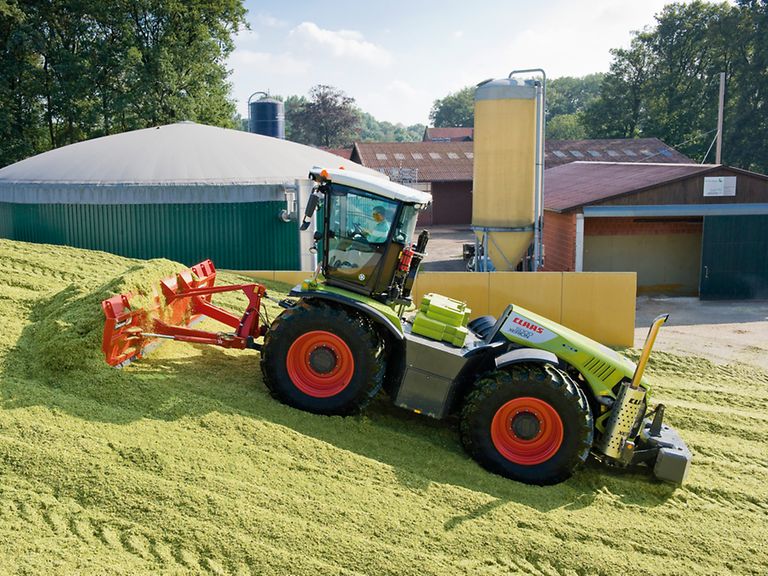
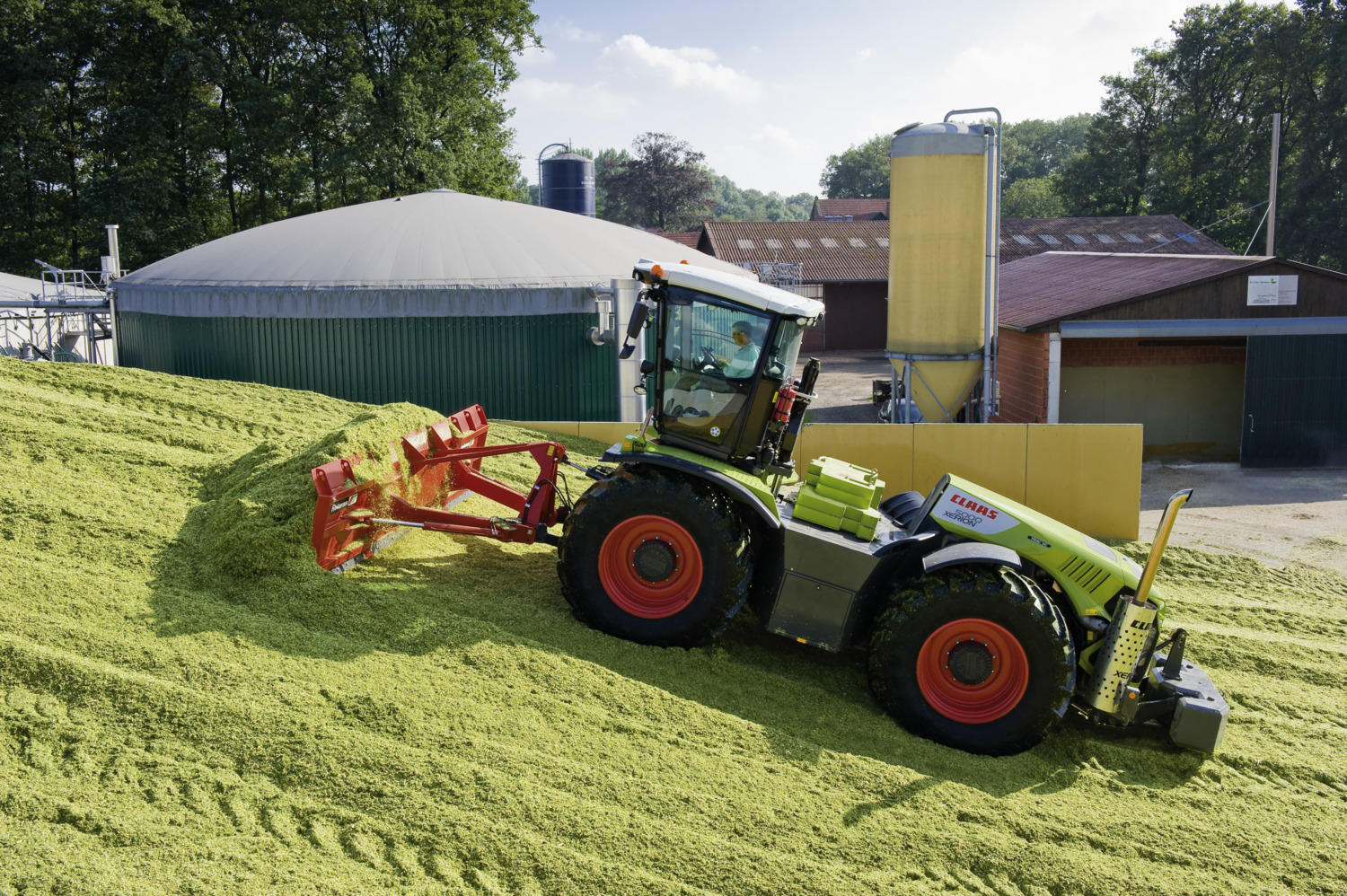
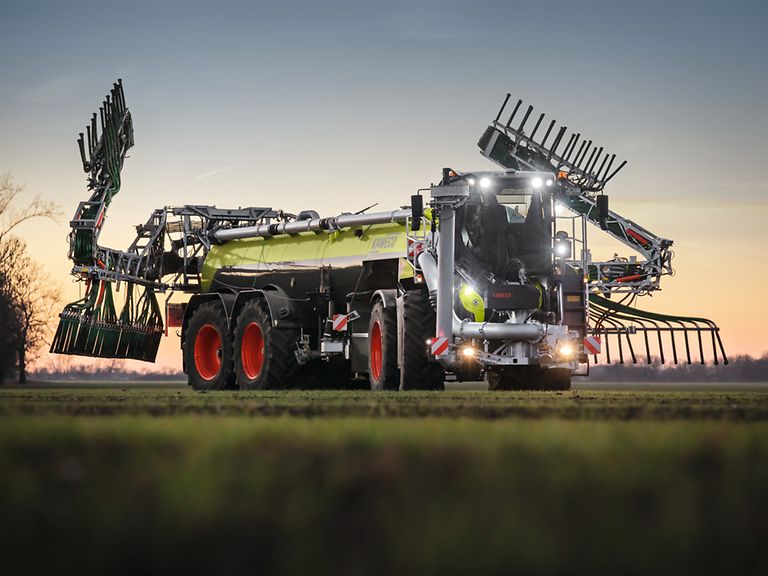
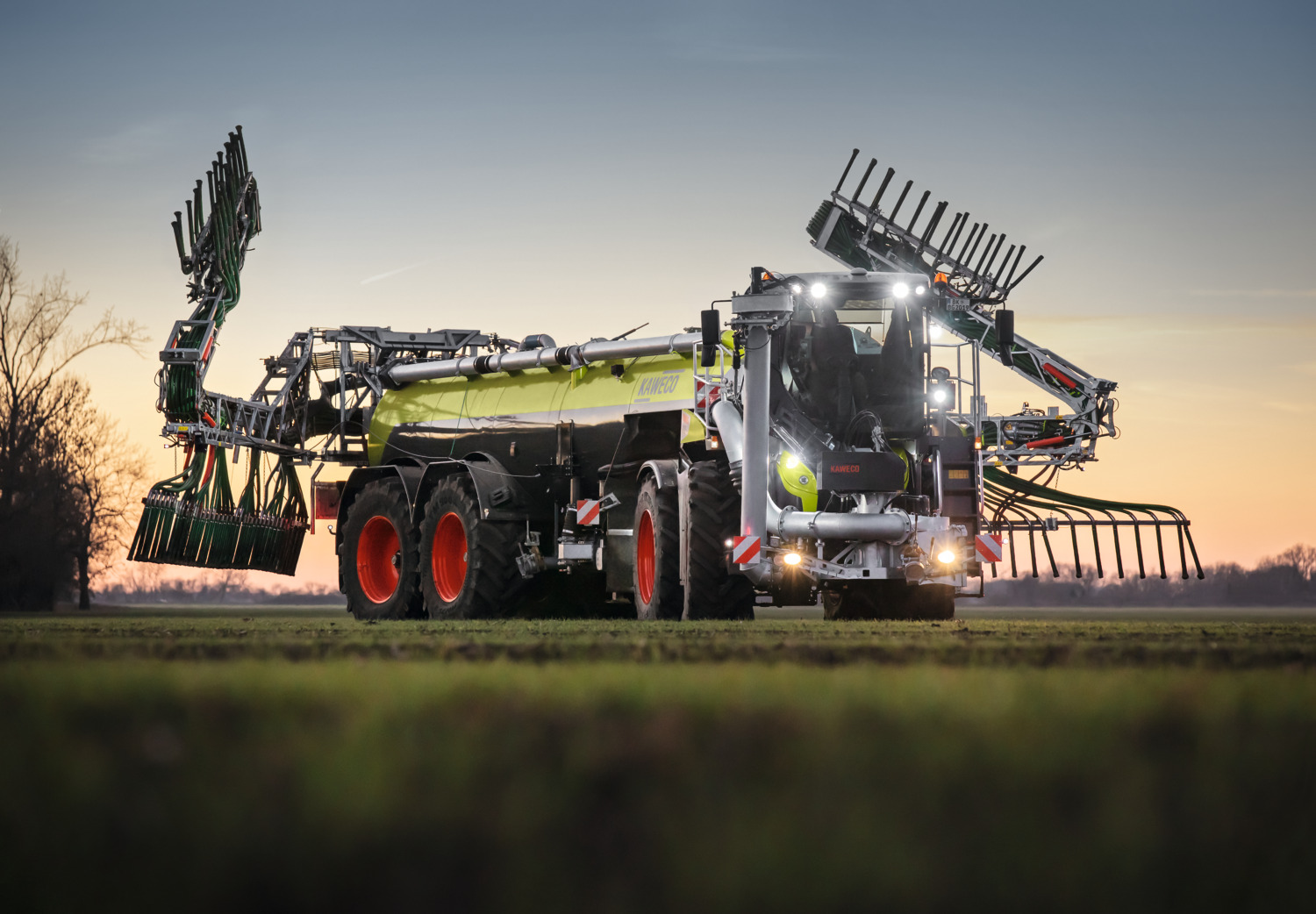
It is now far more powerful and has much more electronic wizardry. The areas of application have shifted too. The XERION was originally conceived for lifting beet, for instance, although that never really caught on. Nowadays the XERION is very popular for applications such as manure spreading and silage clamp work.
Have the old values of the XERION been retained though?
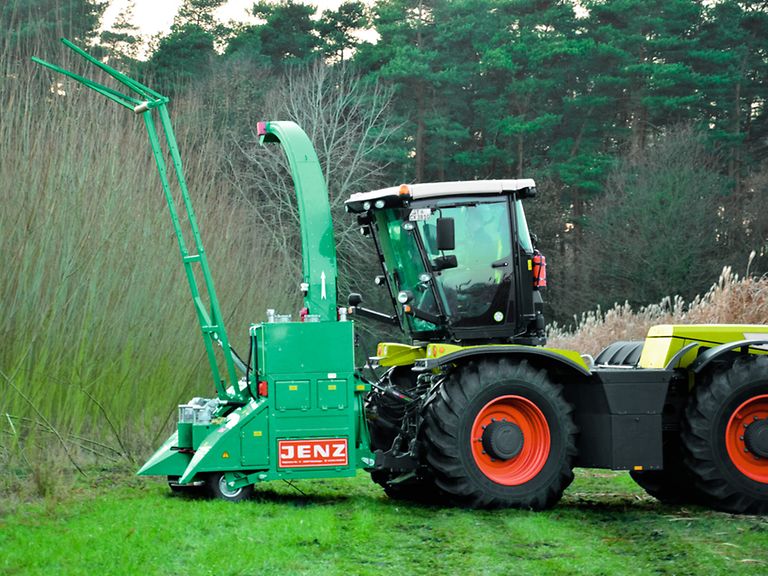
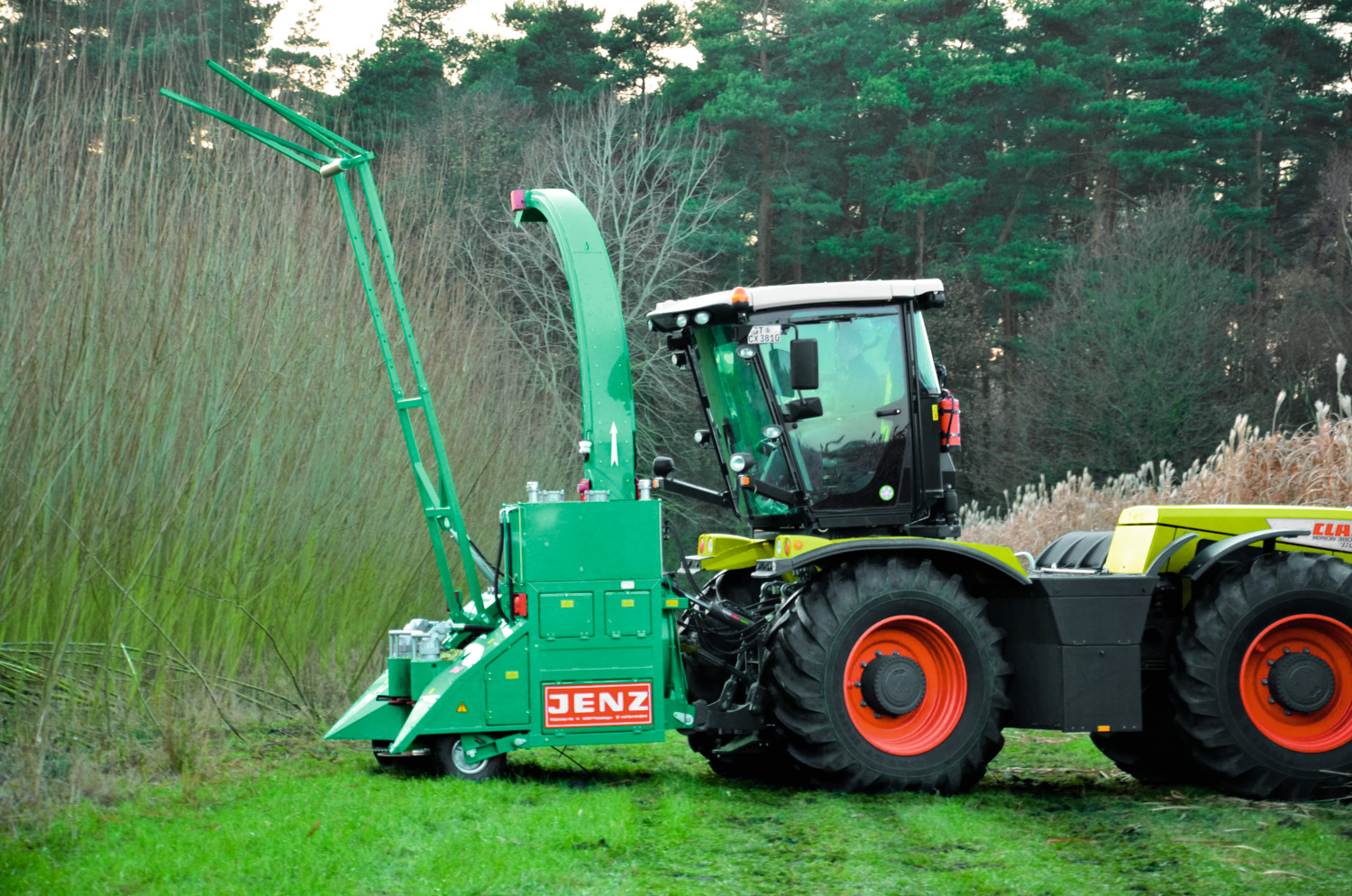
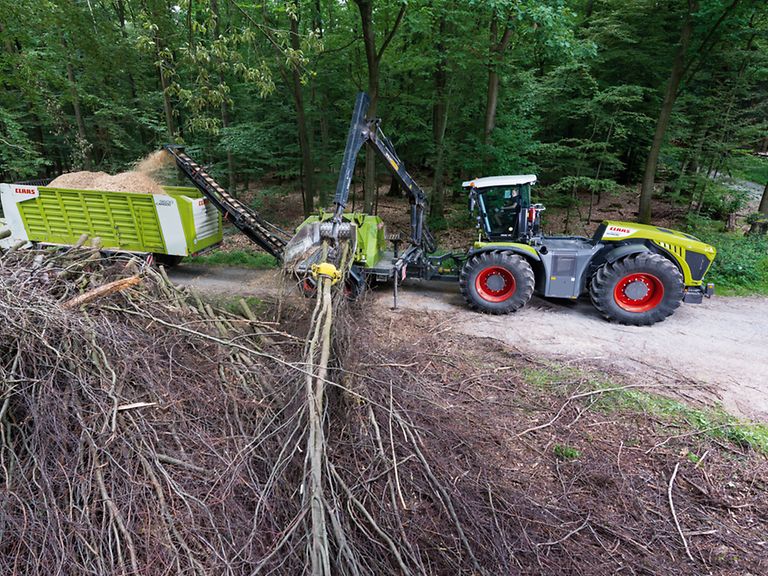
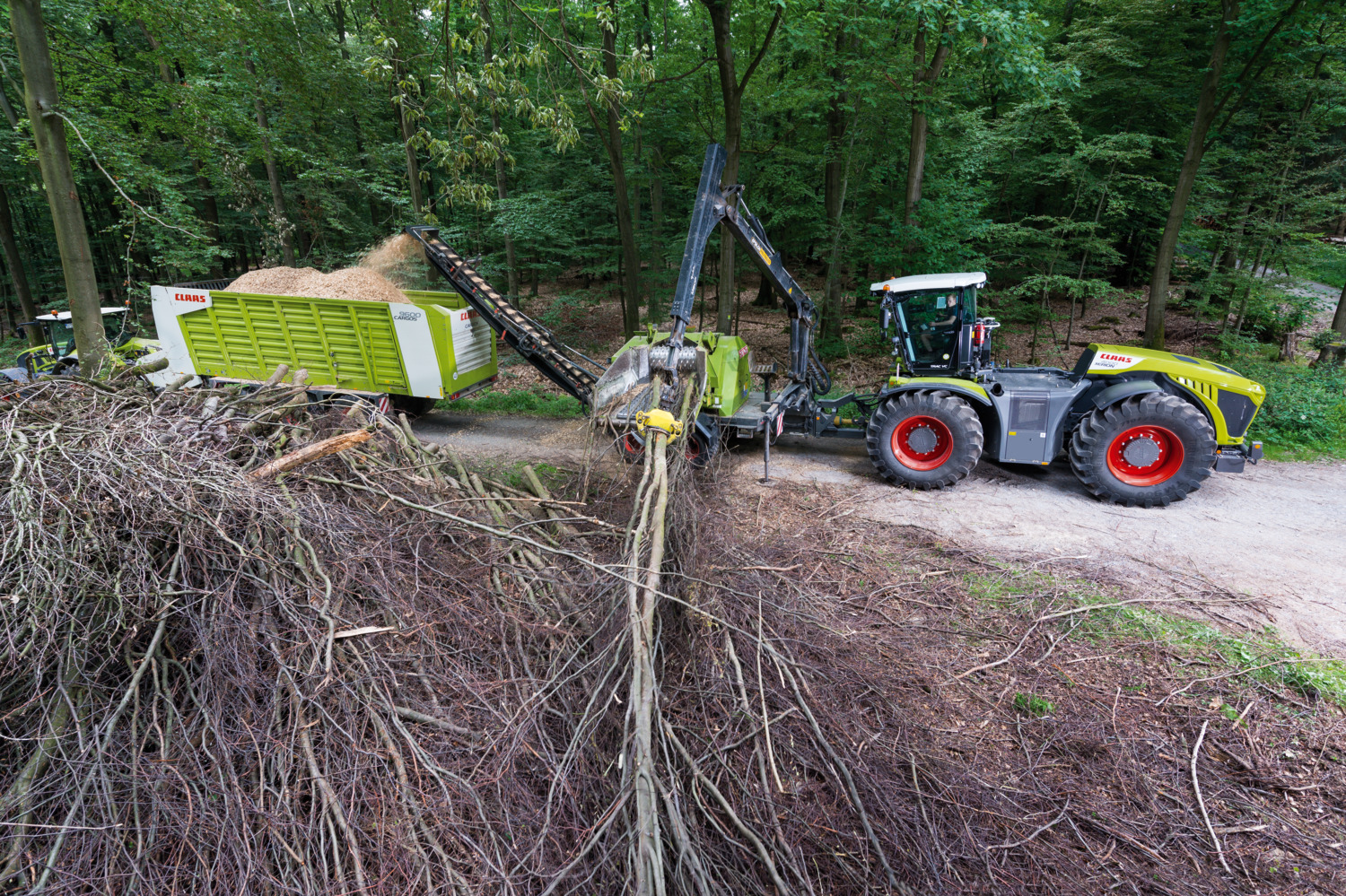
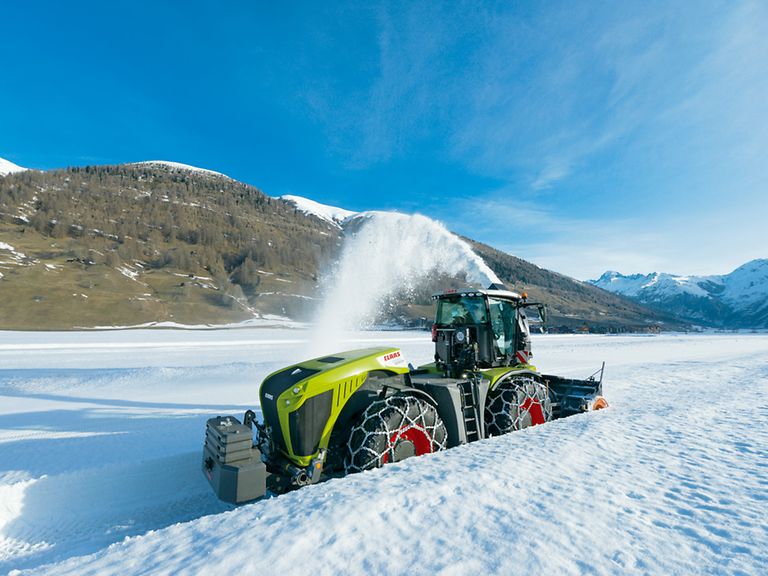
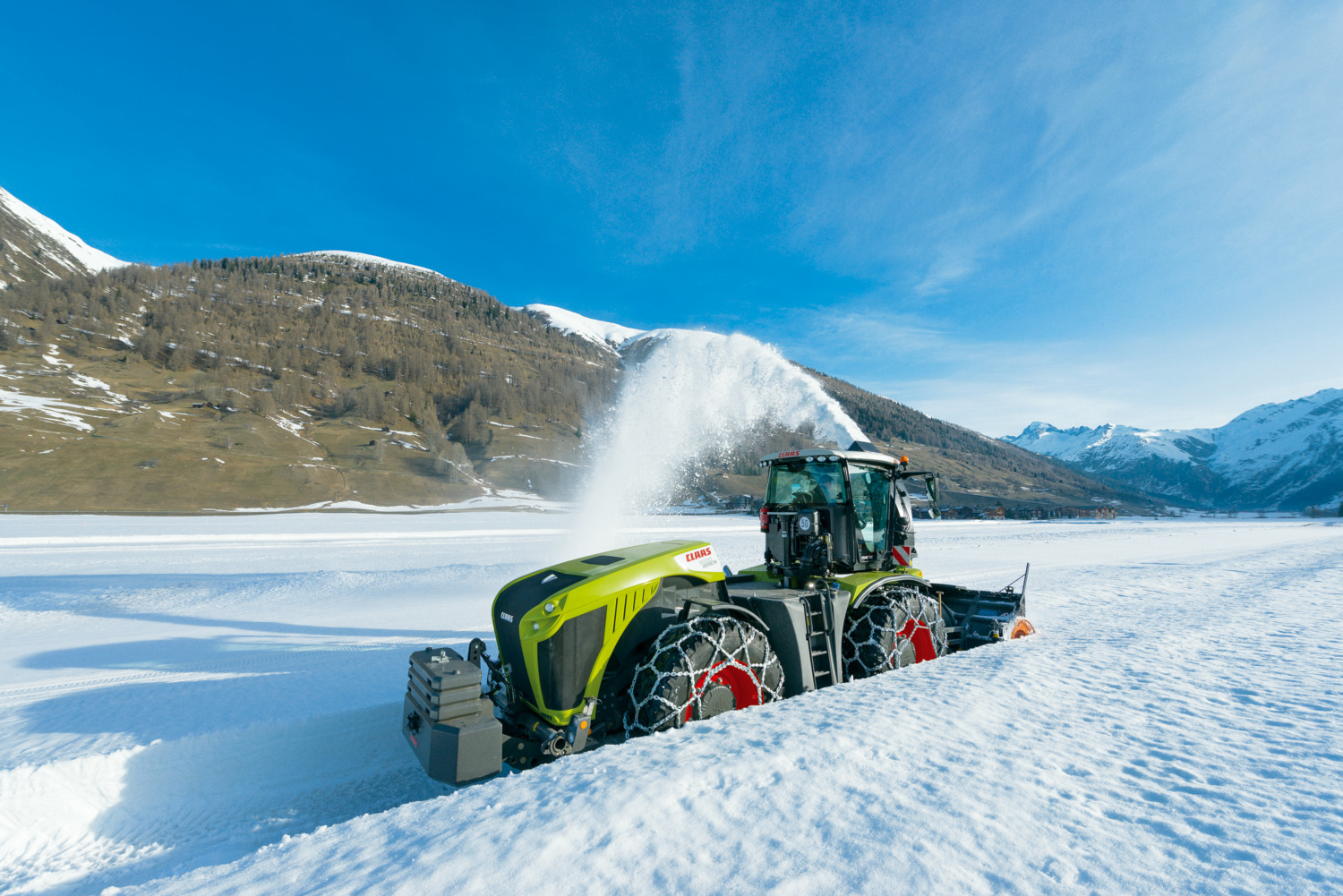
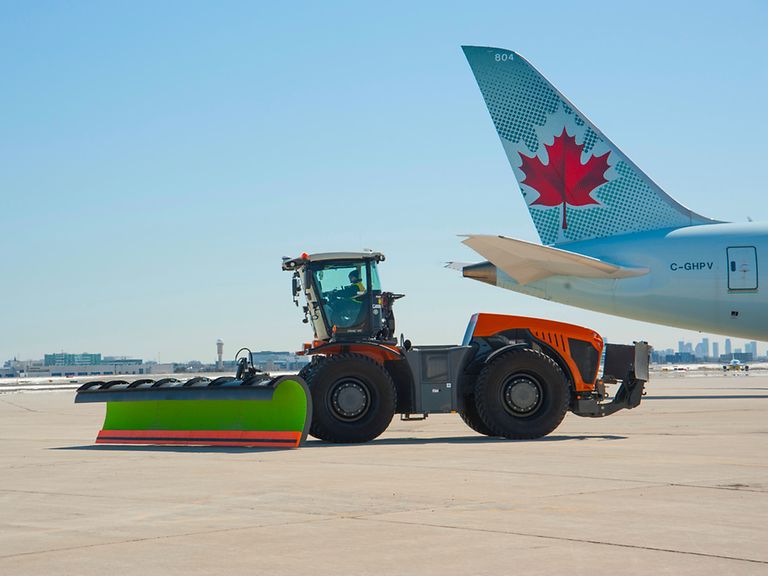
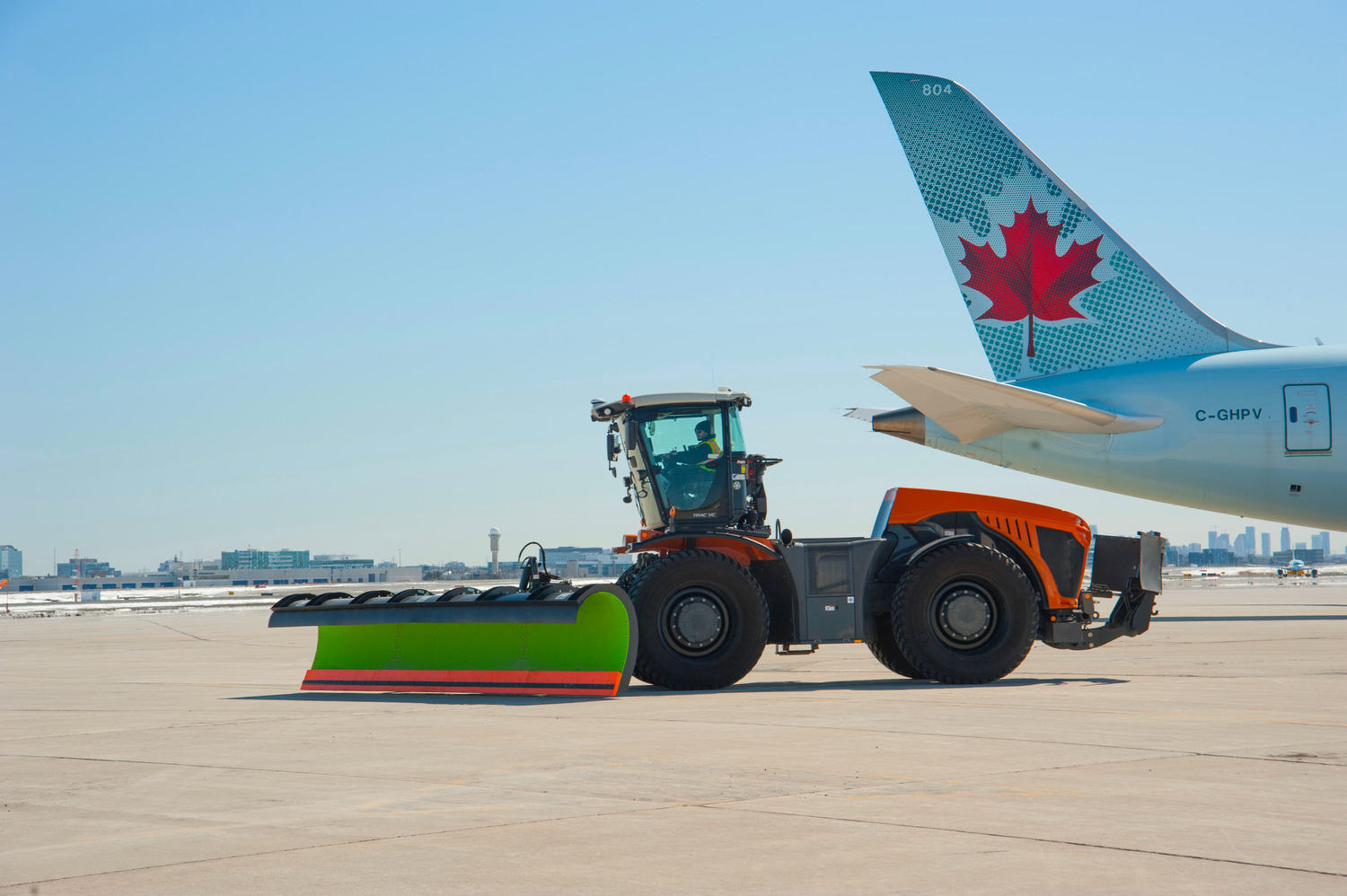
Yes, I would say so. All three core features of the XERION are still there. Today it is even more versatile than originally envisaged and is used for a wider range of applications, from snow clearing and blowing to wood chipping. What's more, the XERION still has a continuously variable transmission and remains a full-scale large tractor which can also perform traditional tasks such as plouging and cultivating.
How do you think the XERION will evolve in the future?
The performance will probably increase. Soil protection will become an increasingly important issue. I can well image that in future the system tractor will have even more crawler tracks. In addition, digital assistance systems are likely to play a greater role and new areas application may well emerge. But the core strengths of the XERION – its versatility and efficiency – will remain.