New machines for large fields.
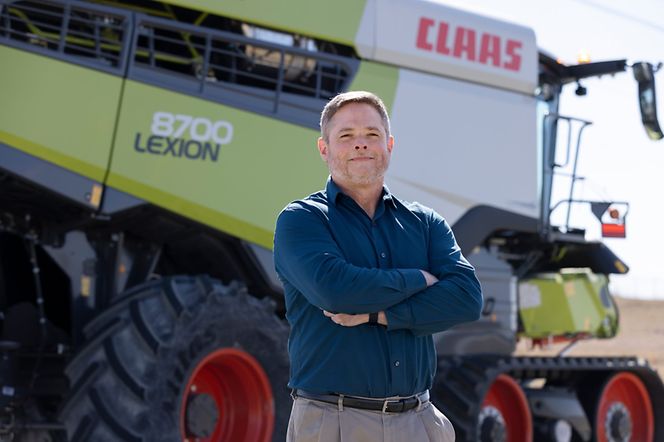
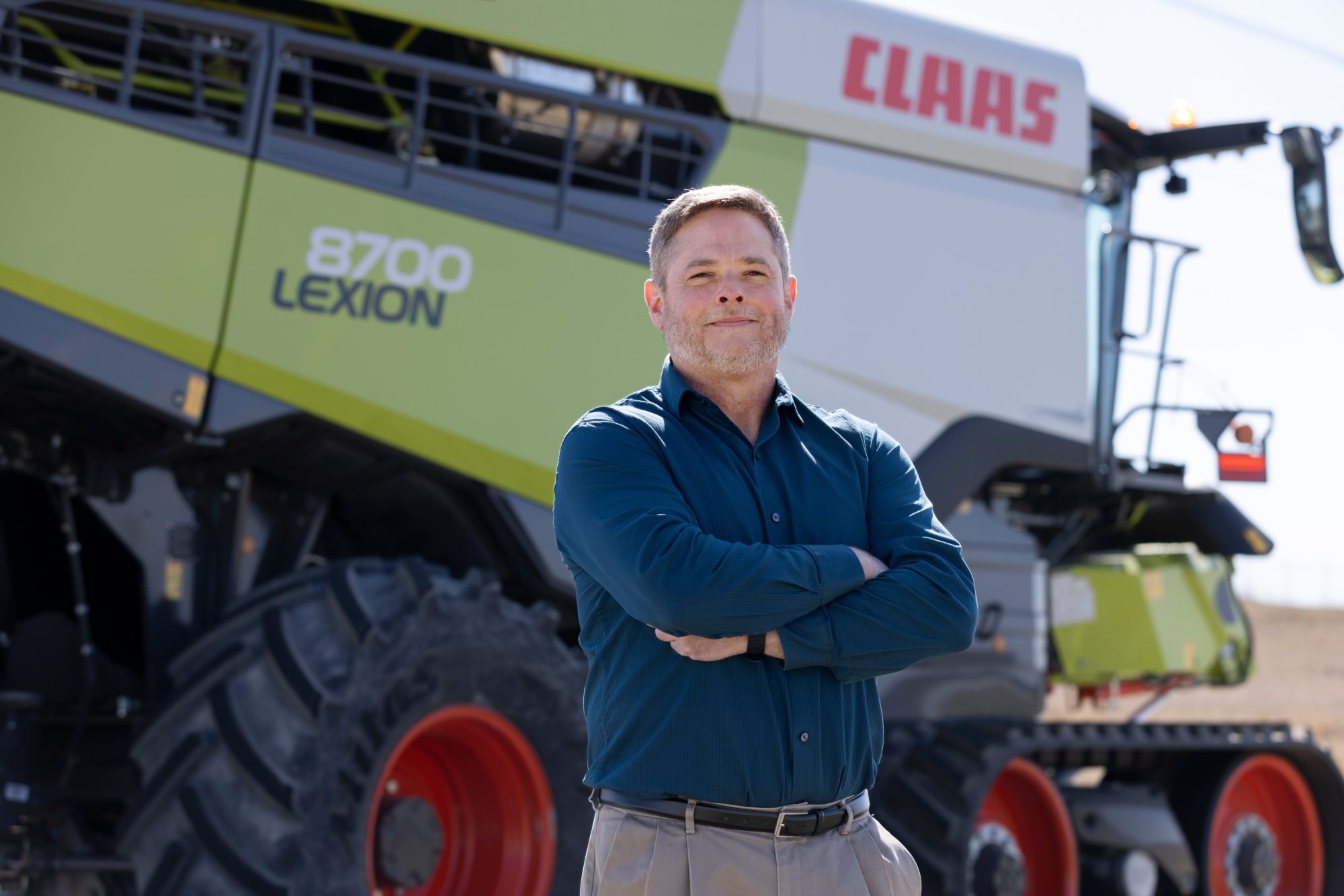
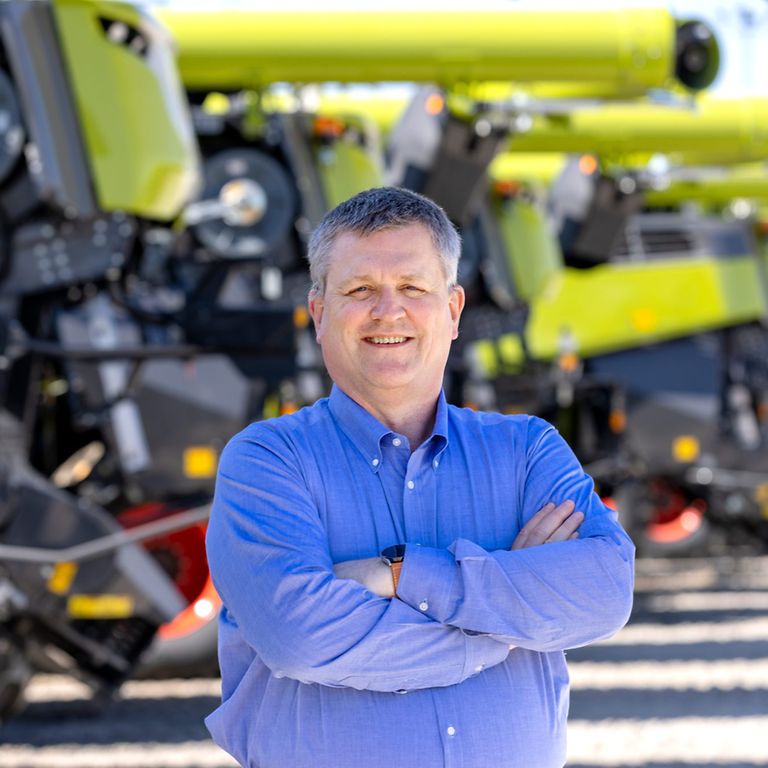
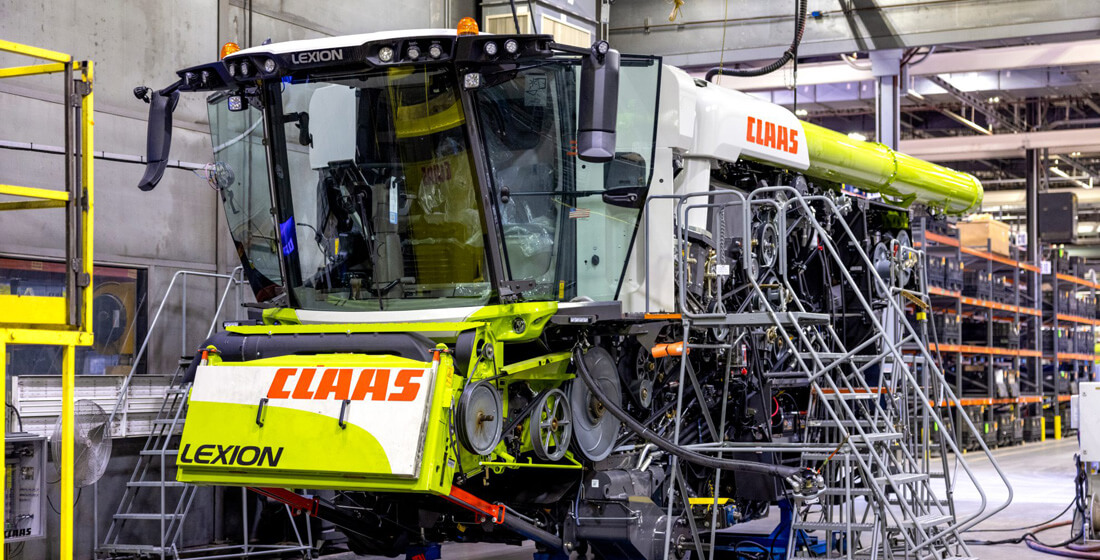
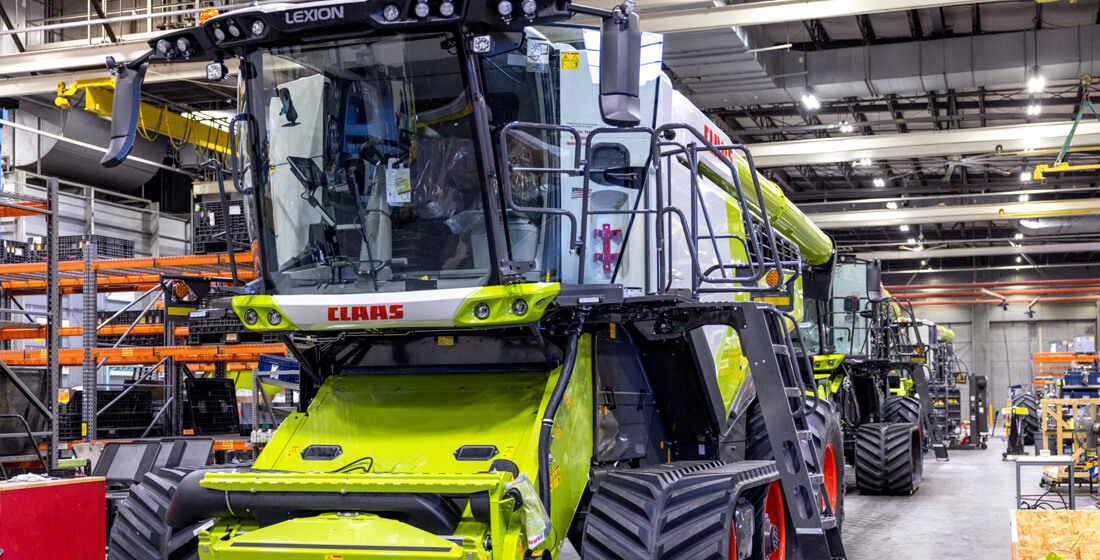
CLAAS can trace its history in the USA back more than 50 years, although the company made its debut on the US market under different names. The first of these was Ford. In 1965 CLAAS signed a partnership agreement with the American company; combine harvesters supplied by Harsewinkel were exported to the USA with the blue-and-white paintwork. The agreement expired in the 1980s, so in 1989 CLAAS joined forces with Massey Ferguson – and the combine harvesters were painted red and sold under another name. Blue-and-white or red, the machines proved popular because they were exactly what the farmers urgently needed, explains Matthew Koch.
The USA is a vast country stretching over several climate zones. The farms and the produce they grow are just as varied as the country itself. While large quantities of rice are grown in California and the south east, the Midwest is known as the maize and soya bean belt. Wheat is grown mainly in the middle, as well as in Canada, along with other types of grain.
Maize is a good example of how arable farming in the USA is different from Germany. As well as being grown on such an enormous area, the planting density for maize in the USA is far greater: around twice as many plants grow on the same area of land. Many are genetically modified and bear more cobs with more kernels per cob.
As a result, there is huge demand for high-performance machines, especially combine harvesters, which can cope with these yields, explains Matthew Koch. "Under very good conditions, you can get yields of up to 27 t per hectare. Cultivation methods in the USA are world-class. Other major growing regions such as Europe or Ukraine achieve only a quarter of that, about 7 t per hectare."